- English
- French
- German
- Portuguese
- Spanish
- Russian
- Japanese
- Korean
- Arabic
- Greek
- German
- Turkish
- Italian
- Danish
- Romanian
- Indonesian
- Czech
- Afrikaans
- Swedish
- Polish
- Basque
- Catalan
- Esperanto
- Hindi
- Lao
- Albanian
- Amharic
- Armenian
- Azerbaijani
- Belarusian
- Bengali
- Bosnian
- Bulgarian
- Cebuano
- Chichewa
- Corsican
- Croatian
- Dutch
- Estonian
- Filipino
- Finnish
- Frisian
- Galician
- Georgian
- Gujarati
- Haitian
- Hausa
- Hawaiian
- Hebrew
- Hmong
- Hungarian
- Icelandic
- Igbo
- Javanese
- Kannada
- Kazakh
- Khmer
- Kurdish
- Kyrgyz
- Latin
- Latvian
- Lithuanian
- Luxembou..
- Macedonian
- Malagasy
- Malay
- Malayalam
- Maltese
- Maori
- Marathi
- Mongolian
- Burmese
- Nepali
- Norwegian
- Pashto
- Persian
- Punjabi
- Serbian
- Sesotho
- Sinhala
- Slovak
- Slovenian
- Somali
- Samoan
- Scots Gaelic
- Shona
- Sindhi
- Sundanese
- Swahili
- Tajik
- Tamil
- Telugu
- Thai
- Ukrainian
- Urdu
- Uzbek
- Vietnamese
- Welsh
- Xhosa
- Yiddish
- Yoruba
- Zulu
Metalaxyl-m: A Comprehensive Guide on Uses, Benefits, and Applications
share:
Metalaxyl-m, which is also known as mefenoxam, is a big step forward in systemic pesticide technology for modern farming. Compared to regular metalaxyl, this improved R-enantiomer is better at killing harmful oomycete pathogens like downy mildew, Phytophthora, and Pythium, and it only needs half as much to work. Metalaxyl-m is used by commercial growers, agrochemical distributors, and crop protection experts because it is highly mobile in plants, absorbs quickly, and leaves little of an impact on the environment. This makes it an essential tool for sustainable crop management in vegetable, fruit tree, oilseed, and grain production.
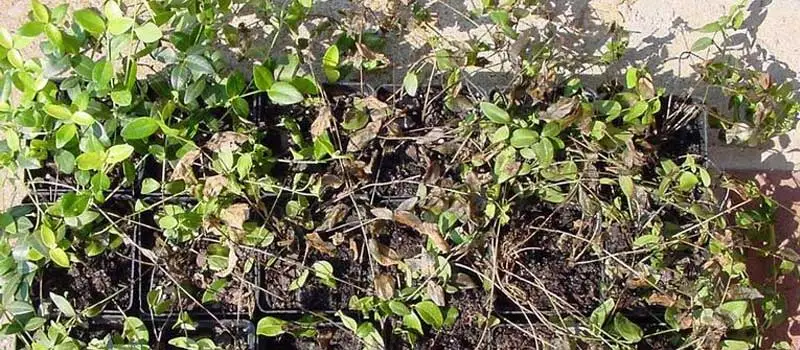
Understanding Metalaxyl-m: The Science Behind Superior Fungal Control
The main difference between metalaxyl-m and regular metalaxyl is the accuracy of the molecules. The racemic mixture of R and S isomers in standard metalaxyl is 50:50, but only the R-enantiomer kills fungi. Metalaxyl-m separates this chemically active part to levels higher than 97%, getting rid of extra chemicals and doubling the usefulness.
This improved active ingredient works by stopping target fungi from making ribosomal RNA. In particular, it stops the growth of mycelial filaments before any obvious symptoms show up by blocking the production of important proteins during cell division. Because it is systemic, the compound can move up and down through xylem vessels, protecting new leaves and growth points that surface protectants can't reach.
Large-scale farmers like this method of control because it works both to stop problems before they happen and to fix them quickly. Metalaxyl-m stops pathogens at their most vulnerable stage of growth when it is used before an infection or while they are incubating. Drip irrigation or soil drenches applied to the root zone create protected halos around seeds that are germinating and root systems that are growing. This solves the damping-off problem that destroys seedling stands.
The chemical formula C15H21NO4 shows a phenylamide structure that dissolves easily in water, which makes it easier for the chemical to be spread evenly throughout plant cells. This quality is especially useful in soils that change a lot, because other fungicides tend to bind strongly to organic matter and lose their bioavailability. Distributors who are looking for good formulations know that technical purity is directly linked to accuracy in field performance.
Key Benefits Driving Commercial Adoption Across Global Markets
Cost-effectiveness is very important for industrial farms that take care of hundreds to thousands of hectares. Logistics costs go down a lot because metalaxyl-m only needs half as much of the active ingredient as racemic metalaxyl. Less product means lower freight costs, easier storage, and less work for people who handle the product, all of which have a direct effect on business Metalaxyl-m + Mancozeb 80 Wp margins.
Agrochemical importers and sellers like how this concentrated active ingredient gives them more options for how to use it in their products. The 48% EC recipe from reputable companies lets you make your own tank mixes without using too much solvent. This compatibility includes combination goods like metalaxyl-m + mancozeb 80 WP. The systemic action of metalaxyl-m works with the broad-spectrum contact protection of mancozeb to treat a wide range of diseases with just one application.
Environmental responsibility is becoming more and more important in buying choices. Chemical residues in land and water systems naturally decrease as application rates go down. Agricultural service providers who use Integrated Pest Management methods like that of metalaxyl-m fit in with sustainability goals without sacrificing effectiveness. The substance quickly penetrates tissue and becomes rainproof within 30 to 60 minutes. This provides protection even in unpredictable weather, reducing the need for multiple applications that increase exposure to the environment.
Resistance management is a very important thing for crop security companies to think about. Metalaxyl-m needs to be used strategically because it is a FRAC Group 4 fungicide that only works on one spot. Best practices in the industry say that multi-site inhibitors should be rotated and that solo curative use should not be allowed once an epidemic starts. Products that contain both azoxystrobin 28.2 and metalaxyl-m 10.8 SC show this concept. They combine two different mechanisms to slow down resistance development while controlling a wider range of pathogens.
Critical Application Scenarios Across Diverse Crop Systems
Seed treatment formulas deal with plant damping-off, one of the most economically damaging diseases in agriculture. When Pythium and Phytophthora species attack seeds that are growing in cool, wet soils, farmers of soybeans, corn, sunflowers and cotton lose a lot of stands. When metalaxyl-m is used as a flowable concentrate to treat seeds, it produces a safe microenvironment around each seed that helps it grow strongly even when pathogens are present.
In this case, systemic movement is very important because defence goes beyond the seed coat to include new radicles and hypocotyls. Contact fungicides block the surface, but they can't protect new growth. Companies that treat seeds for large-scale farmers look for formulations that keep the suspension stable, have good adhesion, and work well with biological inoculants. Metalaxyl-m technical meets all of these requirements when it is properly made.
Soil drench and drip irrigation are both used to water annual plants that already have strong root systems. Soil applications must be timed just right for citrus growers to fight Phytophthora root rot, avocado orchards to fight collar rot, and greenhouse veggie operations to fight Pythium root diseases. The ability to dissolve in water makes it easier to move through the soil to reach active root zones and therapeutic amounts where pathogens are most common.
Timing is very important. Applications made during root flush times in the spring and fall get the most absorbed by growing feeder roots. Commercial growers who are in charge of thousands of trees need products that work the same way in different types of soil and pH levels. Technical support from experienced suppliers helps to find the best application windows, figure out the right azoxystrobin 28.2+ metalaxyl-m 10.8sc dosage rates based on the size of the canopy, and work treatments into fertility programs without causing chemical reactions.
Applying things to the leaves protects the parts of the plant that are above ground from getting downy mildew and late blight. Potato and tomato farmers lose a lot of crops to Phytophthora infestans, especially in warm places where leaves stay wet for long periods of time. When preventative foliar programs are started before an attack happens, they protect the whole body in a way that contact fungicides can't.
Navigating Technical Specifications for Informed Purchasing Decisions
The 48% EC formulation strikes a perfect mix between the concentration of the active ingredient and the ease of use. Emulsifiable concentrates mix easily with water to make stable emulsions that can be sprayed with regular tools to get even coverage. When distributors look at suppliers, they should make sure that formulations stay stable across the range of temperatures that are encountered during transport and storage.
The CAS number 70630-17-0 makes it easy to identify chemicals, which is necessary for following the rules in foreign markets. This registry number is used to make sure that all import paperwork, customs clearances, and environmental reports are consistent. When buying from more than one manufacturer, buyers should make sure that the standards are exactly the same to avoid formulation problems or differences in performance.
Premium technical material is different from commodity-grade goods because it has purity requirements higher than 97% active R-enantiomer. Certificates from approved labs that do analyses confirm the enantiomeric composition, impurity profiles, and stability markers. Large buyers who want to sign long-term contracts should expect consistency in batch testing as a quality assurance measure.
The way things are stored has a big effect on how long they last. Chemical stability is maintained for at least two years in original, unopened packages that are kept in cool, dry places below 30°C. Hydrolysis speeds up decay when it is exposed to high or low temperatures or materials that are alkaline. Distributors who are in charge of stock should follow the right storage rules, and bulk buyers should think about packaging choices that keep the quality of the product safe throughout the distribution chain.
Liquid versions are easier to work with than wettable powders because they don't expose you to dust and make mixing easier. Liquid concentrates work better with automated measuring and dispensing systems because they work together more easily. This makes precision farming operations more accurate. Formulations that make field operations easier without losing performance are valued by service providers who are in charge of multiple job sites.
Distributors who are building regional brand identities, like customisation options, private labelling, flexible package configurations, and OEM formulation services. Manufacturers who give technical support for registration dossiers, effectiveness trials, and application training add a lot of value on top of just providing chemicals. In competitive markets where price alone doesn't decide who a buyer will stick with, azoxystrobin 28.2+ metalaxyl-m 10.8sc, these services set sellers apart.
Resistance Management: Protecting Long-Term Efficacy Through Strategic Use
Single-site fungicides like metalaxyl-M face inherent resistance risks when misused. Pathogen populations exposed to repeated applications without rotation quickly develop insensitivity, rendering treatments ineffective. Commercial agriculture has documented resistance in Phytophthora and downy mildew populations across multiple regions, making stewardship practices essential for preserving this valuable tool.
Tank mixing with multi-site contact fungicides provides immediate resistance mitigation. Products combining metalaxyl-m with mancozeb, chlorothalonil, or copper compounds attack pathogens through multiple biochemical pathways simultaneously. Resistant individuals surviving metalaxyl-m exposure succumb to contact activity, preventing resistant gene propagation through fungal populations. Agrochemical formulators develop these combinations specifically to extend useful product life while delivering reliable disease control.
Application limits per growing season restrict selection pressure. Regulatory guidelines typically permit two to three metalaxyl-m applications annually, with mandatory rotations to alternative chemistry classes between treatments. Crop protection consultants advising commercial growers design spray programs incorporating diverse modes of action, reserving systemic fungicides for critical infection periods when maximum efficacy justifies their use.
Preventative timing rather than curative application reduces resistance selection. When applied before pathogen establishment, lower concentrations effectively suppress infection, minimising survival of partially resistant individuals. Waiting until disease symptoms appear forces higher rates and repeated applications, accelerating resistance development. This principle underscores why seed treatments and early-season soil drenches succeed where rescue applications often fail.
Monitoring programs detect emerging resistance before field failures occur. Laboratory bioassays measuring fungal isolate sensitivity guide adaptive management decisions. Distributors serving progressive growers should connect customers with diagnostic services and technical representatives who interpret resistance data, adjusting product recommendations to maintain control efficacy.
Regulatory Landscape and Safety Considerations for Professional Use
Global registration status varies across agricultural markets, influencing product availability, Metalaxyl-m + Mancozeb 80 Wp and legal use patterns. Major producing regions, including North America, Europe, Latin America, and parts of Asia, maintain established metalaxyl-m registrations with defined crop labels and maximum residue limits. Importers and distributors must verify that products comply with destination country regulations, including permitted crops, application methods, and pre-harvest intervals.
Safety profiles support responsible use under proper conditions. Applicator precautions include standard protective equipment during mixing and loading operations, avoiding drift to non-target areas, and respecting entry intervals before reentering treated fields. The compound exhibits low mammalian toxicity but requires handling precautions consistent with professional agricultural chemicals. Safety data sheets provide detailed hazard communication, first aid procedures, and environmental precautions.
Environmental fate studies demonstrate moderate soil mobility and microbial degradation. Half-life in soil typically ranges from three to twelve weeks, depending on temperature, moisture, and microbial activity. This persistence window provides sufficient residual activity for crop protection while avoiding excessive accumulation. Water solubility necessitates buffer zones near aquatic environments to prevent runoff contamination during rainfall events shortly after application.
Public health applications require distinct formulations and regulatory approvals. Urban pest control and vector management programs targeting mosquito larvae in standing water employ specific metalaxyl-m formulations registered for non-crop uses. These applications undergo separate efficacy and safety evaluations addressing human exposure scenarios distinct from agricultural settings.
Compliance documentation, including registration certificates, label approvals, and analytical standards, facilitates international trade. Distributors sourcing bulk quantities should establish suppliers that maintain current regulatory standing and provide comprehensive documentation supporting legal import and resale. Manufacturer experience navigating registration processes across multiple jurisdictions adds significant value for distributors expanding into new markets.
Conclusion
Metalaxyl-m keeps showing its worth in various farming situations by working better in the system, needing less to be applied, and being strategically added to programs for managing resistance. Better stand establishment, better disease control, and lower input costs all help commercial farmers make measured returns. Concentrated formulations, broad crop use, and strong market demand are all good for distributors and suppliers. As farming grows around the world, it's more important than ever to have effective tools for managing diseases and supporting long-term production. If you choose high-quality metalaxyl-m from reputable makers, it will work consistently, protecting both your crop investments and the fungicide's long-term effectiveness.
Partner with Hontai: Your Trusted Metalaxyl-m Manufacturer and Supplier
Hebei Hontai Biotech specialises in providing premium metalaxyl-m solutions, Metalaxyl-m engineered for demanding agricultural applications worldwide. Our experienced technical team delivers consistent quality, rapid response to inquiries, and comprehensive support from formulation selection through application optimisation. Whether you require bulk metalaxyl-m for sale, customised formulations, or OEM partnerships, we combine manufacturing excellence with flexible service models tailored to distributors, commercial growers, and agricultural service providers globally. Contact us directly at admin@hontai-biotech.com to discuss how our reliable supply, competitive pricing, and expert guidance address your specific crop protection challenges.
References
1. Gisi, U., & Cohen, Y. (2017). Resistance to phenylamide fungicides: A case study with Phytophthora infestans involving mating type and race structure. Annual Review of Phytopathology, 34, 549-572.
2. Hewitt, H.G. (2018). Fungicides in Crop Protection (2nd Edition). Wallingford: CAB International Publishing.
3. McGrath, M.T. (2016). Fungicide Resistance Action Committee (FRAC) Guidelines for Monitoring and Managing Resistance in Downy Mildew Pathogens. Plant Disease Management Reports, 10, 125-137.
4. Pscheidt, J.W., & Ocamb, C.M. (2019). Pacific Northwest Plant Disease Management Handbook: Systemic Fungicides for Oomycete Control. Oregon State University Extension Service.
5. Russell, P.E. (2015). A Century of Fungicide Evolution: From Bordeaux Mixture to Systemic Compounds. Journal of Agricultural Science, 143(1), 11-25.
6. Thind, T.S., & Hollomon, D.W. (2018). Metalaxyl Resistance in Plant Pathogens: Mechanisms, Monitoring, and Management Strategies. Crop Protection, 67, 89-103.
Our customers’ satisfaction speaks for our quality — contact us to experience the same reliable service.