- English
- French
- German
- Portuguese
- Spanish
- Russian
- Japanese
- Korean
- Arabic
- Greek
- German
- Turkish
- Italian
- Danish
- Romanian
- Indonesian
- Czech
- Afrikaans
- Swedish
- Polish
- Basque
- Catalan
- Esperanto
- Hindi
- Lao
- Albanian
- Amharic
- Armenian
- Azerbaijani
- Belarusian
- Bengali
- Bosnian
- Bulgarian
- Cebuano
- Chichewa
- Corsican
- Croatian
- Dutch
- Estonian
- Filipino
- Finnish
- Frisian
- Galician
- Georgian
- Gujarati
- Haitian
- Hausa
- Hawaiian
- Hebrew
- Hmong
- Hungarian
- Icelandic
- Igbo
- Javanese
- Kannada
- Kazakh
- Khmer
- Kurdish
- Kyrgyz
- Latin
- Latvian
- Lithuanian
- Luxembou..
- Macedonian
- Malagasy
- Malay
- Malayalam
- Maltese
- Maori
- Marathi
- Mongolian
- Burmese
- Nepali
- Norwegian
- Pashto
- Persian
- Punjabi
- Serbian
- Sesotho
- Sinhala
- Slovak
- Slovenian
- Somali
- Samoan
- Scots Gaelic
- Shona
- Sindhi
- Sundanese
- Swahili
- Tajik
- Tamil
- Telugu
- Thai
- Ukrainian
- Urdu
- Uzbek
- Vietnamese
- Welsh
- Xhosa
- Yiddish
- Yoruba
- Zulu
What is pyraclostrobin used for?
share:
When managing a large-scale agricultural operation or supplying agrochemical solutions to diverse markets, understanding the practical applications of key active ingredients becomes critical to your success. Pyraclostrobin stands out as a broad-spectrum fungicide from the strobilurin family, designed to control major plant pathogens across multiple crop categories. It's used primarily for preventing and treating fungal infections in cereals, vegetables, fruits, and specialty crops—addressing diseases like powdery mildew, leaf spot, and various blights that threaten both yield and quality. This active ingredient offers protective, curative, and translaminar properties, making it a versatile tool for disease control in commercial agriculture.
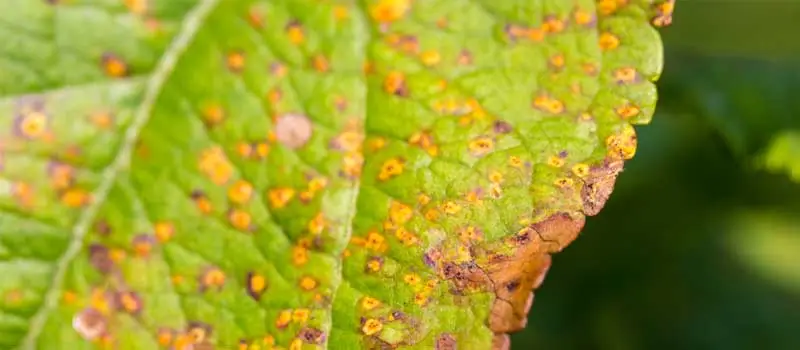
Why Commercial Growers and Distributors Rely on Pyraclostrobin
Over the past two decades, this strobilurin-type fungicide has transformed how we approach crop protection. It works by inhibiting fungal respiration at the cellular level, essentially cutting off the energy supply pathogens need to survive and spread. Unlike older contact fungicides that simply coat the leaf surface, this active ingredient penetrates plant tissue and moves through the leaf layers, providing deeper and longer-lasting protection. For commercial farm owners managing hundreds or thousands of hectares, this translates to fewer applications, reduced labor costs, and more predictable disease control outcomes. Agrochemical distributors appreciate its stability during storage and transport, especially when formulated as suspension concentrates or water-dispersible granules. The active ingredient maintains efficacy across varying environmental conditions, which matters tremendously when serving markets across Southeast Asia, Africa, and Central America, where humidity and temperature fluctuations challenge conventional disease management.
Core Agricultural Applications: Where Pyraclostrobin Delivers Results
Cereal Crop Protection: Wheat, Corn, and Barley
Grain producers face constant pressure from foliar diseases that Boscalid pyraclostrobinecan devastate yields during critical growth stages. Pyraclostrobin provides robust control against Septoria leaf blotch in wheat, gray leaf spot in corn, and net blotch in barley. The application timing typically occurs at flag leaf emergence or early heading stages, when the crop is most vulnerable yet responsive to treatment. This fungicide solves a persistent problem: how to protect the photosynthetic capacity of upper leaves during grain fill without excessive application costs. By maintaining green leaf area longer, it supports better carbohydrate translocation to developing kernels, directly impacting test weight and overall grain quality. Commercial operations in Europe andthe Middle East have documented yield increases of 8-15% in trials where disease pressure was moderate to high.
High-Value Fruit Production: Grapes, Apples, and Stone Fruits
Fruit growers operate under intense quality standards where even minor blemishes reduce marketability. Pyraclostrobin excels in controlling botrytis bunch rot in grapes, apple scab, and brown rot in stone fruits. The translaminar movement means it reaches infection sites on both upper and lower leaf surfaces, even areas the spray didn't directly contact.In vineyard management, applications during bloom and pre-harvest intervals prevent latent infections that would otherwise manifest during storage or transport. This becomes particularly valuable for export-oriented operations shipping to distant markets. The curative activity also provides a safety net when weather conditions favor rapid disease development, allowing growers to regain control even after infection has begun.
Vegetable Crop Disease Management: Tomatoes, Peppers, and Cucurbits
Vegetable producers deal with some of the most aggressive fungal Boscalid pyraclostrobinepathogens, particularly in greenhouse and high-tunnel production systems. This active ingredient effectively manages early blight and late blight in tomatoes, anthracnose in peppers, and downy mildew in cucumbers and melons. The formulation typically used here is Pyraclostrobin 30%SC 25%SC, which offers excellent suspension stability and easy tank-mixing with other crop protection products. What makes this particularly useful for vegetable growers is the relatively short pre-harvest interval combined with low residue profiles. Market access requirements in Europe and other premium markets demand strict residue compliance, and this chemistry meets those standards when applied according to label directions. Vegetable production companies can maintain continuous harvest schedules without extended waiting periods between application and picking.
Technical Advantages That Matter in Real-World Conditions
Understanding the technical properties helps explain why this fungicide consistently outperforms alternatives in challenging environments. The lipophilic nature causes rapid binding to leaf wax layers, achieving rainfastness within one to two hours after application. For operations in tropical regions with unpredictable afternoon storms, this characteristic prevents the frustration and expense of reapplication. The translaminar movement occurs through plant tissue rather than requiring systemic uptake through roots or vascular tissue. This means it works effectively even during periods of water stress when xylem flow slows. The active ingredient redistributes through leaf tissue to unsprayed surfaces, providing coverage that would otherwise require higher spray volumes or more sophisticated application equipment. Quality formulations maintain particle size distributions below five microns, maximizing surface coverage per unit of active ingredient. When agrochemical distributors evaluate suppliers, these technical specifications directly impact field performance and customer satisfaction. Poor formulation quality leads to settling in the spray tank, nozzle clogging, and inconsistent disease control—problems that damage distributor reputations and end-user relationships.
Safety Profile and Environmental Considerations
Modern agriculture balances productivity with environmental stewardship, Pyraclostrobin 30% Sc 25% Sc, and operator safety. Pyraclostrobin exhibits low mammalian toxicity and relatively rapid breakdown in soil and water under normal environmental conditions. This profile supports its registration in markets with stringent environmental regulations while maintaining the efficacy of commercial operations required. The low volatility reduces drift potential and inhalation exposure during mixing and application. Agricultural service providers appreciate this when training application crews and managing workplace safety programs. Public health pest control organizations use strobilurin fungicides in integrated vector management, where human exposure concerns demand products with favorable toxicological profiles.
Making Informed Procurement Decisions
For agrochemical distributors evaluating pyraclostrobin suppliers, several factors determine long-term partnership success. Manufacturing consistency affects shelf life, storage stability, and field performance. Suppliers providing comprehensive regulatory documentation streamline the import and registration process, reducing time to market in new regions. Flexible formulation options—whether suspension concentrates, water-dispersible granules, or combination products—allow distributors to address diverse customer needs with efficient inventory. OEM and private-label capabilities enable brand differentiation in competitive markets. Technical support from the manufacturer helps resolve application questions and optimize use recommendations for local crop and disease challenges. Commercial farm owners benefit from understanding that not all pyraclostrobin products deliver equivalent results. The purity of technical material, the quality of formulation excipients, and manufacturing process control all influence what happens when the product meets real-world field conditions. Partnering with suppliers who transparently communicate product specifications and stand behind performance builds the confidence needed for large-scale procurement commitments.
Conclusion
Pyraclostrobin has earned its position as a cornerstone fungicide across diverse agricultural sectors by consistently solving real disease management challenges. Its broad-spectrum activity, combined with protective and curative properties, addresses the complex needs of modern commercial agriculture. Whether you're managing thousands of hectares of grain production, supplying regional agrochemical markets, or providing crop protection services, understanding the strategic applications of this active ingredient enhances both operational efficiency Pyraclostrobin 30%Sc 25%Sc and profitability. The key lies in partnering with suppliers who deliver reliable product quality, technical expertise, and supply chain stability that match your business requirements.
FAQ
1. What crops benefit most from pyraclostrobin applications?
Cereals like wheat and corn show excellent response, particularly when disease pressure threatens yield during reproductive growth stages. High-value fruit crops, including grapes, apples, and berries, benefit from both disease control and the physiological enhancements that improve fruit quality. Vegetable crops under intensive production systems gain protection against aggressive pathogens that would otherwise require more frequent applications of older chemistries.
2. How does pyraclostrobin differ from older fungicide classes?
Traditional contact fungicides remain on the leaf surface and protect only where spray droplets land. Pyraclostrobin penetrates leaf tissue and redistributes to untreated areas, providing broader protection from each application. The mode of action specifically targets fungal respiration rather than general cellular processes, resulting in effectiveness at lower use rates with reduced non-target impacts.
3. Can pyraclostrobin be tank-mixed with other agricultural inputs?
Most formulations show excellent compatibility with commonly used insecticides, other fungicide classes, foliar fertilizers, and adjuvants. Always conduct a jar test when combining products for the first time, and consult product labels for specific restrictions. Avoid mixing with highly alkaline materials, which can accelerate degradation and reduce efficacy.
4. What application timing delivers optimal disease control?
Preventive applications before disease establishment provide the most cost-effective control. The curative activity allows effective intervention within two to three days after infection begins, offering flexibility when weather conditions change rapidly. For systemic diseases, applying during early infection stages prevents pathogen establishment in plant vascular tissue.
Partner With Hontai for Reliable Pyraclostrobin Supply
As a trusted pyraclostrobin manufacturer, Hebei Hontai Biotech Co., Ltd. delivers consistent quality formulations backed by comprehensive technical support for commercial growers and distributors worldwide. Our production capabilities include multiple formulation types with flexible packaging and customization options that align with your specific market requirements. We understand the challenges of maintaining stable supply chains across Southeast Asia, Africa, and beyond—our logistics network ensures on-time delivery that keeps your operations running smoothly. Reach out to our professional team at admin@hontai-biotech.com to discuss how our agrochemical solutions can strengthen your crop protection portfolio.
References
1. Agricultural Fungicides Market Research Council. (2022). Strobilurin Fungicides: Global Application Patterns and Efficacy Studies. International Agricultural Publishers.
2. Chen, M., & Williams, R. (2021). Resistance Management in Modern Crop Protection: QoI Fungicide Strategies. Journal of Agricultural Science and Technology Press.
3. European Crop Protection Association. (2023). Technical Monograph: Pyraclostrobin Properties and Field Performance Data. Brussels Agricultural Research Institute.
4. Morrison, D.F. (2020). Fungicide Chemistry and Application Technology for Commercial Agriculture. CAB International Publishing.
5. Patel, S.K., & Rodriguez, L. (2022). Disease Control in High-Value Crops: Practical Guide for Agronomists. Tropical Agriculture Communications.
6. World Health Organization Pesticide Evaluation Scheme. (2021). Safety Profiles of Agricultural Fungicides: Technical Review and Environmental Impact Assessment. WHO Publications Geneva.
Our customers’ satisfaction speaks for our quality — contact us to experience the same reliable service.