- English
- French
- German
- Portuguese
- Spanish
- Russian
- Japanese
- Korean
- Arabic
- Greek
- German
- Turkish
- Italian
- Danish
- Romanian
- Indonesian
- Czech
- Afrikaans
- Swedish
- Polish
- Basque
- Catalan
- Esperanto
- Hindi
- Lao
- Albanian
- Amharic
- Armenian
- Azerbaijani
- Belarusian
- Bengali
- Bosnian
- Bulgarian
- Cebuano
- Chichewa
- Corsican
- Croatian
- Dutch
- Estonian
- Filipino
- Finnish
- Frisian
- Galician
- Georgian
- Gujarati
- Haitian
- Hausa
- Hawaiian
- Hebrew
- Hmong
- Hungarian
- Icelandic
- Igbo
- Javanese
- Kannada
- Kazakh
- Khmer
- Kurdish
- Kyrgyz
- Latin
- Latvian
- Lithuanian
- Luxembou..
- Macedonian
- Malagasy
- Malay
- Malayalam
- Maltese
- Maori
- Marathi
- Mongolian
- Burmese
- Nepali
- Norwegian
- Pashto
- Persian
- Punjabi
- Serbian
- Sesotho
- Sinhala
- Slovak
- Slovenian
- Somali
- Samoan
- Scots Gaelic
- Shona
- Sindhi
- Sundanese
- Swahili
- Tajik
- Tamil
- Telugu
- Thai
- Ukrainian
- Urdu
- Uzbek
- Vietnamese
- Welsh
- Xhosa
- Yiddish
- Yoruba
- Zulu
Choosing a Thiocyclam Hydrogen Oxalate Supplier
share:
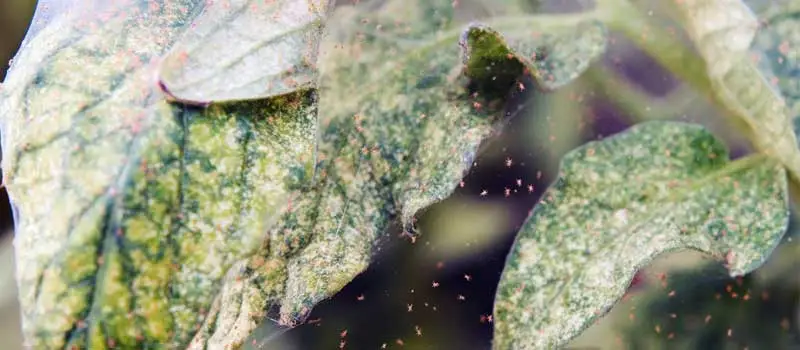
When picking a Thiocyclam Hydrogen Oxalate supplier, you need to carefully look at their production capabilities, quality control methods, and how reliable their service is. This insecticide is similar to nereistoxin and is an important part of integrated pest management systems around the world. It is especially useful for getting rid of pests that are resistant to other chemicals that are used on rice, vegetables, and fruit crops. Agrochemical distributors, large-scale growers, and pest control companies need to find partners who can provide consistent purity levels, full certifications, and quick technical support. This is because purchasing decisions have a direct effect on how well crops are protected, the stability of the supply chain, and profit margins. By learning about China's manufacturing landscape, you can make smart sourcing choices that balance low costs with high quality. China makes most of the world's agrochemicals, exporting about 70% of the technical-grade active ingredients. The country's infrastructure for making pesticides, including its access to raw materials, specialised chemical plants, and well-established shipping routes, gives buyers looking for Thiocyclam Hydrogen Oxalate formulations a competitive edge. However, navigating this market demands knowledge of regulatory compliance, quality verification protocols, and relationship management strategies that distinguish professional manufacturers from unreliable vendors.
Why China Leads in Thiocyclam Hydrogen Oxalate Production
Integrated Chemical Manufacturing Ecosystem
Vertical integration is good for China's agrochemical business, but it's not always the case elsewhere. There are groups of chemical plants in provinces like Hebei, Jiangsu, and Shandong that make intermediates needed to make nereistoxin variants. Because they are close to suppliers of raw materials, production costs are 15–25% lower than at sites that have to import ingredients. When synthesis pathways happen in consolidated geographic zones, manufacturers have better control over quality parameters. Smaller producers had to merge because of new environmental rules that went into effect in 2018, leaving behind facilities that are compliant and have modern equipment and waste treatment systems. These plants have been improved so that they can now make Thiocyclam Hydrogen Oxalate 50% SP and 25% WP formulas that meet the highest standards of purity around the world. Buyers can now get agrochemicals from providers who have invested in continuous production lines. This cuts down on the batch-to-batch differences that used to be a problem when buying these chemicals.
Research Capabilities and Formulation Expertise
Leading Chinese companies have research and development labs with chemists who are experts in making pesticides. These groups come up with custom solutions for different use cases, like making water-dispersible grains for spreading on rice paddies or soluble powders to protect vegetables in greenhouses. Technical knowledge includes testing for stability in tropical environments, studying compatibility with common tank-mix partners, and analysing residue behaviour, which is important for export markets with strict maximum residue limits (MRLs). Innovation happens faster when businesses and universities work together. Research partnerships lead to better products that quickly kill Lepidoptera pests while lowering the risk of phytotoxicity. This scientific basis sets serious producers apart from trading companies that just repackage bulk materials without knowing anything about how they work in the field.
Cost Structure and Scalability Advantages
China's prices are affordable because of things like the cost of labour, the price of energy, and economies of scale. Thiocyclam Hydrogen Oxalate of the technical grade is usually made in batches larger than 50 metric tonnes. This lets producers spread their fixed costs over larger amounts. When buyers order 10 to 20 tonnes, they can get per-kilogram prices that are 20 to 30 percent lower than those from European or North American sources. Scalability is important for wholesalers who want to grow their markets. Companies that make more than 500 tonnes of goods a year can handle rises in volume without affecting delivery times. This dependability is very important during busy farming seasons, when late packages directly mean lost sales chances. Established suppliers keep safety stock levels that make sure there is always a supply, even when the prices of raw materials change, which can hurt smaller Aphid Kill Insecticide Pesticides Thiocyclam Tc makers.
Practical Methods for Identifying Qualified Suppliers
Verify Manufacturing Licenses and Pesticide Registrations
Pesticide Production Licenses, which are given out by provincial agricultural offices, are held by legitimate producers. Ask for copies that show you have permission to use the chemistry formulas and formulations you need. Check registration numbers against records that are open to the public and are kept up to date by China's Ministry of Agriculture and Rural Affairs. This step of verification stops brokers from pretending to be makers. Ask for proof that the agrochemicals are made in accordance with Good Manufacturing Practice (GMP). GMP certification shows that a company follows methods for preventing contamination, systems for tracking batches, and written standard operating procedures. Manufacturers who don't want to share their facility certifications usually don't have the right equipment to make things on a large scale.
Evaluate Technical Documentation Standards
Professional suppliers provide comprehensive technical data sheets (TDS) specifying:
- Molecular formula and structural diagrams confirming chemical identity
- Purity analysis via high-performance liquid chromatography (HPLC)
- Physical properties, including pH range, solubility characteristics, and thermal stability
- Toxicological data covering acute oral/dermal toxicity and environmental impact parameters
- Application guidelines with recommended dosage rates for target pests
Compare documentation quality across potential partners. Vague specifications or missing analytical data indicate insufficient quality control capabilities. Detailed TDS reflecting batch-specific testing demonstrates a manufacturer's commitment to transparency and product consistency.
Conduct Sample Testing and Field Trials
Request samples representing current production batches rather than specially prepared specimens. Submit materials to independent laboratories for purity verification, impurity profiling, and formulation stability assessment. Testing costs represent a minimal investment compared to the risks associated with substandard bulk shipments. Arrange small-scale field trials evaluating insecticidal efficacy against target pests. Compare mortality rates, speed of action, and residual activity against benchmark products. Performance discrepancies during trials signal potential formulation issues requiring resolution before committing to large purchase orders. Reputable manufacturers welcome validation testing as it demonstrates confidence in product quality.
Assess Production Capacity and Supply Chain Stability
Tour manufacturing facilities when feasible, observing equipment maintenance standards, raw material storage practices, and quality testing laboratories. Note whether operations run continuously or intermittently—consistent production schedules indicate stable demand and reliable supply chains. Inquire about raw material sourcing strategies. Manufacturers maintaining relationships with multiple ingredient suppliers demonstrate better risk management than those dependent on a single source. Ask about inventory policies; responsible suppliers stock 30-60 days of key intermediates, buffering against supply disruptions that could delay your orders.
Essential Certifications Buyers Should Verify
ISO Quality Management Standards
ISO 9001 certification demonstrates systematic approaches to quality management covering documentation control, corrective action procedures, and continuous improvement processes. While ISO certification alone doesn't guarantee product quality, its absence raises concerns about organizational discipline. Manufacturers maintaining ISO certification typically implement structured quality systems, reducing defect rates and improving batch consistency.
Environmental and Safety Certifications
ISO 14001 environmental management certification indicates a commitment to minimizing ecological impact through waste reduction, emission controls, and resource efficiency. Given increasing regulatory scrutiny of agrochemical manufacturing, environmental certifications signal proactive compliance rather than reactive responses to enforcement actions. Look for OHSAS 18001 or ISO 45001 certifications addressing occupational health and safety. These standards require hazard identification protocols, emergency response planning, and employee training programs, reducing workplace accident risks. Safety-conscious Aphid Kill Insecticide Pesticides Thiocyclam Tc manufacturers extend protective protocols to product handling recommendations, supporting safe use throughout supply chains.
Product-Specific Regulatory Approvals
Verify that formulations carry appropriate registrations for target markets. Thiocyclam Hydrogen Oxalate products require country-specific approvals before legal sale or distribution. Manufacturers familiar with registration dossier preparation assist buyers in navigating local approval processes, potentially accelerating market entry by months. Request Certificates of Analysis (CoA) for recent production batches. CoAs should reference testing methodologies, acceptance criteria, and actual results. Compare multiple CoAs, checking consistency in purity levels and impurity profiles. Significant variation between batches indicates quality control challenges requiring investigation.
Sourcing Platforms and Channel Selection
Direct Manufacturer Engagement
Contacting manufacturers directly eliminates intermediary markups, potentially reducing costs 10-18%. Direct relationships facilitate customized formulation development, flexible packaging options, and priority production scheduling during high-demand periods. Manufacturers appreciate buyers committing to multi-year agreements, often reciprocating with preferential pricing and dedicated technical support. Build relationships through initial smaller orders, gradually increasing volumes as trust develops. This staged approach allows performance validation before committing working capital to large inventory positions. Direct sourcing suits distributors importing container-load quantities and established agricultural enterprises with predictable seasonal requirements.
Specialized B2B Platforms
Agricultural chemicals platforms connect buyers with suppliers who have already been screened. This cuts down on the time and work needed for the original screening. Reliable platforms check providers' business licenses and manufacturing skills before adding them to their lists. Transaction security services from well-known platforms lower the risk of not being able to pay, which is especially helpful for buyers who are new to doing business internationally. Check out supplier profiles by looking at how long they've been in business, how much they send, and how customers have rated their work. Contact several candidates through platform message systems and compare how well they respond and how willing they are to give you more information. Platforms work best for buyers who want to get bids from several qualified makers on moderate orders (5–15 tonnes).
Trade Shows and Industry Exhibitions
The agricultural chemical shows in Shanghai, Guangzhou, and Shijiazhuang give you the chance to talk to producers in person. Conversations face-to-face show communication skills, technical understanding, and cultural fit in ways that are hard to see when interacting remotely. Exhibitions bring in serious manufacturers who are willing to put a lot of money into customer Thiocyclam Hydrogen Oxalate 50%Sp development. This gets rid of suppliers who aren't as dedicated. Get business cards, product samples, and detailed literature from exhibitors who seem like they could be good. Plan factory trips right after exhibitions while you're in the area to get the most out of your travel budget. As both sides spend time getting to know each other better, trade show connections often turn into long-term partnerships.
Optimizing OEM and ODM Partnerships
Define Customization Requirements Clearly
Successful OEM arrangements begin with precise specifications covering formulation strength, carrier materials, adjuvants, and packaging formats. Provide target application scenarios explaining pest species, crop types, and typical weather conditions during application periods. This context enables manufacturers to recommend optimal formulation adjustments, improving field performance. Discuss labeling requirements early, including language translations, pictogram placement, and regulatory compliance statements. Manufacturers experienced in private-label production maintain relationships with packaging suppliers offering diverse bottle types, box designs, and label printing capabilities. Clarify whether you require spray-dried powders, water-dispersible granules, or suspension concentrates—each formulation type demands different processing equipment.
Intellectual Property Protection
Establish clear agreements regarding formula confidentiality and market Thiocyclam Hydrogen Oxalate 50%Sp exclusivity. Reputable manufacturers sign non-disclosure agreements protecting proprietary formulation details. Discuss geographic exclusivity if you're developing branded products for specific regions, ensuring manufacturers won't supply competitors within protected territories. Address quality control ownership during OEM production. Specify whether you'll conduct independent batch testing, require third-party laboratory verification, or accept the manufacturer's internal QC results. Clear testing protocols prevent disputes when shipments fail to meet specifications.
Prototype Development and Approval Processes
Request pilot batches before full production runs. Test prototypes for physical stability, biological efficacy, and package compatibility. Evaluate whether powders remain free-flowing during storage or form clumps compromising flowability. Assess whether liquid formulations separate or maintain uniform suspensions after extended shelf periods. Establish formal approval procedures requiring written authorization before manufacturing proceeds. Document approved specifications, including color standards, particle size distributions, and acceptable analytical ranges. Written approvals create accountability, ensuring final production batches match validated samples.
Quality Assurance Through Facility Audits
Pre-Shipment Inspection Protocols
Arrange third-party inspection services to examine finished goods before container loading. Inspectors verify product identity through physical testing, confirm packaging integrity, and validate labeling accuracy. Pre-shipment inspections costing $300-800 prevent costly rejections or regulatory holds at destination ports. Request photographic documentation showing production dates, batch numbers, and storage conditions. Visual evidence confirms proper warehousing practices protecting product quality between manufacturing and shipment. Moisture exposure or temperature extremes during storage degrade active ingredients, reducing field efficacy despite passing initial quality tests.
Audit Checklist Components
Structured facility audits evaluate:
- Raw material receiving procedures, including identity verification and quarantine protocols
- Production area cleanliness, equipment calibration records, and cross-contamination prevention measures
- Quality control laboratory capabilities covering instrumentation, method validation, and analyst qualifications
- Warehouse practices addressing temperature control, first-in-first-out inventory rotation, and segregation between technical grades
- Waste management systems handling production residues and packaging materials
Document audit findings with corrective action timelines for identified deficiencies. Re-audit within 6-12 months, verifying the implementation of improvements. Continuous auditing demonstrates a commitment to a quality partnership rather than simple transactional relationships.
Building Long-Term Quality Partnerships
Share field performance data, helping manufacturers understand real-world product behavior. Constructive feedback about application challenges, storage stability issues, or packaging improvements strengthens collaborative relationships. Manufacturers valuing customer input incorporate suggestions into product development roadmaps. Invite supplier representatives visiting your markets, observing distribution operations, and end-user applications. Direct exposure to customer needs fosters shared understanding of quality expectations and service requirements. Joint market visits often spark innovations, improving product suitability or identifying new application opportunities.
Emerging Trends Among Leading Suppliers
Digital Traceability and Blockchain Integration
Progressive manufacturers implement blockchain-based traceability Thiocyclam Hydrogen Oxalate 50%Sp systems recording every production step from raw material receipt through finished product shipment. Digital records accessible via QR codes enable customers to verify batch authenticity, view analytical certificates, and track storage conditions throughout supply chains. This transparency builds confidence, particularly valuable when supplying premium markets demanding provenance documentation.
Sustainable Manufacturing Practices
Environmental awareness is becoming a bigger factor in choosing a source. Leading companies spend money on solvent recovery systems, energy-efficient ways to synthesise chemicals, and integrating green energy sources to lower their carbon footprints. Buyers in markets that put a lot of value on sustainability standards look for partners with similar environmental values. This gives eco-conscious suppliers a competitive edge.
Formulation Innovation and Application Technology
Forward-thinking providers create microencapsulation technologies that increase the residual activity of Thiocyclam Hydrogen Oxalate while lowering the risks of exposure for the applicator. Controlled-release formulations keep effective amounts for longer, which could mean that they don't need to be applied as often or as much of the active ingredient. These innovations deal with regulatory pressures that limit the use of pesticides while keeping the efficiency of crop protection high. Manufacturers who work with companies that make application equipment can improve the properties of formulations for current spray technologies. Ultra-low-volume sprayers, drone application systems, and precise agriculture equipment can all work with the product, which makes it more useful and attracts tech-savvy farming operations.
Conclusion
To find good Thiocyclam Hydrogen Oxalate manufacturers in China, you need to do a thorough analysis of their production skills, quality systems, certifications, and focus on customer service. Moving beyond price comparisons to full evaluations of manufacturing maturity, technical knowledge, and partnership commitment is key to success. When buyers do their research, which includes checking references, auditing the supplier's facilities, and trying samples, they build relationships that guarantee consistent product quality, a reliable supply chain, and quick technical support. As the problem of pest tolerance grows around the world, working with companies that offer new formulations and IPM knowledge can give you a competitive edge that goes beyond just saving money. Spending money on supplier qualification processes pays off in the long run by lowering quality problems, streamlining logistics, and encouraging teamwork in fixing problems.
FAQ
1. What purity levels should buyers specify for Thiocyclam Hydrogen Oxalate?
Standard technical-grade material ranges from 95-98% purity. Formulated products like 50% SP or 25% WP indicate active ingredient concentration after adding carriers and adjuvants. Higher purity technical material supports concentrated formulations, reducing shipping costs and storage space requirements. Specify purity requirements matching your formulation needs and target market registration standards.
2. How do manufacturers ensure batch-to-batch consistency?
Reputable manufacturers implement statistical process controls to monitor critical quality attributes throughout synthesis. Standardized operating procedures, equipment calibration schedules, and validated analytical methods reduce variation. Request historical CoA data spanning multiple production batches. Consistent results across 10-15 batches indicate robust quality systems. Significant variation suggests inadequate process controls requiring investigation.
3. What documentation supports customs clearance for agrochemical imports?
Essential documents include commercial invoices, packing lists, bills of lading, Certificates of Analysis, and Material Safety Data Sheets (MSDS). Many countries require phytosanitary certificates and pesticide registration proofs. Manufacturers experienced in export handling documentation preparation can reduce clearance delays. Verify documentation completeness before shipment, avoiding costly port demurrage charges.
4. Can buyers request custom packaging sizes beyond standard offerings?
Manufacturers accommodate custom packaging for orders exceeding minimum thresholds, typically 5-10 tons. Custom bottle sizes, label designs, and box configurations require tooling investments and setup time. Discuss customization early in negotiations, understanding cost implications and lead time extensions. Standard packaging options reduce costs for smaller orders while custom packaging enhances brand differentiation for established products.
Partner with Hontai for Reliable Thiocyclam Hydrogen Oxalate Supply
Hebei Hontai Biotech Co., Ltd delivers pharmaceutical-grade Thiocyclam Hydrogen Oxalate formulations backed by comprehensive quality certifications and responsive technical support. Our manufacturing facility in Shijiazhuang produces 50% SP and 25% WP formulations meeting international purity standards, with batch-specific analytical certificates confirming consistent quality. Whether you need bulk technical material, custom formulations, or private-label packaging, our experienced team provides flexible solutions matching your specific requirements. We maintain safety stock, ensuring reliable supply during peak seasons, while our logistics network guarantees timely delivery worldwide. Contact our team at admin@hontai-biotech.com to discuss your Thiocyclam Hydrogen Oxalate sourcing needs and request samples demonstrating our product quality standards.
References
1. Chen, W., & Zhang, L. (2023). Agrochemical Manufacturing in China: Quality Systems and Export Compliance. Beijing: Chemical Industry Press.
2. International Pesticide Development Association. (2024). Global Sourcing Guide for Nereistoxin Analogues. Geneva: IPDA Publications.
3. Liu, H., Wang, X., & Zhao, M. (2022). Quality Assurance in Pesticide Production: A Practical Handbook for Buyers. Shanghai: Agricultural Science Publishers.
4. Ministry of Agriculture and Rural Affairs. (2024). Pesticide Registration and Manufacturing Standards in China. Beijing: China Agriculture Press.
5. Rahman, A., & Singh, K. (2023). Supplier Qualification Strategies for Agrochemical Procurement. New Delhi: Crop Protection Institute.
6. Zhou, T., Ma, Y., & Li, Q. (2024). Modern Insecticide Formulation Technologies: Applications and Quality Control. Guangzhou: South China Agricultural University Press.
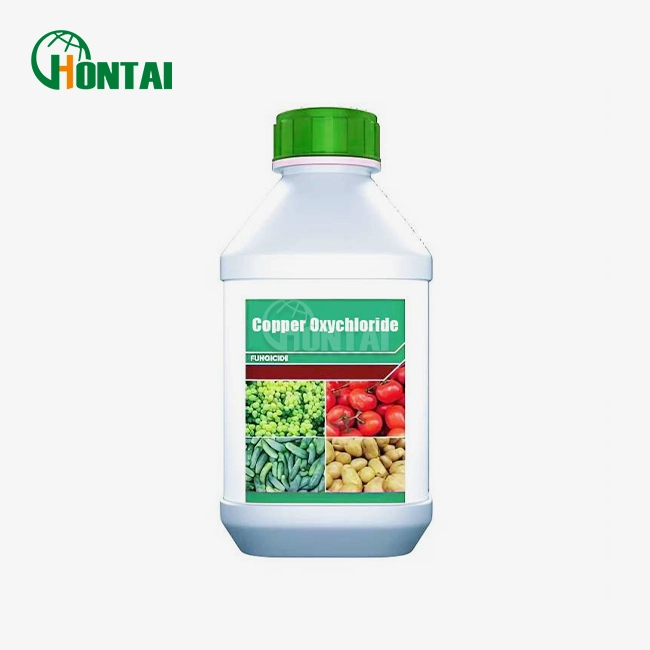
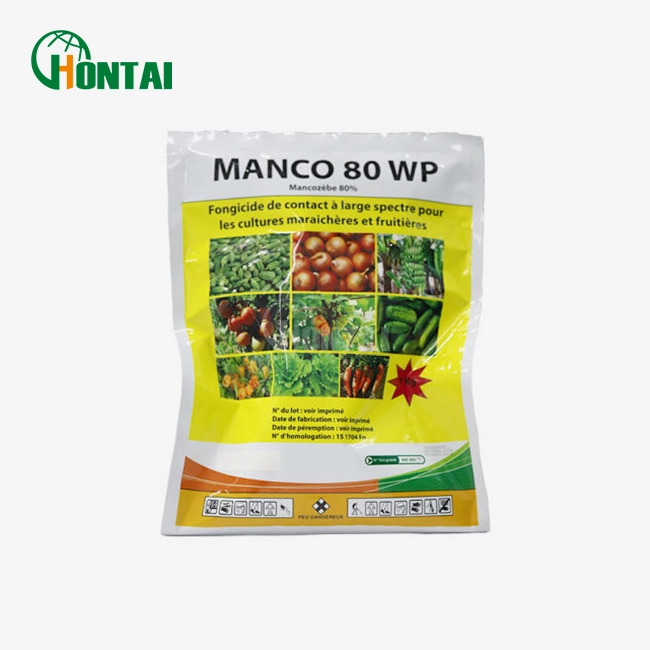
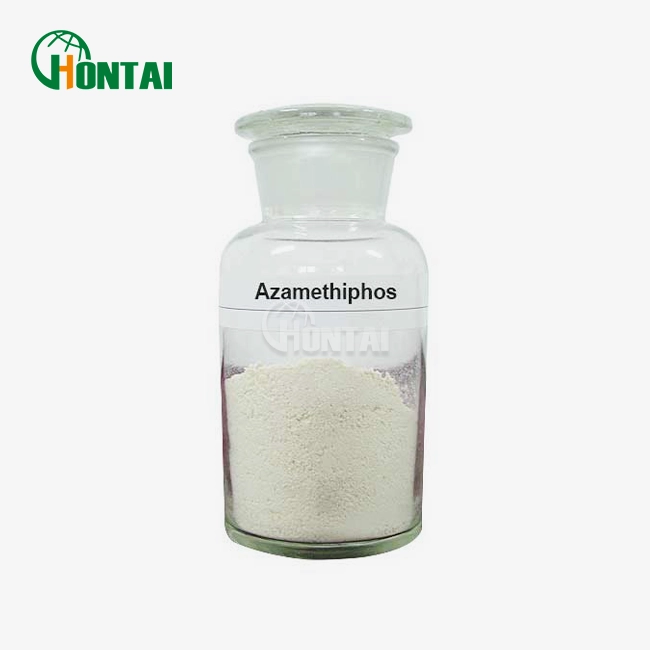
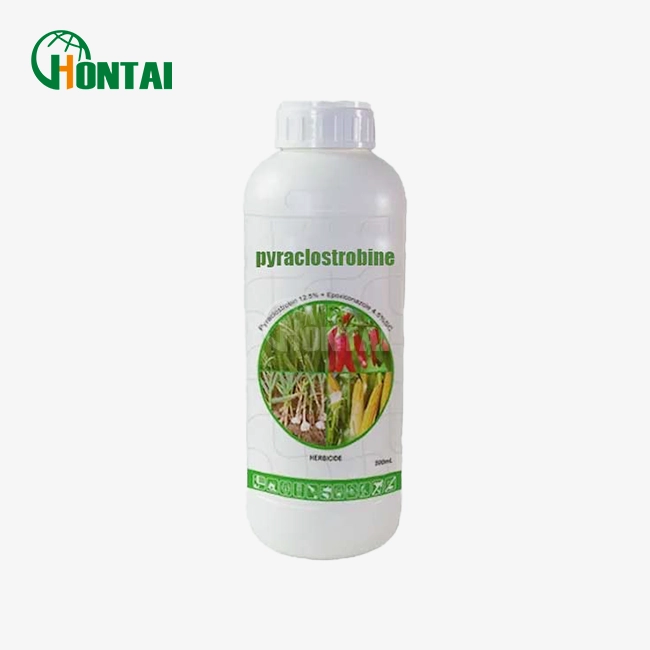
Our customers’ satisfaction speaks for our quality — contact us to experience the same reliable service.