- English
- French
- German
- Portuguese
- Spanish
- Russian
- Japanese
- Korean
- Arabic
- Greek
- German
- Turkish
- Italian
- Danish
- Romanian
- Indonesian
- Czech
- Afrikaans
- Swedish
- Polish
- Basque
- Catalan
- Esperanto
- Hindi
- Lao
- Albanian
- Amharic
- Armenian
- Azerbaijani
- Belarusian
- Bengali
- Bosnian
- Bulgarian
- Cebuano
- Chichewa
- Corsican
- Croatian
- Dutch
- Estonian
- Filipino
- Finnish
- Frisian
- Galician
- Georgian
- Gujarati
- Haitian
- Hausa
- Hawaiian
- Hebrew
- Hmong
- Hungarian
- Icelandic
- Igbo
- Javanese
- Kannada
- Kazakh
- Khmer
- Kurdish
- Kyrgyz
- Latin
- Latvian
- Lithuanian
- Luxembou..
- Macedonian
- Malagasy
- Malay
- Malayalam
- Maltese
- Maori
- Marathi
- Mongolian
- Burmese
- Nepali
- Norwegian
- Pashto
- Persian
- Punjabi
- Serbian
- Sesotho
- Sinhala
- Slovak
- Slovenian
- Somali
- Samoan
- Scots Gaelic
- Shona
- Sindhi
- Sundanese
- Swahili
- Tajik
- Tamil
- Telugu
- Thai
- Ukrainian
- Urdu
- Uzbek
- Vietnamese
- Welsh
- Xhosa
- Yiddish
- Yoruba
- Zulu
Does metaldehyde kill snails?
share:
Metaldehyde does kill snails and slugs by making them severely dehydrated, causing them to secrete a lot of slime after they eat it. This molluscicide has been an important part of industrial agriculture for decades to keep gastropods under control. It works by poisoning the stomach of the pest after it eats treated bait. When used properly as granules or pellets around crops that are easily damaged, metaldehyde works quickly and reliably to get rid of pests that are causing poor yields in veggies, fruits, and decorative plants. Because it has worked so well in the past, big businesses that need reliable and cost-effective mollusk control can't do without it.

Understanding Metaldehyde and Its Mode of Action
Chemical Structure and Classification
The chemical formula for metaldehyde is C8H16O4, and it is a cyclic tetramer of acetaldehyde. This crystalline white substance is a specialty molluscicide that kills mollusk bugs. Unlike broad-spectrum poisons, it only kills slugs and snails, which are very bad for farming because they eat seeds, leafy plants, and food crops. Chemically, metaldehyde's tetramer structure keeps it stable during storage and formation. However, it depolymerizes in acidic or high-temperature conditions, which is why it must be stored properly in cool, dry places. Formulators can make rain-resistant baits that still work after light rain thanks to the extremely low water solubility (about 0.2 g/L at 20°C) and molecular weight of 176.21 g/mol. This physical property directly affects how well it works in the field, keeping deadly concentrations for longer than options that dissolve in water.
How Metaldehyde Affects Snails and Slugs
Knowing how metaldehyde affects the body makes it clear why it is still the best choice for controlling pests in businesses. As soon as a snail eats bait that has been treated, the substance starts to mess up its neuromuscular balance. The snail secretes too much slime, which makes it very thirsty and eventually paralyzes it. Death usually happens within hours, but the effects can be seen within 30 to 60 minutes. These effects include more slime being made and shaky movements. Metaldehyde doesn't work on touch like contact poisons do, so slugs have to eat a lot of bait to get a fatal amount. Beneficial insects and earthworms rarely eat the pellets, so this stomach-action method lowers the risks of non-target exposure compared to contact poisons. Studies in grain and flower crops show that when sprayed at the suggested levels, death rates are typically higher than 85%. This is especially Metaldehyde 99% TC true in the evening or early morning, when gastropod activity is highest.
Metaldehyde vs. Alternative Molluscicides: Making the Right Choice
Comparing Modes of Action and Efficacy
A lot of the time, procurement teams compare metaldehyde to other options, such as molluskicides made from iron phosphate. Each choice has its own set of operating characteristics. Iron phosphate traps are less harmful to mammals, but they work more slowly—it takes several days for them to kill all the animals that eat them. Metaldehyde kills pests more quickly, which is very important when quick control is needed to avoid damage to crops during sensitive growth stages. Nematodes and diatomaceous earth are two natural ways to get rid of pests that are liked by organic farms, but they require more work and have to be used more than once. Metaldehyde's action lasts for several weeks, so field interventions happen less often. This saves money on labour costs and fuel for machines. For big agribusinesses that take care of hundreds of fields, this efficiency is very important because time-to-effect has a direct effect on profits. When looking at cost per area handled and speed of action, metaldehyde frequently beats out biologicals that work more slowly, especially when there are a lot of pests around.
Environmental Footprint and Regulatory Considerations
Environmental responsibility is becoming more and more important in purchasing decisions. Metaldehyde does cause problems. Even though it doesn't dissolve completely in water, it does leak into streams, especially after it rains a lot. To protect aquatic environments, regulatory bodies in some places have put limits on or phased out certain products. Before agreeing to bulk sales, it's important to understand these area differences. Iron phosphate options are less harmful to marine life and are becoming more popular in places that care about the environment. But they need to be carefully made to stay tasty, and their effectiveness can decrease in very wet conditions. Metaldehyde formulations from reputable makers include rainfastness technology, which makes sure that pellets keep their shape and appeal for at least 48 hours after they are applied. Because it is more resilient, it doesn't need to be applied again after bad weather, which lowers the environmental load from repeated field passes. Careful product selection is needed to find the right balance between effectiveness, environmental impact, and legal harmony. Distributors and farm managers should ask providers for third-party testing data and environmental fate studies so they can make smart decisions that meet both efficiency goals and sustainability requirements.
Practical Applications and Best Practices for Using Metaldehyde
Application Techniques and Optimal Timing
Understanding how pests act is the first step to effective deployment. Slugs and snails eat at night and come out from their hiding places at dusk or when it's cloudy and humid. Using metaldehyde pellets in the late afternoon or early evening is the best time to get them on pests that are busy. When bait is applied from the ground, it should be spread out evenly around plant bases, along crop rows, or around the edges of fields where mollusks enter. Depending on the type of crop and the number of pests, the usual rate of treatment is between 5 and 12 kilograms per acre. Spot treatments near chairs and watering lines stop infestations before they get worse in greenhouses. Pests can hide in leaf litter under fruit trees and berry plants, so orchard managers put pellets there instead. Instead of blanket covering, strategic placing saves money and protects the environment more. Using calibrated Metaldehyde 99% TC spreaders makes sure that the product is spread evenly, so there are no places where it goes to waste or holes where pests can live. How the crop grows also affects when to do things. Early post-emergence or pre-planting treatments help protect plants when they are most at risk. Re-treating every 14 to 21 days during the busiest times for mollusks keeps them from growing during important growth gaps. Keeping an eye on weather reports helps you plan applications before it rains, so you can use the rainfast qualities of current formulations and avoid washout.
Addressing Safety Misconceptions and Mitigation Strategies
Concerns about pet safety and effects on people who aren't the goal are real and can be handled with the right procedures. Animals that are curious are kept away from good recipes that contain bittering agents. Physical barriers, like putting pellets under safe mulches or inside crop rows, also keep animals from accidentally coming into contact with them. Putting up clear signs during and after applications lets farm workers and guests know when they can't get in. Keeping useless goods in locked, well-ventilated spaces away from water and feed sources keeps them from getting contaminated. If you think your pet may have eaten metaldehyde, you should take them to the vet right away because metaldehyde poisoning in dogs and cats causes twitches, seizures, and high body temperature. Giving vets the product label and SDS speeds up the process of evaluation and treatment. To protect the environment, safety zones should be set up near bodies of water, and applications should not happen before heavy rain is expected. Integrated bug Management (IPM) methods use metaldehyde along with cultural practices like lowering crop residue and better drainage to lower bug numbers and the need for chemical controls.
Procurement Insights for Metaldehyde Products
Sourcing Reliable Suppliers and Evaluating Product Quality
Picking the right provider affects both the success of operations and compliance with rules. Metaldehyde is available from reputable companies like Hontai in a variety of purity grades, such as 99% TC and is made into pellets with active ingredient amounts of 5%, 6%, 10%, and 12%. This gives customers the freedom to meet a wide range of application requirements. When looking at suppliers, make sure to check their manufacturing licenses, quality control methods, and ability to provide full legal paperwork. At scale, product uniformity is very important. Changes in pellet size, moisture content, or the spread of active ingredients make the product less effective in the field and make application adjustment more difficult. Suppliers whose factories are ISO-certified and who do strict batch testing get consistent results season after season. By asking for certificates of analysis (COA) for every shipment, you can be sure that the product meets the requirements before it is sent out. Prices change based on the size of the order, the difficulty of the recipe, and the type of packing chosen. Long-term contracts are often the best way for bulk buyers to get good terms. These contracts lock in supply and price security before growing seasons. Different operating scales can be accommodated by flexible packing, which includes 25 kg drums and bulk boxes. This lowers the cost of handling for large agricultural businesses, and metaldehyde 5% insecticide snail pellets provide handy sizes for regional wholesalers.
Logistics, Storage, and Regulatory Compliance
Shipping, clearing borders, and managing shelf life are some of the things that need to be thought about when there are global supply lines. Metaldehyde formulas that are kept in cool, dry places will still work for up to two years, but older stock should have quality checks done on a regular basis. Temperatures above 50°C can cause depolymerization and product breakdown, so products should not be exposed to them while they are being stored. Regulations on importing and exporting need paperwork like phytosanitary certificates, SDS, and proof of registration for places where the goods will be sold. Suppliers with a lot of experience offer full export support, including advice on harmonized tariff codes and following international shipping rules for pesticides (UN 3077 for environmental dangers). Working with sellers who understand these issues makes buying things easier and keeps you from having to pay a lot of money for delays or refusal of shipments. Suppliers that offer OEM and private marking services help distributors add more products to their lines. Customizable logos and packaging help you stand out in the market while keeping the quality of the product high. Reliable transportation networks make sure that deliveries happen on time, which is very important for farm buyers who have to work with tight yearly plans because late inputs can damage planting windows and yield potential.
Conclusion
For controlling gastropods in a wide range of farming and horticultural areas, metaldehyde has been shown to work and is a cost-effective option. Commercial growers and pest control workers face major problems with pest management that can be solved by this product's quick action, wide range of uses, and high effectiveness in a variety of field situations. Careful attention is needed for environmental concerns and safety rules, but current formulations and best practices successfully lower risks. Purchasing teams looking for dependable, effective molluskicides should give top priority to providers who offer stable quality, full regulatory support, and quick expert service. Using metaldehyde in well-thought-out IPM plans improves crop safety, which is good for both production and making money in today's global markets.
FAQ
1. How quickly does metaldehyde kill snails after application?
Within 30 to 60 minutes of eating it, snails start making too much slime and become less mobile, which are clear signs of the poison. In most cases, death happens within a few hours, but in some people it may take up to 24 hours, based on the dose they took and their surroundings.
2. What should I do if a pet accidentally ingests metaldehyde pellets?
Get medical attention right away. Dogs and cats can have twitches, seizures, high body temperatures, and a lot of drooling. Bring the product label and SDS with you to help with the evaluation. Early action greatly improves results, so acting quickly is very important.
3. Are there eco-friendly alternatives with comparable effectiveness?
Molluscicides that are based on iron phosphate are less harmful to mammals and water, so they can be used in organic farming and sensitive areas. But they don't work as quickly as metaldehyde, and you may need to use more of them or treat more often to get the same amount of control, especially when there are a lot of pests.
Partner with Hontai for Reliable Metaldehyde Solutions
Getting good items from reputable makers is the first step to good gastropod control. Hontai, a company based in Hebei, China, offers metaldehyde mixtures that range from 99% TC to ready-to-use 5%, 6%, 10%, and 12% pellets. These mixtures are designed to work consistently in industrial agriculture. Our production follows strict quality standards, which means that every batch meets the standards for cleanliness and effectiveness that your operations need.
Hontai not only makes great products, but they also offer quick global logistics, helpful technical support, and all the necessary legal paperwork to make buying easier for wholesalers and large-scale growers. Our skilled team works together to make sure that the solutions we offer meet the needs of your market, whether you need big sales, custom packaging, or OEM services. Email us at admin@hontai-biotech.com to talk about your molluscicide needs with a source with a lot of experience who wants to help your farming success around the world.
References
1. Agricultural Pest Management Guidelines for Molluscicides in Vegetable and Fruit Crops, University of California Statewide Integrated Pest Management Program, 2019.
2. Barker, G.M., Molluscs as Crop Pests, CABI Publishing, 2002.
3. Environmental Fate and Effects of Metaldehyde: A Review, Journal of Environmental Science and Health, Part B, 2018.
4. Technical Guidelines for the Safe Use of Pesticides in Commercial Agriculture, Food and Agriculture Organization of the United Nations, 2020.
5. Comparative Efficacy of Molluscicides in Field Crop Protection, Crop Protection Journal, 2021.
6. Regulatory Considerations for Metaldehyde Use in North American Agriculture, Environmental Protection Agency Pesticide Fact Sheet, 2017.
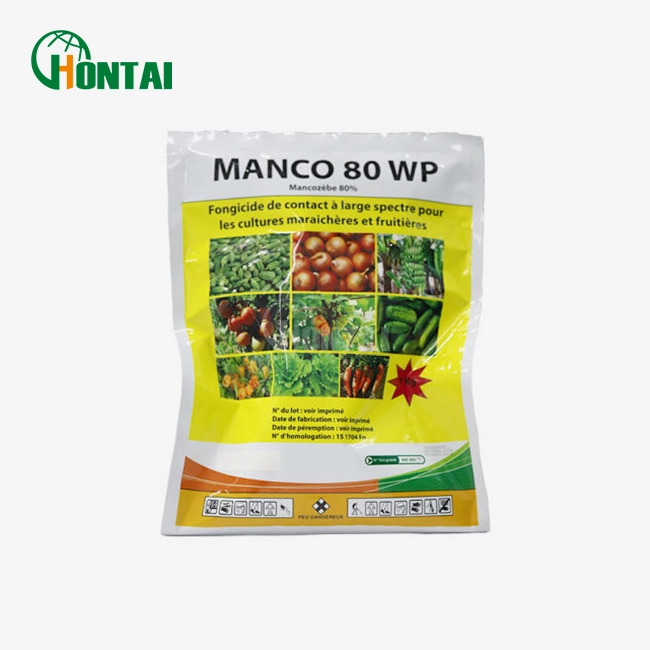
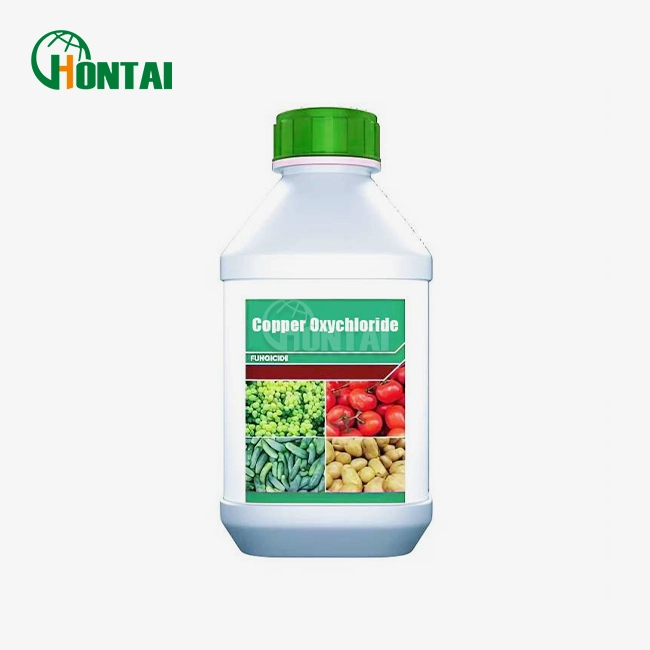

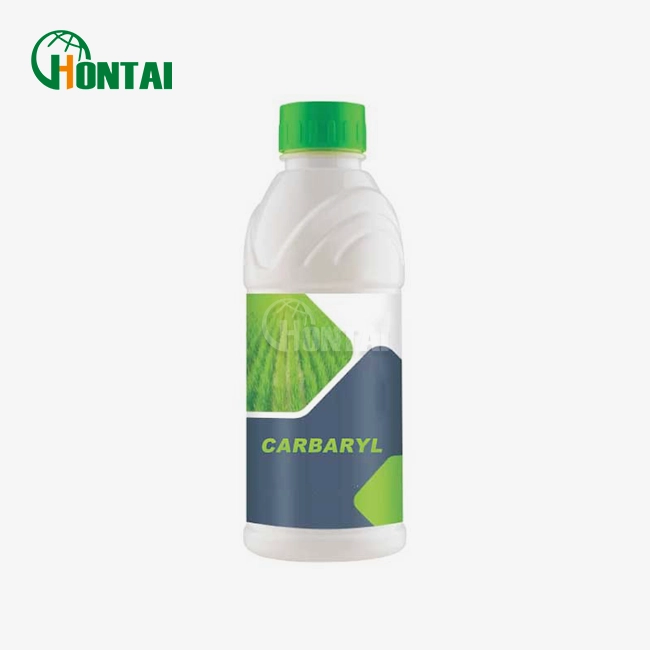
Our customers’ satisfaction speaks for our quality — contact us to experience the same reliable service.