- English
- French
- German
- Portuguese
- Spanish
- Russian
- Japanese
- Korean
- Arabic
- Greek
- German
- Turkish
- Italian
- Danish
- Romanian
- Indonesian
- Czech
- Afrikaans
- Swedish
- Polish
- Basque
- Catalan
- Esperanto
- Hindi
- Lao
- Albanian
- Amharic
- Armenian
- Azerbaijani
- Belarusian
- Bengali
- Bosnian
- Bulgarian
- Cebuano
- Chichewa
- Corsican
- Croatian
- Dutch
- Estonian
- Filipino
- Finnish
- Frisian
- Galician
- Georgian
- Gujarati
- Haitian
- Hausa
- Hawaiian
- Hebrew
- Hmong
- Hungarian
- Icelandic
- Igbo
- Javanese
- Kannada
- Kazakh
- Khmer
- Kurdish
- Kyrgyz
- Latin
- Latvian
- Lithuanian
- Luxembou..
- Macedonian
- Malagasy
- Malay
- Malayalam
- Maltese
- Maori
- Marathi
- Mongolian
- Burmese
- Nepali
- Norwegian
- Pashto
- Persian
- Punjabi
- Serbian
- Sesotho
- Sinhala
- Slovak
- Slovenian
- Somali
- Samoan
- Scots Gaelic
- Shona
- Sindhi
- Sundanese
- Swahili
- Tajik
- Tamil
- Telugu
- Thai
- Ukrainian
- Urdu
- Uzbek
- Vietnamese
- Welsh
- Xhosa
- Yiddish
- Yoruba
- Zulu
How does carbaryl work?
share:
Understanding the exact way insecticides work is very important for large-scale farming businesses that deal with a lot of pests. The regular breakdown of acetylcholine at nerve connections in target insects is disrupted by Carbaryl Powder, a reversible acetylcholinesterase inhibitor. This interference causes nerves to fire nonstop, which paralyses and kills eating and sucking pests quickly. Carbaryl can be used as a foliar spray or dust on more than 120 different kinds of plants. It has both contact and stomach action, which makes it an essential tool for industrial growers who need to control resistance and find reliable knockdown effectiveness in tough field conditions.
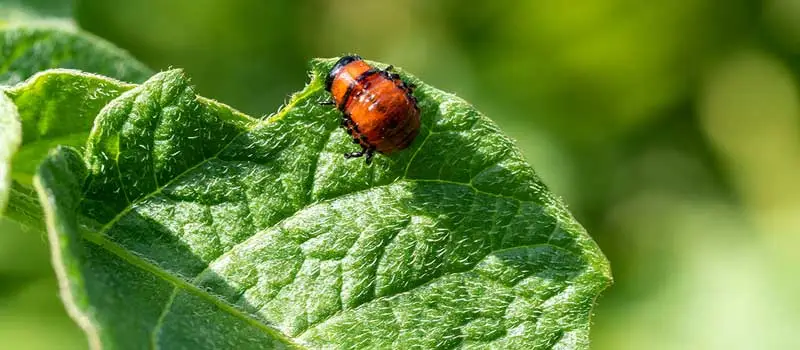
Understanding Carbaryl Powder: Mechanism and Uses
The molecular way it works is by stopping enzymes from working at the cellular level. By breaking down the neurotransmitter acetylcholine, acetylcholinesterase usually stops nerve signals. When carbaryl links to this enzyme, it stops breaking down things. This lets acetylcholine build up, and nerve impulses happen without control. In contrast to organophosphates, the binding can be undone, which changes both the length of time it works and how harmful it is to organisms that are not its target.
Chemical Composition and Active Ingredient
Carbaryl Powder is a white solid powder that doesn't dissolve easily in water. Its chemical name is 1-naphthyl methylcarbamate, and its molecular formula is C₁₂H₁₁NO₂. There are technical concentrates (95% TC), wettable powders (85% WP and 25% WP), and grainy forms (5% GR) that are made. These different types make it possible to use them in a variety of ways, such as high-volume spray programs in trees and precise granular solutions on turf. Our line of products from Hebei meets high standards for purity, which ensures that the concentration of active ingredients stays the same, which is important for resistance control methods.
Broad-Spectrum Pest Control Applications
Carbaryl is good at killing Lepidoptera larvae like the codling moth, Carbaryl Powder, and armyworm, Coleoptera species like Japanese beetles and weevils, and different Hemiptera pests like aphids and leafhoppers. Rates of application vary from 0.25 kg to 2 kg of active ingredient per acre, based on the type of crop, the number of pests that are present, and the stage of growth. In addition to killing insects, carbaryl is used as a chemical thinning agent in apple farms to get rid of extra fruitlets 7–21 days after blooming. This helps the fruit grow bigger and saves money on work. This two-in-one feature solves two operating problems with a single input, which helps big fruit growers save money. The chemical also gets rid of earthworms in grass management and kills animal ectoparasites in cattle operations. Professional pest control companies use it to get rid of sub-surface grubs and surface eaters on golf courses and in city parks, where the way things look has a direct effect on how much money they make. To get rid of red mites and lice, poultry farms use wettable powder suspensions. They do this by taking advantage of leftover activity in house structures where regular sprays can't get into cracks well.
Comparing Carbaryl Powder with Other Pesticides: Making the Right Choice
To choose a product, you have to weigh a number of performance factors against practical limitations. When it comes to carbamate chemicals, Carbaryl Powder is in a class by itself, with benefits in some situations and drawbacks in others.
Efficacy Against Liquid Formulations
When compared to emulsifiable concentrates, powder versions offer concentrated active ingredients that stay stable for longer on the shelf. Wettable powders get rid of the phytotoxicity risks that come with some oil-based solutions. This is especially important for sensitive plants like ornamentals and cucurbits when the weather is hot. But liquid formulas usually dry faster in the rain and need less mixing when they're being used. Commercial applicators who are in charge of a lot of land like that they can switch between mixtures based on the weather and their equipment's capabilities.
Alternative Chemistries: Malathion, Neem Oil, and Permethrin
An organophosphate called malathion has a wider range of residual activities, but it is getting more and more attention from regulators because it stays in the environment longer and can block cholinesterase. Neem oil products are liked by organic farms, but they work more slowly and need to be applied more often, which costs more in labour. Permethrin and other pyrethroids work very well at killing pests at first, but they make it faster for populations with target-site changes to become resistant. Because it can link to enzymes in two different ways, carbaryl is useful in integrated resistance management cycles, especially when pyrethroid resistance threatens regular control programs.
Procurement Insights: Buying Carbaryl Powder for Your Business
When you do strategic buying, you have to find a balance between quality control, following the rules, and the total landing cost. Agribusiness and distribution channel procurement managers can do their jobs better if they know how to evaluate suppliers based on more than just unit price.
Identifying Reputable Wholesale Suppliers
A supplier's reputation is based on how consistently they make things, how well they follow regulations, and how well they can help with technical issues. Certifications like ISO 9001 and GMP compliance show that quality Carbaryl Powder control is done in a planned way, and EINECS registration (200-555-0 for carbaryl) shows that the company is legal in key markets. The factory that Hontai uses in Hebei province follows strict batch testing procedures and keeps records of each production run with detailed quality certificates. Our global service network offers native technical support that helps with application problems that are unique to each region's climate and pest problems.
Understanding Pricing Structures and Volume Discounts
Carbaryl Powder's price is based on the cost of the raw materials, the difficulty of the mixture, and the requirements for packing. Technical concentration costs a lot, but it gives private-label buyers a lot of options for how to make it. Pre-made wettable powders and granules already have the costs of processing and packing built in, which is helpful for wholesalers who work with smaller grower operations. For better prices, volume limits usually start at 1000 kg, and containerload numbers give you the most profit potential. Spot prices are affected by changes in seasonal demand, which makes forward contracts appealing for wholesalers who need to plan their supplies for the whole growing season.
Environmental and Safety Impact: Mitigating Risks in Pest Control
Responsible use practices strike a balance between protecting the environment and making sure operations run smoothly. Understanding how things break down in the environment and how toxic they are helps develop methods for lowering risks that are necessary for healthy farming.
Impact on Non-Target Species and Ecosystems
Carbaryl Powder is very harmful to beekeepers and some useful arthropods, so it needs to be applied when pollinators are not foraging. Invertebrates that live in water are sensitive to pollution from waste, so there needs to be buffer zones near bodies of water. Birds and animals are less acutely harmful because their bodies have ways to get rid of toxins, but the effects that aren't fatal should still be watched. Integrated pest control plans use selected application methods like banded treatments instead of broad sprays to get rid of pests in areas where they are most likely to be found. This helps protect beneficial populations.
Worker Safety and Protective Measures
Dermatological contact is the main risk of the job during mixing and application tasks. Wearing safety gear like chemical-resistant gloves, long sleeves, and eye protection keeps touch to a minimum. When handling advanced concentrates, closed transfer systems cut down on exposure during tank filling. Re-entry intervals protect field workers from lingering touch. The length of the intervals depends on the type of crop and the formulation. A safety culture at work in business situations is built on training programs that stress the right way to handle things and what to do in an emergency.
Why Choose Hontai's Trusted Carbaryl Powder Supply
Finding the right provider relationship is more than just finding products that are available. It also involves finding one that is reliable, has technical knowledge, and provides excellent service. Hontai provides all-around value through operational skills that have been built up since the company's start in 2021.
We can make high-purity Carbaryl Powder formulas that meet strict international Carbaryl Powder quality standards. These formulations contain 95% TC, 85% WP, 25% WP, and 5% GR. Each batch goes through several stages of testing to make sure it has the right amount of active ingredient, particles of different sizes, and can be stored without breaking down. This makes sure that it works the same way in all kinds of circumstances. Our large inventory stocks allow us to complete orders quickly, even during regular demand spikes that put a strain on rival supply chains.
Our factory in Hebei is connected to the world's biggest farming markets by fast global transport networks. Having established connections with foreign freight forwarders speeds up the clearance of customs and transportation within the country, lowering the total arrival time. Real-time shipment tracking gives wholesalers a clear view of the supply chain, which helps them confidently handle inventory and keep customer promises. Our adaptable packaging choices can hold both large orders of technical concentrate for formulators and ready-to-use wettable powder configurations for regional wholesalers who work with a wide range of grower groups.
Our business plan is different because we offer professional technical help. Agronomists and application experts give advice based on the specifics of the area on when to spray for pests, how to handle resistance, and the lifecycle of pests. We work with companies to create farmer education programs that teach people how to use products correctly so that they work better and cause less damage to the environment. Our R&D skills are used to create unique products for OEM partners that meet specific market needs or legal requirements through customised formulation development.
Conclusion
As a reversible acetylcholinesterase inhibitor, Carbaryl Powder effectively gets rid of pests in a wide range of crops and can also be used for specific tasks like thinning fruits and controlling ectoparasites. Its biochemical action makes it reliable at killing chewing and sucking insects that are resistant to other chemicals. This makes it useful in cycles for integrated pest control. For deployment to go smoothly, you need to know about the different formulations, when to use them, and the safety rules that are in place to combine operating effectiveness with environmental responsibility. When making purchases, companies should give more weight to suppliers who can consistently show high quality, follow rules, and offer expert help that is needed to deal with tough farming problems in competitive markets.
FAQ
1. Is carbaryl safe for all crop types?
Carbaryl Powder has been approved for use on more than 120 different types of crops, such as grains, veggies, tree fruits, nuts, cotton, and nuts. The safety of a crop relies on its makeup, the rate at which it is applied, and its stage of growth. Some decorative plants are sensitive to wettable powder mixes, so they need to be tested first. Always check the product label and regional legal guidelines to make sure you know the right way to use and apply your particular commodity.
2. How quickly does carbaryl control target pests?
Visible killing usually happens 24 to 48 hours after application, and death continues for another 72 hours as leftover contact exposure builds up. The rate of action depends on the type of bug, its stage of life, and the external factors that affect how well the spray covers and penetrates the cuticle. Cooler temperatures may make knockdown last longer, while high humidity can speed up uptake by making the skin more permeable.
3. What environmental precautions should be observed?
Keep buffer zones around watery areas so that runoff doesn't pollute them and hurt sensitive invertebrate species. Usually, applications are made early in the morning or late at night to avoid times when pollinators are out looking for food. To keep non-target contact to a minimum, follow the label's instructions for maximum application rates and yearly use limits. The right way to calibrate equipment and cut down on drift protects nearby sensitive areas and groups of helpful insects.
Partner with Hontai: Your Reliable Carbaryl Powder Supplier
Agricultural businesses need reliable supply lines, regular product quality, and technical advice from experts. Hontai is your best choice for long-term Carbaryl Powder suppliers because we mix high-quality production with quick response times to customer needs. Our wide range of formulations, from 95% technical concentrate to application-ready wettable powders, can meet a wide range of business needs, whether you're making private-label products or sending finished goods to farmer networks in your area.
Email our purchasing agents at admin@hontai-biotech.com to talk about large order options that fit your holiday needs. We offer full regulatory paperwork packages that include MSDS, COA, and phytosanitary certificates to make sure that import compliance goes smoothly. Our dedication to quick global shipping and clear quality control processes gives your business the dependability it needs in the tough farming markets. Find out how the professional, skilled team at Hontai and their worldwide agriculture service can help you with pest control.
References
1. Ware, G.W., and Whitacre, D.M. (2004). The Pesticide Book: Carbamate Insecticides. Meister Media Worldwide, Willoughby, Ohio.
2. Ecobichon, D.J. (2001). Carbamate Insecticides. In Handbook of Pesticide Toxicology (Vol. 2), edited by R.I. Krieger, Academic Press, San Diego.
3. Gupta, R.C. (2006). Toxicology of Organophosphate and Carbamate Compounds. Elsevier Academic Press, Burlington, Massachusetts.
4. Baron, R.L. (1991). Carbaryl. In Handbook of Pesticide Toxicology (Vol. 3), edited by W.J. Hayes and E.R. Laws, Academic Press, San Diego.
5. Metcalf, R.L., and Luckmann, W.H. (1994). Introduction to Insect Pest Management (Third Edition). John Wiley and Sons, New York.
6. Tomlin, C.D.S. (2009). The Pesticide Manual: A World Compendium (Fifteenth Edition). British Crop Protection Council, Alton, Hampshire, UK.
Our customers’ satisfaction speaks for our quality — contact us to experience the same reliable service.