- English
- French
- German
- Portuguese
- Spanish
- Russian
- Japanese
- Korean
- Arabic
- Greek
- German
- Turkish
- Italian
- Danish
- Romanian
- Indonesian
- Czech
- Afrikaans
- Swedish
- Polish
- Basque
- Catalan
- Esperanto
- Hindi
- Lao
- Albanian
- Amharic
- Armenian
- Azerbaijani
- Belarusian
- Bengali
- Bosnian
- Bulgarian
- Cebuano
- Chichewa
- Corsican
- Croatian
- Dutch
- Estonian
- Filipino
- Finnish
- Frisian
- Galician
- Georgian
- Gujarati
- Haitian
- Hausa
- Hawaiian
- Hebrew
- Hmong
- Hungarian
- Icelandic
- Igbo
- Javanese
- Kannada
- Kazakh
- Khmer
- Kurdish
- Kyrgyz
- Latin
- Latvian
- Lithuanian
- Luxembou..
- Macedonian
- Malagasy
- Malay
- Malayalam
- Maltese
- Maori
- Marathi
- Mongolian
- Burmese
- Nepali
- Norwegian
- Pashto
- Persian
- Punjabi
- Serbian
- Sesotho
- Sinhala
- Slovak
- Slovenian
- Somali
- Samoan
- Scots Gaelic
- Shona
- Sindhi
- Sundanese
- Swahili
- Tajik
- Tamil
- Telugu
- Thai
- Ukrainian
- Urdu
- Uzbek
- Vietnamese
- Welsh
- Xhosa
- Yiddish
- Yoruba
- Zulu
How to Use Clofentezine Safely for Effective Mite Control
share:
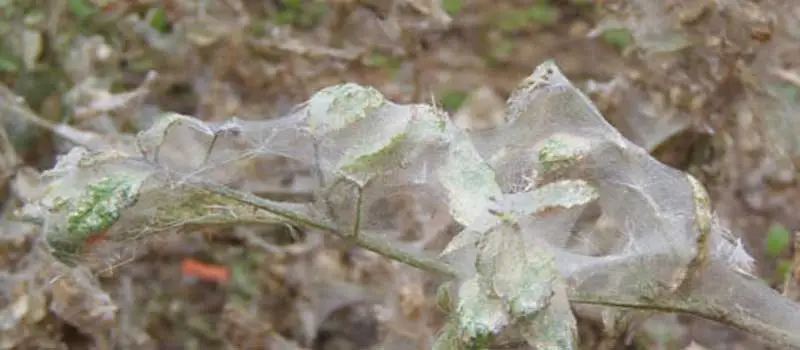
To get rid of mites in industrial areas, you need to be careful, accurate, and use methods that have been shown to work. Because it is so good at killing both eggs and larvae, Clofentezine is a unique acaricide that gives long-lasting protection. This tetrazine substance stops mites from breeding by stopping the growth of eggs and early larvae. Most broad-spectrum insecticides kill adult mites when they touch them. If you use it the right way, it will keep the pests away for 60 to 90 days, which will save you money on work and sprays. This method works well with Integrated Pest Management (IPM) plans as well. Farmers and agrochemical suppliers can get the most out of their money if they know the right amount to use, when to use it, how to keep people safe, and how to handle pushback.
Understanding Clofentezine and Its Role in Mite Control
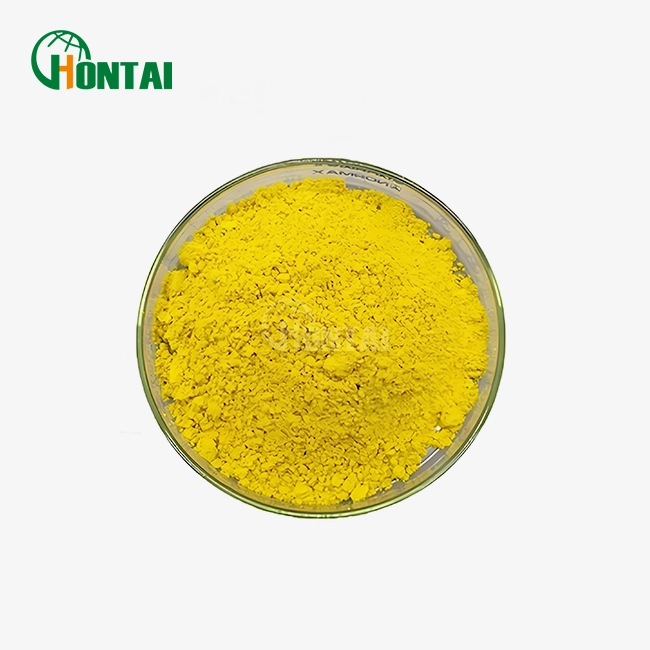
Clofentezine (CAS No. 74115-24-5) is a tetrazine-family drug that is mostly used to kill touch acaricides. Its formula is C14H8Cl2N4, and it comes in forms that are very pure, such as 97% Technical Concentrate (TC), 50% Wettable Powder (WP), and 50% Suspension Concentrate (SC). For gardening, these shapes work well in many places. Mites that eat plants, like the Panonychus and Tetranychus species, are targeted by the drug. These mites often damage fruit trees, ornamentals, cotton, peas, and other important crops.
Mode of Action and Pest Spectrum
The best thing about this acaricide is that it kills insects that lay eggs. It gets into mite eggs and stops the embryos from growing properly. There are no eggs to hatch, and population processes are stopped before they get out of hand. Late-stage nymphs are also killed, but adult mites that can move around aren't affected as much. It's in IRAC Group 10A (Mite Growth Inhibitors) because it only works on mites. This is different from traditional organophosphates and pyrethroids, which damage the nervous systems of adults. During outbreaks with a lot of adults, you need to mix your tank with adulticides that work quickly, like Abamectin or Fenpyroximate, since they don't kill them right away. Clofentezine kills any eggs or larvae that are still living, making sure that the problem is fully under control. This method gets rid of any infestations that are already there.
Integration into IPM Programs
Using this acaricide in integrated pest management (IPM) plans helps with three important things: lowering tolerance, protecting longer, and working well with good bugs. Because of the way it works, it breaks resistance cycles that have built up against older drugs. This makes it a good partner for rotation. It doesn't have to be used as often because it has a long life left. This saves money and is better for the earth. Good predators, mites, and pollinators aren't hurt too badly by the chemical. This helps keep the number of natural enemies high and stops secondary pest outbreaks. It is needed for long-term crop protection plans, Acaricide Clofentezine 97% Tc, that work and are good for the environment because it is specific.
Safe and Effective Application Methods for Clofentezine
For the best mite control, you need to use the right amount of product for the type of food, its growth stage, and the number of mites that are present. If the wrong time or amount is used, it can make the medicine less effective, cause resistance to form faster, and cost more.
Dosage Recommendations and Timing
How much to use depends on the blend and the plant being grown. Most of the time, 300 to 500 milliliters per hectare of the 50% SC mixture is mixed with enough water to cover the whole area. You should always use the right thing at the right time. It saves the most money to treat overwintering eggs or first-generation larvae early in the season. This is because they stop populations from growing too quickly later in the season. Keep an eye on the number of mites while scouting to figure out the best times to spray. It works best when used when the number of eggs has reached a certain level for economic reasons, but before a lot of them hatch. Allow the spray to dry for at least four to six hours before it rains to make sure it sticks on the leaves and doesn't wash off. This will protect bees.
Spray Techniques and Equipment
Contact acaricides need to cover the whole area evenly. Set the spray gun so that it makes fine drops (150 to 250 microns) that stick to the undersides of leaves, which is where mites and their eggs tend to gather. Don't change the trip speed or spray pressure (2 to 3 bar). This will keep the spread and flow even. For row crops like cotton, boom sprayers work best. Air-blast sprayers, on the other hand, work best for grapevines and parks with lots of thick trees. What makes a combination steady is the pH of the water in the tank. Between 5.0 and 7.0 is the best pH range. You should add a buffering agent right before mixing if the pH of the water is more than 8.5. This will stop alkaline hydrolysis, which breaks down the active ingredients. Once you put fungicides or other poisons into a tank, you should always do jar tests to make sure they work well together and keep the mixture from splitting or flocculating.
Addressing Safety, Toxicity, and Environmental Impact
Clofentezine is not as dangerous to animals as earlier organophosphates, but it is still important to know how safe it is and how it may harm the environment so that it can be used correctly and with less risk.
Toxicity Profile and Exposure Precautions
This acaricide is not very dangerous to people when used correctly because it is a low-toxicity chemical. The LD50 numbers for oral and dermal use show that it is safe and does not usually irritate the skin. But you should always wear PPE and follow the advice on the label to avoid long-term or repeated exposure. Wildlife that lives in water needs to be careful around bodies of water because it can be dangerous for them. You can use buffer zones and drift control methods to keep water from running into streams, ponds, or farming lines. It doesn't bother natural enemy groups as much because the substance only hurts helpful arthropods. People who use it should still keep an eye out for any effects that happen by accident on sensitive species that Acaricide Clofentezine 97%Tc aren't targets.
Regulatory Compliance and Residue Limits
There are strict rules about how much cleaned food can be left over in export markets. MRLs are different for each crop and target country, so it's important to know when you can take back the nutrients in your crop before it's harvested. Most crops have to wait between 14 and 28 days before they can be picked, but this varies by type of crop and amount of mixing. In regulatory forms, you should include product certificates, safety data sheets (SDS), and effectiveness studies that show the product meets local registration standards. Distributors and importers need to make sure that the approvals that providers give them meet the needs of the market they want to reach. This makes sure that clearing customs goes quickly and lowers the chance that the package will be turned down.
Comparative Analysis: Clofentezine Versus Other Miticides
You should consider miticides based on how well they work, how well they work with products, how much they cost, and the chance that the miticides will become resistant. Clofentezine is specifically evaluated alongside alternatives to ensure maximum efficacy.
Efficacy and Pest Spectrum
While Abamectin quickly kills adult mites by damaging their nerves, Clofentezine kills oviparous mites as a protective step. Abamectin works faster on new illnesses, but its effects only last for 7 to 14 days. Also, because it is used so often, there is a higher chance that the bacteria will become resistant to it. Clofentezine and Hexythiazox are both ovicidal, but they also show cross-resistance patterns. This means that moving between the two chemicals is not a good way to deal with resistance. Acaricides that block metabolic electron transport, such as Fenpyroximate, are very good at killing adults. However, they don't kill eggs, so they need to be used in stages or mixed together in the tank to get rid of all stages of the lifecycle. It's important to change ideas often so that they work for a long time because each chemistry class has its own skills.
Cost-Effectiveness and ROI
Clofentezine costs vary based on where you live, the ingredient, and the size of your order. Large companies can save money by buying 97% TC in bulk for custom mixing. Smaller businesses that want to keep things simple can save money by buying 50% SC that is already mixed and ready to use. A big part of the business is how well doses are used. Because the leftover life is longer, only two or three doses are needed each season instead of four to six like with short-residual miticides. This saves a lot of money on fuel, tools, and work. It's possible to get a return on investment in more than one way. Stopping early-season mite population increases protects fruit quality and crop potential, lowering the amount of money lost due to scarring, leaf loss, and bad produce. Horticultural oils or plant extracts are sometimes good organic alternatives to Clofentezine, but they need to be used more often, and the effects aren't always the same when used on a big scale.
Procurement Guide: Buying Clofentezine for Your Business
The supply chain stays stable as long as high-quality acaricides are bought from reliable sources. The product will always work well and meet all the rules. Buying Clofentezine requires careful consideration of supplier capabilities.
Supplier Evaluation Criteria
Manufacturers and dealers with a good image should show that they meet certain requirements, such as ISO standards, Good Manufacturing Practice (GMP) guidelines, and product registration in the places where they want to sell. It is recommended to have a third-party lab check the blend to make sure it is safe and that the active ingredient is pure. There are customer reviews and case studies that show how the method has worked well with similar crops and in similar places. A reliable insecticide partner is Hebei Hontai Biotech Co., Ltd., which was established in May 2021 and has its main office in Shijiazhuang. Pesticides, fungicides, herbicides, and plant growth enhancers are what the company does best. They let you make changes, like adding your own labels, choosing a different type of bottle, or using a different recipe. Their knowledgeable sales staff and full after-sales service can quickly fix a lot of farming issues. They also do business in the United States and are expanding their reach in other countries.
Purchasing Options and Pricing Structures
People who buy a lot of something often get discounts, especially when they need 97% TC for more processing. By making long-term deals with suppliers, you can lock in good prices and be sure that stocks will stay stable even when demand is high. Make sure you know who is paying for what by asking for specific prices that include terms like FOB, CIF, or DDP. This way, you won't be surprised by any transportation costs. There are a lot of different ways to pack your products, such as 200-liter drums for large wholesalers, smaller bottles for store outlets, and custom formats for OEM partnerships. If you talk about minimum order quantities (MOQ) right away, you can avoid confusion and make sure that the amount of goods you buy fits your store and cash flow needs.
Conclusion
That being said, to get rid of mites, it's important to know how to use Clofentezine correctly in IPM systems, understand its special ovicidal qualities, and follow safety and environmental best practices. The long-lasting effects, ability to kill only helpful insects, and ability to work with a wide range of crops are all good for large-scale farms and agrochemical dealers. If you use the right amount at the right time and switch between chemicals, you can keep resistance from building up and get the most out of your money. For foreign operations to run smoothly, you need to work with reliable providers to make sure that standards are met, rules are followed, and processes run smoothly.
FAQ
1. How long does Clofentezine take to kill mites?
Adult mites are not immediately killed by this compound. It mostly stops eggs from hatching and early juvenile development. Because of this, the population drops slowly over days or weeks as eggs that have already been laid don't have time to grow. To get rid of adult populations quickly, tank-mix with adulticides that work quickly, such as Abamectin.
2. Can Clofentezine be used on all plant types?
This bug killer can be used on cotton, peas, fruit trees, flowers, and different types of vegetables. Different countries have different rules about what can be used, so check the label to see what the state is and how to use it on specific crops in your area before you use it.
3. How can you tell if someone can't take Clofentzine?
Fewer eggs dying and more larvae living mean there is resistance, even when the right amounts and times are used. There are other IRAC groups that you can try if the first one doesn't work. Hexythiazox and Etoxazole both have patterns of cross-resistance that are the same, so don't use them.
Partner with Hontai for Reliable Acaricide Solutions
How well crops are protected and how smoothly activities run depend on which Clofentezine provider you choose. Hebei Hontai Biotech Co., Ltd. follows strict rules for production so that the quality of its products stays stable. What you need is a mix of 97% TC, 50% WP, and 50% SC, which they can make. They can stick to tight farming schedules without any issues because fast global logistics make sure deliveries happen on time. As long as you need help after the sale, we have a professional, skilled team ready to answer your technical questions and make changes to fit your needs. Legal paperwork help, export certifications, and a variety of flexible packaging options are all part of our global farming service. These options can be used for private-label partnerships or bulk distribution. Whether you are in charge of large farms or work with agrochemical markets in your area, our tried-and-true benefits can help you get rid of mites quickly. Send Hontai an email at admin@hontai-biotech.com right now to talk about your buying needs with a dependable Clofentezine maker who wants you to succeed.
References
1. Van Leeuwen, T., Vontas, J., Tsagkarakou, A., Dermauw, W., & Tirry, L. (2010). Acaricide resistance mechanisms in the two-spotted spider mite Tetranychus urticae and other important Acari: A review. Insect Biochemistry and Molecular Biology, 40(8), 563-572.
2. Dekeyser, M. A. (2005). Acaricide mode of action. Pest Management Science, 61(2), 103-110.
3. Cranham, J. E., & Helle, W. (1985). Pesticide resistance in Tetranychidae. In Spider Mites: Their Biology, Natural Enemies and Control (Vol. 1B, pp. 405-421). Elsevier.
4. Campos, F., Krupa, D. A., & Dybas, R. A. (1996). Susceptibility of populations of twospotted spider mites (Acari: Tetranychidae) from Florida, Holland, and the Canary Islands to abamectin and characterization of abamectin resistance. Journal of Economic Entomology, 89(3), 594-601.
5. Stumpf, N., & Nauen, R. (2002). Biochemical markers linked to abamectin resistance in Tetranychus urticae (Acari: Tetranychidae). Pesticide Biochemistry and Physiology, 72(2), 111-121.
6. IRAC Mode of Action Classification Scheme. (2022). Insecticide Resistance Action Committee: Guidelines for sustainable acaricide use in crop protection. IRAC International.
Our customers’ satisfaction speaks for our quality — contact us to experience the same reliable service.