- English
- French
- German
- Portuguese
- Spanish
- Russian
- Japanese
- Korean
- Arabic
- Greek
- German
- Turkish
- Italian
- Danish
- Romanian
- Indonesian
- Czech
- Afrikaans
- Swedish
- Polish
- Basque
- Catalan
- Esperanto
- Hindi
- Lao
- Albanian
- Amharic
- Armenian
- Azerbaijani
- Belarusian
- Bengali
- Bosnian
- Bulgarian
- Cebuano
- Chichewa
- Corsican
- Croatian
- Dutch
- Estonian
- Filipino
- Finnish
- Frisian
- Galician
- Georgian
- Gujarati
- Haitian
- Hausa
- Hawaiian
- Hebrew
- Hmong
- Hungarian
- Icelandic
- Igbo
- Javanese
- Kannada
- Kazakh
- Khmer
- Kurdish
- Kyrgyz
- Latin
- Latvian
- Lithuanian
- Luxembou..
- Macedonian
- Malagasy
- Malay
- Malayalam
- Maltese
- Maori
- Marathi
- Mongolian
- Burmese
- Nepali
- Norwegian
- Pashto
- Persian
- Punjabi
- Serbian
- Sesotho
- Sinhala
- Slovak
- Slovenian
- Somali
- Samoan
- Scots Gaelic
- Shona
- Sindhi
- Sundanese
- Swahili
- Tajik
- Tamil
- Telugu
- Thai
- Ukrainian
- Urdu
- Uzbek
- Vietnamese
- Welsh
- Xhosa
- Yiddish
- Yoruba
- Zulu
Can pyriproxyfen help with bed bugs?
share:
Bed bugs are still one of the worst pests in cities around the world. They make a lot of money for pest control companies, hotel chains, Pyriproxyfen, and property owners. Bed bugs are prevented from growing properly by the insect growth regulator (IGR) Pyriproxyfen. There's a new way to get rid of them. Bugs are becoming more resistant to traditional neurotoxin insecticides, which means they don't work as well on them. Pyriproxyfen, on the other hand, functions by imitating the hormones that bed bugs naturally produce to prevent their young from reaching sexual maturity. It works really well on groups that are no longer affected by pyrethroids and organophosphates because of this. In integrated pest management plans, Pyriproxyfen is used with mechanical controls and tracking systems to kill bed bugs. Its effects last for a long time and help break the cycle of breeding that lets bed bug populations stay and grow quickly in treated areas.
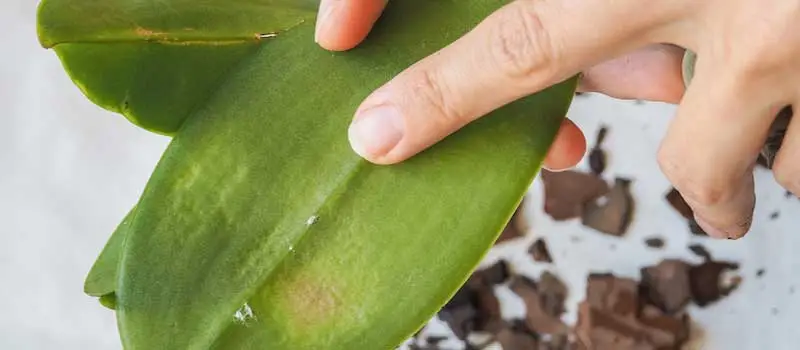
Understanding Pyriproxyfen and Its Role in Bed Bug Control
What Is Pyriproxyfen and How Does It Work?
The benzyl ether class of drugs includes Pyriproxyfen, which functions like a juvenile hormone for bed bugs. The active chemical (molecular formula C20H19NO3) stops hormones that control how insects grow from signaling each other as they normally do. Bed bug nymphs get the chemical on their skin when they touch things that have been treated. They can't finish molting and become adults who can reproduce because of this touch. Because of the chemical, the bugs are frozen before they can grow fully. This drops the number of bugs over time, rather than killing them right away like most touch poisons do. This method fixes a big problem with getting rid of bed bugs: they hide in cracks and only come out to eat, making it hard for regular sprays to reach them. Because Pyriproxyfen works for a long time, nymphs will still be exposed to it over time, even if pest control workers can't spray every harbor directly. The chemical has strong translaminar effects, which means it can get into bed bug-hiding places like mattress seams, edges, and furniture joints.
Regulatory Status and Safety Profile
There has been a lot of research done on Pyriproxyfen's safety and impact on the world. The material is not very bad for animals in the short term, and the World Health Organization says that it is very good. If you follow the directions on the bottle, it doesn't pose much of a threat to other species because it only kills arthropods. In the US, the Environmental Protection Agency (EPA) has made it clear how Pyriproxyfen can be used at home and at work. Pyriproxyfen works best in places where people are likely to get sick, like hospitals, schools, Larvicide Pyriproxyfen 10%Ew and group housing. The material is quickly broken down by light and microbes in the environment, so there is no need to worry about long-term waste. People who mix and use the product still need to follow the right steps, like wearing safety gear while they do it, but because it is low risk, it is likely to be widely used in integrated pest control systems.
Evaluating Pyriproxyfen Effectiveness Against Bed Bugs
Scientific Evidence Supporting Bed Bug Control
A number of studies looked at by experts have shown that Pyriproxyfen can lower the number of bed bugs in both the lab and the field. Scientists have discovered that the substance makes it impossible for nymphs that have been handled to molt properly. This means that they die during the change between growth stages. Transovarial effect: Adult females lay eggs that are less likely to hatch when they are exposed to amounts that are not enough to kill them. This is an extra way to keep populations in check that drugs alone can't do. When used with careful checks and changes to the bugs' environment, Pyriproxyfen cuts down on bed bug numbers by 70–90% over six to eight weeks in tests done in homes. They have to teach their clients about realistic deadlines because they take longer to work. When nymphs touch treated objects and try to molt, IGRs like Pyriproxyfen work slowly. This is different from contact insecticides, which kill quickly. This part, where you teach people, is very important for keeping up with customer standards and keeping people from deciding quickly to go back.
Comparison with Other Insect Growth Regulators
Several things make Pyriproxyfen better than other insect growth regulators (IGRs) for bed bugs. Methoprene is another juvenile hormone analog. Pyriproxyfen is more photostable than methoprene, which means it keeps working on surfaces that have been touched and are in the light. If you want to cover furniture or borders, this feature comes in handy. Without it, natural and artificial light could damage less stable materials. These medicines, like diflubenzuron and others that stop the production of chitin, work slowly and in different parts of the body. Pyriproxyfen is helpful because it can stop the growth of both nymphs and eggs. Synergists like piperonyl butoxide also work well with the substance. This means that it can be mixed with pyrethroid insecticides to make products that kill fast and keep the population low for a long time. The price and the type of pushback that is typical in the target market should be taken into account when making a buy decision.
Application Methods and Dosage Guidelines for Optimal Results
Recommended Application Techniques
To get the most out of Pyriproxyfen, it needs to be used carefully, paying attention to where bed bugs hide and how they move. Crack fillers get the stuff into places you can't see it, like under bed frames, along floorboards, in furniture joints, and around electrical outlets. Fan spray styles work well for bigger areas like the sides of mattresses, box springs, and the backs of furniture that have covers. Sprayers shouldn't try to cover every surface; instead, they should focus on areas where bed bugs are likely to walk. It is very important to time the treatment correctly because Pyriproxyfen works slowly. Applications should be sent out when tracking devices or eye checks show that bed bugs are in the area. When bed bugs are most active as nymphs, when there are a lot of young bugs trying to move, is the best time to kill them. Pros in pest control often mix Pyriproxyfen with other products that work well together. For example, they might use a contact herbicide to get rid of adults right away and Pyriproxyfen to get rid of nymphs and keep the population low for a long time.
Dosage Rates and Coverage Standards
The Pyriproxyfen mixes from Hontai need to be watered down according to the directions on the box. The 10% EW mix loses about 0.05% to 0.1% of its active ingredient when it is used to fill in cracks and holes. Based on Larvicide Pyriproxyfen 10% EW, how bad the bug problem is, each room will need between 1 and 2 liters of watered spray. You might need to use stronger goods if the infection is bad or if you want the results to last longer. Lower rates are good for preventative treatments in units next to sick ones that aren't infected or for maintenance that is done after the fact. Coverage requirements are different for each place being cleaned, which is a harbor. Extra care needs to be taken with bed frames, headboards, and close-by furniture because that's where bed bugs are most likely to be. Baseboards and floor-to-wall joints are used as paths between places to hide and eat, so they should be taken care of first. Write down how often they apply, where they want to go, and what the conditions are like around them. This will help with quality control and keep records in case a customer or the law asks for them.
Procurement Insights: Sourcing Pyriproxyfen for B2B Clients
Supplier Selection Criteria
Pest control companies and wholesalers that need to buy Pyriproxyfen should look for companies that have strong quality control systems and a history of following the rules. As part of its quality control system, Hebei Hontai Biotech Co., Ltd. makes sure that the quality of all of its production runs is the same. The business is in Shijiazhuang, which is in the province of Hebei. It is in a major area for making agrochemicals, and the supply lines and technical infrastructure are well-developed to support stable output capacity. Possible suppliers should have manufacturing licenses checked by procurement teams. They should also be asked for batch analysis reports, and safety data sheets should be provided in the languages that are needed. Lots of different label styles, box sizes, and lower order minimums show that a company can meet a lot of different customer needs. Hontai's professional sales team is available for technical support and quick communication. This gets rid of the common issue of slow replies, which can make it hard to keep track of supplies and keep promises to customers.
Understanding Formulation Economics
Pyriproxyfen costs vary based on the product type, the amount of the active ingredient, the size of the order, and the needs of the package. Sometimes the 10% EW version costs more than regular EC versions because it uses better emulsion technology that makes it safer and easier to work with. When you buy in bulk, you save money, and for wholesalers who sell a lot of goods in area markets, container-load deals offer the best unit prices. It costs more than just the purchase price to own something. There are shipping costs, storing costs, rules to follow, and possible returns or claims. Pyriproxyfen liquid forms need to be kept in a safe place out of direct sunlight and places with very high or very low temperatures. However, the drug stays safe on the shelf as long as it is kept in the right way. To decide how much to replace, wholesalers should figure out how fast their stock sells and compare the costs of keeping that stock to the chances of getting a better price for buying in bulk.
Future Outlook: Pyriproxyfen's Role in Sustainable Bed Bug Management
Integration with Emerging Technologies
The pest management industry is going toward more precise, data-driven ways of treatment that use less Pyriproxyfen and still work. Pyriproxyfen works well with these combination systems because it can be used with tracking technologies that find places where there are a lot of pests that need a certain kind of treatment. Professionals in pest control can use smart traps with digital feedback features to carefully use Pyriproxyfen. Instead of treating the whole building at once, they can treat places where pests are known to be active. When mixed with other active ingredients that work well together, products that use Pyriproxyfen can kill bed bugs at any stage of their lives. Adult bed bugs that are adults will die right away, and they won't come back for a long time. They also kill eggs and nymphs. Because Pyriproxyfen is generally safe, the move toward cleaner alternatives makes sense. As rules get tighter and more people want safer ways to get rid of pests, this makes it a good choice.
Sustainability and Environmental Considerations
Goods that don't hurt the environment are more popular in bug control as caring for the environment becomes more important. Because it degrades quickly in soil and water, Pyriproxyfen doesn't last as long in the environment as other pesticides. As the label says, the substance only affects arthropods. This means that when used as recommended in places where bed bugs live, it has less of an effect on good bugs. More and more, methods for getting rid of pests are being added to environmental reporting systems as part of efforts to make businesses more sustainable in the hotel and property management sectors. Pyriproxyfen, a low-risk active ingredient, supports these efforts by demonstrating a commitment to environmentally friendly bug control without sacrificing effectiveness. Buyers should remember that environmental goals and realistic needs should be in line with each other when they build relationships with suppliers and product lines.
Conclusion
Because it successfully lowers the number of bugs by limiting their growth, Pyriproxyfen is a crucial component of comprehensive bed bug management plans. The material is safe, has been shown to kill tough bed bugs, and can be used with integrated pest management methods. This makes it a must-have for wholesalers who sell to pest control companies. When something is supposed to work, it needs to be used properly, customers need to be told about realistic treatment times, and it needs to be mixed with other control methods that work well with it. Pyriproxyfen is becoming more important for long-term bed bug control as government rules get tighter and customers want lower-risk options. Because of this, it is an important part of pest control plans that look to the future.
FAQ
1. What makes pyriproxyfen effective against bed bugs?
By imitating juvenile hormones, Pyriproxyfen stops bed bug nymphs from finishing their molting process and turning into sexually developed adults. This method is different from most neurotoxic insecticides, so it can kill populations of bugs that are no longer hurt by pyrethroids. It also affects the ovaries, which means that adult females that have been exposed to it lay eggs that are less likely to hatch. This lowers the number of both males and females at the same time.
2. How long does pyriproxyfen remain active after application?
When used inside, the residual effect lasts for eight to twelve weeks. The exact length of time depends on the type of surface, the weather, and how much is applied. It stays on surfaces with pores longer than on smooth surfaces that don't have pores, like mattress covers and stairs. This works for a long time, so the nymphs don't grow. This keeps them from doing so until new bed bugs hatch from eggs a few weeks after the first treatment.
3. Can pyriproxyfen be used alone for bed bug control?
Over time, Pyriproxyfen works well to get rid of bed bugs, but most people who work with pests find that it works best when used with other methods. You can kill adults right away and keep nymphs under control for a long time when you mix Pyriproxyfen with contact pesticides. Adding non-chemical methods like vacuuming, heat treatment, and monitoring tools makes the program work better overall and reduces the need for options that only use chemicals.
Partner with Hontai for Reliable Pyriproxyfen Supply
If a wholesaler or pest control company needs to find a Pyriproxyfen manufacturer, they can trust Hebei Hontai Biotech Co., Ltd. Our many versions, such as 10% EW, 5% EW, and 10% EC, can be used in a lot of different situations, from sensitive settings to tough infections. Your customers will always be able to get the goods they need when they need them, thanks to fast global logistics. Also, our professional and skilled team can help bed bug control programs work by giving them advice. Labels and packages that are made just for you help you place your business and meet the needs of your market. Send us an email at admin@hontai-biotech.com to talk about how to get Pyriproxyfen and learn more about how our global farming service can help you with more than just crops.
References
1. Potter, M.F., Haynes, K.F., Connelly, K., Deutsch, M., Hardebeck, E., Partin, D., & Harrison, R. (2010). "The Sensitivity Spectrum: Human Reactions to Bed Bug Bites." American Entomologist, 56(4), 248-253.
2. Nasirian, H. (2016). "Infestation of Bed Bugs (Hemiptera: Cimicidae): A Systematic Review." Journal of Medical Entomology, 53(1), 1-16.
3. Dang, K., Doggett, S.L., Veera Singham, G., & Lee, C.Y. (2017). "Insecticide Resistance and Resistance Mechanisms in Bed Bugs, Cimex spp. (Hemiptera: Cimicidae)." Parasites & Vectors, 10(1), 318.
4. Romero, A., Potter, M.F., & Haynes, K.F. (2009). "Evaluation of Chlorfenapyr for Control of the Bed Bug, Cimex lectularius L." Pest Management Science, 65(10), 1083-1090.
5. Pinto, L.J., Cooper, R., & Kraft, S.K. (2007). Bed Bug Handbook: The Complete Guide to Bed Bugs and Their Control. Mechanicsville, MD: Pinto & Associates.
6. Anderson, J.F., Ferrandino, F.J., McKnight, S., Nolen, J., & Miller, J. (2009). "A Carbon Dioxide, Heat and Chemical Lure Trap for the Bed Bug, Cimex lectularius." Medical and Veterinary Entomology, 23(2), 99-105.
Our customers’ satisfaction speaks for our quality — contact us to experience the same reliable service.