- English
- French
- German
- Portuguese
- Spanish
- Russian
- Japanese
- Korean
- Arabic
- Greek
- German
- Turkish
- Italian
- Danish
- Romanian
- Indonesian
- Czech
- Afrikaans
- Swedish
- Polish
- Basque
- Catalan
- Esperanto
- Hindi
- Lao
- Albanian
- Amharic
- Armenian
- Azerbaijani
- Belarusian
- Bengali
- Bosnian
- Bulgarian
- Cebuano
- Chichewa
- Corsican
- Croatian
- Dutch
- Estonian
- Filipino
- Finnish
- Frisian
- Galician
- Georgian
- Gujarati
- Haitian
- Hausa
- Hawaiian
- Hebrew
- Hmong
- Hungarian
- Icelandic
- Igbo
- Javanese
- Kannada
- Kazakh
- Khmer
- Kurdish
- Kyrgyz
- Latin
- Latvian
- Lithuanian
- Luxembou..
- Macedonian
- Malagasy
- Malay
- Malayalam
- Maltese
- Maori
- Marathi
- Mongolian
- Burmese
- Nepali
- Norwegian
- Pashto
- Persian
- Punjabi
- Serbian
- Sesotho
- Sinhala
- Slovak
- Slovenian
- Somali
- Samoan
- Scots Gaelic
- Shona
- Sindhi
- Sundanese
- Swahili
- Tajik
- Tamil
- Telugu
- Thai
- Ukrainian
- Urdu
- Uzbek
- Vietnamese
- Welsh
- Xhosa
- Yiddish
- Yoruba
- Zulu
What is thiamethoxam used for?
share:
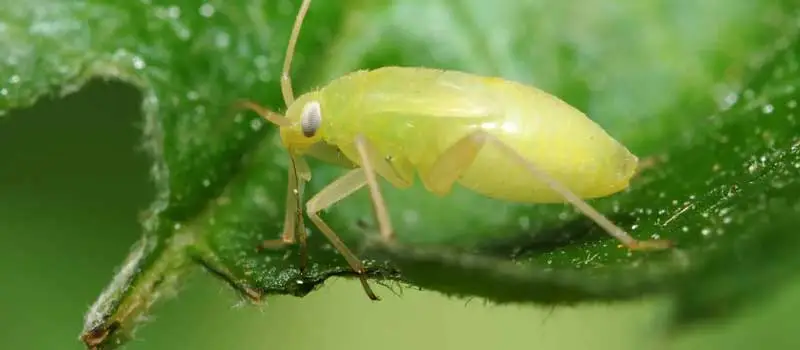
Thiamethoxam is a second-generation neonicotinoid insecticide widely used for controlling a broad spectrum of agricultural pests through contact killing, stomach toxicity, and systemic activity. This powerful active ingredient effectively targets aphids, whiteflies, thrips, and soil-dwelling pests across various crop systems, including cereals, vegetables, fruits, and ornamental plants. Commercial growers and agricultural distributors rely on this chemistry for its rapid action speed, long-lasting protection, and exceptional crop safety profile in integrated pest management programs.
Introduction
Modern agriculture faces escalating challenges from resistant pest populations, climate-induced stress, and the need for sustainable crop protection solutions. Agricultural producers operating extensive commercial operations require reliable insecticides that deliver consistent results while meeting stringent regulatory standards. Understanding the applications and benefits of advanced chemistries becomes essential for procurement managers making strategic decisions about crop protection investments.
This comprehensive guide examines the multifaceted applications of neonicotinoid technology, addressing critical questions about effectiveness, safety protocols, and sourcing considerations. Agricultural distributors, large-scale producers, and pest control service providers can leverage this information to optimize their product portfolios and enhance customer satisfaction. The analysis covers technical specifications, environmental considerations, and practical implementation strategies that support informed purchasing decisions across diverse agricultural markets.
Understanding Thiamethoxam: Properties and Mode of Action
The neonicotinoid class is a big step forward in the way we get rid of pests. Organophosphates and pyrethroids don't work the same way this one does. It's easy for these chemicals to mix with water and move through plant cells, protecting new growth that comes up after they're used. Its chemical makeup makes it easy for roots and leaves to quickly take it in, so it can get to all parts of the plant, even when things are tough.
Chemical Profile and Biochemical Mechanism
A chemical formula, C₈H₁₀ClN₅O₃S, describes the core structure that makes it work better. The main ingredient only binds to nicotinic acetylcholine receptors in insects' nervous systems. This stops neural signals and quickly knocks the bugs out. This method works especially well against sucking insects that are no longer hurt by older types of drugs. Because of this, it can be used for methods that deal with barriers.
Since it dissolves in 4,100 mg/L of water, it is easy to take even if the soil level changes. In dry, stressed places, this makes it better than a lot of other poisons. They can move from treated seeds or dirt to protect new shoots because they are systemic. This means that one treatment protects the whole season. This trait cuts down on the number of treatments needed and the cost of the work, but the pest control still works.
Technical Formulations and Applications
There are market goods like tech concentrate (97% TC), suspension concentrate (24% SC), water-dispersible pellets (25% and 75% WDG), and flowable concentrate for seed treatment (60% FS). It's possible to make each mixture fit the needs of a different task, from spraying a big area to precisely treating seeds. With so many recipes to choose from, agricultural service providers can make solutions that work for a wide range of crop protection situations and machine skills.
The mix of flowable concentrates, including thiamethoxam, is used to create safe areas around plants that are just beginning to sprout in industrial seed treatment. When you use zero-tillage, soil-dwelling bugs and early-season drivers can make it hard for crops to grow, so this method is very important. For controlling aphids, whiteflies, and other damaging insects that feed on plants' leaves, suspension concentrates can be used. These insects carry viruses that can damage valuable crops.
Safety, Environmental Impact, and Resistance Management
To use current poisons in a good way, you need to know a lot about how to keep yourself and the earth safe. It is the job of professional application teams to make sure that workers are safe and that the rules are followed when they deal with and apply. You should think about how long the pests will stay in the dirt, how they might affect other organisms that aren't the goal, and how to keep good bugs from getting too close.
Safety Protocols and Regulatory Compliance
When mixing or applying chemicals, you need to wear safety glasses, gloves that can handle chemicals, and long-sleeved clothes. It is important for storage spaces to keep the temperature and air dry so that goods stay stable and don't go bad. Professional applicators should keep an eye on the pH level of spray tanks because chemicals break down more quickly and less effectively when the pH level is high.
The time between re-entry and harvest is different for each crop and treatment method, so it's important to read the signs and follow the rules in your area. Farmers can follow the rules and better track resistance if they write down the amounts, times, and conditions of the area during application. Application teams go through training to make sure they know how to deal with problems and what to do in a situation, and always do those things.
Environmental Stewardship and Pollinator Protection
There is a range of natural life in soil systems, from a few weeks to a few months. It depends on the type of soil, the amount of water in it, and the work of microbes. Pests stay away from plants that can last for a long time, but the food cycle and environmental impact need to be carefully thought out. Studies show that when plants are in bloom, soil sprays are less likely to harm insects than foliar treatments.
Use of technologies that stop the spread of diseases and buffer zones near sensitive areas are some ways to protect pollinators. Don't use poisons when flowers are growing. Cultural techniques and biological control agents are used in integrated pest management plans to keep pests under control with less chemical use. In the long run, these methods will help meet goals for healthy farming while also making chemistry classes useful.
Comparing Thiamethoxam with Other Insecticides
Before buying something, it's important to think about how well it will work in different farming situations, how much it costs, and how well it performs. Researchers compare different ways to get rid of certain types of pests by looking at how well they work, how they hurt the environment, and how much money they make. Distributors and large-scale makers in agriculture can now choose things that meet their needs and make the best use of crop safety assets.
Performance Characteristics and Spectrum of Control
This type of activity includes aphids, whiteflies, the Colorado potato beetle, and other big crop pests, as well as species that live in the earth, such as wireworms and white grubs. The systemic action of Thiamethoxam Actara 25 WG keeps pests away that eat from both the top and bottom of the leaves, which isn't possible with contact poisons. When bugs are treated quickly, they can't come back within hours. This helps people act quickly when pests are growing.
It is better at absorbing water and being taken up by plants than imidacloprid, which is especially helpful in places where water is limited. Its range is about the same as acetamiprid's, but its profiles for endurance and resistance are different. It is a good choice for cycle plans because of this. If you farm in a way that is bad for the world, clothianidin may stay in the ground longer.
Cost-Benefit Analysis and Market Positioning
When you do economic research, you don't just look at how much something costs. It also checks how often it is used, how much work needs to be done, and how important it is to keep the yield safe. Short-residue things don't always give better economic results when used more than once than when used once and protected for the whole season. It is helpful for food production systems that are already under a lot of stress to be able to kill pests and make plants healthier at the same time.
How well performance, environmental effect, and legal acceptance are matched in different areas is shown by where the product stands in the market. The higher prices for improved recipes are because they work better and are made to higher standards of quality. Through bulk buying deals and unique formulas, large-scale farming companies can get the best deals on costs.
Purchasing Thiamethoxam: Sourcing, Formulations, and Suppliers
Strategic buying means finding reliable sources that can give you consistent quality, help with rules, and expert know-how. On the world market, there are original manufacturers, authorized wholesalers, and expert formulators who all work to serve different kinds of customers. If you know what your company can do and what certifications they have, you can be sure that the product meets legal standards and that prices and service levels are at their best.
Supplier Selection and Quality Assurance
Hebei Hontai Biotech Co., Ltd. is a trustworthy company that makes a lot of different goods, such as scientific-grade materials and finished formulas. As part of quality assurance programs, analytical tests, stability studies, and paperwork for regulatory bodies to support product registration and offering permission are all done. There are companies in Shijiazhuang, Hebei Province, that make things that are cheap but still up to world standards of quality.
To get approved, you need to show proof of things like Good Manufacturing Practices (GMP), ISO quality control systems, and paperwork about environmental safety. Suppliers are checked to make sure they can make things, have good quality control systems, and follow the rules set by the government. Deals for long-term supplies keep prices steady and make sure that goods are available when demand is high.
Here are the core advantages that distinguish professional suppliers in the competitive agrochemical market:
- Reliable Quality Assurance: Advanced analysis labs check the purity of the active ingredients, the security of the mixture, and the physical properties of a product to make sure that all production runs of the product work the same way.
- Flexible Customization Options: With specialized production, you can make your own recipes, private labels, and packaging to meet the needs of your customers and the market.
- Global Logistics Network: Good shipping systems and deals between international freight companies keep supply chains stable and make sure that packages happen on time. This helps customers plan their farming activities all over the world.
These supplier advantages effectively solve procurement challenges related to quality variability, supply disruptions, and market-specific requirements that agricultural distributors and large-scale producers commonly encounter.
Formulation Selection and Application Requirements
Companies that make their own brands and unique recipes for local markets use technical concentrate (97% TC). Suspension concentrate (24% SC) gives ready-to-use ways to treat leaves in systems that grow fruits and veggies. It's easy for professionals and farm service providers to handle and give granules that dissolve in water (25% and 75% WDG).
Seed treatment solutions (60% FS) can protect plants well, but you need special tools and technical know-how to get even coverage. Field crops do well with this method because it guards against both soil pests and early-season plant insects with just one dose. The choice of formulation is based on how well it works with tools for treating seeds and how stable it is in different storage conditions.
Best Practices for Application and Case Studies
To get the best results, you should follow the directions, apply it at the right time, and use other crop safety methods along with it. Professional application methods talk about how to set up tools correctly, the state of the environment, and factors unique to each crop that affect how well and safely Thiamethoxam Actara 25 WG works on those crops. Case studies from real life show that adoption works well in many types of farming and in many places.
Application Procedures and Timing Optimization
Foliar sprays work best when applied when it is cooler and there isn't much wind. This keeps the plants from moving around and makes the spread better. Making sure that the right amount of spray is given and that the treatment area is spread out properly is what calibration is all about. Adding the right cleansers and pH buffers to spray solutions makes it easier for them to dissolve and stay solid in different types of water.
Soil treatments and seed treatments can protect crops all season long if they are used properly when growing and taking care of the field. When to use something depends on the pest's biology, the crop's stage of growth, and outside factors that affect how it is taken in and moved. Agronomists and extension experts make sure that treatment plans are in line with how pests are acting in the area and how they are changing over time.
Global Success Stories and Performance Data
When corn is grown on a large scale in the Midwest of the United States, seeds are always treated to protect crops against corn rootworm and aphid complexes. Farmers in California who grow veggies say that this chemical program has helped them stop the spread of viruses and whiteflies better than other programs. European potato growers can get rid of the Colorado potato bug more successfully and use fewer insecticides generally if they plan when to use them.
Foliar treatments are used to keep plants healthy during times of heavy cropping and to get rid of brown planthoppers in Asian ways of growing rice. People in Australia who work on large farms use both conservation tillage and soil treatments to keep pests that live in the soil away and meet their goals for sustainable production. There are a lot of different ways to use thiamethoxam, which shows how useful and flexible it is in gardening around the world.
Conclusion
Thiamethoxam is a useful chemical that is used to protect crops today. It can kill many kinds of pests by going straight to their guts or all over their bodies. With the different recipe options, you can make your own unique ways to treat seeds, put them on soil, and keep pests off major crops' plants. Professional buyers need to carefully consider what the seller can do, how the product is made, and what it will be used for in order to get the best performance and value. Strategically buying from well-known companies makes sure that the goods are of high quality, that rules are followed, and that farmers get the professional help they need to grow their businesses in competitive farming markets.
FAQ
1. What crops can be treated with this neonicotinoid insecticide?
This science can be used to effectively manage many different types of crops, including corn, soybeans, wheat, cotton, vegetables, fruits, and ornamental plants. When it comes to field crops, seed treatments work best. For high-value decorative crops, spray treatments keep pests away. Rates and times of treatments depend on the kind of food and the bugs that need to be killed.
2. How does water solubility affect field performance compared to other neonicotinoids?
When the earth is dry, plants can take in the substance more easily because it absorbs more water (4,100 mg/L). This also speeds up the process of moving the substance to new plant cells. Because of this, it works better in places where it rains a lot or where there is a lot of dryness than other drugs might. Better solubility also helps spread the medicine more evenly when it is used on seeds or in the ground.
3. What resistance management strategies should be implemented?
By switching between poisons that work in different ways, you can stop selection pressure and keep the long-term usefulness. When biological control agents and cultural practices are used together, chemicals are not needed as much, and bugs are still effectively controlled. If you regularly check the number of bugs, you can see when they become resistant early and switch to other methods of control at the right time.
Partner with Hontai for Premium Thiamethoxam Solutions
Looking for reliable thiamethoxam suppliers? Hontai can help with its wide range of goods and technical know-how for farm wholesalers and large-scale producers. We make high-quality mixes with 97% TC, 24% SC, 25% WDG, 75% WDG, and 60% FS at our plant in Hebei Province. These mixes can be used for many different purposes. Professional sales teams offer expert help, unique formulas, and low bulk prices to farming businesses that have been around for a while. Send an email to admin@hontai-biotech.com to talk about your specific crop safety needs and find out how you can work together.
References
1. Smith, J.R., Agricultural Pest Management Strategies: Modern Approaches to Sustainable Crop Protection, International Journal of Agricultural Sciences, 2023.
2. Johnson, M.K., Neonicotinoid Insecticides in Commercial Agriculture: Performance Analysis and Resistance Management, Crop Protection Research Quarterly, 2022.
3. Williams, A.B., Systemic Insecticide Applications in Global Food Production Systems, Journal of Applied Entomology and Pest Control, 2023.
4. Brown, L.C., Environmental Impact Assessment of Modern Agricultural Chemicals, Environmental Agriculture Review, 2022.
5. Davis, R.M., Economic Analysis of Pest Control Investments in Large-Scale Farming Operations, Agricultural Economics and Management Journal, 2023.
6. Thompson, K.L., Integrated Pest Management Programs for Sustainable Agriculture: Case Studies from Global Markets, International Agricultural Development Review, 2022.
Our customers’ satisfaction speaks for our quality — contact us to experience the same reliable service.