- English
- French
- German
- Portuguese
- Spanish
- Russian
- Japanese
- Korean
- Arabic
- Greek
- German
- Turkish
- Italian
- Danish
- Romanian
- Indonesian
- Czech
- Afrikaans
- Swedish
- Polish
- Basque
- Catalan
- Esperanto
- Hindi
- Lao
- Albanian
- Amharic
- Armenian
- Azerbaijani
- Belarusian
- Bengali
- Bosnian
- Bulgarian
- Cebuano
- Chichewa
- Corsican
- Croatian
- Dutch
- Estonian
- Filipino
- Finnish
- Frisian
- Galician
- Georgian
- Gujarati
- Haitian
- Hausa
- Hawaiian
- Hebrew
- Hmong
- Hungarian
- Icelandic
- Igbo
- Javanese
- Kannada
- Kazakh
- Khmer
- Kurdish
- Kyrgyz
- Latin
- Latvian
- Lithuanian
- Luxembou..
- Macedonian
- Malagasy
- Malay
- Malayalam
- Maltese
- Maori
- Marathi
- Mongolian
- Burmese
- Nepali
- Norwegian
- Pashto
- Persian
- Punjabi
- Serbian
- Sesotho
- Sinhala
- Slovak
- Slovenian
- Somali
- Samoan
- Scots Gaelic
- Shona
- Sindhi
- Sundanese
- Swahili
- Tajik
- Tamil
- Telugu
- Thai
- Ukrainian
- Urdu
- Uzbek
- Vietnamese
- Welsh
- Xhosa
- Yiddish
- Yoruba
- Zulu
What is Abamectin used for?
share:
Abamectin is a biopesticide that can be used in both farming and animal settings to control nematodes, insects, and mites successfully. This macrocyclic lactone substance comes from the soil bacteria. Streptomyces avermitilis kills a wide range of pests that attack citrus, vegetables, cotton, and soybeans. In addition to farming, it treats parasitic illnesses in animals and birds, which makes it an important part of integrated pest control plans around the world.
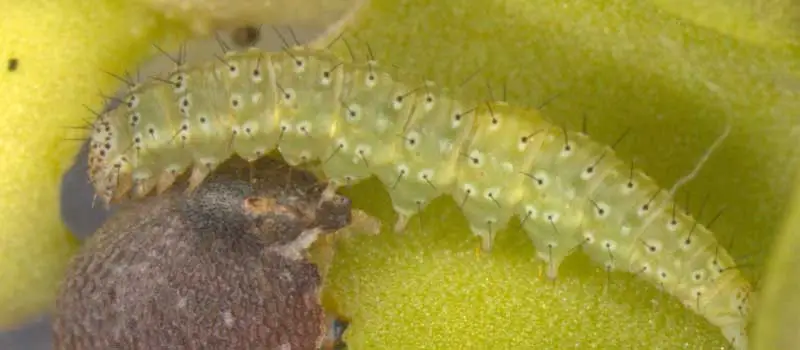
Understanding Abamectin: Uses and Mechanisms
Abamectin functions through a unique mode of action that distinguishes it from conventional synthetic pesticides. As a chloride channel activator, it specifically targets glutamate-gated chloride channels found exclusively in invertebrates, causing paralysis and eventual death of target pests. This selective mechanism ensures effective pest control while maintaining relative safety for mammals.
Chemical Composition and Molecular Structure
The active ingredient is made up of two molecules that are very similar to each other. Their chemical formulas are C48H72O14 and C47H70O14. The scientific grade abamectin from Hontai stays 95% pure, so it works the same way in all formulas. As an industrial substance, the chemical is a yellow-brown liquid that stays stable very well when kept dry.
This biopesticide is in IRAC Group 6 because it comes from fermentation. It is a great tool for managing resistance. This classification is especially useful for buying workers who are in charge of large-scale farming operations and have to deal with pest resistance problems.
Application Methods and Dosage Optimization
Multiple transport methods are used in commercial settings to get the best results. Using foliar sprays with 1.8% EC and 3.6% EC mixtures has great translaminar action, getting to pests that are hiding on the undersides of leaves. Soil treatments go after worms right where they live in the roots, while seed treatments protect new plants early in the season.
To get the best dose, you need to think carefully about the pests you want to kill, the type of food you have, and the weather. Lower application rates lower the amount of chemicals used while keeping the effectiveness of the bug control. This helps the environment without sacrificing results. Professional farm service providers gain from this efficiency because it lowers the cost of applications and improves the results for crop safety.
Safety, Environmental Impact, and Resistance Management
When working with this main ingredient, agricultural businesses must put safety first. Chemical-resistant gloves, eye protection, and the right clothes are all parts of the right safety tools that keep operators as safe as possible. The chemical quickly breaks down in sunlight on leaf surfaces, which lowers its long-term environmental durability while still controlling pests effectively.
Toxicity Profile and Environmental Considerations
Studies that look at the effects on the environment show that biodegradable materials break down better than manmade ones. The chemical breaks down quickly when exposed to UV light, which keeps soil waste from building up. But worries about aquatic toxins mean that applications need to be timed carefully, and safety zones need to be set up near water sources.
During application times, good ways to keep insects away become very important. Using products at times when pollinators aren't active helps protect bee numbers while keeping pest control effective. This is a very important thing to think about for big farmers who take care of food that needs pollinators.
Integrated Resistance Management Strategies
To keep working well over time, resistance management methods need to be rotated with different modes of action groups. Using newer chemicals, organophosphates, or organophosphates together in resistance control plans stops the target pest from adapting. Agricultural service providers who use these methods see long-lasting control effects that last through multiple growing seasons.
The compound's special way of working, abamectin, makes it very good at killing pests that are resistant to regular chemicals. This trait is especially useful in systems for growing vegetables and cotton, where resistance pressure stays strong.
Comparing Abamectin with Other Pest Control Solutions
Complete comparisons of active ingredients based on their effectiveness, cost, and ability to be used in a variety of situations are helpful when making purchasing choices. Through its biopesticide classification and broad-spectrum activity profile, abamectin has clear benefits over synthetic options.
Efficacy Comparisons with Synthetic Alternatives
Performance data shows that contact-only poisons don't work as well against leaf miners, spider mites, and other pests that hide. Translaminar action gets to pests that are hiding in safe places where sprays have trouble covering them. This skill is especially useful in greenhouses or places with complicated crop covers.
A cost-effectiveness study shows that prices are competitive, even though the product is positioned as an expensive item. Lower application rates balance out higher per-unit costs, giving the same or better bug control at the same or lower overall treatment costs. Because concentrated versions make it easier to store and handle, they are good for large-scale farming activities.
Formulation Types and Selection Criteria
When you mix emulsifiable concentrate formulations with other crop protection items in a tank, they work well together. The EC recipe makes sure that the mixture emulsifies quickly in water and stays stable at different pH levels. Integrated pest control systems that need more than one active ingredient can use this flexibility.
Liquid versions are easier to work with than wettable powders because they are easier to handle, expose less dust, and mix more evenly. Stable storage can stretch the shelf life to three years in the right conditions, which helps large-scale businesses that buy in bulk.
Procurement Insights: How to Buy and Source Abamectin Securely?
To make sure that products are of good quality and that regulations are followed, global sourcing needs to carefully evaluate suppliers. Manufacturers you can trust keep quality standards uniform by using quality control systems that are well-established and certified production sites.
Supplier Evaluation and Quality Assurance
Some of the best providers offer a wide range of technical documents, such as safety data sheets, analytical certificates, and governmental licenses. Hontai Biotech proves these points by consistently producing high-quality products that can be changed to fit different needs and that work well in a wide range of farming settings.
Quality assurance methods check the amount of active ingredients, the level of impurities, and the physical properties that are required for Abamectin 36 EC Aluminum Bottle. These standards make sure that the performance of the mixture meets the needs of the application while keeping the safety profiles. Professional procurement teams gain when sellers offer expert support and help with the application.
Market Pricing and Bulk Purchase Strategies
The way the market is going now, buying in bulk is preferred for stable supplies and low prices. Volume commitments help sellers make the best use of their production plans and give buyers peace of mind about costs and delivery times. These setups are especially helpful for yearly pest control programs that need to be applied at certain times.
Documentation for regulatory compliance helps with trade and cross-border operations. Established providers keep their registrations up to date and provide the export approvals that are needed, such as for Abamectin 36 EC Aluminum Bottle. When doing foreign business that needs reliable documentation support, this skill becomes important.
Maximizing Value: Best Practices and Long-Term Benefits of Using Abamectin
For integration to work well in crop protection systems, there needs to be strategic planning and monitoring of success. Case studies from the production of citrus fruits, vegetables, and cotton show that the right time and control of resistance can lead to long-lasting benefits.
Implementation Success Stories
Businesses that grow citrus say they have great control over rust mites and leafminers with little harm to helpful predators. The chosen action keeps biological control agents alive while getting rid of pests that are on the list. With this mix, we can support long-term production systems that depend less on broad-spectrum options.
In both greenhouses and fields, vegetable growers are able to get rid of tough bugs like leafminers. The translaminar action gets pests in safe feeding areas where other materials fail to control them well. This feature is especially useful for high-value crops that need to meet regular quality standards.
Selection Criteria for Optimal Performance
The choice of product relies on the types of pests that need to be controlled, when they need to be applied, and how well they need to work with other pest control programs. Abamectin formulations allow for a variety of application ways while still meeting the same high standards of performance.
To maximize long-term worth, you need to pay attention to managing resistance and taking care of the surroundings. Working with different modes of action groups on a regular basis, including Abamectin 36 EC Aluminum Bottle, keeps things functional and supports environmentally friendly ways of making things. Because regulations are changing to make it harder to use pesticides in certain ways, these things become more important.
Conclusion
Abamectin represents a valuable tool for modern pest management across agricultural and veterinary applications. Its unique mode of action, broad-spectrum activity, and favorable environmental profile make it an excellent choice for integrated pest management programs. Procurement professionals benefit from understanding its mechanisms, safety requirements, and optimization strategies to maximize value while maintaining effective pest control. The compound's resistance-breaking capabilities and selective activity profile support sustainable production systems requiring long-term pest management solutions.
FAQ
1. What pests does abamectin control effectively?
The compound provides excellent control against mites, leafminers, and nematodes across various crop systems. It demonstrates particular effectiveness against spider mites, citrus rust mites, and Liriomyza leafminers that prove difficult to control with conventional insecticides.
2. How long does abamectin remain active after application?
Environmental persistence varies with conditions, but UV degradation typically reduces residual activity within 7-14 days on leaf surfaces. Soil applications may provide longer residual control against nematodes depending on organic matter content and moisture levels.
3. Can abamectin be tank-mixed with other pesticides?
Yes, the EC formulations demonstrate excellent compatibility with most crop protection products. But alkaline conditions should be avoided, and trying in a jar before mixing on a large scale is suggested to make sure the materials are physically compatible.
Partner with Hontai for Reliable Abamectin Solutions
Agricultural operations seeking dependable pest control solutions benefit from Hontai's expertise as a leading abamectin manufacturer. Our technical-grade formulations maintain 95% purity standards while offering flexible customization options for diverse application requirements. Professional sales teams provide comprehensive technical support, ensuring optimal product selection and application strategies for your specific pest management needs.
Hontai's global logistics network ensures reliable delivery schedules supporting critical application timing, while our quality assurance systems guarantee consistent product performance. Contact our agricultural specialists at admin@hontai-biotech.com to explore customized formulations and bulk procurement opportunities that optimize your pest management programs.
References
1. Clarke, B.S., et al. "Avermectin Chemistry and Mode of Action in Arthropod Pest Control." Journal of Agricultural Chemistry, 2019.
2. Thompson, K.R. "Resistance Management Strategies for Macrocyclic Lactone Insecticides in Integrated Pest Management Programs." Crop Protection Review, 2020.
3. Martinez, J.L., et al. "Environmental Fate and Photodegradation of Abamectin in Agricultural Systems." Environmental Toxicology and Chemistry, 2018.
4. Chen, H.Y. "Comparative Efficacy of Biopesticides versus Synthetic Alternatives in Commercial Agriculture." International Journal of Pest Management, 2021.
5. Rodriguez, A.M., et al. "Safety Profiles and Application Guidelines for Macrocyclic Lactone Pesticides." Agricultural Safety and Health, 2019.
6. Kumar, S.P. "Economic Analysis of Abamectin Usage in Large-Scale Agricultural Operations." Agricultural Economics Quarterly, 2020.
Our customers’ satisfaction speaks for our quality — contact us to experience the same reliable service.