- English
- French
- German
- Portuguese
- Spanish
- Russian
- Japanese
- Korean
- Arabic
- Greek
- German
- Turkish
- Italian
- Danish
- Romanian
- Indonesian
- Czech
- Afrikaans
- Swedish
- Polish
- Basque
- Catalan
- Esperanto
- Hindi
- Lao
- Albanian
- Amharic
- Armenian
- Azerbaijani
- Belarusian
- Bengali
- Bosnian
- Bulgarian
- Cebuano
- Chichewa
- Corsican
- Croatian
- Dutch
- Estonian
- Filipino
- Finnish
- Frisian
- Galician
- Georgian
- Gujarati
- Haitian
- Hausa
- Hawaiian
- Hebrew
- Hmong
- Hungarian
- Icelandic
- Igbo
- Javanese
- Kannada
- Kazakh
- Khmer
- Kurdish
- Kyrgyz
- Latin
- Latvian
- Lithuanian
- Luxembou..
- Macedonian
- Malagasy
- Malay
- Malayalam
- Maltese
- Maori
- Marathi
- Mongolian
- Burmese
- Nepali
- Norwegian
- Pashto
- Persian
- Punjabi
- Serbian
- Sesotho
- Sinhala
- Slovak
- Slovenian
- Somali
- Samoan
- Scots Gaelic
- Shona
- Sindhi
- Sundanese
- Swahili
- Tajik
- Tamil
- Telugu
- Thai
- Ukrainian
- Urdu
- Uzbek
- Vietnamese
- Welsh
- Xhosa
- Yiddish
- Yoruba
- Zulu
Comprehensive Guide to Imidacloprid 70% WDG: Uses, Benefits & Future Trends
share:
Imidacloprid 70% WDG is a big step forward for food security because it gives farmers a strong tool to fight pests that keep coming back. Neonicotinoid chemistry is known to work well, and this full mix combines that with the useful benefits of powder technology that dissolves in water. Knowing what it is, how it works, and how to use it wisely can help get rid of pests more effectively while also supporting growing methods that are better for the environment. This guide covers the technical parts, how to get into the market, how to buy these goods, and new trends that make up this important crop safety answer.
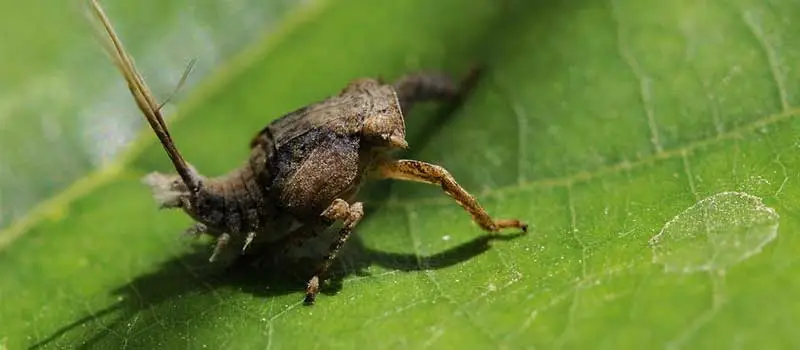
Understanding Imidacloprid 70% WDG: Properties and Mechanism
Water Dispersible Granules (WDG) technology changes how pesticides are usually used by solving some of the biggest problems that big farms face. This form of the powder makes the natural properties of the active ingredient better and makes it easier to work with than other powder forms. Because the granules are structured, there are no fears about dust flow during mixing. This also protects applicators' lungs and makes sure that the product is spread out evenly in spray tanks.
Advanced Formulation Technology
The 70% content is the best balance between how dense the active ingredient is and how safe the form is. Each grain has the exact amount of Imidacloprid it needs. Stabilizers, dispersants, and wetting agents that were carefully picked keep the structure of the product while it's being kept and shipped. Large farming companies that take care of a lot of land can use less packaging, cost less to ship, and need less store space with this high-concentration mixture.
Some grains break down very easily in water, so they don't need the oil-based carriers that are in emulsifiable concentrate recipes. This makes sprays that are all the same. Because of this feature, you don't have to worry about petroleum-based solvents being harmful to plants. They also work better with other chemicals in the tank, such as fungicides, fertilizers, and adjuvants.
Mode of Action and Target Specificity
Imidacloprid kills insects all over their bodies by going after the nicotinic acetylcholine receptors in their brains and nerves. This process stops nerve signals from working properly, which makes the pests unable to move or breathe and kills them. This action is selective because bug and animal receptor sites are not built the same way. This is a great safety window for animals that aren't the goal when the product is used as directed on the box.
Imidacloprid works by going through plant cells and protecting against insects that are hiding and eating. Normal contact drugs aren't good at this. The chemical moves up and down the xylem and builds up in cells that are always growing. Many bugs that are bad for business like to eat here. Being able to move around makes security last longer and cuts down on the number of treatments needed to keep pests away.
Evaluating Imidacloprid: Performance and Market Comparisons
A study of the market shows that Imidacloprid formulations are clearly better than other ways to get rid of pests. Tests on different types of crop systems have shown that the main pests are constantly killed. These tests also give us useful information for controlling tolerance and taking care of the environment.
Competitive Advantage Analysis
Studies comparing Imidacloprid 70% WDG to thiamethoxam and clothianidin show that it is more effective at killing aphids, whiteflies, thrips, and planthoppers. As the number goes up, less product needs to be used in controlled field tests to kill over 95% of the pests that are being studied. For big farms that take care of thousands of fields, lower costs of doing business are a direct result of this economy.
Traditional organophosphate and carbamate insecticides need to be used more often to get the same level of pest control. This makes the work more expensive and puts more wear and tear on the tools. Alternatives to pyrethroids can kill bugs fast, but they don't have the long-term benefits or safety for the whole body that neonicotinoid chemistry does. These differences in performance stand out even more when dealing with tricky pests that come in different species or have sneaky eating habits.
Resistance Management Considerations
Many of the pests that are being tried to be controlled with pesticides are becoming immune to them, so new ways of doing this must take this into account. Neonicotinoid resistance is growing at different rates in major farming areas, especially in aphid populations that are exposed to them over and over again. For resistance management to be effective, Imidacloprid uses must be incorporated into bigger rotating plans that include different modes of action.
Using biological control agents and different kinds of poisons, along with only using neonicotinoids once per crop cycle, has been shown in many studies to make these useful tools last a lot longer. The Insecticide Resistance Action Committee (IRAC) sets the rules for this method, which keeps the amount of pest control that companies need to stay open.
Procurement Guide: How to Buy Imidacloprid 70% WDG Safely and Efficiently?
You should carefully check the seller's qualifications, make sure the product is real, and make sure you have all the information you need to follow the law before you buy Imidacloprid 70% WDG. That the market for agricultural chemicals is global can be good and bad for buyers who want to find reliable, low-cost sources that still meet quality standards and the law.
Supplier Evaluation Criteria
The first things you should do to find qualified providers are to look at their manufacturing certificates, product registration status, and quality assurance processes. Sellers you can trust keep a lot of papers that show how consistent their goods are and how long they last. These papers include Certificate of Analysis reports, residue testing results, and stable study data.
If farmers need Imidacloprid products, they should look for a well-known company like Hebei Hontai Biotech Co., Ltd. The city of Shijiazhuang is home to this business. It is in the state. Along with their WDG products, they also have different formulations with 5% EC, 20% SC, and 35% SC. They use the same method for study, development, and production. Customers can get expert help and make changes that bigger, foreign companies might not be able to offer.
Procurement Best Practices
Buying in bulk can save you a lot of money per unit and still give you enough for windows that are only used during certain times of the year. Long-term supply agreements with qualified makers keep prices stable and ensure a steady supply. This is very important because the need for chemicals in farming changes with the seasons. Good payment terms, set times for output, and giving priority during times of high demand are common parts of these deals.
Another person should check the packages to make sure they have the right amount of active ingredients and no other impurities that aren't allowed. This is part of the quality control process. You won't get fake things if you do this extra work. It also makes sure you follow the rules and that the application works well. It's easier to import things when there are clear rules about how to pack, mark, and fill out papers. This helps keep things moving more quickly through customs.
Practical Usage Instructions and Safety Recommendations
To get the most out of Imidacloprid 70% WDG, you need to know how to mix it correctly, when to use it, and how to add it to bigger plans for getting rid of pests. Getting rid of pests as quickly as possible is important, but so is protecting the environment and workers.
Application Protocols and Timing
To get an application to work, you need to make sure the spray equipment is set correctly and that the right dilution rates are estimated based on the weather, the stage of crop growth, and the type of pest you want to kill. If you mix the Imidacloprid 70% WDG correctly, it dissolves in water completely in just a few minutes. This makes solid bans that don't change during application times.
When you time treatments to coincide with the times when pests are most vulnerable, they work better and don't hurt other things as much. Early in the season, applications that target adults overwintering or first-generation nymphs usually work better than applications made when there are a lot of them. It usually takes 4 to 6 hours for systemic uptake to happen. This means that the time of year and the weather are very important for having the right amounts of residue.
Worker Safety and Environmental Protection
Personal protective equipment requirements for Imidacloprid 70% WDG uses include safety gear like long-sleeved shirts, long pants, chemical-resistant gloves, and eye protection. Because it doesn't have dust in it, the WDG version is better for your lungs than wettable powder formulas. Even so, people who are applying concentrated treatments to small areas should still wear the right breathing protection.
As part of being environmentally responsible, steps to protect pollinators need to be carefully thought out, especially when crops that have been handled or nearby plants are growing. Applying less during bloom times, only in the evening, and around sensitive areas to make buffer zones are all examples of responsible use that support the goals of sustainable agriculture while still controlling bugs successfully.
Future Trends and Innovations in Imidacloprid Usage and Pest Control
As more tools and laws are made available, Imidacloprid's use in modern farming will change. Innovation relies on making applications more accurate, reducing damage to the environment, and making goods last longer through strategies for managing resistance.
Technological Advancement Integration
Precision application technologies, including GPS-guided sprayers, variable-rate controls, and devices that use sensors to find pests. These tools reduce the amount of poisons used while still controlling pests effectively by focusing treatments on areas with a lot of pests. Managers don't have to use a plan to make decisions when tracking is done in real time. Instead, they can use what's happening in the field right now.
New versions of neonicotinoid herbicides are makingthem better at killing bugs and can also be used on plants. Thanks to developments in encapsulation technologies, controlled-release matrices, and targeting systems, Imidacloprid could be used more successfully while also dealing with issues with regulation and tolerance.
Sustainable Integration Strategies
Future pest management programs will likely emphasize integrated approaches that combine reduced-risk chemistry with biological control agents, cultural practices, and resistant crop varieties. This evolution requires suppliers who understand the technical complexities of modern agriculture and can provide comprehensive support beyond simple product sales.
Companies like Hontai Biotech show that they are ahead of the game by doing things like R&D, having skilled service teams, and coming up with new ways to make things, including Imidacloprid 70% WDG. Because they can make recipes and packing solutions that are just right for each customer, they are a good fit for modern farms that need long-lasting ways to get rid of pests.
Conclusion
Imidacloprid 70% WDG continues serving as an essential tool for effective pest management across diverse agricultural systems. Its unique combination of systemic activity, broad-spectrum efficacy, and practical application characteristics addresses the critical needs of modern farming operations. Success depends on proper implementation within integrated management programs, careful attention to resistance prevention strategies, and partnership with qualified suppliers who provide technical support and quality assurance. The future of this technology lies in precision application, environmental stewardship, and continuous innovation that extends its utility while supporting sustainable agriculture goals.
FAQ
1. What pests does Imidacloprid 70% WDG control most effectively?
Imidacloprid demonstrates excellent control of sucking insects, including aphids, whiteflies, thrips, planthoppers, and leafhoppers, across various crop systems. It also provides effective management of soil-dwelling pests such as termites and select beetle species, including the Colorado potato beetle and rice water weevil. The systemic nature of the compound makes it particularly valuable against concealed feeding insects that contact insecticides cannot reach effectively.
2. How long does Imidacloprid remain active in soil and plant tissues?
Soil persistence varies significantly based on environmental conditions, with typical half-lives ranging from 48 to 190 days depending on temperature, moisture, pH, and microbial activity levels. In plant tissues, systemic residues provide protection for 14-21 days under normal growing conditions. This extended activity period allows for longer intervals between applications compared to contact insecticides while maintaining effective pest suppression levels.
3. Can Imidacloprid 70% WDG be tank-mixed with other agricultural chemicals?
Tank-mixing compatibility exists with most fungicides, fertilizers, and other insecticides when proper procedures are followed. However, highly alkaline mixtures (pH > 9) should be avoided, as they accelerate chemical degradation. Jar testing is essential before large-scale mixing to verify physical compatibility and prevent equipment damage or application problems. Always consult product labels and conduct compatibility tests when combining multiple products.
4. What safety precautions are necessary when applying Imidacloprid?
Standard personal protective equipment includes chemical-resistant gloves, long sleeves, long pants, and eye protection. The WDG formulation reduces dust exposure compared to powder formulations, but respiratory protection remains advisable during mixing operations. Critical environmental protection measures include avoiding applications during crop flowering periods to protect pollinators and maintaining appropriate buffer distances from water sources and sensitive habitats.
Partner with Hontai for Premium Imidacloprid Solutions
Hontai Biotech delivers exceptional Imidacloprid formulations backed by rigorous quality control and comprehensive technical support. Our experienced team understands the complexities of modern pest management and provides customized solutions that meet specific operational requirements. With multiple concentration options, flexible packaging, and reliable global logistics, we serve as your trusted Imidacloprid supplier for consistent, effective crop protection results. Contact our specialists at admin@hontai-biotech.com to discuss bulk procurement options and discover how our proven formulations can enhance your pest management program.
References
1. Elbert, A., Haas, M., Springer, B., Thielert, W., & Nauen, R. (2008). Applied aspects of neonicotinoid uses in crop protection. Pest Management Science, 64(11), 1099-1105.
2. Jeschke, P., & Nauen, R. (2008). Neonicotinoids—from zero to hero in insecticide chemistry. Pest Management Science, 64(11), 1084-1098.
3. Tomizawa, M., & Casida, J. E. (2005). Neonicotinoid insecticide toxicology: mechanisms of selective action. Annual Review of Pharmacology and Toxicology, 45, 247-268.
4. Bass, C., Denholm, I., Williamson, M. S., & Nauen, R. (2015). The global status of insect resistance to neonicotinoid insecticides. Pesticide Biochemistry and Physiology, 121, 78-87.
5. Simon-Delso, N., Amaral-Rogers, V., Belzunces, L. P., Bonmatin, J. M., Chagnon, M., Downs, C., ... & Wiemers, M. (2015). Systemic insecticides (neonicotinoids and fipronil): trends, uses, mode of action and metabolites. Environmental Science and Pollution Research, 22(1), 5-34.
6. Sparks, T. C., & Nauen, R. (2015). IRAC: Mode of action classification and insecticide resistance management. Pesticide Biochemistry and Physiology, 121, 122-128.
Our customers’ satisfaction speaks for our quality — contact us to experience the same reliable service.