- English
- French
- German
- Portuguese
- Spanish
- Russian
- Japanese
- Korean
- Arabic
- Greek
- German
- Turkish
- Italian
- Danish
- Romanian
- Indonesian
- Czech
- Afrikaans
- Swedish
- Polish
- Basque
- Catalan
- Esperanto
- Hindi
- Lao
- Albanian
- Amharic
- Armenian
- Azerbaijani
- Belarusian
- Bengali
- Bosnian
- Bulgarian
- Cebuano
- Chichewa
- Corsican
- Croatian
- Dutch
- Estonian
- Filipino
- Finnish
- Frisian
- Galician
- Georgian
- Gujarati
- Haitian
- Hausa
- Hawaiian
- Hebrew
- Hmong
- Hungarian
- Icelandic
- Igbo
- Javanese
- Kannada
- Kazakh
- Khmer
- Kurdish
- Kyrgyz
- Latin
- Latvian
- Lithuanian
- Luxembou..
- Macedonian
- Malagasy
- Malay
- Malayalam
- Maltese
- Maori
- Marathi
- Mongolian
- Burmese
- Nepali
- Norwegian
- Pashto
- Persian
- Punjabi
- Serbian
- Sesotho
- Sinhala
- Slovak
- Slovenian
- Somali
- Samoan
- Scots Gaelic
- Shona
- Sindhi
- Sundanese
- Swahili
- Tajik
- Tamil
- Telugu
- Thai
- Ukrainian
- Urdu
- Uzbek
- Vietnamese
- Welsh
- Xhosa
- Yiddish
- Yoruba
- Zulu
What is diflubenzuron?
share:
Deltamethrin is a specialized pyrethroid insecticide that targets insect nervous systems by disrupting sodium ion channels in nerve membranes. This laboratory-synthesized compound prevents voltage-gated sodium channels from closing properly, leading to excessive nervous stimulation, paralysis, and ultimately death. The process initiates within minutes of contact. Due to its potent activity, Deltamethrin is a highly effective insecticide used in commercial, agricultural, and public health pest control.
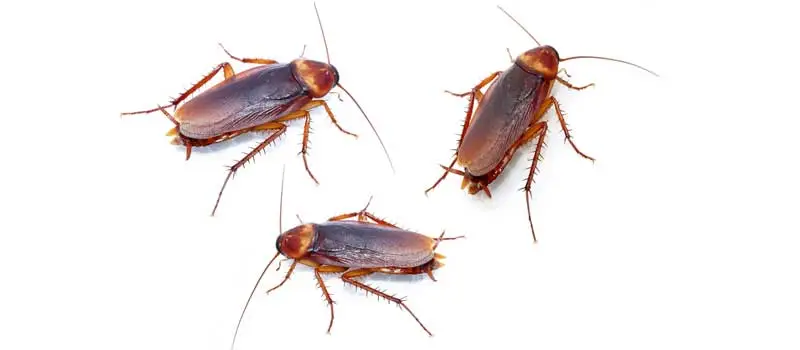
Understanding Deltamethrin: Mechanism, Uses, and Safety
In terms of made pyrethroid technology, Deltamethrin is a significant advancement. If you take pyrethrins from chrysanthemum flowers, this one is more stable and works better. There are two types of pyrethroid pesticides, and this one has the formula C₂₂H₁₉Br₂NO₃.. The fact that it is in the alpha-cyano group makes its effects on bugs' nerves much greater.
Chemical Profile and Mode of Action
The alpha-cyano group in the chemical structure of deltamethrin sets it apart from other pyrethroid molecules. With this change to the structure, it works better with sodium channels while still being very stable in light. There is only one stereoisomer of the substance, so it always has the same biological function and always has the same effect on bugs. It is called (S)-α-cyano-3-phenoxybenzyl (1R,3R)-3-(2,2-dibromovinyl)-2,2-dimethylcyclopropanecarboxylate in science, and its chemical structure is very difficult. Its job is to kill bugs as efficiently as possible.
Deltamethrin mainly acts in the voltage-gated sodium channels of insect nerve membranes. Touching or eating the active element makes a connection with these pathways, which stops them from turning off as they normally would. Long-lasting depolarization of nerve membranes is caused by this issue. This lets nerves fire and muscles contract and rest many times. The bugs that are hit are knocked down right away, and they can't move or stand up again.
According to research, this method works especially well against many types of arthropod bugs, including cockroaches, mosquitoes, flies, beetles, and many kinds of industrial insects. Within 15 to 30 minutes of being exposed, neurotoxic symptoms can be seen. It works great to get rid of pests right away and keep them away for a long time.
Primary Agricultural Applications
Deltamethrin is a very useful poison because it can kill a lot of different kinds of bugs. Flying bugs, like mosquitoes, flies, and moths, die quickly when they touch something or are gassed. Crawling bugs like beetles, cockroaches, and ants are stopped as soon as they touch areas that have been treated. For farming purposes, it kills harmful bugs like aphids, thrips, different types of beetles, and lepidopteran eggs.
Pests that are eating stored goods are killed by the substance, which makes warehouses and food storage places safer. In the right conditions, its action on non-porous surfaces can last for months, protecting them from getting infected again for a long time.
Safety Considerations and Regulatory Compliance
You should know a lot about Deltamethrin's effects and how risky it is before you use it. A lot of people think they are better than organophosphate or carbamate pesticides, but they still need to be used correctly to keep people and animals that aren't supposed to be killed safe.
Because their sodium channels are not as delicate and their metabolism is not as strong, deltamethrin is not particularly harmful to animals in the short run. Because they don't have enzymes, insects can't quickly break down pyrethroid chemicals, but people can. However, touching your skin directly may make you feel tingly, hot, or stiff for a short time, especially on your face.
To follow safety rules at work, the right safety gear must be worn during the application of diflubenzuron, spray drops must not be taken in, and places that have been treated must have enough air flow. Because the substance is not very volatile, it is safer to take in than some other pesticides. However, it is still important to use it properly and avoid touching it as much as possible.
Environmental Impact and Resistance Management
In research about toxins in the world, it has been found that Deltamethrin breaks down when it comes into contact with ultraviolet light. It could take a few days to a few weeks, depending on the circumstances. The chemical is broken down by microbes into metabolites that are less dangerous in dirt. Fish and other marine animals are very hurt by the substance, so it should not be used in water.
The chemical is less likely to move around and taint groundwater because it binds tightly to earth particles and organic matter. Because of this, it can also be used to treat residues and stop natural movement. If you use the right amount at the right time, you can keep pest control working and keep side effects to a minimum.
Environmental Behavior and Ecosystem Effects
The chemical is less likely to move around and taint groundwater because it binds tightly to earth particles and organic matter. Because of this, it can also be used to treat residues and stop natural movement. If you use the right amount at the right time, you can keep pest control working and keep side effects to a minimum.
Resistance Management Strategies
It has been used for a long time, so pests all over the world are no longer hurt by pyrethroid drugs. A lot of the time, drugs become resistant by making target sites less sensitive, better metabolic detoxification, or changing how people act to avoid them. Because of these issues, goods need smart ways to deal with pushback in order to keep working.
Part of combined resistance management techniques is using the right dose rates, switching between poisons that work in different ways, and using control methods that don't involve chemicals. Monitoring tools can help find early signs of resistance so that control methods can be changed before they become too strong.
Comparative Analysis: Deltamethrin vs. Other Insecticides
There are several kinds of poisons that professionals in modern pest control can use. Each has its own pros and cons. If you know how Deltamethrin compares to other active ingredients, you can pick the best product for your needs and better handle resistance.
Comparison with Other Growth Regulators
Deltamethrin is more potent than permethrin in the pyrethroid family, so less of it is needed to achieve the same amount of control. Permethrin's isomer blend may work in different ways, but its single isomer has the same biological action. Lambda-cyhalothrin works about as well, but it is less stable and leaves behind different chemicals.
When you look at photostability, you can see that Deltamethrin stays active longer in UV light than Permethrin. This is better for use outside. It's less likely to move off target because the air pressure is lower, but it still kills flying bugs.
When making decisions about large-scale pest control, cost is a very important issue. The high intrinsic activity of the insecticide Diflubenzuron 25% WP means that it can be used at lower rates. This could lower the cost of the materials used for each treatment. Because its effects last for a long time, it may not need to be fixed as often, which can save businesses money.
Large farms and pest control companies often make more money with long-term supply contracts and deals to buy in bulk. With choices for product preparation like emulsifiable concentrates and liquid concentrates, you can find a good balance between cost and effectiveness.
Chemical vs. Biological Control Integration
Organophosphate and carbamate herbicides are worse for the environment than deltamethrin. It quickly breaks down in water and earth, so it won't pollute for a long time. But it needs to be used carefully near water because it is very bad for aquatic life.
It depends on how and when the drug is used to kill both pests and good bugs. People can get help from integrated pest control programs to use Deltamethrin in the best way possible so that it kills pests while having the least amount of effect on natural enemies.
Procurement Guide: How to Source Deltamethrin for Your Business?
You need to know how the market works, what your sellers can do, and what the product quality standards are if you want to buy Deltamethrin for work. To find good sources at fair prices, good sourcing methods combine business sense with technical know-how.
Available Formulations and Specifications
This is the base for many developed goods, like liquid concentrates, emulsifiable concentrates, and wettable powders. It is technical-grade Deltamethrin (98% TC). The 2.5% EC mix can be used in many ways for farming and public health reasons. Custom preparation services make sure that the recipe works with the right tools and meets the needs of the application.
Various types of packaging are available, ranging from small containers for studying to bulk drums and medium bulk containers for business use. These special packing materials keep the item safe while it's being stored and shipped, and they also meet government marking rules.
Supplier Evaluation and Selection Criteria
Some of the qualifications that good Deltamethrin providers keep are government licenses, ISO standards, and Good Manufacturing Practices. As part of the production process, there should be consistent purity levels (usually 98% for scientific-grade material) and exact amounts for goods that have been made. The analytical test papers prove the physical properties, chemical profiles, and amount of active ingredients.
For businesses that need to get rid of bugs, supply chain reliability is very important. Reliable shipping times, a choice of packaging, and expert help are all things that well-known companies offer. People who use it a lot should have backup supplies and help keep track of their stocks.
Insecticide Diflubenzuron 25% WP is added to Deltamethrin markets around the world, showing how much the chemicals cost, how much can be made, and how the rules are followed in various places. Asia, especially China, has a lot of manufacturers who can make a lot of things at low prices. Many sellers in Europe and North America stress that their products meet strict quality standards and have special recipes.
When you set your prices based on volume, big buyers get big price cuts. An annual supply deal can keep prices stable and make sure that people can get what they need when demand is high. You should think about things like yearly demand trends and how changes in currencies affect trade between countries when you're deciding when to enter the market.
Conclusion
Deltamethrin kills insects by carefully blocking sodium channels in the nerves. It is more stable than natural pyrethrin chemicals. Extreme weakness and death happen very quickly. It can be used to get rid of pests in businesses, on farms, and on things that spread disease. If people who work in buying know how something works, if it's safe, and the right way to use it, they can make decisions that work, save money, and are good for the world. Adoption must be a part of bigger plans to get rid of pests that work well over time, and follow the rules set by authorities for it to work.
FAQ
1. Is deltamethrin safe for humans and livestock?
The alpha-cyano group makes Deltamethrin more compatible with insect sodium channels, and its single stereoisomer structure allows for ongoing biological action. As a result, it works better than multi-isomer chemicals like permethrin, which means that less of it can be used for longer amounts of time.
2. How does deltamethrin compare to other growth regulators in effectiveness?
The surface type, the environment, and the formula all have an effect on the residue action. Three to six months can pass in places that don't have holes. Treatments that are left outside usually only work for two to four weeks because of UV damage and weather.
3. What environmental precautions should be taken during application?
When the target spot gets less sensitive, the metabolism speeds up, or the behavioral avoidance gets stronger, resistance builds up. To keep resistance from building up, it is important to use the right amounts of different poisons that work in different ways and in cyclical methods.
Partner with Hontai for Premium Deltamethrin Supply Solutions
Hebei Hontai Biotech Co., Ltd. produces Deltamethrin products that are of professional quality and meet quality standards from around the world. They are used to grow crops and get rid of pests. Low prices, knowledge of technology, and reliable supply lines are all things that help your business do well. Deltamethrin is something we've been making for a long time. We offer 98% TC and 2.5% EC versions, as well as different packing options and full expert support. Contact our knowledgeable staff at admin@hontai-biotech.com to talk about your specific requirements and explore personalized choices.
References
1. Narahashi, T. 2010. See how pyrethroids work on the sodium channels in insect nerve membranes. The Journal of Pesticide Science issued volume 35(3), pages 218–225.
2. Field, L.M., Davies, T.G.E., & Williamson, M.S. 2012. Why are bed bugs becoming a problem again? What does the fact that they are resistant to pyrethroid poisons mean? Medicine and Veterinary Entomology, 26(3), 241-254.
3. Soderlund, D.M. 2012. Recent work has been made in figuring out at the molecular level how pyrethroid pesticides hurt nerve cells. Archives of Toxicology, vol. 86(2), pp. 165–181.
4. Robinson, W.H. and Zhai, B.P. 1996. The German cockroach (Dictyoptera: Blattellidae) was studied to see how well it could handle cypermethrin, pass it on to offspring, and stay healthy. That paper can be found in the Journal of Economic Entomology (89(6), 1546–1552).
5. Durkin, K.A. and J.E. Casida. 2013. It is important to know what neuroactive herbicides kill, how well they work, and what side effects they can cause. 99–117 in the 58th International Entomological Yearbook.
6. Ranson, H., Jones, J., & Small, G.J. 2000. Bugs that can make people sick are becoming less vulnerable to poisons. The Annual Review of Entomology covers 45:371-391.
Our customers’ satisfaction speaks for our quality — contact us to experience the same reliable service.