- English
- French
- German
- Portuguese
- Spanish
- Russian
- Japanese
- Korean
- Arabic
- Greek
- German
- Turkish
- Italian
- Danish
- Romanian
- Indonesian
- Czech
- Afrikaans
- Swedish
- Polish
- Basque
- Catalan
- Esperanto
- Hindi
- Lao
- Albanian
- Amharic
- Armenian
- Azerbaijani
- Belarusian
- Bengali
- Bosnian
- Bulgarian
- Cebuano
- Chichewa
- Corsican
- Croatian
- Dutch
- Estonian
- Filipino
- Finnish
- Frisian
- Galician
- Georgian
- Gujarati
- Haitian
- Hausa
- Hawaiian
- Hebrew
- Hmong
- Hungarian
- Icelandic
- Igbo
- Javanese
- Kannada
- Kazakh
- Khmer
- Kurdish
- Kyrgyz
- Latin
- Latvian
- Lithuanian
- Luxembou..
- Macedonian
- Malagasy
- Malay
- Malayalam
- Maltese
- Maori
- Marathi
- Mongolian
- Burmese
- Nepali
- Norwegian
- Pashto
- Persian
- Punjabi
- Serbian
- Sesotho
- Sinhala
- Slovak
- Slovenian
- Somali
- Samoan
- Scots Gaelic
- Shona
- Sindhi
- Sundanese
- Swahili
- Tajik
- Tamil
- Telugu
- Thai
- Ukrainian
- Urdu
- Uzbek
- Vietnamese
- Welsh
- Xhosa
- Yiddish
- Yoruba
- Zulu
EDDHA Fe 6% vs DTPA Iron: Which One to Choose
share:
When choosing between iron chelates for farming, EDDHA Fe 6% always works better than DTPA iron in both acidic and basic soils. DTPA iron chelate works well in neutral to slightly acidic soils to give iron, but EDDHA Fe 6% is more stable across pH ranges from 4.0 to 10.0, which makes it the best choice for industrial farms that have to deal with chlorosis caused by lime. This dust-free, quickly water-soluble powdered mixture has the best bioavailability and long-lasting effectiveness, making sure that crops get the best nutrition even in tough soil conditions where other iron sources fail.
Understanding the Role of Iron Chelates in Plant Nutrition
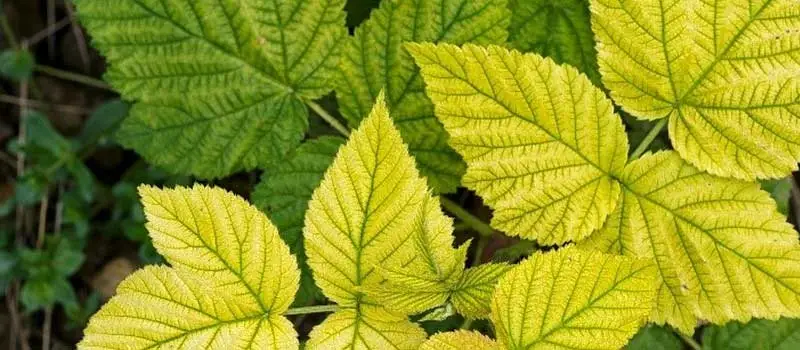
Iron chelates are important carriers of micronutrients that help solve one of agriculture's biggest problems: chlorosis caused by iron shortage. This condition shows up as leaves turning yellow with green lines, which has a direct effect on how well photosynthesis works and how much a crop can produce.
Chemical Structure and Mechanisms
The main difference between these iron chelates is how their molecules are put together. EDDHA Fe 6% uses ethylenediamine-N, N'-bis(2-hydroxyphenylacetic acid) as a chelating agent to make a very stable complex that doesn't break down easily in bad soil conditions. This granular mixture dissolves quickly in water because it is made up of pores, so plants can use it right away.
DTPA iron and diethylenetriamine pentaacetic acid work together to make a chelate that is fairly stable and good for some types of soil. But it's not as useful when the pH of the soil is higher than 7.5, which means it can't be used in many farming areas.
Bioavailability and Plant Uptake
Chelated iron is taken in by plant roots through special transport systems that can recognize the chelate-iron complex. EDDHA Fe 6% maintains this recognition signal even when the earth is very dry. This makes sure that iron always gets to chloroplasts, where it helps make chlorophyll and is part of the electron transport chains. Because it works with most water-soluble nutrients, it can be easily added to current fertigation programs without causing problems with precipitation.
Comparative Analysis: EDDHA Fe 6% vs. DTPA Iron
Knowing how each iron chelate works lets you make smart buying choices that have a direct effect on the revenue and productivity of agriculture.
Soil Compatibility and pH Adaptability
EDDHA Fe 6% is very strong in a wide range of soil conditions. It works especially well in calcareous soils, where high levels of calcium carbonate would normally separate iron from less stable chelates. The product meets standards for 99% clarity, which means it will always work the same way, no matter what the surroundings are like.
DTPA iron works well in normal to slightly alkaline situations, but it works much less well when the pH of the soil is 8.0 or higher. Because of this, it can't be used in many farming situations where soil pH is a constant problem.
Application Methods and Dosage Guidelines
The powdered form of EDDHA Fe 6% makes it easy to use in a number of ways, such as by mixing it with dirt, adding it to water, or treating specific root zones. Rates of treatment usually fall between 2 and 5 kg per hectare, but this depends on the iron content of the soil and the needs of the crop. Its quick-release properties make sure that symptoms go away quickly while also protecting you all season long.
DTPA iron usually needs higher treatment rates to get the same results, especially when the dirt is hard to work with. The higher dosage needs often cancel out the lower starting costs, which makes EDDHA Fe 6% cheaper over full growth seasons.
Environmental Safety and Longevity
Both of the chelates break down naturally, but EDDHA Fe 6% stays in the soil longer, so it doesn't need to be applied as often. This longer-lasting effectiveness means lower labor costs and better working efficiency for large-scale farming activities.
Procurement Insights for EDDHA Fe 6% and DTPA Iron Chelates
To buy iron chelates strategically, you need to look at a supplier's skills, the quality of their products, and how reliable their supply will be in the long run.
Quality Assurance and Certification Standards
Professional procurement goes beyond just checking the iron level; it also includes using High-Performance Liquid Chromatography (HPLC) to do ortho-ortho isomer percentage research. The ortho-ortho part is very important for the quality of EDDHA Fe 6%. It has better pH stability than the ortho-para isomers.
Reliable providers give thorough certificates of analysis that include reports on heavy metal pollution, solubility indices, and pH tolerance checks. These standards for paperwork make sure that rules about food safety are followed in global markets.
Pricing Considerations and Volume Advantages
The market price for iron chelates is based on how hard they are to make and how much the raw materials cost. Because it takes a lot of work to make EDDHA Fe 6%, it costs a lot, but cost-per-hectare estimates often show that it is worth the money when you look at how often it is used and how well it works.
For seasonal or yearly contracts, volume purchasing agreements usually lower costs by 10 to 15 percent. Distributors can improve their marketplace and profit margins by using private labeling and flexible packaging choices.
Supplier Evaluation and Risk Management
For procurement relationships to work, providers must be able to consistently make products that meet regulations and handle processes around the world. Manufacturers of good products keep their ISO certification, test each batch carefully, and offer expert help throughout the supply chain.
As farming needs grow, supply chain stability becomes more and more important. When you work with reliable providers, you can avoid production delays by getting help with managing your supplies, including EDDHA Fe 6%, planning for the seasons, and filling emergency orders.
How to Choose the Right Iron Chelate for Your Business Needs?
To get the best return on investment, choosing the right iron chelate takes a thorough analysis of operating needs, soil conditions, and business goals.
Soil Assessment and Crop Requirements
Testing the pH of the soil is the most important thing for choosing the right iron chelate. When the soil is constantly alkaline above pH 7.5, EDDHA Fe 6% works better. On the other hand, farms with neutral soil may want to look at DTPA options to save money.
Different crops are very sensitive to a good iron diet. Fruit trees, ornamental plants, and high-value veggies all respond strongly to it. Depending on the market and the amount of money they can make, commercial grain companies may put cost-effectiveness ahead of maximum effectiveness.
Budget Optimization and ROI Calculations
A full cost analysis looks at the prices of products, the work that goes into applications, the tools that are used, and how the results will affect yields. Due to less frequent application and better crop success, EDDHA Fe 6% often has a higher ROI, even though it costs more at first.
Distributors and farming service providers can make money by selling high-quality goods that end users can clearly see are worth the money. This method helps businesses make more money and keep customers coming back because it works.
Regulatory Compliance and Sustainability
Environmental laws are still changing to encourage farming methods that are good for the environment. These goals are helped by EDDHA Fe 6% because it needs less of a treatment, doesn't build up in the soil, and breaks down naturally in ways that protect groundwater quality.
The choice of chelate may be affected by the requirements for organic certification. Approvals vary by area and certifying group. Procurement teams need to check the compliance state of applications for the target market.
Case Studies and Industry Insights
The benefits of strategic iron chelate selection in a wide range of farming activities can be seen in real life.
Commercial Citrus Operations
A 500-hectare orange farm in California had iron chlorosis that wouldn't go away, even after multiple doses of DTPA. Switching to EDDHA Fe 6% resulted in a 35% reduction in chlorotic symptoms within three weeks, with complete symptom resolution by harvest. Yield improvements of 12% justified the premium product investment while cutting application work by 40%.
Greenhouse Vegetable Production
Hydroponic tomato producers report exceptional results using EDDHA Fe 6% in nitrogen treatments and say the plants do very well. Because the chelate is stable, it doesn't precipitate when high-phosphate fertilizers are used. This means that iron is always available during long growing cycles. When compared to other iron sources, producers got 18% higher scores for fruit quality.
Large-Scale Grain Operations
Midwest corn and soybean operations utilize EDDHA Fe 6% for targeted treatment of problematic field areas with calcareous soils. Strategic application to affected zones provides cost-effective yield protection while maintaining overall profitability across diverse soil types.
Conclusion
The choice between EDDHA Fe 6% and DTPA iron comes down to the land, the needs of the crop, and the business's goals. Furthermore, EDDHA Fe 6% works better in alkaline soils, stays effective for longer, and works better with new fertigation systems. If the earth is right, DTPA iron is cheaper, but the comprehensive benefits of EDDHA Fe 6% often justify the investment for commercial operations seeking maximum productivity and operational efficiency. Professional buying involves carefully examining a supplier's skills, quality standards, and long-term support services to make sure the project is carried out successfully and the farm continues to perform well.
FAQ
1. What makes EDDHA Fe 6% more effective than DTPA iron in alkaline soils?
EDDHA Fe 6% maintains molecular stability at pH levels up to 10.0, while DTPA iron begins precipitating around pH 7.5. This stability difference ensures continuous iron availability for plant uptake in challenging soil conditions where DTPA becomes ineffective.
2. Can both iron chelates be mixed with other fertilizers safely?
EDDHA Fe 6% works well with most water-soluble nutrients, even those that are high in phosphate. DTPA iron may have trouble precipitating when mixed with some types of fertilizer, especially when the water is salty.
3. How quickly do plants respond to iron chelate applications?
Visible improvements typically appear within 7 to 14 days during active growing periods. New growth comes up that is a healthy shade of green, and chlorotic leaves that are already there may partially recover, based on how bad it is and what kind of plant it is.
4. What storage requirements apply to these iron chelates?
Both items need to be kept in a cool, dry place out of direct sunlight. If you store EDDHA Fe 6% properly, it will stay stable for 24 months. DTPA iron has the same shelf life needs.
Partner with Hontai for Premium Iron Chelate Solutions
Hebei Hontai Biotech Co., Ltd. stands ready to support your iron nutrition requirements with high-quality EDDHA Fe 6% and full farming solutions. As a top provider of EDDHA Fe 6%, we stick to strict quality standards that include 99% purity and powdered forms that don't contain any dust and dissolve quickly in water.
To meet a wide range of purchasing needs, our professional team offers expert technical advice, a variety of packaging choices, and dependable global transportation. Hontai provides stable quality and reliable supply chain performance, whether you need big amounts for large-scale processes or custom formulations for specific uses. You can email our farming experts at admin@hontai-biotech.com to talk about your needs and find out how our premium iron chelates can help your crop nutrition programs.
References
1. Chen, Y., and Barak, P. "Iron nutrition of plants in calcareous soils." Advances in Agronomy, vol. 35, 1982, pp. 217-240.
2. Lucena, J.J. "Effects of bicarbonate, nitrate and other environmental factors on iron deficiency chlorosis." Journal of Plant Nutrition, vol. 23, no. 11-12, 2000, pp. 1591-1606.
3. Römheld, V., and Marschner, H. "Evidence for a specific uptake system for iron phytosiderophores in roots of grasses." Plant Physiology, vol. 80, no. 1, 1986, pp. 175-180.
4. Álvarez-Fernández, A., et al. "Evaluation of synthetic iron chelates in a hydroponic system." Journal of Agricultural and Food Chemistry, vol. 49, no. 12, 2001, pp. 5755-5760.
5. Pestana, M., et al. "Activity and persistence of synthetic iron chelates in soil." Journal of Plant Nutrition and Soil Science, vol. 164, no. 3, 2001, pp. 289-294.
6. Schenkeveld, W.D., et al. "The biodegradability of EDDHA chelates under controlled laboratory conditions." Geoderma, vol. 173-174, 2012, pp. 36-45.
Our customers’ satisfaction speaks for our quality — contact us to experience the same reliable service.