- English
- French
- German
- Portuguese
- Spanish
- Russian
- Japanese
- Korean
- Arabic
- Greek
- German
- Turkish
- Italian
- Danish
- Romanian
- Indonesian
- Czech
- Afrikaans
- Swedish
- Polish
- Basque
- Catalan
- Esperanto
- Hindi
- Lao
- Albanian
- Amharic
- Armenian
- Azerbaijani
- Belarusian
- Bengali
- Bosnian
- Bulgarian
- Cebuano
- Chichewa
- Corsican
- Croatian
- Dutch
- Estonian
- Filipino
- Finnish
- Frisian
- Galician
- Georgian
- Gujarati
- Haitian
- Hausa
- Hawaiian
- Hebrew
- Hmong
- Hungarian
- Icelandic
- Igbo
- Javanese
- Kannada
- Kazakh
- Khmer
- Kurdish
- Kyrgyz
- Latin
- Latvian
- Lithuanian
- Luxembou..
- Macedonian
- Malagasy
- Malay
- Malayalam
- Maltese
- Maori
- Marathi
- Mongolian
- Burmese
- Nepali
- Norwegian
- Pashto
- Persian
- Punjabi
- Serbian
- Sesotho
- Sinhala
- Slovak
- Slovenian
- Somali
- Samoan
- Scots Gaelic
- Shona
- Sindhi
- Sundanese
- Swahili
- Tajik
- Tamil
- Telugu
- Thai
- Ukrainian
- Urdu
- Uzbek
- Vietnamese
- Welsh
- Xhosa
- Yiddish
- Yoruba
- Zulu
What is Isoprothiolane used for?
share:
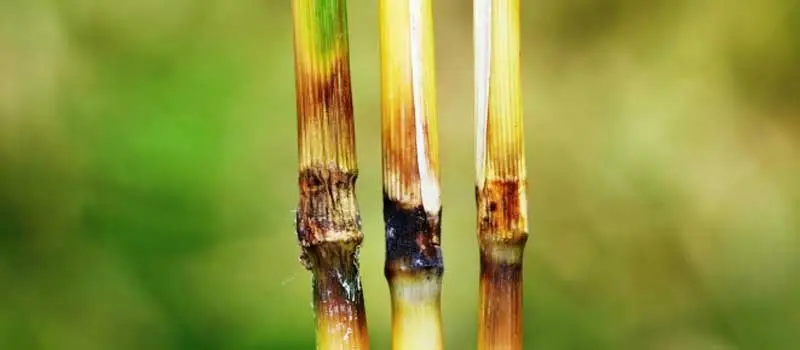
Isoprothiolane is a systemic pesticide and plant growth regulator that is in the dithiolane chemical class. It is mostly used in heavy agriculture to stop Magnaporthe oryzae from causing rice blast disease. This chemical works in two ways: it stops fungus cells from making lipids and also helps host plants grow. In addition to killing diseases, it also kills planthoppers and helps roots grow when they are stressed, which makes it a useful tool for large-scale farmers looking for safe crop protection options.
Understanding Isoprothiolane: Chemical Properties and Mode of Action
Molecular Structure and Physical Characteristics
Isoprothiolane, whose chemical name is diisopropyl 1,3-dithiolan-2-ylidenemalonate (CAS No. 50512-35-1), is a white to slightly yellow crystalline material whose melting point ranges from 50°C to 54.5°C in its scientific grade formulation. The chemical doesn't dissolve well in water (48 mg/L at 20°C), but it dissolves very well in organic liquids like methanol and acetone. This solubility profile makes it very useful for different formulation types, such as emulsifiable concentrates and wettable powders, which are chosen by agrochemical wholesalers who need to give a wide range of products.
Systemic Activity and Translocation
This fungicide's ability to work throughout the plant is a big plus for industrial farming. Once the chemical is absorbed by the roots, it moves up to the leaves and protects the new growth without needing to cover the whole canopy when applied. This feature lowers the number of times the product needs to be applied and the cost of labor while still keeping diseases at bay over big areas of farming.
Biochemical Mode of Action
Isoprothiolane is different from other contact fungicides because it targets phospholipid N-methyltransferase in fungal cells. This stops membrane formation and damages the structure of the cells. This particular interaction with a biochemical pathway works well against blast types that are no longer controlled by organophosphorus and kasugamycin-based drugs. The compound's special way of working solves a big problem that farming service providers have to deal with: keeping up with changing disease populations while keeping treatments working.
Toxicological Profile and Safety Classification
From a regulatory point of view, the substance is not very dangerous to mammals, as rats' oral LD50 is higher than 1190 mg/kg. This good toxin profile meets strict international safety standards for pesticide exposure, which is an important thing for pest control companies and farm owners who want to make sure their workers are safe. The compound is very stable in neutral and slightly acidic conditions. Its hydrolysis half-life is more than one year at pH 7, which means it will keep working for a long time and will store well.
Primary Uses of Isoprothiolane in Agriculture
Rice Blast Disease Management
This systemic fungicide is mostly used to control rice blast disease, which affects the quality and amount of rice crops grown in humid and warm areas. When used during the starting to heading stages, it handles both leaf blast and panicle blast symptoms well. This compound's vapor-phase activity makes it possible to control diseases even in thick canopy areas where regular spray droplet penetration is hard. This is a situation that often happens in business fields with a lot of plants.
Application Timing and Methodologies
For the best disease control, time must be carefully planned to match crop phenology. During the preventive stage, the most important time to apply is during late booting (5–10% heading), followed by a second dose at full heading. Curative applications are still useful, but early management methods are the best way to stop yield loss.
Application methods of Isoprothiolane change depending on the size of the job and the tools that are available. Large-scale farmers usually use foliar sprays with active ingredient amounts between 1000 and 1500 ppm. The spray quantities are changed based on the plant's canopy density and growth stage. As an option, seed treatment methods can be used to protect plants early in the season, when environmental stress factors are highest, and they are most sensitive.
Planthopper Population Suppression
Aside from killing fungi, this chemical also stops insects from feeding on brown planthopper (Nilaparvata lugens) and white-backed planthopper species. The method lowers population density by stopping the molting process and slowing down the egg-laying rate. This two-in-one feature helps with integrated pest management strategies by lowering the total amount of pesticides needed during growing seasons. This is a benefit that agribusinesses and farm technology service companies that care about the environment will appreciate.
Root Development Enhancement
This pesticide works as a phytotonic agent in high-stress farming situations, like when cold water is used for watering or when plants are moved early in the season, which is common in northern rice-growing areas. Choline kinase activity is increased by submerged granule treatments, which stop root rot and encourage strong root adhesion. This physiological reaction speeds up healing from transplant shock and improves the efficiency of nutrient uptake. This helps keep yields stable even when weather conditions are bad, which can be a problem for traditional farming methods.
Resistance Management Protocols
The growth of fungicide-resistant pathogens is a constant worry for crop protection companies and business farmers who are putting money into long-term disease control plans. Rotating fungicides with different modes of action, like tricyclazole and azoxystrobin, stops the selection pressure that leads to resistance development. When two or more active ingredients that work well together are mixed in the same tank, they work better together and last longer. This is because the selection pressure is spread across many biological targets.
Isoprothiolane Compared: Making the Right Fungicide Choice
Efficacy Against Target Pathogens
Procurement pros have to weigh the effectiveness, cost, and resistance risk of different fungicides when making their decisions. This dithiolane substance is similar to tricyclazole in that it stops blasts, but it also has phytotonic effects that make plants stronger. Tricyclazole is very good at stopping infections, but it doesn't have the growth-promoting properties that are needed in places with a lot of stress. Even though carbendazim is cheap, it has problems with resistance in many rice-growing areas. This makes it less reliable for industrial uses that need to control diseases reliably.
Cost-Effectiveness Analysis
For agrochemical wholesalers and large-scale makers with small profit margins, price competitiveness is still very important. This fungicide is usually in the middle of the price range. It's a better deal than high-end goods and works better than cheaper options that have trouble with resistance. When you buy in bulk from a company with whom you already do business, you can save money on treatment costs per hectare, which can increase your total return on investment over the course of several growing seasons.
Integration into Crop Protection Programs
Managing diseases well rarely depends on just one or two active ingredients. This systemic fungicide, Isoprothiolane 40% EC, works well as part of larger crop protection plans. It works well with touch fungicides that protect the plant's surface between systemic treatments. The compound works well with common tank-mix partners, like insecticides that kill stem borers and foliar fertilizers. This makes the application easier, as less equipment passes and labor is needed. This is especially helpful for commercial farms that take care of hundreds to thousands of hectares.
Procurement Guide for Isoprothiolane: Sourcing and Supplier Insights
Evaluating Manufacturer Credentials
A careful review of the provider is the first step in finding reliable sources. Purchasing managers should give more weight to producers who can show proof of their quality management systems, such as ISO certifications and agreement with good manufacturing practices. Having experience exporting and being able to provide the right paperwork is especially important for buyers who want to do business in countries with strict registration rules. Hontai Biotech, which was founded in 2021 and is based in Hebei Province, is an example of a maker that offers full certification support as well as adjustable OEM and ODM services that can meet the needs of regional wholesalers for private label products.
Quality Assurance Parameters
Product quality has a direct effect on how well it works in the field and how happy customers are with it. For emulsifiable concentrate formulations, it's important that the active ingredient content stays within ±2.0% of the labeled concentration, the emulsion stability meets CIPAC MT 36.3 standards, and the moisture content stays below 0.5% so that the formulation doesn't break down during storage. To make sure the sprayer is calibrated correctly and the product is applied evenly, the persistent foaming should stay below 25 ml after one minute. Reliable sellers give analytical certificates for each batch that show they meet these standards. This gives buying teams proof of quality assurance they can check.
Logistics and Delivery Considerations
To make the global supply chain work better, everyone needs to know the rules for importing and exporting, the standards for packing, and the travel times. Standard packaging for large sales usually comes in 200-liter drums or 20-liter containers. Labels can be changed to fit the needs of the final market. Shipping times from Asian factories to North American ports are usually between 25 and 35 days. This means that you need to plan ahead to make sure that your inventory is available during the right times of the year for applications. Established providers keep clear records of production plans and shipping status, which keeps supply problems that could hurt crop safety programs to a minimum.
Environmental and Safety Considerations When Using Isoprothiolane
Environmental Degradation Profile
Understanding the traits of natural fate helps people use resources in a sensible way. This molecule breaks down in soil by microbes and has a half-life of 30 to 60 days under normal field conditions, which means it stays there for a modest amount of time. Similar patterns of breakdown can be seen in aquatic settings, though sorption to organic matter makes them less bioavailable to aquatic creatures that aren't the target. The substance is not very volatile, which means it doesn't move around in the air easily, which makes it easier to use in sensitive places.
Ecotoxicology and Non-Target Impacts
The compound (Isoprothiolane 40% EC) is not very dangerous to mammals, but people who use it need to think about how it will affect useful insects and aquatic animals. Studies on honey bees' toxicity show low acute contact toxicity, which supports its use in systems that control pollinators and plants together. Aquatic creatures are moderately sensitive, so safety zones must be set up near bodies of water during application times. Because of these ecotoxicological traits, operations must be carefully planned, especially when they are close to conservation areas or water sources that serve farming or municipal uses further downstream.
Personal Protective Equipment and Handler Safety
Safe handling procedures protect the health of the agent and show that they are following the rules. Chemical-resistant gloves, long-sleeved protective clothing, and eye protection are all pieces of personal protective equipment that should be worn during mixing and packing tasks. When commercial workers treat big areas, closed-cab application equipment gives them extra safety. As soon as someone is accidentally exposed, they should wash their skin with soap and water and see a doctor if they come into contact with something serious or accidentally eat something.
Regulatory Compliance Across Markets
Different farming markets around the world have different rules about how to register and use fungicides. The US Environmental Protection Agency needs a lot of information about how well the product works and what happens to it in the environment. This information is then reviewed on a regular basis as part of the register review program. Under the Sustainable Use Directive, markets in the European Union have strict maximum waste limits and risk estimates for the environment. Asian markets, such as those in major rice-producing countries, usually keep registers current with set maximum residue limits that work with commercial production systems. For legal reasons and to get into the market, procurement teams must check the state of a product's registration in the places it will be going.
Conclusion
Isoprothiolane is a tried-and-true method for controlling the rice blast disease because it works on a general level and has special benefits that help plants grow. Its two functions—controlling fungal pathogens and reducing planthopper populations while also improving root growth—make it very useful in integrated crop security methods. To do it right, you need to know about chemical properties, when to apply them, how to deal with pushback, and how to keep the surroundings safe. When making purchasing choices, it's helpful to look at a supplier's credentials, quality control skills, and support for legal compliance. As agriculture markets demand more sustainable intensification, this compound's good performance-to-harm profile makes it a trusted part of programs that handle diseases in rice production systems around the world.
FAQ
1. Can this fungicide be safely applied to crops beyond rice?
Even though rice is the main crop that has been labeled, a study shows that it might also be useful for other grains that are getting diseases related to blast. The state of registration changes from place to place, and using agricultural chemicals in ways that are not on the label without permission from the government is illegal in most markets. Before marketing apps that aren't on approved crop lists, distributors should check with their local regulatory authorities.
2. What indicators suggest emerging fungicide resistance in field populations?
The main sign of resistance development in the field is less disease control, even when the right time and doses are used. The diagnosis is set in stone when isolated sensitivity testing is done in the lab. Before resistance shows up, preventative rotation with different ways of acting works better than reflexive reactions that are made after control failures are seen.
3. How frequently should applications occur during the growing cycle?
Protocols say that two treatments should be used each season: one during late staking and one during full heading. Extra treatments every 10 to 14 days may be needed in places where diseases are common or with types that are easily infected. Too much application frequency speeds up the development of resistance and raises production costs without increasing yields in the same way. This is why time is so important for long-term disease management.
Partner with Hontai for Reliable Isoprothiolane Supply
Hebei Hontai Biotech Co., Ltd. is ready to help you protect your crops with high-quality fungicide products, as well as thorough expert support and strict quality control. As a well-known Isoprothiolane provider that serves agricultural markets around the world, we can offer you reasonable bulk prices, a variety of OEM labelling choices, and all the regulatory paperwork you need to make the buying process easier. Our professional team can help you with application methods, strategies for managing resistance, and incorporating these into full crop protection plans that are specific to your business needs. Our after-sales service system takes care of technical questions and improves field performance. Fast global operations make sure that deliveries happen on time and in line with your planting plans. Get in touch with our team at admin@hontai-biotech.com to talk about your specific needs and find out how our stable product quality and skilled agricultural service knowledge can help you better control diseases and make your customers happier across your distribution network.
References
1.Tomlin, C.D.S. (2009). The Pesticide Manual: A World Compendium, 15th Edition. British Crop Protection Council, Alton, Hampshire, UK.
2. Kato, T., Tanaka, S., and Ueda, M. (1984). Studies on the Mode of Action of Isoprothiolane as a Rice Blast Control Agent. Journal of Pesticide Science, 9(2), 219-224.
3.Food and Agriculture Organization of the United Nations (2016). FAO Specifications and Evaluations for Agricultural Pesticides: Isoprothiolane. Rome, Italy.
4. Zhang, W., Jiang, F., and Ou, J. (2011). Global Pesticide Consumption and Pollution: With China as a Focus. Proceedings of the International Academy of Ecology and Environmental Sciences, 1(2), 125-144.
5. Collaborative International Pesticides Analytical Council (2018). CIPAC Handbook: Analysis of Technical and Formulated Pesticides, Volume K. CIPAC, Hatching Green, UK.
6. United States Environmental Protection Agency (2020). Reregistration Eligibility Decision for Isoprothiolane. Office of Pesticide Programs, Washington, D.C.
Our customers’ satisfaction speaks for our quality — contact us to experience the same reliable service.