- English
- French
- German
- Portuguese
- Spanish
- Russian
- Japanese
- Korean
- Arabic
- Greek
- German
- Turkish
- Italian
- Danish
- Romanian
- Indonesian
- Czech
- Afrikaans
- Swedish
- Polish
- Basque
- Catalan
- Esperanto
- Hindi
- Lao
- Albanian
- Amharic
- Armenian
- Azerbaijani
- Belarusian
- Bengali
- Bosnian
- Bulgarian
- Cebuano
- Chichewa
- Corsican
- Croatian
- Dutch
- Estonian
- Filipino
- Finnish
- Frisian
- Galician
- Georgian
- Gujarati
- Haitian
- Hausa
- Hawaiian
- Hebrew
- Hmong
- Hungarian
- Icelandic
- Igbo
- Javanese
- Kannada
- Kazakh
- Khmer
- Kurdish
- Kyrgyz
- Latin
- Latvian
- Lithuanian
- Luxembou..
- Macedonian
- Malagasy
- Malay
- Malayalam
- Maltese
- Maori
- Marathi
- Mongolian
- Burmese
- Nepali
- Norwegian
- Pashto
- Persian
- Punjabi
- Serbian
- Sesotho
- Sinhala
- Slovak
- Slovenian
- Somali
- Samoan
- Scots Gaelic
- Shona
- Sindhi
- Sundanese
- Swahili
- Tajik
- Tamil
- Telugu
- Thai
- Ukrainian
- Urdu
- Uzbek
- Vietnamese
- Welsh
- Xhosa
- Yiddish
- Yoruba
- Zulu
What crops is the herbicide Clodinafop-Propargyl 240 G/L used on?
share:
Clodinafop-propargyl serves as a selective post-emergence herbicide designed specifically for managing annual grass weeds in cereal crops. The 240 g/L formulation represents a concentrated solution that targets problem grasses while preserving the integrity of wheat, barley, and related small grains. This herbicide operates through ACCase inhibition, disrupting fatty acid production in susceptible weeds and causing necrosis within days of application. Wheat growers across continents rely on this chemistry to combat wild oats, ryegrass, and foxtail species that otherwise compete aggressively for nutrients and moisture.
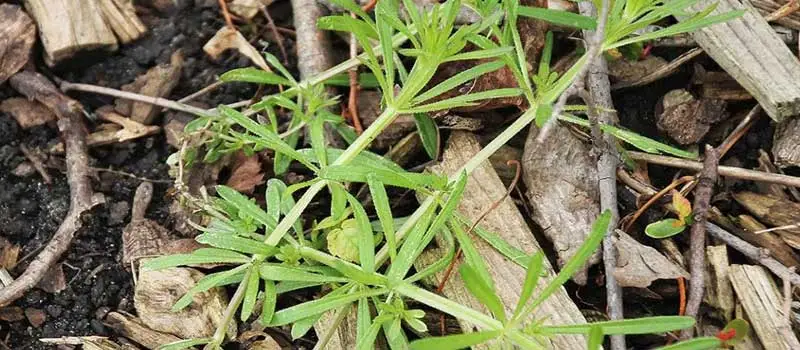
Introduction to Clodinafop-Propargyl 240 G/L
Global grain production is always being hampered by grass weeds that, if not managed, cut returns by 20 to 40 per cent. The aryloxyphenoxypropionate class of pesticides has become popular as a tool for protecting crops because they are selective and kill a wide range of grasses. This 240 g/L liquid formula has the right amount of active ingredient concentration and is easy to handle and mix. This makes it a popular choice for both large-scale businesses and agrochemical wholesalers.
Chemical Profile and Mode of Action
The main ingredient is from the FOP group. It stops lipid production in grass species by blocking acetyl-CoA carboxylase. This herbicide is stable in a wide range of storage settings and outdoor exposures. Its molecular formula is C₁₇H₁₃ClFNO₄, and its purity level in technical grade is 95% TC. Within one to two hours of treatment, the leaf absorbs it quickly. It then moves throughout the body to meristematic tissues, where cell division stops. The 240 g/L concentration makes it possible to mix the chemicals well in the tank and move them in smaller amounts, which helps importers and regional wholesalers with their logistics.
Role in Integrated Weed Management
Weeds are still becoming resistant to older pesticide groups, especially in systems with a lot of grain crops. ACCase inhibitors are important parts of herbicide programmes because they stop tolerance from building up by rotating their mode-of-action groups. When used with the right safeners, like Cloquintocet-mexyl, crop safety is high enough that even sensitive wheat types can be grown without problems. The post-emergence treatment window goes from the two-leaf stage to mid-tillering of target plants, giving farmers in both hemispheres a lot of options for when to plant. This accuracy in time cuts down on early competition and keeps crops strong during important growth stages.
Crops Commonly Treated With Clodinafop-Propargyl 240 g/L.
Knowing which plants can grow with which ones ensures that weeds can be controlled effectively without causing harm to plants. This clodinafop-propargyl pesticide is very selective for small grain crops, but the right way to use it depends on the species and the farming methods used in the area.
Primary Cereal Targets
Wheat varieties, which include both winter and spring types, represent the most common use case around the world. Wheat farmers use this insecticide to get rid of wild oats, Italian ryegrass, and annual bluegrass all the way from the Great Plains in North America to the Punjab area of India. This chemistry is also good for growing durum wheat in Mediterranean conditions, especially where Phalaris minor has become resistant to other herbicides. Usually, the best time to apply is when the wheat is tillering, and the weeds you want to kill are actively growing between the two- and four-leaf stages.
Barley production systems utilise the same formulation under similar conditions. However, dose changes may be needed for malting types that are more sensitive. When used with approved safeners, the herbicide can be used on both spring and winter barley. This lets farmers control populations of blackgrass and wild oats that threaten crop zones in Europe and Australia. Because it works with barley, the market potential is bigger in the beer and feed grain industries.
Rye and triticale crops respond safely to this pesticide, Clodinafop-Propargyl, as long as it is used according to the directions on the box, even though they are grown on smaller plots of land. These cereals are often used as cover crops or as a replacement for grass weeds in systems that use rotation. The time for application is the same as for wheat, focused on the early stages after emergence, when competition from weeds gets tougher.
Crop Safety and Phytotoxicity Considerations
When field safeners are added, a chemical that could be dangerous is turned into a selective tool. These safeners speed up the digestion of herbicides in grain tissues, turning the active molecule into non-toxic metabolites. Grass weeds, on the other hand, do not have this way of getting rid of the chemicals. When it comes to the active ingredient, safener levels of 4:1 or 5:1 make sure that wheat and barley don't get damaged during treatment. If there were no safeners, target crops would get stunted, show chlorosis, and lose output.
Some broadleaf crops that are put after treated grains are limited in what they can grow. If you plant pulses, oilseeds, or veggies within a few months of applying a pesticide, they may be sensitive to its residues. Depending on wetness, microbial activity, and pH levels, soil can stay active for 30 to 90 days. This means that cropping decisions need to be carefully planned. Distributors and agricultural experts need to let customers know about these restrictions so that crops don't get damaged and customers keep trusting them.
Regional Usage Patterns
This pesticide is highly valued in European markets for its ability to control resistant blackgrass populations that are a problem for continuous wheat systems. Different EU member states have different rules about getting approvals. To protect groundwater safety, some countries limit the number of applications or the time they can be made. The chemicals are used against wild oats and foxtail millet in North America's food belts. They work best in no-till systems because the herbicide cycle stops tolerance from developing. Indian wheat farmers are under a lot of pressure from Phalaris minor. This pesticide works well for controlling plants after they've emerged, when other products have failed because of widespread tolerance. These geographical trends affect how much is bought and how it is distributed by importers and wholesalers.
How does clodinafop-propargyl work, and what is its weed control spectrum?
By knowing how this clodinafop-propargyl herbicide affects biochemistry, application methods can be made more effective, and tolerance can be managed.
Mechanism of ACCase Inhibition
All plants need to make fatty acids in order for membranes to form and cells to grow. Acetyl-CoA carboxylase is the enzyme that does the committed step in this pathway. It changes acetyl-CoA to malonyl-CoA. Clodinafop-propargyl attaches to the carboxyltransferase domain of ACCase in grass species, stopping substrate binding and stopping the production of malonyl-CoA. Without this building block, membranes break down, lipid production stops, and meristematic cells die within 7-14 days. Some visible signs are the stopping of growth, chlorosis of the leaves, and eventually death beginning at the growing points.
The selection comes from the fact that ACCase enzymes are structured differently in grains and grasses, and safener-protected crops have faster metabolisms. Because of this, herbicides can kill competing plants but not grain crops, which can continue to grow normally.
Target Weed Spectrum
Wild oats (Avena fatua) are one of the worst grass weeds for wheat systems around the world when present in large numbers, cutting yields by 30 to 50 per cent. When used on young, rapidly growing wild oat plants, this insecticide kills them 90–100% of the time. When you apply it later or when the weeds are bigger, it's less effective and needs higher amounts.
Italian ryegrass, or Lolium multiflorum, grows in warm areas and takes over wheat fields, where it competes strongly for light and food. It is important to use ACCase inhibitors in resistance control plans because populations that are resistant to glyphosate and older herbicides are still sensitive to them.
Blackgrass (Alopecurus myosuroides) is a big problem for grain production in Europe, and many biotypes have more than one way to fight it. When sprayed early, this herbicide kills blackgrass that is weakly or fairly resistant. However, tank mixing with other herbicides that work well together improves results.
Foxtail species, canary grass, and volunteer grains from earlier seasons are some other species that have been managed. The spectrum is still only effective against annual grasses and not against broadleaf weeds or sedges. This means that multiple doses are needed to get rid of all weeds.
Resistance Management Strategies
Using ACCase inhibitors, such as Clodinafop-Propargyl 240 g/l, over and over again speeds up the development of tolerance by changing target sites and improving metabolism. Herbicides with different modes of action, like sulfonylureas, synthetic auxins, or photosystem inhibitors, can be used back and forth to prevent the start of tolerance. Mixing herbicides in a tank that work well together and kill weeds with overlapped spectral ranges can lower the selection pressure on any one mode of action.
Long-term weed control is achieved by using a mix of different pesticide rotations, different crop rotations, and cultural practices such as planting later or using competitive crop types. Agronomic advice that is tailored to each field's history and plant population helps B2B clients who are in charge of big areas of land.
Application Guidelines and Best Practices for B2B Clients
To get the most out of a clodinafop-propargyl herbicide, you need to pay attention to the dose, the time, the surroundings, and safety rules. Procurement managers and crop protection service providers need to make sure that end users get clear instructions that they can follow.
Recommended Dosage and Timing
Standard rates for applying the 240 g/L mixture to wheat and barley are between 200 and 400 mL per hectare. This gives each hectare 48 to 96 grammes of active ingredient. Lower doses are enough for early-stage weeds that are easily killed, while higher doses are needed for bigger weeds or biotypes that are immune. Splitting doses in half, applying half at the start of weed growth and the other half two weeks later, can help control weeds that are growing quickly.
Synchronising growth stages is important; the best time to apply pesticide is when the weeds have two to four leaves and are still growing. Weeds that are stressed by cold or drought take less pesticide, making it less effective. To be able to handle the treatment, wheat should have been tillered all the way through and been past the vulnerable young stage. Do not use it when crops are under stress, like when there is cold or drought, or right after using insecticides that may react badly with the plant.
Environmental and Safety Considerations
Temperature affects how well a pesticide works, with the best effects happening between 10°C and 25°C. Adjuvants, such as crop oils or non-ionic detergents, help the chemicals get into the leaves better, especially when it's cooler outside. Within an hour, it becomes rainproof, but if it rains right after spraying, it may not stick as well and needs to be reapplied.
Personal safety equipment, like goggles, gloves, and protective clothing, keeps the skin and eyes from getting exposed. To protect field workers, applicators must follow the label's guidelines about when they can re-enter and when they can't. Choosing the right nozzles and calibrating the sprayer will make sure even coverage is achieved and stop drift to crops that aren't being treated or sensitive areas.
As a responsible citizen of the world, you need to know about the marine toxins of the Clodinafop-propargyl herbicide. Because this pesticide is mild to highly harmful to aquatic animals and algae, there must be buffer zones around bodies of water. Adsorption by the soil is average, and there isn't much risk of leaking under normal conditions. However, sandy soils with low organic matter may let things move down. Following the rules set by the federal government and local governments about applying near rivers, residential areas, and environmentally sensitive zones is important for protecting both the environment and the person applying.
Conclusion
The main crops that gain from Clodinafop-Propargyl 240 g/L applications are wheat, barley, rye, and triticale. It also kills grass weeds like wild oats and hardy blackgrass. Because ACCase is blocked and safeners are protected, the pesticide selectively kills competitive grass species while keeping grain crops healthy. To implement something effectively, you need to pay attention to the timing of the application, the surroundings, and methods for managing resistance that work in the long run. Partnerships with makers that offer consistent quality, regulatory support, and logistical flexibility tailored to regional markets will be valuable for procurement workers looking for trusted providers.
FAQ
1. Which specific wheat varieties tolerate clodinafop-propargyl applications?
When the right safeners are added to recipes, both winter and spring wheat types show great tolerance. Durum wheat also acts safely, but growers should talk to their local extension services for advice on how to handle their individual variety. Do not use on wheat plants that are stressed or that are very young, as tolerance decreases in these situations.
2. What happens if the herbicide is applied to broadleaf crops?
Broadleaf plants, like pulses, oilseeds, and most veggies, are very poisonous to plants. This clodinafop-propargyl herbicide doesn't work on anything but grain crops, which can lead to stunting, chlorosis, and even yield loss. By stopping drift and following rotation rules, you can keep sensitive crops in nearby areas and new plants from getting hurt by accident.
3. How can buyers verify product quality before large-scale purchases?
Ask for analysis papers that show the amount of active ingredient in the product through HPLC testing, as well as profiles of impurities and enantiomeric purity. Sample batches are tested by a third-party lab to make sure they meet the requirements. Check out the supplier's quality control systems and ask for batch tracking paperwork to make sure the products are always made the same way.
Partner With Hontai for Reliable Clodinafop-Propargyl Supply
Large-scale farming operations and companies that sell agrochemicals need a Clodinafop-Propargyl provider they can count on to provide stable quality, follow regulations, and provide quick service. Hontai specialises in making high-purity pesticides that can be made in a variety of ways to fit the needs of different markets. Our factory in Shijiazhuang follows strict quality control procedures to make sure that every batch meets the highest safety and effectiveness standards set by the international community. We cut down on wait times and keep supply chains stable during key application windows by using fast global transportation to connect Hebei to buyers all over the world. Our professional team gives detailed advice on the best ways to use our products, how to deal with pushback, and how to fill out the necessary paperwork for the government so that we can get into new markets and keep customers happy. Email us at admin@hontai-biotech.com to talk about bulk orders, OEM possibilities, and unique crop protection solutions that fit your needs. Hontai is your reliable partner in modern weed control because of its benefits that come from stable product quality.
References
1. Anderson, R.L. (2020). Grass Weed Control in Small Grain Cereals: Strategies and Herbicide Selection. Agronomy Press, Lincoln, NE.
2. European Weed Research Society (2019). ACCase Inhibitor Herbicides: Mode of Action and Resistance Management. EWRS Technical Bulletin, Vol. 14, Issue 3.
3. Kumar, V. & Singh, S. (2021). Herbicide Resistance in Indian Wheat Systems: Current Status and Management Approaches. Indian Journal of Weed Science, 53(2), 112-128.
4. Thompson, J.E. (2018). Cereal Crop Protection: Integrated Pest and Weed Management. Cambridge University Press, Cambridge, UK.
5. United States Environmental Protection Agency (2017). Pesticide Fact Sheet: Clodinafop-Propargyl. EPA Office of Pesticide Programs, Washington, DC.
6. Zhou, H., Chen, Y., & Liu, W. (2022). Selectivity Mechanisms of Aryloxyphenoxypropionate Herbicides in Wheat and Grass Weeds. Pesticide Biochemistry and Physiology, 185, 105-118.
Our customers’ satisfaction speaks for our quality — contact us to experience the same reliable service.