- English
- French
- German
- Portuguese
- Spanish
- Russian
- Japanese
- Korean
- Arabic
- Greek
- German
- Turkish
- Italian
- Danish
- Romanian
- Indonesian
- Czech
- Afrikaans
- Swedish
- Polish
- Basque
- Catalan
- Esperanto
- Hindi
- Lao
- Albanian
- Amharic
- Armenian
- Azerbaijani
- Belarusian
- Bengali
- Bosnian
- Bulgarian
- Cebuano
- Chichewa
- Corsican
- Croatian
- Dutch
- Estonian
- Filipino
- Finnish
- Frisian
- Galician
- Georgian
- Gujarati
- Haitian
- Hausa
- Hawaiian
- Hebrew
- Hmong
- Hungarian
- Icelandic
- Igbo
- Javanese
- Kannada
- Kazakh
- Khmer
- Kurdish
- Kyrgyz
- Latin
- Latvian
- Lithuanian
- Luxembou..
- Macedonian
- Malagasy
- Malay
- Malayalam
- Maltese
- Maori
- Marathi
- Mongolian
- Burmese
- Nepali
- Norwegian
- Pashto
- Persian
- Punjabi
- Serbian
- Sesotho
- Sinhala
- Slovak
- Slovenian
- Somali
- Samoan
- Scots Gaelic
- Shona
- Sindhi
- Sundanese
- Swahili
- Tajik
- Tamil
- Telugu
- Thai
- Ukrainian
- Urdu
- Uzbek
- Vietnamese
- Welsh
- Xhosa
- Yiddish
- Yoruba
- Zulu
Imazamox Technical Market - Global Trend and Growth Outlook
share:
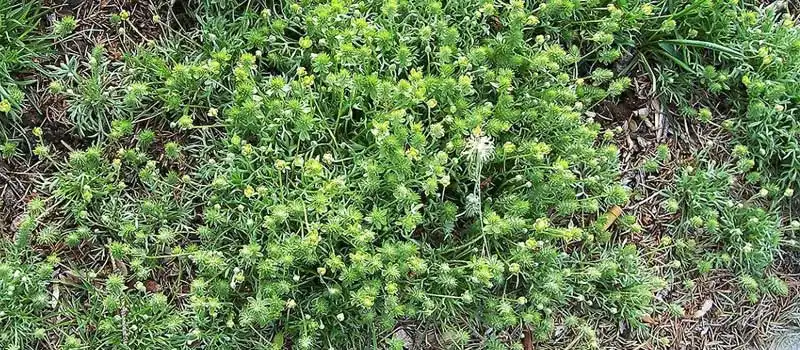
The global market for imidazolinone herbicides is witnessing notable expansion, with imazamox positioned as a pivotal post-emergence solution for weed management in legumes and specialty crops. Valued for its systemic action and compatibility with tolerant crop varieties like Clearfield wheat and sunflowers, imazamox addresses critical challenges in modern farming, including herbicide-resistant weeds and crop rotation flexibility. This analysis examines worldwide market trends, technical specifications, procurement strategies, and compliance considerations essential for commercial agricultural producers, agrochemical distributors, and crop protection specialists seeking reliable herbicide solutions.
Introduction
Weed control that works is still an important part of farming all over the world. Imazamox is one of a kind, a selective herbicide because it can kill grass and green weeds in crops that are sensitive to it without hurting the plants. This compound, which is in the imidazolinone family, works through a special biochemical route that stops specific weeds from making amino acids while leaving carefully bred crop types to grow normally.
It is very important for B2B procurement workers who run large-scale farming operations or distribute agrochemicals across regional markets to understand Imazamox's technical background and market trends. This herbicide solves long-lasting problems like weeds that come up on their own in legume rotations and makes integrated weed control systems more flexible. Growers of soybeans, peanuts, lucerne, and genetically modified cereal varieties believe in Imazamox because it has been approved by regulators in various areas and has been shown to work well in the field.
The research that follows gives useful information about global demand trends, application protocols, performance comparisons, and supply chain issues. Whether you run large farms that cover thousands of hectares or sell crop protection goods to a wide range of agricultural markets, this report gives decision-makers the data-driven insights they need to make the best choices about where to buy herbicides and how to use them.
Global Market Overview of Imazamox
Regional Demand Drivers
The global market for imazamox shows that more land is being used to grow legumes, and herbicide-tolerant crop systems are becoming popular. North America uses the most because it grows a lot of soybeans, and Clearfield farming methods that use imidazolinone chemistry are very popular there. Imazamox is often used to kill weeds on commercial farms in the Midwest of the United States. This is especially true for tough species like waterhemp and Palmer amaranth that have many ways to fight off the herbicide.
Europe is another important market group. Integrated pest control and less glyphosate use are encouraged by current regulations in Europe. Farmers who grow grains for humans and animals to eat like Imazamox because it is selective for crops and doesn't last as long in the environment as older imidazolinone versions do. In the Asia-Pacific region, growth is speeding up, especially in countries that are growing more legumes to meet their own protein needs and take advantage of export possibilities.
Market Growth Trajectory
Imazamox is expected to have steady compound yearly growth rates for the rest of this decade, according to studies of the industry. Several things are making the problem worse: plants are becoming more resistant to common herbicides; more speciality crops are being grown, which needs specific chemistry; and crop cycle flexibility is good for farming. Growers of sugar beets like imazamox because it has shorter residual activity in the soil, which means that following legume products can grow without damage. This is an important factor that is missing with imidazolinones that have longer residual activity.
Regulatory attention to marine toxins and strict maximum residue limits in some export markets are some of the problems that are slowing the growth of the market. To get around these problems, procurement managers need to work with providers that keep full registration portfolios and provide proof of legal use in a wide range of cropping systems and areas.
Technical Insights into Imazamox – Mode of Action and Application
Chemical Properties and Biological Mechanism
Imazamox (CAS 114311-32-9) is a systemic pesticide that works after plants have come up. Its chemical formula is C₁₅H₁₉N₃O₄, and it is a molecule that is taken in by both the leaf surfaces and the root systems. It then moves through the xylem and phloem to reach tissues that are actively growing. When Imazamox gets into plants that are sensitive, it stops acetolactate synthase from working. This is the enzyme that makes valine, leucine, and isoleucine. Without these important branched-chain amino acids, target plants can't divide their cells properly, which causes signs like stopping to grow, turning green, and eventually wilting.
In scientific concentrate form, the pesticide looks like an off-white to light yellow crystalline solid. For field use, it is usually made as a soluble liquid or water-dispersible granules. Hontai makes Imazamox in two different forms: a 98% technical extract and a 4% liquid. They make sure to meet strict quality standards that make sure the drug works the same way in all kinds of environments.
Application Protocols and Crop Safety
Paying close attention to time and dosage is important for effective rollout. Application rates are usually between 0.032 and 0.05 lb of active ingredient per acre, and they should be used when the weeds being targeted are actively growing and in the right stage of growth. Post-emergence doses work best for soybeans and other legumes because they kill weeds when they are still small and quickly breaking down pesticide molecules. Imazamox can reach deep rhizomes and root systems because it is a systemic drug. This means that it can kill permanent plants for a long time.
Crop tolerance comes from certain metabolic pathways that are present in treated types or that are naturally present in some species of legumes. Clearfield wheat, sunflowers, and canola have had their genes changed so that they can quickly get rid of herbicides. Alfalfa and some pulse crops are naturally tolerant to herbicides. To avoid hurting crops by accident, growers must make sure that the varieties will work together before applying. Tank mixing with the right adjuvants improves foliar uptake, especially when the climate isn't ideal, like when there isn't much humidity or the leaves dry out quickly.
Resistance Management Strategies
For weed control to last, resistance must be actively avoided. Long-term effectiveness is maintained by mixing Imazamox with pesticides that work in different ways, like photosystem II inhibitors or synthetic auxins. Using automated farming, cover crops, and different crop cycles together lowers the selection pressure on weed populations even more. When advising business operations, agronomic service providers stress these integrated methods because they know that relying too much on a single chemistry speeds up the development of resistance and limits future control options.
Comparative Analysis – Imazamox vs. Other Herbicides
Performance Against Key Weed Species
Compared to glyphosate, imazamox (Imazamox 98% TC 4% SL) has clear benefits in areas where non-selective pesticides could be harmful to plants. Although glyphosate is good at killing a lot of different types of weeds, it is not very good at killing standard crop kinds. Imazamox fills this gap by going after specific types of weeds while protecting crops that are suitable. Imazamox works well with preemergence residue herbicides to kill broadleaf weeds like cocklebur, velvetleaf, and pigweed that cause problems in bean production. It works after the weeds have come up.
Imazamox doesn't stay in the earth as long as imazethapyr, which is another imidazolinone chemical. This trait makes rotation more flexible, especially when crops that are sensitive to ALS-inhibiting leftovers come after them. When planning multi-year cycles with sugar beets, small grains, and vegetable crops, commercial farm managers respect this trait. The lower carryover risk lowers the number of crop damage claims and encourages a variety of cropping systems that improve soil health and economic robustness.
Economic Considerations
Weed control spectrum, application rates, and rotating limits must all be taken into account in cost-effectiveness studies. When compared to regular glyphosate, Imazamox usually costs more, but it's worth it because of its advantages in managing crop resistance. When you buy in bulk from well-known pesticide wholesalers, you can often get better prices, which is especially helpful for businesses that treat large areas of land every season. Long-term relationships with trusted providers make sure that products are always available during key application windows. This way, there are no supply problems that could throw off the timing of weed control.
Environmental profiles also play a role in purchasing choices. Imazamox breaks down faster in soil than persistent chemicals, which lowers the chance of groundwater pollution. Regulatory bodies in several places recognize these qualities, which makes it easier to get registrations and label changes that make the product more useful in business. Procurement experts who put a high value on sustainable farming skills say that Imazamox meets the goals of environmental responsibility while still meeting the standards for crop performance.
Procurement and Supply Chain Insights for Imazamox
Sourcing Strategies and Supplier Evaluation
Finding makers who follow strict quality control rules is the first step to successful buying. Technical-grade materials must be at least 98% pure, which can be proven by a high-performance liquid chromatography test that follows CIPAC guidelines. For manufactured goods to work consistently from the time they are made until they are used in the field, they need to be tested for stability across the temperature ranges that they will be exposed to while being stored and transported.
Hebei Hontai Biotech Co., Ltd. is a good example of a trustworthy partner for agrochemical wholesalers and big farming companies. The company was founded in 2021 and is based in Shijiazhuang, Hebei Province. It does research and development as well as industrial production of insecticides, herbicides, and plant growth factors. They offer both technical concentrate and ready-to-use liquid forms of Imazamox, and they can be easily changed to meet the needs of private label projects and original equipment manufacturers (OEMs).
Logistics and Lead Time Management
When you buy something from another country, you have to pay attention to shipping logistics, customs paperwork, and follow the rules in each country. Established sellers offer a wide range of services, such as safety data sheets, phytosanitary certificates, and registration paperwork, which makes clearing customs easier. Lead times depend on the number of orders and the places they are going to. For big technical-grade shipments, it usually takes 30 to 45 days from the time the order is confirmed until they arrive at the port.
Optimizing containers and using the right packaging keeps goods from going bad while they're traveling across the seas. For areas that get very hot or very cold, moving liquid mixtures need to be kept at a certain temperature. Partnerships with suppliers that offer consolidated shipping choices are good for procurement managers because they lower the cost of goods per unit while keeping the quality of the product safe throughout the distribution chain.
Quality Verification and Counterfeit Prevention
The fertilizer industry always has problems with fake or low-quality goods, including Imazamox High Effective Weed Killer, getting into the supply chain. Checking suppliers' manufacturing licenses, getting third-party analytical certificates, and doing regular quality checks are all part of strict seller screening. Manufacturers with a good reputation, like Hontai, run their businesses in a clear way. They let customers view their facilities and give thorough impurity profiles that show they follow international standards.
People who buy from authorized sellers instead of grey market sources that can't be trusted are less likely to be exposed to phony goods. Established transportation networks make it possible to track goods from the time they are made until they are delivered, so if there are any quality problems, they can be fixed quickly. This openness is very helpful when regulatory bodies ask for proof of product responsibility during compliance checks or probes into incidents.
Conclusion
As global farming trends continue to focus on sustainable intensification and resistance control, the Imazamox technical market also changes. Commercial farmers and companies that sell agrochemicals know that this pesticide is useful for selectively killing weeds that hurt specialty crop and bean production. The market is growing because Clearfield technology is being used on more land, regulations are putting more pressure on replacement chemicals, and flexible crop cycles are good for farming.
Good buying plans take into account the total cost, the quality of the products, the dependability of the suppliers, and the need to follow the rules. In volatile agricultural markets, working with well-known makers who offer a steady supply, full expert support, and clear quality paperwork gives you a competitive edge. As the fight against weeds gets tougher around the world, tools like Imazamox that work in different ways become more important for keeping crops productive and farms making money.
FAQ
1. What crops can safely receive imazamox applications?
Imazamox is very safe for crops like soybeans, peanuts, lucerne, and other legumes that are naturally resistant to imidazolinone chemistry. Specialty types sold under the Clearfield brand, like wheat, sunflower, and canola, have genetic features that let the handle herbicides without harming the crop. Always make sure that the varieties will work together before applying them, because most common crop varieties don't have detoxifying systems and will have a very bad reaction to phytotoxicity. Rotational crop limits apply to sensitive species planted after Imazamox use. The length of the waiting time depends on the pH of the soil, the amount of rain that fell, and the location.
2. How does imazamox compare to glyphosate for weed management?
While glyphosate is a broad-spectrum, non-selective herbicide that kills a lot of different weed species, it needs to be carefully shielded from crops that can't handle it to keep them from getting hurt. Imazamox selectively kills grass and green weeds while leaving healthy crops alone. This makes it perfect for specialty systems and bean production, where glyphosate use could be harmful to plants. The chemicals work through various biochemical pathways, which allows for rotation tactics that slow down the building of tolerance. Cost patterns are different. Imazamox usually has a higher price, but the benefits of selection and lower risks of replanting from mistakes in application make up for it.
Partner with Hontai for Reliable Imazamox Supply
Hebei Hontai Biotech Co., Ltd. has all the answers for agricultural businesses and agrochemical wholesalers looking for reliable Imazamox providers. Our production skills allow us to provide scientific-grade materials that meet strict 98% purity standards, as well as flexible 4% liquid formulations that can be used directly in the field or in custom reformulation programs. International CIPAC standards-aligned quality control procedures make sure that biological performance stays the same in a wide range of environments and use cases.
Hontai does more than just make great products; they also offer full help for the whole procurement process. Our skilled sales team responds quickly, offers expert advice to help you get the most out of your applications, and can make changes to meet your private label needs and specific packaging formats. A fast global transportation system makes sure that deliveries happen on time and during the right times of the year for applications that are important to agricultural success.
Worldwide farming service includes full support after the sale, regulatory paperwork that makes it easier to get into new markets, and ongoing expert advice that solves problems in the field. Hontai's experienced team is ready to help you improve your weed control supply chain, whether you need big technical concentrate for formulation work or ready-to-use goods for direct distribution. Get in touch with our experts at admin@hontai-biotech.com to talk about your Imazamox needs and find out how our knowledge of manufacturers gives us an edge in the fast-paced farming markets.
References
1. Shaner, D.L. (2014). "Herbicide Handbook: Imidazolinone Herbicides." Weed Science Society of America, Tenth Edition.
2. Tan, S., Evans, R.R., Dahmer, M.L., Singh, B.K., and Shaner, D.L. (2005). "Imidazolinone-tolerant crops: history, current status and future." Pest Management Science, Volume 61, Issue 3, pp. 246-257.
3. Senseman, S.A. (2007). "Herbicide Handbook: Imazamox Technical Profile." Weed Science Society of America.
4. FAO/WHO Joint Meeting on Pesticide Residues (2008). "Pesticide Residues in Food: Imazamox Toxicological Evaluation." World Health Organization, Geneva.
5. Kraehmer, H., Laber, B., Rosinger, C., and Schulz, A. (2014). "Herbicides as Weed Control Agents: State of the Art - ALS Inhibitor Development and Mode of Action." Plant Physiology, Volume 166, pp. 1119-1131.
6. European Food Safety Authority (2016). "Conclusion on the peer review of the pesticide risk assessment of the active substance imazamox." EFSA Journal, Volume 14, Issue 11.
Our customers’ satisfaction speaks for our quality — contact us to experience the same reliable service.