- English
- French
- German
- Portuguese
- Spanish
- Russian
- Japanese
- Korean
- Arabic
- Greek
- German
- Turkish
- Italian
- Danish
- Romanian
- Indonesian
- Czech
- Afrikaans
- Swedish
- Polish
- Basque
- Catalan
- Esperanto
- Hindi
- Lao
- Albanian
- Amharic
- Armenian
- Azerbaijani
- Belarusian
- Bengali
- Bosnian
- Bulgarian
- Cebuano
- Chichewa
- Corsican
- Croatian
- Dutch
- Estonian
- Filipino
- Finnish
- Frisian
- Galician
- Georgian
- Gujarati
- Haitian
- Hausa
- Hawaiian
- Hebrew
- Hmong
- Hungarian
- Icelandic
- Igbo
- Javanese
- Kannada
- Kazakh
- Khmer
- Kurdish
- Kyrgyz
- Latin
- Latvian
- Lithuanian
- Luxembou..
- Macedonian
- Malagasy
- Malay
- Malayalam
- Maltese
- Maori
- Marathi
- Mongolian
- Burmese
- Nepali
- Norwegian
- Pashto
- Persian
- Punjabi
- Serbian
- Sesotho
- Sinhala
- Slovak
- Slovenian
- Somali
- Samoan
- Scots Gaelic
- Shona
- Sindhi
- Sundanese
- Swahili
- Tajik
- Tamil
- Telugu
- Thai
- Ukrainian
- Urdu
- Uzbek
- Vietnamese
- Welsh
- Xhosa
- Yiddish
- Yoruba
- Zulu
Quizalofop-P-ethyl: Herbicide in Soybean Fields
share:
Quizalofop-p-ethyl is a selective, systemic pesticide from the aryloxyphenoxypropionate family. It is made to kill green weeds after they have sprouted in broadleaf crops like soybeans. This active ingredient stops ACCase, an enzyme that is important for making fatty acids in plants that are sensitive, from doing its job. Once it gets into the weed through the leaves, it moves around the plant, stopping cell membranes from forming and killing the plant. Because it is selective, soybean farmers can put it directly on the field without harming it. This makes it an important tool for large-scale farming operations that aim to keep yield quality high and production costs low.
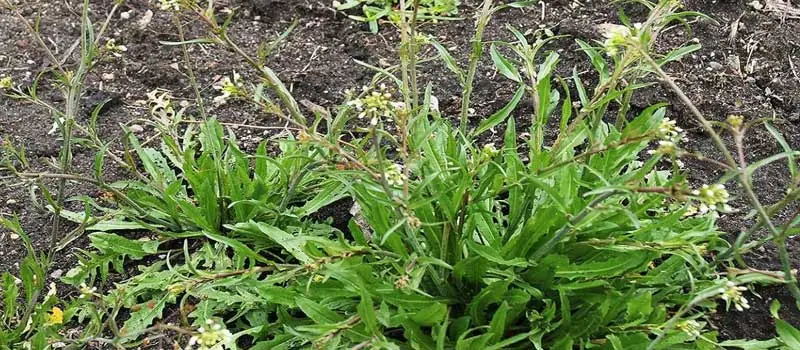
Understanding Quizalofop-P-ethyl: Properties and Mode of Action
Chemical Classification and Formulations
When compared to racemic mixes, Quizalofop-p-ethyl is the optically active R-enantiomer of quizalofop, greatly increasing its biological potency. This improved chemistry lets lower spray rates work while still effectively killing weeds. The molecular formula for the compound is C₁₉H₁₇ClN₂O₄, and it can be bought in a number of different forms that are suitable for different operating scales and application tools. 95% TC (Technical Concentrate), 5% EC, 10% EC, 12.5% EC, and 20% EC (Emulsifiable Concentrate) are all common amounts. These formulas give agrochemical wholesalers and large-scale makers options for getting reliable results in a wide range of environmental conditions. The emulsifiable liquids mix easily with water and work with standard spray equipment, which cuts down on downtime and makes handling easier during busy application times.
Mechanism of Action and Selectivity
The pesticide works by going after ACCase, an enzyme that is only found in green weeds. This means that broadleaf crops like soybeans are not hurt. The active ingredient gets to the roots and rhizomes of permanent grasses by moving through the xylem and phloem tissues after being absorbed by the leaves. This full translocation makes sure that the plant dies completely instead of just temporarily slowing its top growth, which is a common problem with contact pesticides. Within 48 hours of application, blocking fatty acid synthesis breaks down the integrity of cell membranes. However, it may take 10 to 21 days for noticeable chlorosis and necrosis to show up, depending on how mature the weed is and how stressed the environment is. Compared to similar graminicides like clethodim or sethoxydim, Quizalofop-p-ethyl is more resistant to rain, usually within one to three hours of application. This means that it is less likely that the herbicide will lose its effectiveness because of bad weather.
Environmental and Safety Profile
From the point of view of regulations and the environment, Quizalofop-p-ethyl has good qualities. It breaks down pretty fast in soil because microbes break it down. In normal field settings, its half-life is between 14 and 30 days. This fast biodegradation keeps residues from building up and makes it less likely that effects will be carried over to the next crop in the rotation. Toxicology tests show that non-target animals, such as beneficial insects and aquatic species, are not at high risk when the product is used according to the directions on the package. As part of handling measures, normal personal protective equipment (PPE) like goggles, gloves, and long-sleeved clothes are worn to protect the skin. To keep products stable over a long period of time, they should be stored in cool, dry places that are out of direct sunlight. These safety features are in line with strict compliance standards in controlled markets across North America and Europe. This makes the import process easier and lowers the risk of liability for distributors and end users.
Comparing Quizalofop-P-ethyl with Alternative Herbicides for Soybean Fields
Efficacy Against Target Weed Spectrum
In order to choose the best pesticide for growing soybeans, it is important to know the pros and cons of each chemical. Annual green weeds like volunteer corn, foxtail species, field grass and crabgrass are all successfully controlled by Quizalofop-p-ethyl. It also works well to get rid of perennial weeds like johnsongrass and quackgrass when used at higher label rates or in a series of treatments. Clethodim works on a similar range of weeds, but crop oil concentrates are often needed to get the best coverage, which can raise the cost of the inputs. Another aryloxyphenoxypropionate drug called fluazifop works in the same way, but it tends to show symptoms more slowly and less effectively when there is drought stress. Sethoxydim is a good herbicide for controlling grass in legumes, but if used on plants that are growing, it could cause short-term crop stress. This is not as much of a problem with Quizalofop-p-ethyl. Glyphosate is still often used in systems with glyphosate-resistant soybeans, but the fast development of resistant weeds has made it less reliable. This has made selective graminicides like Quizalofop-p-ethyl more valuable as part of integrated weed control plans.
Resistance Management and Cost Considerations
Herbicide resistance is becoming a bigger problem in agriculture around the world, especially with ACCase inhibitors. Changing Quizalofop-p-ethyl with pesticides that work in different ways, like Group 1 (ACCase inhibitors) followed by Group 2 (ALS inhibitors) or Group 27 (HPPD inhibitors), can slow down the growth of tolerance. When you look at how often Quizalofop-p-ethyl is used and how often adjuvants are needed, you can see how cost-effective it is. Farmers can use about half as much of the P-ethyl form as they would for non-resolved products because it is the biologically active enantiomer. This lowers the cost per acre and the environmental load. Pricing in business-to-business (B2B) outlets is different depending on the size of the order, the concentration of the formulation, and the credibility of the seller. When bulk buyers negotiate long-term contracts with verified makers, they get steady prices and first choice during times of high demand. Following maximum residue limits (MRLs) and Good Agricultural Practices (GAP) is required by law in some U.S. states and European Union countries. These rules affect where products come from and what paperwork is needed for foreign shipping.
Best Practices for Application and Resistance Management of Quizalofop-P-ethyl
Optimal Timing and Dosage Guidelines
The best weed control with Quizalofop-p-ethyl rests on applying it at the right time for the stage of growth of the weeds. Applications work best on target plants that are actively growing and have three to five leaves. This is when the skin is most permeable, and the translocation routes are fully functional. Delaying treatment until weeds have more than six leaves or are in the reproductive stage makes it less likely that the pesticide will be absorbed and more likely that the weeds will not be completely killed. This is especially true for permanent species with established rhizome networks. Doses should be between 60 and 120 grams of active ingredient per hectare, but this can change depending on the number of weeds, the types of weeds, and the weather in the area. Weeds get bigger cuticles and slower metabolism rates when they are stressed by drought or high temperatures. This makes it harder for herbicides to work. In these cases, results can be improved by using more of the higher label range of application rates and adding non-ionic surfactants or methylated seed oils.
Integrated Weed Management Strategies
Using only Quizalofop-p-ethyl or any other single herbicide speeds up the growth of tolerance. ACCase inhibitors work longer when motorised farming, cover crops, and herbicide rotation are used together. Weeds' life cycles are thrown off by crop rotation, which lowers seed banks and lowers the selection pressure on any one mode of action. Along with Quizalofop-p-ethyl's ability to kill grass-only weeds, pre-emergence herbicides that kill broadleaf weeds also work to keep weeds down all season. Growers can change their plans before resistance spreads by keeping an eye on fields for early signs of resistance, like patches that stay alive after normal treatments. Case studies from large commercial farms in the U.S. Midwest show that mixing quizalofop-p-ethyl with glufosinate or Group 14 herbicides (PPO inhibitors) kept the plants under control for five years, keeping their yield potential and lowering the total cost of pesticide use compared to reactive resistance management methods.
Procurement Guide: Buying Quizalofop-P-ethyl for B2B Clients
Sourcing from Authorised Suppliers
Getting quizalofop-p-ethyl in bulk for farming use means carefully checking out sellers to make sure the product is real, they follow the rules, and the supply chain works well. Authorised producers, such as Hebei Hontai Biotech Co., Ltd., offer production qualifications that have been checked, certificates of analysis that are specific to each batch, and full safety data sheets (SDS) that meet international standards. Fake or low-quality formulas come with a lot of risks, such as less effectiveness in the field, crop damage, and legal trouble. Buyers should ask to see proof of manufacturing licensing, Good Manufacturing Practice (GMP) certifications, and test results from a third-party lab that prove the concentration and purity levels of the active ingredients. Setting up long-term relationships with trustworthy providers helps keep prices stable, gives you priority access during times of high demand, and makes it easier to customise package options like private labelling or OEM arrangements that fit the needs of local markets.
Logistics and Regulatory Documentation
To get quizalofop-p-ethyl (Quizalofop-P-ethyl 95% TC) from another country, you have to deal with a lot of complicated customs rules, import permits, and phytosanitary requirements. Shipments going to North America and Europe must follow the rules set by their environmental protection agencies, such as the U.S. Environmental Protection Agency (EPA) and the European Chemicals Agency (ECHA). The SDS, product registration numbers, certificates of origin, and residue data proving MRL compliance are all important pieces of paperwork. When thinking about goods, you need to choose the right incoterms (like FOB or CIF) that make it clear who is responsible for shipping costs, insurance, and clearing customs. Depending on production plans, the number of available containers, and the amount of traffic at the port, lead times are usually between four and eight weeks. Working with sellers who have strong global logistics networks guarantees on-time delivery, lowers the risk of food going bad during travel, and lets you track shipments in real time to work with inventory management systems and planting plans.
Enhancing Operational Efficiency with Quizalofop-P-ethyl
Maximising Return on Investment
Adding Quizalofop-p-ethyl to full crop protection plans is more than just picking the right pesticide. Precision application technologies, like GPS-guided sprayers and variable-rate application systems, make the best use of herbicide spread, which cuts down on waste and lowers the cost of inputs per hectare. Setting up needles so that droplets are all the same size improves coverage uniformity, making it easier for the chemicals to reach weeds and preventing drift onto nearby crops that are more vulnerable. Keeping an eye on the weather, especially the wind speed and humidity, makes sure that treatments happen in the best conditions for maximum absorption and minimum volatilisation. By making herbicides work longer, lowering the number of times they need to be applied again, and keeping crop growth potential, these methods directly lead to a better return on investment. Economic studies of industrial soybean farms show that using the right time and technique can increase net margins by 8 to 12 per cent compared to less-than-ideal methods.
Value of Technical Support and After-Sales Service
To keep operations running smoothly, it's important to choose a provider that offers strong professional help and service after the sale. Hebei Hontai Biotech Co., Ltd. helps procurement managers and field agronomists get the most out of herbicides (Quizalofop-P-ethyl 95% TC) by giving them expert advice on farming, fixing problems with applications, and training programmes. Buyers can change their plans before they happen when they have access to technical reps who know about regional weed pressures, resistance trends, and regulatory settings. As part of full after-sales services, companies answer questions about the quality of their products, make it easy for customers to return or swap faulty batches, and keep customers up to date on changes to regulations that affect import permits or label limits. These services cut down on downtime, boost user trust, and support long-term partnerships that go beyond transactional relationships. This encourages people to work together to solve problems and keep making weed control results better.
Conclusion
Quizalofop-p-ethyl is an effective and selective pesticide that can be used to get rid of grassy weeds in soybean farms. Its specific mode of action, good environmental profile, and adaptable formulas meet the needs of large-scale farmers, agrochemical wholesalers, and crop protection service providers. To use it correctly, you need to know the best time to apply it, how to deal with pushback, and why it's important to buy from reputable companies that have a history of following the rules. Buyers can get better crop protection, keep yield quality, and increase operational efficiency in competitive agricultural markets by using quizalofop-p-ethyl as part of comprehensive weed management programmes and working with suppliers who can provide technical support and help with logistics.
FAQ
1. What distinguishes Quizalofop-P-ethyl from Quizalofop-ethyl?
The "P" number stands for the chemically active R-isomer, which is also the visually active form. Due to the presence of this enantiomer, Quizalofop-p-ethyl can be applied at a rate that is roughly half that of racemic Quizalofop-ethyl to achieve the same weed control effect. This improvement saves money and is better for the environment.
2. Can Quizalofop-p-ethyl be tank-mixed with other herbicides?
When mixing with some plant pesticides, especially synthetic auxins like 2,4-D or dicamba, be careful because antagonism may make it less effective at controlling grass. Always look at suitability charts and think about applying the chemicals in a certain order or increasing the graminicide rate when mixing them in the tank.
3. How quickly does rainfall affect herbicide performance?
Within one to three hours of treatment, Quizalofop-p-ethyl is typically rainproof. Adding good detergents, like crop oil blends or modified seed oils, speeds up the uptake process and makes it more resistant to rain. This lowers the chance of losing effectiveness due to sudden rain.
4. Why does control of perennial grasses take longer?
The pesticide works all over the plant, from the leaves to the roots and rhizomes. Although the plant stops growing in two days, it may take 10 to 21 days for chlorosis and necrosis to become noticeable. This is because the chemical has to reach deep storage organs to kill the plant completely and stop it from growing again.
Partner with Hontai for Reliable Quizalofop-p-ethyl Supply
Quizalofop-p-ethyl is manufactured by Hebei Hontai Biotech Co., Ltd., a reputable company that also offers flexible formulas and knowledge of international shipping. Our skilled team offers full technical help, quick answers to questions, and solutions that are made to fit your specific operational needs. We guarantee a steady supply, low prices, and all the necessary paperwork for easy foreign buying, whether you need large quantities of 95% TC, 5% EC, or other amounts. Email us at admin@hontai-biotech.com to talk about your unique needs and find out how our global farming service can help you get rid of weeds better and grow your business.
References
1. Duke, S.O., and Powles, S.B. (2008). "Glyphosate-resistant crops and weeds: Now and in the future." AgBioForum, 11(3), 155-162.
2. Heap, I. (2021). "The International Survey of Herbicide Resistant Weeds." Weed Science Society of America.
3. Senseman, S.A. (2007). Herbicide Handbook, 9th Edition. Weed Science Society of America, Lawrence, KS.
4. Shaner, D.L. (2014). "Herbicide Handbook," 10th Edition. Weed Science Society of America.
5. Zimdahl, R.L. (2018). Fundamentals of Weed Science, 5th Edition. Academic Press, Cambridge, MA.
6. European Food Safety Authority (EFSA). (2019). "Peer review of the pesticide risk assessment of the active substance quizalofop-P." EFSA Journal, 17(3), e05618.
Our customers’ satisfaction speaks for our quality — contact us to experience the same reliable service.