- English
- French
- German
- Portuguese
- Spanish
- Russian
- Japanese
- Korean
- Arabic
- Greek
- German
- Turkish
- Italian
- Danish
- Romanian
- Indonesian
- Czech
- Afrikaans
- Swedish
- Polish
- Basque
- Catalan
- Esperanto
- Hindi
- Lao
- Albanian
- Amharic
- Armenian
- Azerbaijani
- Belarusian
- Bengali
- Bosnian
- Bulgarian
- Cebuano
- Chichewa
- Corsican
- Croatian
- Dutch
- Estonian
- Filipino
- Finnish
- Frisian
- Galician
- Georgian
- Gujarati
- Haitian
- Hausa
- Hawaiian
- Hebrew
- Hmong
- Hungarian
- Icelandic
- Igbo
- Javanese
- Kannada
- Kazakh
- Khmer
- Kurdish
- Kyrgyz
- Latin
- Latvian
- Lithuanian
- Luxembou..
- Macedonian
- Malagasy
- Malay
- Malayalam
- Maltese
- Maori
- Marathi
- Mongolian
- Burmese
- Nepali
- Norwegian
- Pashto
- Persian
- Punjabi
- Serbian
- Sesotho
- Sinhala
- Slovak
- Slovenian
- Somali
- Samoan
- Scots Gaelic
- Shona
- Sindhi
- Sundanese
- Swahili
- Tajik
- Tamil
- Telugu
- Thai
- Ukrainian
- Urdu
- Uzbek
- Vietnamese
- Welsh
- Xhosa
- Yiddish
- Yoruba
- Zulu
Understanding Chlorothalonil: A Cornerstone Fungicide
share:
Disease control is very important when you are in charge of thousands of acres of crops or when you sell agrochemicals to markets across the region. Chlorothalonil has been used to protect everything from tomatoes and grapes to rice and grass for more than fifty years, making it one of the most reliable fungicides available in agriculture. Contact fungicides with a broad range of effects stop damaging diseases like early blight, anthracnose, and powdery mildew from destroying crops. It does this by blocking multiple enzymatic processes in fungal cells. Knowing how this active ingredient works, what design benefits it has, and how to buy it can have a direct effect on how efficiently and profitably your business runs.
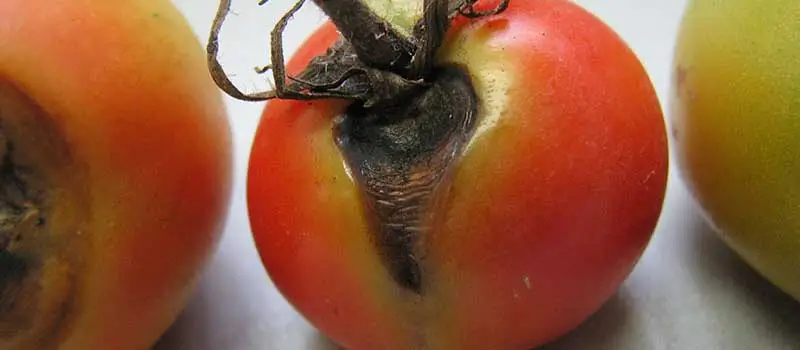
What is Chlorothalonil? A Complete Guide to Its Chemistry and Mode of Action
Chemical Structure and Core Properties
Chlorothalonil, C8Cl4N2, is crystalline and field-stable. The molecular weight of this chemical is 265.9, and its freezing point is 250–251°C. It resists UV radiation and works in neutral to slightly acidic settings. Very low water solubility (0.6–0.9 mg/L) keeps leaves dry as they dry, which is advantageous when the weather is uncertain during application windows.
Most high-quality scientific material comprises 98.5% pure active chemicals. Hontai and other high-quality manufacturers keep Hexachlorobenzene (HCB) levels below 40 ppm to control toxicological residues. Top grades fall below 10 ppm in tight environmental markets.
How the Fungicide Disrupts Pathogen Growth
This active substance targets fungal cells at many metabolic sites simultaneously. One enzyme pathway is targeted by systemic fungicides. However, this contact protectant binds to cysteine- or sulfhydryl-containing fungal proteins. This prevents spore and mycelial development before plant tissues are infected.
The non-systemic chemical remains on leaf surfaces instead of entering plant blood vessels. A chemical that affects numerous cellular processes at once is difficult for bacteria to grow immune to; thus, broad coverage during application helps manage resistance.
Common Formulations and Their Applications
Procurement teams find recipes that suit varied corporate demands. The most popular liquid preparation is suspension extracts (SC) at 720g/L because they are easy to work with and blend well with other crop protection chemicals. Leaf coverage and adhesion are ensured by fluid mixes with particle sizes below 5 microns (D90 measurement).
Wettable powders (WP) at 750g/kg perform effectively for organisations that prefer dry items or can't keep liquids. Custom formulation houses and private-label manufacturers start with 98% pure technical concentration (TC).
The most frequent method is foliar spraying using ground boom sprayers, airblast equipment for orchards, or aerial platforms for large-scale field crops. Ground treatments require 200 to 400 litres per acre to provide a decent covering density, which affects disease prevention.
Evaluating Chlorothalonil's Effectiveness and Safety in Crop Protection
Disease Control Spectrum Across Crop Systems
The product kills over 80 fungal infections in various farming environments. Early blight (Alternaria solani) and Septoria leaf spot on tomatoes, downy mildew on cucumbers and squash, and anthracnose on all bean harvests are prevented. Chlorothalonil controls pome fruit scab, stone fruit brown rot, and citrus leaf spot issues for fruit farmers.
The fungicide protects food crops and high-value systems like flower gardens, fighting Botrytis grey mould, turf managers fighting dollar spot and brown patch, and plantation crops like coffee, tea, and rubber in warm climates with recurrent foliar diseases. Pome fruit, stone fruit, citrus, cranberries, strawberries, bananas, mangoes, coconut palms, oil palms, pepper, vines, vegetables, tobacco, rice, soybeans, peanuts, potatoes, cotton, maize, mushrooms, and more thrive well. This makes it crucial to differentiate farming portfolios.
Safety Profile and Handling Protocols
The WHO classifies the material as Class II (moderately dangerous), requiring standard safety gear while handling and applying it. The substance is not harmful to animals, but it is quite irritating to the eyes, which should be considered while educating application crews or creating items.
Depending on microbial activity and water availability, soil has a half-life of 20–70 days. The low solubility of water limits leaching, yet buffer zones surrounding aquatic regions safeguard vulnerable habitats. If stored correctly in a cold, dry environment, it will last two to three years without changing.
Resistance Management Strategies
This fungicide can be employed in resistance-control programs since it operates in several spots. It kills existing spores immediately when coupled with single-site systemic fungicides like azoxystrobin or propiconazole. Keeps the systemic partner from getting resistant soon.
Integrated pest control recommends switching fungicide classes during growing seasons. Growers may maximise their disease management instruments while safeguarding their crops by rotating between touch protectants and systemic curative therapies.
Comparing Chlorothalonil with Other Fungicides: Making the Best Choice
Evaluating Alternative Chemistries
Know how this fungicide compares to other disease-fighting methods before buying. Chlorothalonil is a stable base, while Mancozeb has similar broad-spectrum contact action and price but shorter residue activity and worse rain resistance. Organically certified copper-based solutions prevent diseases, but they can harm delicate plants and build up metals in the soil.
The earliest pesticide is sulphur. It works well against powdery mildews but not other illnesses. Modern systemic drugs like strobilurins (azoxystrobin, pyraclostrobin) and triazoles (propiconazole, tebuconazole) heal and move plants. They are costly and have higher resistance pressure without protective rotation companions.
Cost-Effectiveness Analysis for Procurement
Unit pricing and application run frequency should be considered when calculating the total cost of ownership. These medicines have a longer residual action (7–14 days under modest disease pressure), reducing the number of annual treatments. This reduces job expenses, fuel usage, and agricultural damage from traffic.
Distributors and custom applicators with many farmer customers might profit by bulk-buying technical concentrates or SC formulations. Flexible packaging, like tiny containers for speciality growers and huge IBCs for major agricultural enterprises, lets you service a wide range of clients in your market.
Regulatory Compliance Across Markets
Procurement teams must examine target market MRLs and allowed uses because registration states vary. The US Environmental Protection Agency (EPA) now registers several crop groupings. However, restrictions change; therefore, some applications are reconsidered.
TEU regulations governing thiophanate methyl chlorothalonil have banned some applications but allowed others. Foreign trade operators must verify supplier documentation and analytical certificates. Low-HCB suppliers (with content less than 10 ppm) demonstrate their production expertise for the most demanding global markets.
Sourcing Chlorothalonil: A B2B Procurement and Supplier Guide
Identifying Qualified Manufacturers and Distributors
There are many global shopping options. Buy directly from established manufacturers, buy from regional crop protection dealers, or use specialised agrochemical trade platforms to link customers with recognised sources. Give additional weight to partners that can produce Material Safety Data Sheets (MSDS), Certificates of Analysis that reveal active ingredient and impurity amounts, and regulatory compliance certificates for your target markets.
Hontai, situated in Shijiazhuang, Hebei Province, produces high-quality technological output and can adapt manufacturing processes. Established suppliers ensure quality requirements are met by verifying each batch for active ingredient content within permissible limits (often ±25g/L for liquid formulations under FAO recommendations).
Critical Documentation and Certification Requirements
International Chlorothalonil purchases require more than company documents and packing lists. Phytosanitary certifications verify plant health in the import location. Tax categorisation and trade deal advantages depend on Certificate of Origin documentation showing where items were created. Suppliers with GMP certifications have good quality systems.
Ocean goods shipments are permissible if they have the correct IMDG Code hazard rating. Class 9 (miscellaneous hazardous substances) chemicals must be labelled, packed, and sent with the necessary papers to prevent customs delays or rejection.
Pricing Benchmarks and Negotiation Insights
Technical concentrate prices depend on raw material costs, production, and market demand. Usually, in the competitive pesticide commodity arena. Formulated items cost more because they involve more understanding in formulation, customising packaging, and quality assurance. Tiered pricing is typically used in volume agreements over growing seasons. You're more competitive when selling to grower networks or retailers.
When considering supplier negotiations, make sure you understand minimum order quantities, lead times, payment conditions, and technical support. Agronomic, application, and debugging guidance from suppliers adds value to your business beyond the goods. This strengthens customer connections and market image.
Logistics Considerations for Smooth Transactions
Containerised maritime freight from Asian industrial centres to North American ports takes 30–45 days, with extra time for land transfer. Air freight expedites delivery but increases handling expenses. Use it solely for urgent restocking or market entry.
Temperature-controlled transport prevents spoilage under severe conditions. The chemical is stable at high temperatures, but keeping it in cold, dry settings preserves it and extends its shelf life. The cost and quality of the result depend on the container used—standard dry containers for most recipes or speciality instruments for large liquids.
Maximising Chlorothalonil's Value: Best Practices and Future Outlook
Application Timing and Dosage Optimisation
Managing a sickness well starts before the signs show up. Chlorothalonil is most effective when used as a preventative application before infection times that are predicted by weather, disease modelling, or past pressure patterns. Scouting programs that find diseases early help make quick application choices that get the most out of crop protection investments.
Dosage rates range from 1.5 to 3.0 kg of active ingredient per acre, depending on the type of crop, the disease being targeted, and the pressures in the environment. University extension studies and product labels give scientifically proven rate suggestions that balance effectiveness with managing resistance and following the rules. If you don't give the right amount of medicine, the disease could get away or become resistant, and if you give too much, it costs more without giving you any more benefit.
Monitoring the environment makes applications work better. Spray when the wind is calm (less than 10 km/h) to keep the substance from drifting, when the temperature is below 28°C to keep it from volatilizing, and make sure it has enough time to dry before it rains (at least 1-2 hours for good SC formulations with the right adjuvants).
Worker Safety and Equipment Management
When mixing and packing, application crews need to wear protective gear like chemical-resistant gloves, eye protection, long-sleeved clothing, and masks to protect their lungs. Post-application entry times listed on product packages keep workers from being exposed to too much when they go back into a treated area.
Maintenance on spray equipment makes sure that the same amount of product is delivered each time and that the equipment doesn't get dirty between uses. Regularly calibrate tools to check output rates, check screens and filters to make sure they don't get clogged up with suspended particles, and clean tanks completely between applying fungicides and other chemicals like Chlorothalonil 98%TC to keep crops from getting hurt by leftovers that don't mix.
Emerging Trends and Market Innovations
Regulatory settings are still changing, with more attention being paid to effects on non-target organisms and ecosystem resilience. When companies spend money on new formulation technologies like microencapsulation, controlled-release systems, and bio-based adjuvants, they set up their goods to keep getting into the market even as limits get tighter.
In precision agriculture, where variable-rate application technologies match fungicide inputs to real disease pressure across field zones, this is driven by concerns about sustainability. This improvement lowers the amount of active ingredient used each season while keeping the same level of safety. This is good for growers who care about the environment and brands that promote sustainable production methods.
Combination products that use this broad-spectrum protectant along with systemic fungicides that work well together win market share by making application easier and providing strong resistance control in ready-to-use formulations. These new developments give wholesalers and service providers who offer value-added solutions besides basic active ingredients new ways to stand out.
Tangible Returns on Investment
Commercial growers say that yield safety ranges from 10 to 30 per cent during disease-prone seasons, which directly means that they keep their money. Quality improvements, such as fewer flaws, lower cull rates, and longer store life, fetch higher prices in fresh market channels. The disease control stops secondary infections that weaken plants and make annual crops less vigorous the next season.
Teams in charge of buying things for a wide range of customers should keep technical records of these economic benefits. Case studies, trial data, and testimonials from production systems that are similar give buyers trust when making choices, especially when starting new relationships with suppliers or using expensive formulations that need a reason other than the lowest unit cost.
Conclusion
This broad-spectrum fungicide is still an important part of current crop protection plans because it has been shown to work, can be used to control resistance, and is cost-effective in a wide range of farming systems. Understanding its chemistry, how to apply it correctly, and strategic sourcing factors helps people make better choices about what to buy, whether they are defending high-value fruit crops, large-scale commodity grains, or specialised ornamental production. The multi-site mode of action effectively stops diseases and supports combined management plans that make your whole fungicide collection last longer. As rules change and pressures to be more environmentally friendly grow, working with quality-focused companies that offer technical support and adaptable formulas will help your supply chain keep up with the needs of the market.
FAQ
Q1: What crops benefit most from chlorothalonil applications?
This fungicide protects a very large range of plants, including fruits (grapes, citrus, berries, pome, and stone fruits), vegetables (tomatoes, cucurbits, and potatoes), field crops (rice, soybeans, peanuts, cotton, and maize), plantation crops (coffee, tea, rubber, and oil palms), and ornamentals, turf, and mushrooms. It's useful for almost any industrial crop system that has to deal with fungal diseases because it covers a wide range of them. With this one active ingredient, procurement teams that work with a wide range of farming areas can meet the needs of many customers in a number of different formulation types.
Q2: Can I mix this fungicide with other crop protection products?
When mixed in a tank, good suspension concentrate mixtures work well with most pesticides, herbicides, and other fungicides. Mixing highly alkaline (pH > 8) goods can break down chemicals, so be careful. Also, be careful when mixing emulsifiable concentrates or oils when it's hot outside to keep plants from getting sick. Always test in a small jar first before mixing full spray tanks, and always read the package to see what items it works with. Its touch nature means that it works well with systemic fungicides, controlling diseases completely when used together.
Q3: How does storage affect product quality and shelf life?
Formulated goods stay stable for two to three years without losing a lot of their active ingredients as long as they are kept in their original, sealed containers in cool, dry stores away from extreme temperatures. Hard sedimentation that won't resuspend with strong shaking or too much liquid separation (over 5–10% supernatant) in suspension concentrates is a sign of poor quality. Do not freeze liquid mixtures or put them in full sunlight. If you store technical concentrate in the right way, it stays even more stable, which means that custom formulators can use it to keep raw material stocks on hand between production cycles.
Partner with Hontai for Reliable Chlorothalonil Supply
For farming to be successful, they need reliable crop safety partners who know about both the science of the products and how the supply chain works. Hontai always makes high-quality fungicide formulas and offers full technical help and a lot of ways to make the products your own. Our Shijiazhuang factory makes high-purity technical materials and ready-to-use formulas that meet international regulatory standards. These products have low HCB levels that make them suitable for the most strict export markets. We can help you place your business in the market by quickly coming up with solutions like custom label designs, unique packaging layouts, or changes to the recipe for certain crop uses. Email our sales team at admin@hontai-biotech.com to talk about your buying needs and find out why top wholesalers and large-scale producers choose Hontai as their chlorothalonil provider. We offer quick global logistics, expert advice on farming, and the dependability your farming business needs.
References
1. MacBean, C. (Editor). "The Pesticide Manual: A World Compendium, 16th Edition." British Crop Production Council, 2012.
2. Gisi, U., and Sierotzki, H. "Mechanisms of Resistance to Site-Specific Fungicides in Plant Pathogens." Fungicide Resistance in Crop Protection: Risk and Management, CABI Publishing, 2008.
3. Tomlin, C.D.S. "The Pesticide Manual: A World Compendium, 14th Edition - Chlorothalonil Entry." British Crop Production Council, Hampshire, UK, 2006.
4. United States Environmental Protection Agency. "Reregistration Eligibility Decision for Chlorothalonil." EPA Publication 738-R-99-004, Office of Prevention, Pesticides and Toxic Substances, 1999.
5. Food and Agriculture Organization. "FAO Specifications and Evaluations for Agricultural Pesticides: Chlorothalonil Technical and Formulations." FAO Plant Production and Protection Division, Rome, 2018.
6. Latin, R. "A Practical Guide to Turfgrass Fungicides." American Phytopathological Society Press, St. Paul, Minnesota, 2011.

Our customers’ satisfaction speaks for our quality — contact us to experience the same reliable service.