- English
- French
- German
- Portuguese
- Spanish
- Russian
- Japanese
- Korean
- Arabic
- Greek
- German
- Turkish
- Italian
- Danish
- Romanian
- Indonesian
- Czech
- Afrikaans
- Swedish
- Polish
- Basque
- Catalan
- Esperanto
- Hindi
- Lao
- Albanian
- Amharic
- Armenian
- Azerbaijani
- Belarusian
- Bengali
- Bosnian
- Bulgarian
- Cebuano
- Chichewa
- Corsican
- Croatian
- Dutch
- Estonian
- Filipino
- Finnish
- Frisian
- Galician
- Georgian
- Gujarati
- Haitian
- Hausa
- Hawaiian
- Hebrew
- Hmong
- Hungarian
- Icelandic
- Igbo
- Javanese
- Kannada
- Kazakh
- Khmer
- Kurdish
- Kyrgyz
- Latin
- Latvian
- Lithuanian
- Luxembou..
- Macedonian
- Malagasy
- Malay
- Malayalam
- Maltese
- Maori
- Marathi
- Mongolian
- Burmese
- Nepali
- Norwegian
- Pashto
- Persian
- Punjabi
- Serbian
- Sesotho
- Sinhala
- Slovak
- Slovenian
- Somali
- Samoan
- Scots Gaelic
- Shona
- Sindhi
- Sundanese
- Swahili
- Tajik
- Tamil
- Telugu
- Thai
- Ukrainian
- Urdu
- Uzbek
- Vietnamese
- Welsh
- Xhosa
- Yiddish
- Yoruba
- Zulu
Hexaconazole Fungicide: Uses and Applications
share:
Hexaconazole is a crucial component of modern crop protection because it gives farmers and agrochemical sellers a dependable triazole fungicide with systemic efficacy against harmful fungi. Grape powdery mildew and black rot, apple scab, coffee rust, and many other pathogens that hurt crop quality and output can be stopped by this strong sterol demethylation inhibitor. Manufacturers like Hontai make Hexaconazole in different forms, such as 5% SC, 10% EC, 25% SC, and 95% TC. It has qualities that protect, eradicate, and heal, which help industrial farms keep their investments safe while meeting stricter food safety standards.
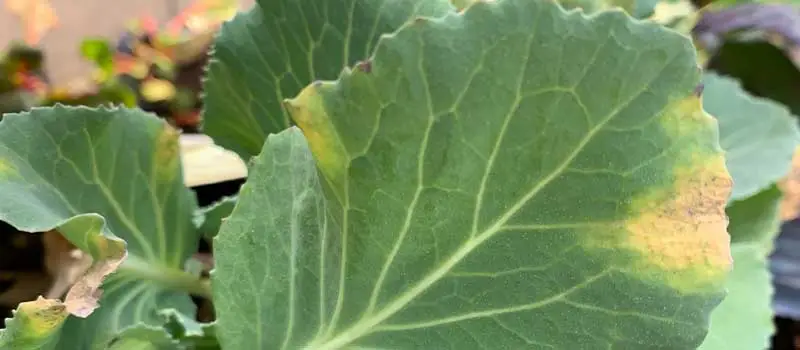
Understanding Hexaconazole Fungicide: Properties and Mode of Action
Chemical Structure and Systemic Characteristics
The triazole class of fungicides, which includes Hexaconazole (C14H17Cl2N3O, EINECS No. 79983-71-4), is distinguished by its exceptional stability and quick acropetal transfer within plant tissues. Contact fungicides usually stay on the surface of the leaf. This active ingredient, on the other hand, goes through the skin layers and up through the xylem, protecting new growth that spray drops never touch directly. Triazole chemicals have molecular structures that make them both hydrophobic and hydrophilic. This makes it easy for plants to take in and spread throughout their canopy.
Commercial formulas like Hontai's 5% SC suspension concentrate use particles that are very small (usually 2-3 microns D90) and are mixed with water and special detergents. Compared to older emulsifiable concentrate (EC) formulas that use organic solvents, this engineering gives better coverage, faster absorption, and less damage to plants. In the flowering and fruit growth stages of sensitive plants like apples and grapes, solvent-based goods can damage the plants' tissues. The water-based suspension concentrate format solves this problem.
Mechanism of Ergosterol Biosynthesis Disruption
Hexaconazole works as a sterol demethylation inhibitor (DMI), stopping the C-14 alpha-demethylation enzyme in the process of making ergosterol. Like cholesterol in animal cells, ergosterol is the main structural sterol in the walls of fungal cells. Hexaconazole stops the formation of ergosterol, which leads to an abnormal buildup of sterols and changes in membrane permeability that kill fungal cells.
This way of working controls diseases in three separate stages. Protective action stops an infection before it happens, eradicative action stops the growth of fungi during the entry phase (24 to 72 hours after infection), and curative action stops the disease from getting worse even after signs start to show. Researchers have found that applying Hexaconazole to grape powdery mildew (Uncinula necator) at the earliest signs of the disease can stop conidial germination by more than 90% and stop hyphal growth within established colonies.
Managing Resistance Through Strategic Rotation
Triazole fungicides work very well, but because they only work at one spot, they have a medium to high chance of resistance according to the Fungicide Resistance Action Committee (FRAC) Group 3 label. When used over and over, it can create fungus populations with changed target site genes (CYP51 mutations) that make binding less strong. Hexaconazole needs to be mixed with fungicides from different FRAC groups, like strobilurins (FRAC 11), succinate dehydrogenase inhibitors (FRAC 7), or multi-site protectants like mancozeb, in order to effectively handle resistance.
Large-scale fruit growers have kept Hexaconazole working for more than one season by using only two to three applications per growth cycle, switching between non-DMI chemicals, and using cultural techniques that lower disease pressure. This unified method solves the main problem of procurement managers who need uniform results over several growing seasons while keeping their pesticide investment safe.
Guidelines for Safe and Effective Hexaconazole Application
Dosage Rates and Timing Recommendations
Rates of application depend on the type of crop, how bad the disease is, and the quantity of the mixture. For grapes and apples, the 5% SC mixture needs to be sprayed 10–14 days apart during key disease windows and needs 50–75 ml per 100 liters of water. Controlling coffee rust requires slightly higher rates of 75–100 ml per 100 liters, timed to coincide with the start of rainy seasons, which is when Hemileia vastatrix spores spread the most.
The product's systemic moving and healing qualities work best when used at the right time. When the buds start to open or when conditions are right for infection (15–25°C and high humidity), preventative treatments should begin. Up to 72 hours after infection, the eradicative window is open, letting corrective action be taken when disease-predicting models predict conditions for an outbreak. Applying in the early morning or late evening helps keep the leaf surface longer by reducing the amount of water that evaporates.
It is very important to stick to pre-harvest intervals (PHI) so that residue amounts stay below the maximum residue limits (MRLs) set by regulatory bodies. The normal PHI is between 14 and 30 days, but it depends on the crop and the area. In most places, grapes need 21 days, and apples need 14 days before they can be picked.
Environmental Safety and Compatibility Considerations
Hexaconazole is moderately harmful to marine creatures, so there should be buffer zones around bodies of water, and containers should be thrown away properly. The SC product has a much smaller effect on the environment than the EC forms because it doesn't release volatile organic compounds (VOCs) making it safer for workers to mix and handle. Wearing gloves, masks, and long-sleeved clothes for personal protection is still required during preparation and application.
When you combine disease control with pesticide or food spray programs, tank-mix compatibility makes the application more effective. Most neutral or slightly acidic herbicides, like cypermethrin and other pyrethroids, mix well with the 5% SC version. But doing tests in jars before mixing on a big scale stops mistakes that are expensive to fix because of incompatibility-related flocculation or active ingredient degradation. Do not mix highly alkaline (pH >9) products or copper-based fungicides without first testing them first, as these can make solution concentrates less stable or cause phytotoxic reactions.
Comparing Hexaconazole with Other Fungicides: Making the Right Choice
Evaluating DMI Alternatives and Multi-Site Options
To make a purchase choice, you need to know how Hexaconazole stacks up against other triazoles and fungicide groups. Tebuconazole has a similar effect on DMI but a wider label coverage. It is also more toxic to mammals, which changes how it needs to be handled. Propiconazole is very good at stopping grain diseases, but it's not as good at stopping some fruit diseases as Hexaconazole is at stopping apple scab and grape diseases.
Strobilurin fungicides, such as azoxystrobin, successfully control a wide range of fungi by blocking their ability to reproduce (FRAC 11) and working well with triazole programs. But strobilurins have an even higher chance of becoming resistant, so they need to be carefully managed. Multi-site fungicides like mancozeb or chlorothalonil help control resistance, but they don't have systemic action or curative qualities, so they need to be used more often and cover more area with the spray.
Hexaconazole's competitive place in cost-per-hectare estimates can be seen from economic research. Even though it costs more per unit than older chemicals like carbendazim (where resistance hasn't hurt effectiveness), the longer leftover activity (14–21 days) and less frequent application make up for it. Large agribusinesses that manage thousands of fields can save even more money by buying 95% TC in bulk for custom formulation work or high-concentration ready-to-use goods (25–50% SC).
Matching Fungicide Selection to Operational Goals
Agricultural service providers and crop protection companies need to make sure that the products they choose meet their clients' needs to deliver consistent performance across diverse operating conditions. The water-based SC formulation of hexaconazole 5% achieves this standard through constant suspensibility (>90% per CIPAC MT 184), preventing settling problems that lead to uneven disease control. Its micronized particle technology ensures compatibility with all types of spray equipment, from regular boom sprayers to airblast orchard applicators and even ultra-low volume systems.
Hexaconazole is the perfect product for wholesalers who want to round out their product lines. It's a cross between broad-spectrum protectants and specialized high-value fungicides. It is registered for multiple high-value crops, like apples, coffee, and grapes, and is effective against economically important diseases. This makes it an important stocking item that needs to be reordered regularly throughout the growing season.
Hexaconazole Procurement: Buying Guide for B2B Clients
Supplier Selection and Quality Verification Standards
Sourcing choices have a huge effect on the success of operations, so checking out suppliers is very important. Certified companies like Hebei Hontai Biotech Co., Ltd. show their trustworthiness by having a lot of paperwork, such as analytical certificates that are compliant with CIPAC, Good Manufacturing Practice (GMP) certifications, and governmental approvals for the markets they want to sell to. Using HPLC or gas chromatography, quality control techniques must check that the amount of active ingredient is within a tolerance of ±5%. Stability of the formulation must then be confirmed through suspensibility tests.
There are benefits to buying in bulk, such as discounts for large orders, the ability to create custom formulations (OEM/ODM services), and a variety of packaging choices that can be used with different distribution outlets. The grade 95% TC (technical concentrate) is for formulators who are making their own goods, and the ready-to-use concentrations (5–50%) SC, EC, or WDG are for instant use. Talking about the possibility of customizing labels and private branding can help distributors serving regional farming markets stand out in the market.
Logistics and Regulatory Compliance Framework
For international transfers, the right classification of the dangerous material (UN 3077, Environmentally Hazardous Substance, Solid, N.O.S. for technical material), the right container specs, and all the necessary paperwork for customs clearance are needed. Material Safety Data Sheets (MSDS), Phytosanitary Certificates, and Certificates of Analysis are all things that experienced sellers offer that make it easier to cross borders and pass regulatory checks.
The products need to be stored in a cool, dry place that is out of direct sunlight and with the right extra protection for liquids. The 5% SC mixture has thixotropic behavior, which means that its viscosity decreases when it is stirred. This makes it easy to pour after being stored, and it can last for two years under the right conditions, as shown by rapid stability tests (54°C for 14 days per CIPAC MT 46).
Depending on the size of the order and the level of customization needed, lead times can be anywhere from two to four weeks for normal recipes and six to eight weeks for specialized OEM production. Fast global logistics networks and established shipping partnerships make sure that deliveries happen on time to support production plans in agriculture. This solves a major problem for procurement managers who are in charge of planning yearly spray programs.
Leveraging Hexaconazole for Sustainable Crop Protection: Future Trends and Applications
Innovation in Formulation Technology
The development of Hexaconazole goods follows a larger trend in the industry toward better environmental ratings and more precise application. Microencapsulation technologies that are still being developed offer controlled-release delivery that extends leftover activity while lowering the total amount of active ingredients that are used. These improved products help reach sustainability goals by reducing off-target movement and application frequency, which lowers both the environmental impact and the cost of running the business.
Water-dispersible granule (WDG) versions, such as Hontai's 50% WDG, make it safer for workers to handle the material because they don't produce dust. They also keep the environmental benefits of water-based goods. The granular form breaks down quickly in spray tanks, making uniform suspensions without the need for precise measurements needed for liquid concentrates. This makes it easier to work in the field for large-scale industrial uses.
Market Growth Drivers and Integrated Strategies
As output rises to meet food security needs, the demand for specialty crop defense keeps growing around the world. Hexaconazole 5% sc is in high demand because of problems with coffee rust in Central and South America, apple scab in cold areas, and grape diseases in Mediterranean and continental climate zones. The timing and severity of disease pressure are shifting due to climate change, making it more critical to use flexible fungicides with both protective and curative action windows.
Long-term effectiveness is highest when integrated into comprehensive disease control plans. Chemical control with resistant types, canopy management practices that improve airflow, and disease tracking systems that figure out the best time to apply the chemicals all work together to make strong protection strategies. This all-around method fits with the principles of integrated pest management (IPM), which are being asked for more and more by big food stores and export certification programs. This helps business makers get their products to new markets.
Conclusion
Hexaconazole fungicide is a tried-and-true, flexible option for business farmers, distributors, and farming service providers who have to deal with tricky fungal disease problems. It works on a general level, against a wide range of economically important pathogens, and is available in forms that are better for the environment. These properties meet basic operating needs and help achieve sustainable agriculture goals. Understanding the right way to apply chemicals, deal with resistance, and buy them can help people get the most out of their crop protection purchases. As formulation technology improves and market demand rises, Hexaconazole will continue to be an important part of integrated disease management plans that offer reliable results and good economic returns.
FAQ
Q1: Is Hexaconazole safe for the environment and non-target organisms?
Hexaconazole is not very harmful to the environment, but it is especially harmful to aquatic life, so it needs to be handled carefully near water sources. The 5% SC product is much safer than solvent-based EC forms because it doesn't contain any volatile organic substances and lowers the risk of skin absorption while handling. Good bugs and animals are protected by using the right methods for application, like leaving safe zones, using the right amount of chemicals, and following the label's rules. The substance breaks down in soil through microbial breakdown. Its half-lives are usually between 30 and 90 days, based on the conditions, so it doesn't build up over time if it is used according to the instructions.
Q2: How does Hexaconazole compare to other popular fungicides in terms of resistance risk?
Because it only works at one spot, Hexaconazole, a FRAC Group 3 DMI fungicide, has a medium to high chance of resistance. This danger level is about the same as that of other triazoles, such as propiconazole and tebuconazole, but higher than that of multi-site fungicides, like mancozeb. Managing resistance means using a variety of FRAC groups, mainly FRAC 11 strobilurins or FRAC 7 SDHIs, reducing the number of treatments in a row to two or three per season, and continuing with integrated pest control practices. Hexaconazole works very well in the field for many growing seasons if it is managed properly through cycle plans.
Q3: What are the key considerations when ordering Hexaconazole in bulk for commercial farming?
To buy in bulk, you need to make sure that the seller has the right certifications, that the active ingredients are tested according to CIPAC standards, and that the product is approved by the right authorities in the area you want to sell it to. Order numbers should weigh bulk savings against the amount of space available for keeping and the product's shelf life, which is usually two years for SC formulations when kept in the right conditions. Coordinating shipping times with application windows keeps storage issues from happening, and talking about flexible packing choices makes handling go more smoothly. Getting all the paperwork up front, like analysis certificates, MSDS, and phytosanitary certificates, makes customs procedures and checking for regulatory compliance easier.
Partner with Hontai for Reliable Hexaconazole Supply
Getting a steady supply of high-quality fungicides has a direct effect on how well you protect your crops and your bottom line. Hebei Hontai Biotech Co., Ltd. is a reliable company that makes Hexaconazole and offers a wide range of product choices, from 5% SC to 95% TC. They have strict quality control procedures in place and are experts in shipping goods around the world. Our skilled team gives you technical advice on how to use our products, makes OEM/ODM solutions for private label development, and offers quick support after the sale to help you with your unique farming problems. Hontai supports your success by providing stable product quality, reasonable pricing, and reliable shipment schedules. This is true whether you are in charge of large-scale business activities or building distribution networks across regional markets. Email our team at admin@hontai-biotech.com to talk about your needs, ask for samples of our products, or get full quotes that are made to fit your unique procurement needs.
References
1. Fisher, M.C. et al. (2018). "Worldwide Emergence of Resistance to Antifungal Drugs Challenges Human Health and Food Security." Science, 360(6390), 739-742.
2. Hewitt, H.G. (1998). Fungicides in Crop Protection. Wallingford: CAB International Publishing.
3. Kuck, K.H., Stenzel, K., & Vors, J.P. (2012). "Sterol Biosynthesis Inhibitors." Modern Crop Protection Compounds, Volume 2, 761-805.
4. Russell, P.E. (2005). "A Century of Fungicide Evolution." Journal of Agricultural Science, 143(1), 11-25.
5. Thind, T.S. (2015). "Triazole Fungicides in Integrated Disease Management of Horticultural Crops." Indian Phytopathology, 68(3), 245-254.
6. Wong, F.P. & Midland, S.L. (2007). "Sensitivity Distributions of California Populations of Colletotrichum cereale to Demethylation Inhibitor Fungicides." Plant Disease, 91(9), 1547-1555.

Our customers’ satisfaction speaks for our quality — contact us to experience the same reliable service.