- English
- French
- German
- Portuguese
- Spanish
- Russian
- Japanese
- Korean
- Arabic
- Greek
- German
- Turkish
- Italian
- Danish
- Romanian
- Indonesian
- Czech
- Afrikaans
- Swedish
- Polish
- Basque
- Catalan
- Esperanto
- Hindi
- Lao
- Albanian
- Amharic
- Armenian
- Azerbaijani
- Belarusian
- Bengali
- Bosnian
- Bulgarian
- Cebuano
- Chichewa
- Corsican
- Croatian
- Dutch
- Estonian
- Filipino
- Finnish
- Frisian
- Galician
- Georgian
- Gujarati
- Haitian
- Hausa
- Hawaiian
- Hebrew
- Hmong
- Hungarian
- Icelandic
- Igbo
- Javanese
- Kannada
- Kazakh
- Khmer
- Kurdish
- Kyrgyz
- Latin
- Latvian
- Lithuanian
- Luxembou..
- Macedonian
- Malagasy
- Malay
- Malayalam
- Maltese
- Maori
- Marathi
- Mongolian
- Burmese
- Nepali
- Norwegian
- Pashto
- Persian
- Punjabi
- Serbian
- Sesotho
- Sinhala
- Slovak
- Slovenian
- Somali
- Samoan
- Scots Gaelic
- Shona
- Sindhi
- Sundanese
- Swahili
- Tajik
- Tamil
- Telugu
- Thai
- Ukrainian
- Urdu
- Uzbek
- Vietnamese
- Welsh
- Xhosa
- Yiddish
- Yoruba
- Zulu
What is Imazalil used for?
share:
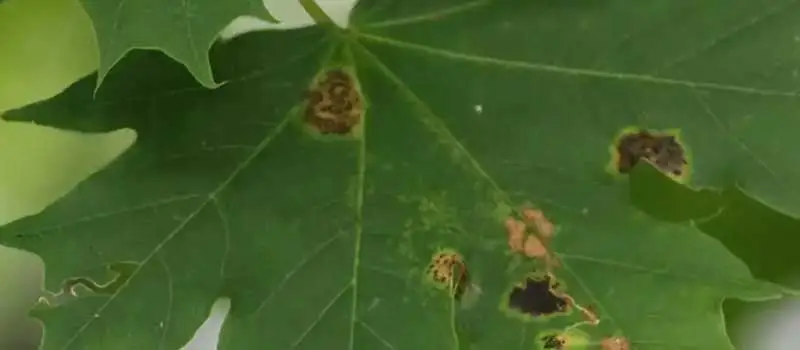
When managing post-harvest losses in large-scale agricultural operations, one question surfaces repeatedly: What is Imazalil used for? Simply put, Imazalil is a systemic fungicide designed to prevent decay in fruits, vegetables, and grains after harvest. This imidazole-class compound supports control of fungal growth in post-harvest handling systems. For commercial growers and distributors handling citrus, bananas, or seed crops, understanding its applications can mean the difference between profitable deliveries and rejected cargo.
Understanding Imazalil: What Makes It Different?
Imazalil works by stopping fungus cells from making ergosterol. Fungal walls are held together by ergosterol, which works like a skeleton. Pathogens can't keep their normal structure without it, which stops their growth. This system stops diseases that happen after the fruit is picked, like when it's been picked and then sent thousands of miles in a fridge.
This chemical goes deep into plant cells, unlike surface treatments that are easy to wash off. It works its way through the peel to stop decay that may have already begun at early infection sites. This chemistry works well on many strains that are resistant to benzimidazole, which makes it useful for programs that handle resistance.
The Imazalil 50% EC recipe has emulsifiers mixed with 500 grams of the active ingredient per litre. It spreads out evenly on fruit when mixed with water or wax. This proportion provides safety over long periods of storage while keeping application efficiency.
Core Use 1: Citrus Post-Harvest Protection
Citrus packing houses face relentless pressure from green mold and blue mold. These pathogens enter through wounds caused by mechanical harvesters or rough handling. Once inside a shipping container, spores can spread between fruit during storage and transport.
How It Works
Operators apply the fungicide through dip tanks, spray systems, or wax coatings. Lemons and oranges pass through treatment lines immediately after washing. The chemical forms a protective layer that remains effective during distribution and storage.
Problem Solved
A single affected orange can influence surrounding fruit during overseas shipping. By addressing early infections, exporters maintain the fruit quality buyers expect. Studies show treated citrus arrives with significantly lower decay compared to untreated lots.
Real-World Scenario
An exporter in South Africa ships Valencia oranges to Rotterdam. The 18-day sea journey exposes cargo to temperature fluctuations. Fruit treated with this fungicide arrives market-ready, supporting a consistent supply to buyers.
Core Use 2: Banana Crown Rot Management
Bananas develop crown rot when Colletotrichum and Fusarium species affect the cut stem after harvest. This condition spreads rapidly in the warm, moist conditions inside shipping boxes. Imazalil 50% EC can be used to help control this post-harvest decay.
Implementation
Workers dip freshly cut banana crowns into fungicide solutions or spray them during packing. The treatment penetrates crown tissue, creating a protective zone around vulnerable areas.
Benefits
Crown rot can affect fruit quality during transport. Preventing it supports a longer shelf life and reduces waste. Distributors in the Middle East and Europe often request treated bananas for long supply chains.
Application Example
A plantation in Central America processes 200,000 boxes weekly. Integrating this fungicide into their post-harvest protocol reduced crown rot claims significantly, improving supply chain reliability.
Core Use 3: Cereal Seed Treatment
Seed-borne diseases influence germination rates and early crop vigor. Barley and wheat seeds carry pathogens like Pyrenophora graminea, which causes leaf stripe disease.
Treatment Process
Seed producers apply the fungicide as a liquid dressing before packaging. Specialized equipment coats each seed uniformly, ensuring consistent coverage.
Value Delivered
Healthy seedlings emerge faster and develop stronger root systems. This becomes important in regions with short growing seasons, where uniform germination supports yield stability.
Case Study
A Ukrainian grain cooperative treats winter wheat seeds destined for cold, damp soils. Treated seeds show 95% germination versus 78% for untreated batches. The improved stand density translates to 12% higher yields at harvest.
Core Use 4: Potato Storage Decay Prevention
Potatoes stored for processing or fresh markets develop silver scurf and dry rot during extended holding periods. These conditions reduce marketability and processing quality.
Application Method
Operators fog storage facilities or apply the fungicide through automated spray systems using Imazalil 50% EC. Tubers receive treatment before entering temperature-controlled warehouses.
Outcome
Treated potatoes maintain firmness and skin quality for months. Processing plants receive consistent raw material, supporting stable production schedules.
Industry Impact
A cooperative in Eastern Europe stores 5,000 tons of potatoes annually. Implementing this fungicide reduced storage losses from 18% to 6%, improving overall efficiency.
Core Use 5: Mango and Stone Fruit Protection
Mangoes, peaches, and nectarines are affected by anthracnose and brown rot. These conditions appear as expanding lesions that reduce fruit marketability.
Treatment ApproachThe
Packers incorporate the fungicide into hot water treatments or apply it through wax emulsions. The combination supports uniform surface coverage.
Advantages
High-value fruits require a consistent appearance for premium pricing. This treatment helps maintain visual quality while extending marketability by several days.
Practical Example
A Kenyan mango exporter targets Gulf markets where consumers expect high-quality fruit. Fungicide treatment supports air freight shipments that maintain appearance upon arrival.
Core Use 6: Vegetable Post-Harvest Management
Cucumbers, peppers, and tomatoes may develop soft rot and mold during storage and distribution.
Deployment
Vegetables pass through spray tunnels or receive dip treatments before packaging. The fungicide supports protection during transport and storage.
Results
Shelf life is extended, reducing shrinkage for distributors. Retailers benefit from more stable product quality across supply cycles.
Core Use 7: Bio-Security in Hatcheries
Beyond crop protection, the chemical is used in veterinary applications under the name Enilconazole. Hatcheries use it to manage Aspergillus spores on eggs and equipment.
Method
Operators fog incubation rooms and egg storage areas. This helps maintain cleaner production environments for poultry operations.
Benefit
Improved hatch rates and reduced early losses support efficiency in breeding programs. This application highlights its use across agricultural sectors.
Quality Specifications That Matter
When buying fungicides, procurement teams look at a number of technical factors. A high-performance liquid chromatography test must show that the amount of active ingredient in the liquid is between 500 g/L and 25 g/L. This level of accuracy helps keep field performance uniform.
Tests of emulsion stability show how mixtures behave when they are watered down. When products split or form layers, they make applications less consistent. Premium formulas stay stable for a long time after mixing.
In cold storage areas, it's important that things stay stable at low temperatures with Imazalil. The mixture should stay stable in a wide range of temperatures when temperatures are low.
Both effectiveness and tool efficiency are affected by acidity and water level. Formulations that meet the requirements help make sure that all spray systems give the same level of performance for applications.
Environmental and Safety Considerations
Regulatory compliance affects buying choices all over the world. The substance has specific limits on how much of it can stay on goods that have been handled. Exporters check that the treatments meet the standards of the place where they are going.
Applying at the right time changes the amount of leftovers at harvest. Most rules say that treatment should happen right after the harvest, not on crops that are still growing.
As part of worker handling processes, safety gear is worn during mixing and application. For sealed packing facilities to be safe, they need to have enough airflow.
Studies of the compound's fate in the environment show that it breaks down over time in soil and water through bacterial processes that depend on the circumstances.
Resistance Management Strategies
When fungal populations are introduced to single-mode-of-action items over and over, they may change. Rotation programs switch this pesticide out for others of a different chemistry class to keep it working well.
Adding additional fungicides to a tank mix gives you better control over a wider area. Combining processes helps with more thorough disease control.
Pathogen responses in target groups are tracked by monitoring systems. Making changes to program methods helps them stay useful over time.
Choosing the Right Formulation
Emulsifiable concentrates offer flexibility for various application methods. They mix readily with water for dip tanks or wax systems.
Soluble concentrate formulations increase compatibility with water-based applications and improve uniform coverage.
Package sizes range from small bottles for trials to bulk containers for high-volume operations.
Conclusion
Understanding what Imazalil is used for helps agricultural businesses protect product quality from harvest to market. This systemic fungicide supports control of post-harvest decay across multiple crops, extending shelf life and maintaining product consistency. Whether managing citrus exports, seed treatment programs, or vegetable distribution chains, incorporating this chemistry into post-harvest protocols supports stable supply performance. Partnering with experienced suppliers ensures access to reliable formulations that perform consistently across diverse agricultural scenarios worldwide.
FAQ
1. What crops benefit most from this fungicide?
Citrus fruits, bananas, stone fruits, and cereal seeds show dramatic responses. Any commodity facing post-harvest decay during storage or transport benefits significantly. Vegetable crops with extended supply chains also gain protection.
2. How quickly does it stop fungal growth?
The compound begins disrupting fungal metabolism within hours of application. Visible protection appears within 24 hours as infections cease expanding. Full curative action requires early treatment before pathogens establish deep within tissues.
3. Can it replace other fungicides completely?
Rotation remains essential for resistance management. While highly effective, no single product addresses all pathogens across all situations. Integrated programs combining multiple tools deliver optimal long-term results.
4. What application methods work best?
Dip tanks suit small to medium operations handling individual fruits. Spray tunnels increase throughput for high-volume packers. Wax incorporation provides extended protection for fruits requiring additional handling.
Partner with Hontai for Reliable Imazalil Supply
Securing a dependable Imazalil manufacturer ensures your operations never face supply disruptions during peak seasons. Hontai Biotech delivers consistent 50% EC formulations backed by rigorous quality control. Our technical team provides application guidance tailored to your specific crops and market requirements. We understand the challenges distributors and large-scale producers face—from regulatory compliance to logistics coordination. Reach out to our specialists at admin@hontai-biotech.com to discuss customized solutions that protect your agricultural investments while meeting global quality standards.
References
1. Eckert, J.W., and Eaks, I.L. (1989). "Postharvest Disorders and Diseases of Citrus Fruits." In: The Citrus Industry, Volume V. University of California Division of Agriculture and Natural Resources Publication.
2. Smilanick, J.L., Mansour, M.F., Margosan, D.A., Mlikota Gabler, F., and Goodwine, W.R. (2005). "Influence of pH and NaHCO3 on Effectiveness of Imazalil to Inhibit Germination of Penicillium digitatum." Plant Disease, 89(6), 640-648.
3. Kanetis, L., Forster, H., and Adaskaveg, J.E. (2007). "Comparative Efficacy of the New Postharvest Fungicides Azoxystrobin, Fludioxonil, and Pyrimethanil for Managing Citrus Green Mold." Plant Disease, 91(11), 1502-1511.
4. Dezman, D.J., Nagy, S., and Rouseff, R.L. (1986). "Determination of Fungicides in Citrus Juice and Peel by High Performance Liquid Chromatography." Journal of Agricultural and Food Chemistry, 34(2), 228-231.
5. Holmes, G.J., and Eckert, J.W. (1999). "Sensitivity of Penicillium digitatum and P. italicum to Postharvest Citrus Fungicides in California." Phytopathology, 89(8), 716-721.
6. Bus, V.G., Bongers, A.J., and Risse, L.A. (1991). "Occurrence of Penicillium digitatum and P. italicum Resistant to Benomyl, Thiabendazole, and Imazalil on Citrus Fruit from Different Geographic Origins." Plant Disease, 75(11), 1098-1100.
Our customers’ satisfaction speaks for our quality — contact us to experience the same reliable service.