- English
- French
- German
- Portuguese
- Spanish
- Russian
- Japanese
- Korean
- Arabic
- Greek
- German
- Turkish
- Italian
- Danish
- Romanian
- Indonesian
- Czech
- Afrikaans
- Swedish
- Polish
- Basque
- Catalan
- Esperanto
- Hindi
- Lao
- Albanian
- Amharic
- Armenian
- Azerbaijani
- Belarusian
- Bengali
- Bosnian
- Bulgarian
- Cebuano
- Chichewa
- Corsican
- Croatian
- Dutch
- Estonian
- Filipino
- Finnish
- Frisian
- Galician
- Georgian
- Gujarati
- Haitian
- Hausa
- Hawaiian
- Hebrew
- Hmong
- Hungarian
- Icelandic
- Igbo
- Javanese
- Kannada
- Kazakh
- Khmer
- Kurdish
- Kyrgyz
- Latin
- Latvian
- Lithuanian
- Luxembou..
- Macedonian
- Malagasy
- Malay
- Malayalam
- Maltese
- Maori
- Marathi
- Mongolian
- Burmese
- Nepali
- Norwegian
- Pashto
- Persian
- Punjabi
- Serbian
- Sesotho
- Sinhala
- Slovak
- Slovenian
- Somali
- Samoan
- Scots Gaelic
- Shona
- Sindhi
- Sundanese
- Swahili
- Tajik
- Tamil
- Telugu
- Thai
- Ukrainian
- Urdu
- Uzbek
- Vietnamese
- Welsh
- Xhosa
- Yiddish
- Yoruba
- Zulu
Is dicamba and 24d the same?
share:
Choosing the right pesticide is often what makes or breaks a large-scale farming business or the distribution of agrochemical solutions. A lot of people who work in buying want to know if Dicamba and 2,4-D are the same thing. The simple answer is no, because these pesticides are very different from each other. Dicamba, a member of the benzoic acid pesticide family (chemical formula: C₈H₆Cl₂O₃), acts systemically by imitating auxins to kill broadleaf weeds. 2,4-D (2,4-dichlorophenoxyacetic acid), on the other hand, is a phenoxy pesticide that can be used in a wider range of situations. When buyers understand this basic difference, they can make smart purchasing choices that support crop safety plans, meet government regulations, and keep costs low.
Introduction
Herbicides are an important part of modern farming because they have a direct effect on food yields, operating costs, and the long-term success of farms. Commercial farm managers who are in charge of thousands of hectares and pesticide dealers who serve a wide range of regional markets need to know a lot about the different herbicides available in order to make the best decisions about where to get them. The difference between Dicamba and 2,4-D is not just a matter of chemistry; it also affects when to apply the chemical, how safe it is for crops, how to handle weed tolerance, and how to follow the rules.
More and more pressure is being put on procurement workers to find agrochemical options that have been shown to work and meet strict environmental standards. If you don't understand the differences between herbicides, you could make mistakes that cost a lot of money, hurt crops, or mess up the supply chain. This guide gives you an organized way to compare chemical properties, useful skills, and market factors. By looking at both herbicides through the lens of procurement, decision-makers can learn how to build trusting relationships with suppliers, keep product quality stable, and keep price benefits in farming markets that are getting more complicated.
Understanding Dicamba and 2,4-D: Chemical and Functional Overview
Dicamba: Systemic Broadleaf Control
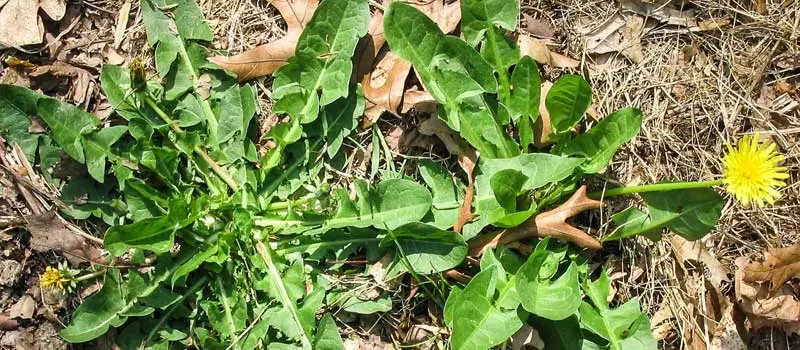
Dicamba is a selective systemic pesticide that works by acting like natural plant growth hormones. The spray is taken in by the stems, leaves, and roots of the weeds it is meant to kill, going through both phloem and xylem tissues. This movement throughout the body messes up the way hormones normally work, which leads to excessive cell division that kills plants that are weak. The combination is very good at keeping annual and perennial woody plants like prickly lettuce, pigweed, buckwheat vine, quinoa, bull nettle, sow thistle, cocklebur, and field bindweed away.
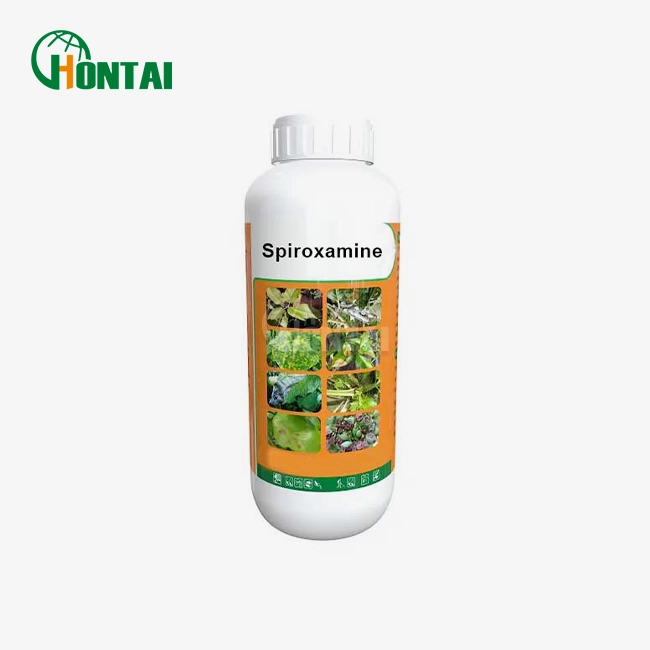
Hontai's Dicamba 48% SL version, which is also called Mediben, comes from Hebei, China. It is a high-purity liquid pesticide that can be used to grow wheat, corn, millet, and rice. The technical-grade material is a white solid that looks like a diamond and has a melting point between 114°C and 116°C. Commercial forms use certain salts, like diglycolamine (DGA) or N, N-bis-(3-aminopropyl)methylamine (BAPMA), to make sure they dissolve in water and lower instability issues that plagued earlier versions of dicamba.
2,4-D: Broad-Spectrum Versatility
2,4-D works in a way that is similar to auxin mimicry, but it can kill more weeds and make crops more resistant to chemicals. Since the 1940s, this phenoxy pesticide has been used in agriculture, gathering a lot of information about how well it works in a wide range of farming systems. Its chemical makeup lets it quickly get into plant cells, which means it works even when it's cooler outside, when other herbicides don't work as well.
The chemical is selective for cereal grains, maize, and grass fields, but it controls many broadleaf plants. Because it has been on the market for longer, there are well-established application methods, a lot of data on how well it mixes in tanks, and government approvals from many countries. This level of maturity gives buyers benefits by making supply lines more reliable and setting prices that are competitive.
Mode of Action Comparison
According to the Herbicide Resistance Action Committee, both herbicides are in Group 4 (synthetic auxins). This means that they work in similar ways, but their molecular makeup and biological action are different. Dicamba is better at getting to deep-rooted plants like Canada thistle because it moves through the system more quickly and more completely. 2,4-D, on the other hand, has faster foliar action and a wider temperature range, which makes it good for early-season burndown treatments when soil temperatures are still low.
Knowing these differences in function helps buying teams choose products that will best solve certain weed problems. When dealing with Palmer amaranth or waterhemp that is resistant to glyphosate, dicamba works better because it targets specific weeds. On the other hand, 2,4-D works better on mixed weed populations in grain production.
Key Differences Between Dicamba and 2,4-D for Procurement Managers
Target Weed Spectrum and Crop Compatibility
Dicamba works very well against some plant species that are troublesome and have become resistant to older chemicals. It works with dicamba-tolerant (DT) crop technologies, like Xtend® soybeans and cotton, so it can be used after the plants have come up in genetically modified systems to get rid of weeds that steal crop yields without hurting the crops. This makes it very useful for operations that need to control populations of hardy weeds, but it needs to be carefully managed to keep it from moving to other areas that it wasn't meant to reach.
2,4-D is better for a wider range of crops and can be used in sown pastures, rangelands, and standard grain systems. Its ability to tolerate it in corn, wheat, barley, and oats without genetic change makes crop cycles more flexible. This adaptability is appealing to wholesalers who serve a wide range of farming markets because it makes inventory less complicated while still providing complete weed control solutions.
Environmental and Safety Considerations
Volatility and shift possibility are important things to think about when buying something. Early forms of Dicamba had a lot of problems with instability, which led to limits by regulators and changes to the labels. Modern low-volatility versions that use advanced salt technologies greatly lower the risk of movement off-target when applied by people who carefully follow the label's instructions, which include wind speeds between 3 and 10 mph, approved nozzles that deliver very coarse drops, and the use of required volatility reduction agents.
2,4-D is less likely to change when mixed with esters, but you need to pay attention to the weather and humidity when using them. Because it stays in the environment longer in some types of soil, rotation interval planning is needed to keep sensitive crops like cotton and soybeans from getting hurt.
The procurement teams need to compare these safety factors to practical skills, the level of training for applicators, and the rules and regulations in each area. Buying from companies that offer full technical help and application advice, like Hontai's experienced, skilled team, lowers risk and ensures that local agricultural rules are followed.
Application Strategies and Equipment Requirements
Dicamba use necessitates the use of specialized tools and close attention to label requirements. Types of approved nozzles, spray pressures, and droplet sizes have a direct effect on how well a product works and how well it follows the law. Operations that don't have the right tools or training are more likely to be sued and less likely to work well.
2,4-D uses (Glyphosate 30%+Dicamba 5%SL) let you use more common spray tools and a wider range of application windows, which makes operations simpler. Because it is easy to get to, it's appealing to service providers who take care of multiple client sites or distributors who help smaller farming operations that don't have a lot of specialized tools.
Market Comparison: Dicamba vs. 2,4-D in Terms of Cost and Availability
Pricing Dynamics and Bulk Purchasing Considerations
The market price for Dicamba usually reflects the fact that it is made using complex methods and has strict quality control standards. Technical-grade material costs more than 2,4-D, but the cost of a made product depends on the type of salt used, its quantity, and how it is packaged. When big businesses negotiate holiday bulk purchases, they can get volume discounts. This is especially true when they make long-term supply deals with dependable makers.
Due to its mature production infrastructure, multiple generic producers, and well-established worldwide supply lines, 2,4-D continues to have lower costs. When distributors want to offer reasonable prices for a wide range of uses, they often choose 2,4-D formulations. This is especially true when they are dealing with price-conscious farming areas.
Aside from per-gallon prices, procurement managers should look at the total cost of ownership. Actual economic benefits depend on things like how much is applied, how well it controls weeds, how useful it is for managing resistance, and how much it might cost to damage crops. When it comes to total value, products that offer better performance at slightly higher unit costs usually do so by increasing returns and lowering the need for retreatment.
Supply Chain Reliability and Manufacturer Credibility
Buying from companies that have exported before, have all the necessary certifications, and have clear quality control programs in place helps keep supply problems and legal issues to a minimum. Hontai Biotech shows these signs of trustworthiness by having well-established foreign logistics networks, a range of flexible packaging choices that can meet OEM/ODM needs, and consistent product quality that meets FAO standards.
When dealing with changes in seasonal demand, global transportation skills become even more important. Distributors can keep their promises to customers without worrying about running out of stock thanks to fast shipping around the world, stable inventory management, and clear communication about production plans. To make sure that suppliers can handle large orders, procurement teams should check store stability data and make plans for what to do if there are delays in shipping.
Regulatory Documentation and Compliance Support
A lot of paperwork is needed to trade agrochemicals across international borders. This includes material safety data sheets, certificates of analysis, phytosanitary certificates, and data on how the product was registered. Suppliers who offer full legal support, such as help with import permits and local registration requirements, make the buying process easier and lower the risk of not following the rules.
Due to worries about the spread in the past, Dicamba, Glyphosate 30%+Dicamba 5%SL, is being closely watched by regulators in many places, which means that more detailed records of care and application reports are needed. Teams in charge of buying things must make sure that sellers give them full regulatory packages that allow for legal use and sale in target markets. Manufacturers like Hontai that offer professional service and expert support after the sale make it easier to meet these complicated needs.
Conclusion
In modern weed control systems, Dicamba and 2,4-D play complementary but different roles. Both are synthetic auxin pesticides that kill broadleaf plants, but because they are made of different chemicals, they have different weed-killing effects, crop compatibility profiles, and treatment needs. Dicamba works specifically against glyphosate-resistant species in certain field systems, while 2,4-D can be used in a wider range of farming situations.
When making choices about where to get herbicides, procurement professionals need to weigh these differences against practical needs, legal settings, and economic factors. Strategies that work well combine how well a product works with how reliable the supply chain is. They put an emphasis on producers who can show they have technical knowledge, consistent quality, and full support services. By knowing the main differences between these herbicides and working with reliable providers, farms can get better results at controlling weeds, lower the risk of resistance, and keep their competitive edge in production conditions that are getting harder to work in.
FAQ
1. Can dicamba and 2,4-D be used interchangeably?
No, these pesticides are not the same, even though they both kill green weeds. Dicamba needs specific crop tolerance, which can be achieved through genetic modification or crop selectivity in grains. It also has a different weed spectrum strengths and is subject to different regulatory limits. There are more crops that can be grown with 2,4-D in traditional methods, but it may not work as well against some resistant species as dicamba does. Instead of treating herbicides as equal options, procurement choices should be based on how well they meet practical needs.
2. What safety protocols are essential when handling these products?
Standard pesticide safety practices must be followed when using either herbicide. These include wearing the right protection gear, storing them properly, and following the directions on the label. Additional care steps are required for Dicamba applications, including wind speed tracking, allowed nozzle types, spray buffer zones near crops that are sensitive, and meticulous record-keeping. High temperatures that raise the risk of volatility should be avoided in 2,4-D treatments. Procurement teams should make sure that providers give full safety paperwork and application training materials to help with legal use.
3. How do herbicide-resistant crop technologies affect product selection?
Broadleaf crops like cotton and soybeans could not be treated with Dicamba after they had sprouted until genetically modified Dicamba-tolerant crops were made available. This new technology greatly increases Dicamba's usefulness for controlling resistant weeds in these systems, which makes it a top choice for growers of DT types. This benefit can't be used by operations that use standard or glyphosate-only tolerant crops, so 2,4-D is a better choice for their weed control plans. For the best performance and safety, choices about crop technology and how to buy herbicides must be in sync.
Partner with Hontai for Reliable Dicamba Supply Solutions
To get herbicides without a lot of trouble, you need to work with makers who offer good products, good professional support, and a reliable supply chain. Hontai Biotech has a good name among agrochemical wholesalers and large-scale farmers who are looking for reliable Dicamba suppliers and all-around weed control options. Our recipe with 48% SL dicamba always works as it should, and we have strict quality control measures in place to make sure it's 98% technical grade purity, which meets international standards.
Hontai has benefits that go beyond making products. Our professional, skilled team offers expert sales support, quick responses, and full technical advice for a wide range of farming problems. We know that procurement managers need more than just basic chemicals. They need partners who can offer flexible customization options for label design and bottle types, stable supply chains that keep you from running out of chemicals during peak seasons, and global agricultural services that help you reach your goals for market growth.
Our factory in Hebei keeps track of inventory well and can quickly ship goods around the world, so we can make sure your customers' farming production plans are met. Hontai has low prices on Dicamba without sacrificing quality, whether you need a lot of it for a business farm or special formulas for a custom application service. Email our team at admin@hontai-biotech.com to talk about your unique needs, ask for samples of our products, or get full quotes.
References
1. Heap, I. (2023). The International Herbicide-Resistant Weed Database: Trends in Herbicide Resistance Development. Weed Science Society of America Annual Conference Proceedings.
2. United States Environmental Protection Agency (2020). Registration Decision for the Continuation of Uses of Dicamba on Dicamba Tolerant Cotton and Soybean. EPA Office of Chemical Safety and Pollution Prevention.
3. Kruger, G.R., Johnson, W.G., Doohan, D.J., and Weller, S.C. (2012). Dose Response of Glyphosate and Dicamba on Tomato Injury. Weed Technology, Volume 26, Issue 3, pp. 256-260.
4. Bish, M.D., Farrell, S.T., Lerch, R.N., and Bradley, K.W. (2019). Dicamba Losses to Air After Applications to Soybean Under Stable and Nonstable Atmospheric Conditions. Journal of Environmental Quality, Volume 48, Issue 5, pp. 1675-1682.
5. Peterson, M.A., McMaster, S.A., Riechers, D.E., Skelton, J., and Stahlman, P.W. (2016). 2,4-D Past, Present, and Future: A Review. Weed Technology, Volume 30, Issue 2, pp. 303-345.
6. Shaner, D.L. (2014). Herbicide Handbook: 10th Edition. Weed Science Society of America, Lawrence, Kansas, pp. 163-167, 312-316.
Our customers’ satisfaction speaks for our quality — contact us to experience the same reliable service.