- English
- French
- German
- Portuguese
- Spanish
- Russian
- Japanese
- Korean
- Arabic
- Greek
- German
- Turkish
- Italian
- Danish
- Romanian
- Indonesian
- Czech
- Afrikaans
- Swedish
- Polish
- Basque
- Catalan
- Esperanto
- Hindi
- Lao
- Albanian
- Amharic
- Armenian
- Azerbaijani
- Belarusian
- Bengali
- Bosnian
- Bulgarian
- Cebuano
- Chichewa
- Corsican
- Croatian
- Dutch
- Estonian
- Filipino
- Finnish
- Frisian
- Galician
- Georgian
- Gujarati
- Haitian
- Hausa
- Hawaiian
- Hebrew
- Hmong
- Hungarian
- Icelandic
- Igbo
- Javanese
- Kannada
- Kazakh
- Khmer
- Kurdish
- Kyrgyz
- Latin
- Latvian
- Lithuanian
- Luxembou..
- Macedonian
- Malagasy
- Malay
- Malayalam
- Maltese
- Maori
- Marathi
- Mongolian
- Burmese
- Nepali
- Norwegian
- Pashto
- Persian
- Punjabi
- Serbian
- Sesotho
- Sinhala
- Slovak
- Slovenian
- Somali
- Samoan
- Scots Gaelic
- Shona
- Sindhi
- Sundanese
- Swahili
- Tajik
- Tamil
- Telugu
- Thai
- Ukrainian
- Urdu
- Uzbek
- Vietnamese
- Welsh
- Xhosa
- Yiddish
- Yoruba
- Zulu
Prometryn Herbicide Manufacturer & Supplier in China
share:
When large-scale farmers have to deal with stubborn weeds that hurt food yields, Prometryn comes out as a reliable selective herbicide option. This methylthiotriazine chemical is made in China by approved companies like Hebei Hontai Biotech Co., Ltd. It controls broadleaf weeds consistently before and after they sprout in cotton, maize, and vegetable crops. Buying Prometryn from well-known Chinese companies gives purchasing managers and wholesalers access to cheap prices, a range of formulation choices (including 50% WP), and a stable supply chain, all of which are important for seasonal farming operations. When buyers from around the world choose sellers in China, they get access to strict quality control systems that are in line with FAO guidelines, experienced technical teams that can help with application questions, and streamlined export operations that make sure deliveries happen on time. This guide talks about why Prometryn is so important for large farms that take care of hundreds to thousands of hectares, how it stacks up against other herbicides, and what agrochemical dealers should look for in a long-term supply relationship. Understanding Prometryn's technical profile and procurement scene can help you make better B2B sourcing decisions, whether you're trying to improve weed control or add more products to your line.
Understanding Prometryn Herbicide and Its Applications
What Is Prometryn and How Does It Work?
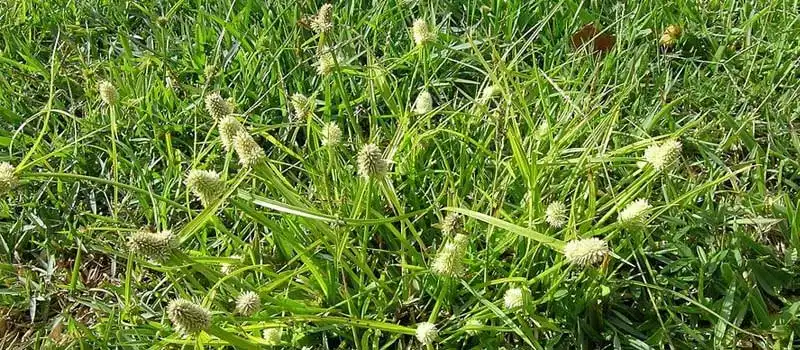
Prometryn (CAS No. 7287-19-6) is a selective systemic pesticide that plants take in through their leaves and roots. After being sprayed, the active ingredient moves up through the xylem, from the roots and leaves to the growth points, and builds up in the apical meristems, which are where cells divide. Weeds like pigweed (Amaranthus retroflexus) and lambsquarters (Chenopodium album) are sensitive to this process because it stops Photosystem II from working, which stops electron transport and leads to chlorosis, followed by necrosis.
Its triazine structure is shown by the molecular formula C₁₀H₁₉N₅S. It has a molecular weight of 241.4 g/mol and a melting point between 118°C and 120°C. At 20°C, water solubility stays low at 33 mg/L, which makes it perfect for wettable powder and suspended concentrate formulas that stay stable while being stored and used.
Primary Crop Applications and Weed Spectrum
Prometryn is very selective for high-value broadleaf crops where automated cleaning could hurt the plants or is not financially possible. A common use case is cotton farming. Applying pre-emergence right after planting creates a chemical barrier in the topsoil layer that stops weeds from sprouting before they can compete with new plants. Post-emergence use at the 2-3 true-leaf stage gets rid of green weeds in apiaceous vegetables like celery and carrots without causing phytotoxicity that would make the veggies look bad at the fresh market.
Pre-emergence treatment is good for sunflower and legume systems, especially in conservation tillage operations where the soil needs to be disturbed as little as possible. The pesticide works well on weeds that start to grow in the top 5 cm of soil and keeps them under control for 40 to 70 days, based on how wet the soil is and how much organic matter is in it. Moderate persistence lowers the number of times that the chemical needs to be applied again, and it breaks down quickly enough to keep transfer risks to a minimum for most rotating crops.
Environmental and Safety Considerations
A soil half-life of 40 to 70 days strikes a good mix between long-term weed control and caring for the environment. Unlike pesticides that stay in the soil for too long, Prometryn breaks down through microbial activity when the soil is wet enough, so there aren't as many worries about long-term buildup. It's important to pay attention to the soil when applying the chemical. If the soil is dry, it needs to be mixed in shallowly (2–3 cm) or irrigated within seven days so that the chemical can work in the plant growth zone.
Following safety rules is very important when working with the 50% WP version. Using the slurry method to make spray solutions—mixing powder with little water to make a smooth paste before diluting in the spray tank—keeps the nozzles from getting clogged and makes sure the whole field is covered evenly. Protective gear and following the directions on the package keep the sprayer as safe as possible while still getting the best weed control.
Comparing Prometryn with Other Herbicides: Making the Right Choice
Performance Advantages Over Alternative Chemistries
Farmers who own commercial farms are looking at different herbicides and weighing their effectiveness, food safety, and economic gains. A bigger crop tolerance makes Prometryn different from Simazine. Both control similar types of weeds, but Prometryn is safer for veggies that are sensitive to it. Atrazine is limited in many markets because of worries about polluting groundwater. Prometryn, on the other hand, has a smaller impact on the environment and is less likely to seep into well-drained soils.
While glyphosate can kill weeds without being selective, it doesn't have the pre-emergence residue action that is needed to stop weeds before they grow. While metribuzin controls leafy plants just as well as glyphosate, it is less selective for certain crops, which means it can't be used in mixed farming systems. Because Prometryn can be used on a wide range of crops, from field crops to specialty veggies, it gives wholesalers a single active ingredient that can serve a wide range of customers.
Cost-Benefit Analysis for Bulk Procurement
Price competition is a key factor for agrochemical wholesalers who are handling profit potential. Chinese companies like Hontai make technical-grade Prometryn (≥97% pure) and goods that meet international standards for a lot less money than well-known Western companies. The pesticide hub in Hebei province has economies of scale that lower production costs. This lets FOB prices for large orders be competitive.
Prometryn has an economic benefit that can be seen by figuring out the cost per hectare. Using 1.5 to 2.5 kg/ha of a 50% WP formulation is the standard way to control weeds all season long, and it costs less than using multiple doses of short-residue options. The longer control window lowers the costs of labor and tools needed for reapplication, which makes large-scale activities that cover thousands of hectares more efficient.
Real-World Application Success
Cotton growers in the United States Cotton Belt have shown that using Prometryn tank mixes with metolachlor instead of mechanical tillage in heavy clay soils that tend to get compacted can protect yields by more than 15%. California vegetable farmers say they can save 40% on labor costs by using exactly timed Prometryn sprays on carrot fields instead of hand-weeding. This keeps the high standards for cosmetic quality that fresh-market buyers expect.
These results show how useful Prometryn is in combined weed control systems, which use chemical, cultural, and mechanical methods together to get the best crop yields while keeping resistance levels in check.
Procuring Prometryn Herbicide from China: What Buyers Need to Know?
Manufacturer Credentials and Production Capacity
Hebei Hontai Biotech Co., Ltd. is an example of a certified Chinese seller that meets the standards for foreign purchasing. The company was founded in 2021 and is based in Shijiazhuang, which is the agrochemical manufacturing hub of Hebei Province. Its production sites follow ISO 9001 quality management methods. The products they make come in a variety of formulations, such as wettable powders that are made by carefully milling and mixing particles to make sure they are all the same size, which is important for their suspensibility performance.
Production can be scaled up or down to handle both test orders for the market and multi-container packages that help regional delivery networks work. When minimum order quantities are flexible, new importers can enter new markets without taking on too much inventory risk. On the other hand, established distributors can take advantage of bulk prices and specific production runs for private-label programs.
Quality Assurance and Regulatory Compliance
Quality control methods used by trustworthy manufacturers meet the main concerns of purchasing managers about the consistency of products and following the rules. High-Performance Liquid Chromatography (HPLC) checks the amount of active ingredients in each batch to make sure it meets the concentration requirements listed on the label. To make sure that WP recipes don't get clogged up with solids, they are put through a test called "suspensibility testing." This makes sure that the suspension rate is higher than 70%.
The results of a wet sieve test show that 98% of the particles can pass through 75-micron screens, which is in line with CIPAC standards for application equipment compatibility. If you keep it somewhere cool, dry, and well-ventilated for two years, the active ingredients won't break down as long as the pH stays between 5.0 and 9.0. By limiting synthesis by-products to suitable levels, impurity analysis makes sure that the formulation is safe for use on crops.
Safety Data Sheets (SDS), Certificate of Analysis (COA) for each production batch, and regulatory dossiers that support import permit applications across multiple countries for Prometryn 50% WP are all part of the documentation packages that well-known providers offer. Export knowledge makes sure that the labels are correct and meet the requirements of the target country. This cuts down on the time it takes to clear goods at ports of entry.
Logistics and Supply Chain Reliability
Chinese agrochemical exports are supported by a fast global transportation system that makes sure deliveries happen on time during growing seasons. Because Hebei is close to Tianjin Port, moving containers to markets in North America, Europe, and Latin America is quick and easy. Established freight handling partnerships allow door-to-door delivery choices, clear tracking, and insurance to protect packages of valuable chemicals.
Bulk needs can be met by flexible packaging, such as 25 kg fiber drums for wholesale sales or smaller, custom-made pieces for retail channels. OEMs can create labels with distributor branding and local language directions, which helps with strategies for differentiating in the market. Private-label deals let dealers build brand recognition while taking advantage of the manufacturer's knowledge in formulation chemistry and legal issues.
Best Practices for Prometryn Application and Usage
Timing and Dosage Recommendations
To get the best weed control, you need to time your applications so that they coincide with when weeds germinate and when crops are growing. To use pre-emergence herbicide on cotton, spread 1.5 to 2 kg of active substance over an area of land within 72 hours of planting. Then, water lightly or let it rain to work the herbicide into the top 2 to 5 cm of soil, which is where weed seeds start to grow. Soil wetness activation is very important—applying chemicals to very dry soils makes them less effective until rain moves the chemicals into the target zone.
For post-emergence uses in veggies, it's important to target the right growth stage. Celery with two to three true leaves can handle Prometryn at a rate of 1.0 to 1.5 kg/ha when it is mixed with enough water (300 to 400 L/ha) to cover the whole plant. Weed growth is still very important; reducing weeds below the 4-leaf stage works best and causes the least amount of crop competition stress.
Tank-Mix Compatibility and Integrated Programs
Using Prometryn with other pesticides that work well together broadens the range of weeds that can be killed and helps with managing resistance. Mixing Prometryn with metolachlor in the tank makes it more effective against grass while still killing weeds. This makes a full pre-emergence program for cotton and corn. Because it works with trifluralin, Prometryn's tailored plant action can be used to effectively control grass at a low cost.
Chemical hydrolysis, which breaks down the active ingredient, can be avoided by not mixing strong alkaline insecticides with other chemicals. Physical compatibility can be checked in jar tests before full-scale mixing. Combining small amounts of each product in water and watching for separation, flocculation, or precipitation over 30 minutes can reveal problematic combinations before they cause expensive tank contamination.
Herbicide rotation plans that use different modes of action, like switching between Prometryn (a Photosystem II inhibitor) and ALS inhibitors or synthetic auxins every season, stop weed populations from becoming resistant. Integrated weed management, which includes both chemical control and cultural techniques like crop rotation and cover crops, keeps herbicides working for a long time.
Resistance Management Strategies
Weed scouting before and after application helps find control fails early on, which shows that resistance is starting to show. Using the Prometryn PROMETRYN herbicide label on the same fields over and over again for several years in a row creates biotypes that are resistant, especially in pigweed species that are more likely to become resistant to herbicides. By switching to pesticides that work in different ways, you can stop selection pressure and keep Prometryn useful for future growth seasons.
Thoroughly cleaning application equipment after use stops it from getting contaminated with chemicals that don't work well together and gets rid of leftovers that could hurt crops during later operations. Calibrating sprayers once a year makes sure that the right amount of chemical is applied. Not applying enough leads to resistance building up, while applying too much raises the risk of crop damage and chemical costs without increasing effectiveness.
Conclusion
Prometryn herbicide, which is made by approved Chinese providers, has been shown to effectively kill weeds and meet the strict needs of large-scale farming operations around the world. It is necessary for growing cotton, vegetables, and field crops because it selectively affects systems, stays in the earth for a modest amount of time, and works with integrated management programs. Buying from well-known companies like Hebei Hontai Biotech gives purchasing managers the quality guarantee, low pricing, and supply chain reliability they need to serve a wide range of agricultural markets. Knowing the technical details, best practices for applications, and criteria for judging suppliers lets you make smart purchasing choices that improve weed control and create long-lasting partnerships that support your business's long-term success.
FAQ
1. Can Prometryn Be Mixed with Other Herbicides Safely?
When you mix prometryn with metolachlor or trifluralin in a tank, you can kill grasses along with woody plants. Chemical degradation can be stopped by not mixing highly alkaline herbicides with other chemicals. Before making full tank amounts, jar tests are done to make sure that the materials are physically compatible. This finds any separation or precipitation problems that could cause spray equipment to get clogged.
2. What Soil Conditions Optimize Prometryn Performance?
When the earth is wet enough, Prometryn works by moving the pesticide into the zone where weeds can germinate. If you apply something to dry soil, it needs to be mixed in shallowly (2–3 cm depth), or it needs to rain within seven days for it to work. Soils that are heavy on clay and high in organic matter may need different amounts of fertilizer than soft, low-organic soils that are easier to work with.
3. Does Prometryn Pose Carryover Risks for Rotation Crops?
Because the soil half-life is between 40 and 70 days, you need to be careful when switching to sensitive crops like sugar beets, alfalfa, or green veggies during the same growing season. Unintentional harm can be avoided by planning rotations with tolerant crops or giving enough time for decline between applications and growing sensitive species. Soil pH and moisture levels affect how quickly things break down, so each spot needs its own risk estimate.
Source reliable Prometryn solutions from Hontai today.
Hebei Hontai Biotech Co., Ltd. offers a wide range of services to agrochemical distributors and industrial farm owners looking for a reliable prometryn provider. Our 50% WP version, which is made in Shijiazhuang, meets worldwide quality standards. It is pure, works well, and performs the same from batch to batch. There are different kinds of flexible packaging that can be used for both large container exports and private-label strategies that support customized OEM programs.
Our professional team offers full technical instructions, quick contact, and expert application advice for a wide range of cropping situations. Fast global operations make sure that deliveries happen on time to meet planting plans in both North American and foreign markets. You can email admin@hontai-biotech.com to get full quotes, product specs, and regulatory help that fits your needs. Work with a well-known Chinese company that is dedicated to quality, dependability, and customer satisfaction when it comes to providing effective pesticide solutions.
References
1. Ashton, F. M., & Monaco, T. J. (1991). Weed Science: Principles and Practices. John Wiley & Sons, New York.
2. Food and Agriculture Organization of the United Nations. (2019). Specifications and Evaluations for Agricultural Pesticides: Prometryn Technical Material.
3. Hess, F. D. (2000). Light-dependent herbicides: An overview. Weed Science, 48(2), 160-170.
4. Collaborative International Pesticides Analytical Council. (2018). CIPAC Handbook: Methods for the Analysis of Prometryn Formulations.
5. Ross, M. A., & Lembi, C. A. (1999). Applied Weed Science Including the Ecology and Management of Invasive Plants. Prentice Hall, Upper Saddle River.
6. Tomlin, C. D. S. (Ed.). (2009). The Pesticide Manual: A World Compendium (15th ed.). British Crop Production Council, Hampshire, UK.
Our customers’ satisfaction speaks for our quality — contact us to experience the same reliable service.