- English
- French
- German
- Portuguese
- Spanish
- Russian
- Japanese
- Korean
- Arabic
- Greek
- German
- Turkish
- Italian
- Danish
- Romanian
- Indonesian
- Czech
- Afrikaans
- Swedish
- Polish
- Basque
- Catalan
- Esperanto
- Hindi
- Lao
- Albanian
- Amharic
- Armenian
- Azerbaijani
- Belarusian
- Bengali
- Bosnian
- Bulgarian
- Cebuano
- Chichewa
- Corsican
- Croatian
- Dutch
- Estonian
- Filipino
- Finnish
- Frisian
- Galician
- Georgian
- Gujarati
- Haitian
- Hausa
- Hawaiian
- Hebrew
- Hmong
- Hungarian
- Icelandic
- Igbo
- Javanese
- Kannada
- Kazakh
- Khmer
- Kurdish
- Kyrgyz
- Latin
- Latvian
- Lithuanian
- Luxembou..
- Macedonian
- Malagasy
- Malay
- Malayalam
- Maltese
- Maori
- Marathi
- Mongolian
- Burmese
- Nepali
- Norwegian
- Pashto
- Persian
- Punjabi
- Serbian
- Sesotho
- Sinhala
- Slovak
- Slovenian
- Somali
- Samoan
- Scots Gaelic
- Shona
- Sindhi
- Sundanese
- Swahili
- Tajik
- Tamil
- Telugu
- Thai
- Ukrainian
- Urdu
- Uzbek
- Vietnamese
- Welsh
- Xhosa
- Yiddish
- Yoruba
- Zulu
How long does imazethapyr last in soil?
share:
Commercial farmers and agrochemical dealers need to know a lot about herbicide persistence because they need to be able to control weeds reliably without putting other crops at risk. Imazethapyr, a strong imidazolinone pesticide used extensively in the production of legumes, has a long residual activity, but it needs to be carefully planned for. This systemic ALS inhibitor stays in the earth for about 60 to 90 days under normal field conditions, but this can change depending on external factors. Complete evaporation may happen in four to six months if the microbes are happy and there is a small amount of moisture. When buying workers and farm managers know these dates, they can make the best cycle plans, reduce the risk of carryover, and get the most out of their weed management programs.
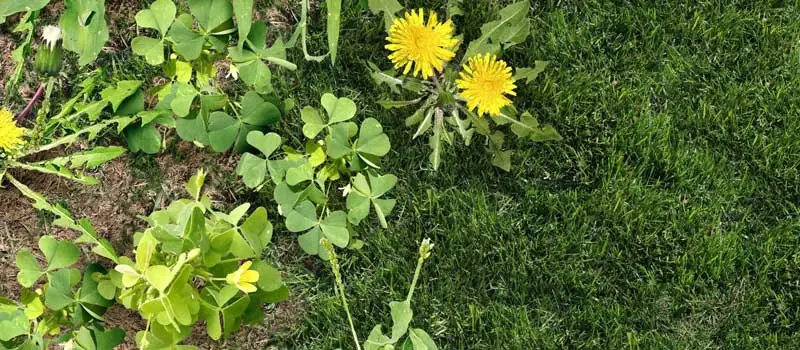
Understanding Imazethapyr Persistence in Soil
Chemical Structure and Degradation Pathways
The relatively steady structure of this herbicide is described by the chemical formula C₁₅H₁₉N₃O₃. This structure affects how it acts after it is sprayed. As an amphoteric chemical, it can be found in both ionic and non-ionic forms, which are directly related to the pH of the soil and affect how well it sticks to soil particles. Microbial metabolism is the main way that degradation happens. Soil bacteria break down the imidazolinone ring structure. Chemical hydrolysis is only a secondary process, especially when the pH is very high or very low. Studies have shown that aerobic bacterial degradation speeds up the breakdown process, while anaerobic conditions make resilience last a lot longer. Temperature has a big effect on microbial activity. Soils that are warmer speed up metabolism, which lowers half-life values, while soils that are cold and wet slow decomposition and increase residual presence.
Soil Factors Influencing Half-Life Duration
The main thing that controls longevity is the pH of the soil. In alkaline soils (pH above 7.5), half-lives are greatly extended beyond 120 days. On the other hand, in acidic soils (pH below 6.0), half-lives break down more quickly, sometimes dropping to 30 to 45 days. Adsorption is affected by the amount of organic matter present; higher percentages of organic carbon bind the pesticide tightly, making it less bioavailable and taking longer for microbes to break down. Mobility and retention are also affected by the amount of clay in the soil. Heavy clay soils hold on to leftovers longer than sandy loams. Moisture levels control the activity of microbes; conditions that are just right (not too wet) speed up the breakdown process. Drought stress stops bacterial processes, which means that breakdown stops until there is enough water again.
Analytical Methods and Regulatory Standards
To find out how much residue there is, you need to use tested testing methods that follow EPA and foreign rules. When high-performance liquid chromatography (HPLC) and mass spectrometry are used together, they can accurately measure amounts down to parts per billion. To make sure that the results are accurate, soil sampling techniques must use standard depth intervals and composite sampling methods. The EPA sets maximum residue limits (MRLs) for different crops that tell farmers when they can safely plant their crops again. When two businesses deal with each other, compliance paperwork is very important. This is especially true for export markets where buying countries have strict phytosanitary rules. To keep the supply chain honest, distributors who buy Imazethapyr 98% TC or formulated goods like 100 g/L SL must make sure that the suppliers meet these scientific and legal standards.
Implications of Imazethapyr Soil Persistence for Crop Management
Crop Rotation Planning and Sensitive Species
The biggest problem in operations is that crops are sensitive to rotation. Small grains like wheat and barley can handle low residues well, but crops like corn, sunflowers, and some veggies are severely hurt at concentrations below the levels that can be used to identify damage. Herbicides usually don't hurt legumes because they target the same enzyme system that these crops have in a changed form, thanks to breeding efforts. To plan cycles, you need to look at more than just calendar months. You need to add up the number of growing degree days and total precipitation since the last application. If the field was sprayed with 2 to 4 oz/acre while soybeans were being grown, it might be safe to plant wheat after 120 days if the soil stays normal. But if it's dry in the autumn, that time frame might need to be extended to 180 days or more.
Optimizing Application Timing for Season-Long Control
If you apply it before the plants come up, before they sprout, or right after they sprout, the extended leftover activity will keep the weeds away all season. Adding 2 oz/a before planting helps keep annual grasses and broadleaf weeds like velvetleaf, cocklebur, and nightshades under control in soybeans and peanuts all through the growing season. Split treatments, which include a lower pre-emergence rate and a post-emergence treatment, give you options while still keeping control without putting too much stress on the land. This method works really well in high-organic-soil, where binding lowers the original effectiveness but increases endurance. Applying herbicides at the right time, when the earth is sufficiently wet, ensures that they work well and get into the weed-germination zone.
Managing Herbicide Resistance Through Rotation
Repeated use of pesticides that block ALS speeds up the development of tolerance in weed populations. Weeds may be under selection pressure not only during the year of treatment but also into the following season because the soil remains active for a long time. Combining pesticides that work in different ways, like Imazethapyr 10% SL with pre-emergence partners like pendimethalin or S-metolachlor, lowers the risk of resistance. The selection loop is broken by switching to foods that can be sprayed with herbicides that don't cause ALS. By keeping an eye on fields for escapes and checking for resistance when control fails, early action can be taken before resistant biotypes take over. Instead of relying on a single mode of action, procurement plans should focus on partnerships with suppliers that offer a wide range of herbicides that can be used for combined resistance management.
Comparing Imazethapyr Persistence with Other Herbicides
Persistence Profile Versus Glyphosate and Contact Herbicides
When conditions are right, glyphosate breaks down very quickly, with half-lives of 7–14 days. This means it can be used close to sensitive crops that need to be planted. Contact pesticides, such as paraquat, break down even faster but don't affect plants after they're gone. With a half-life of 60 to 90 days, Imazethapyr is a real residual herbicide that fits in between contact products that don't last long and chemicals that last a very long time. This longer action is good for the economy because it cuts down on the need for straight applications, but it means paying more attention to rotational limits. Which of these options to use relies on the types of weeds present, the order of the crops, and the acceptable levels of weed density for economic reasons.
Structural Relatives: Imazapyr and Other Imidazolinones
Imazapyr is similar to imidazolinone in structure, but it stays in the environment for a lot longer—often 6 to 12 months or more. This makes it good for managing plants that aren't crops, but not good for rotating row crops. Imazamox and imazaquin have half-lives that are about the same as the subject drug but a little shorter, which means they can be used in smaller rotation windows. These structural differences come from small changes in molecules that affect how well microbes can recognize and break down the material. When choosing an imidazolinone, procurement pros have to make sure that the persistence profiles fit the practical crop sequences. Distributors who work with a variety of farming areas should keep a number of different imidazolinone formulas on hand to deal with different regulatory and cycle pressures.
Formulation Impact on Soil Behavior
Technical concentrate (98% TC, Imazethapyr 98% TC) is used to make different formulas, and each one changes the way the field behaves in a different way. Soluble liquid mixtures, such as 100g/L SL or 10% SL, contain detergents and carriers that change how quickly the soil and plants take them in, but they don't have a big effect on how quickly the mixture breaks down in the long run. Water-dispersible crystals make it easier to work with and stop spreading, but they still behave the same way once they're dissolved and mixed in. Microencapsulated versions release the active ingredient slowly, which may increase the time of effective residue control while lowering peak soil concentrations. By understanding these subtleties of formulation, buyers can choose goods that fit the capabilities of the application equipment and the desired persistence traits.
Safety, Environmental Impact, and Regulatory Considerations
Toxicity Profile and Safety Margins
Based on tests on human toxicity, this pesticide is considered low-risk. Its oral LD50 values in rats are higher than 5000 mg/kg, which puts it in EPA Toxicity Category IV (practically non-toxic). Neither dermal nor respiratory toxins are a big deal. Different non-target soil species are sensitive to different amounts of residue. Earthworms can handle normal residue levels without any problems, but some helpful soil fungi become sensitive at concentrations higher than field application rates. Aquatic species are more sensitive, especially freshwater plants and some animals. This is why buffer zones are needed near bodies of water. These safety gaps give field workers and nearby homeowners peace of mind, but they also make it clear how important it is to follow the label's instructions for how to apply the product correctly.
Soil Health and Microbial Diversity Considerations
Research shows that the microbial community in the soil changes temporarily after treatment, but populations return as the decline continues. Nitrogen-fixing bacteria in legume nodules—the crop's natural partners—are not affected at the rates listed, so the crop's production stays high. Fungal populations may be temporarily slowed down, but long-term measures of soil health show that it is not getting worse under normal use conditions. Rotational use is less likely to cause cumulative effects than applying the same chemical over and over again every year in monoculture systems. Using commercial testing services to keep an eye on the biological activity of the soil helps big operations keep an eye on trends in soil health and make proactive changes to how they handle the land.
Regulatory Compliance Across Key Markets
The US EPA registers a number of mixtures, and the labels of these products, including Imazethapyr 98%TC, list the specific crops and rates at which they cannot be used. Different crops have different maximum waste limits. For example, soybeans can handle more than rotating grains. Companies that want to export must make sure that the countries where their goods will be sold recognize US MRLs or keep standards that are comparable. European Union rules have tougher standards for persistence, and some member states limit use based on estimates of how vulnerable groundwater is. Different Asian markets have different rules for regulations. Some countries, like Vietnam and Thailand, keep current registrations, while others need a lot of local trial data. Distributors need to keep up-to-date regulatory paperwork, such as safety data sheets; certificates of analysis that prove purity standards, such as a 98% TC minimum test; and care information that backs up suggestions for legal use.
Conclusion
Persistence traits have a big impact on how pesticide users make decisions about what to buy and how to use it. The half-life of 60 to 90 days is usually enough to keep weeds from coming back all season, but it needs to be rotated, and people need to be aware of how external factors can change breakdown rates. To get reliable goods that help reach operating goals, procurement professionals must find a balance between choosing the right recipe, making sure the supplier's quality is high, and following all the rules. Commercial operations can get the most out of plant control while minimizing damage to products and the environment by understanding how soil qualities, temperature conditions, and herbicide chemistry affect each other.
FAQ
1. What factors most strongly influence how long Imazethapyr remains active in soil?
The pH of the soil is the most important factor. Soils that are alkaline make things last much longer than 120 days, while soils that are acidic break down things much faster, in just 30 to 45 days. Microbial activity, which is the main way things break down, is controlled by temperature and wetness. Adsorption is affected by the amount of organic matter and clay, which in turn affects solubility for breakdown. Label words alone aren't enough to correctly predict persistence ranges; you also need to know about the specifics of your land.
2. Can I plant corn safely after soybeans treated with this herbicide?
Corn is only slightly sensitive to leftovers. Waiting times depend on how much was sprayed, the pH of the soil, and how much rain has fallen since the application. If it rains normally and the soil is sandy and acidic, corn can be planted 120 days after the usual rates were applied. It could take 180 to 240 days for clay or alkaline soils. Before planting sensitive crops on whole areas, you should always do field bioassays by planting test pieces.
3. How does formulation choice affect soil persistence?
Technical concentrate purity (98% TC) ensures that makers make similar formulas, but the final degradation rates don't change much whether you use 100 g/L SL or 10% SL. Formulation changes how the substance is first incorporated and how plants take it up, but not how microbes break it down. Instead of expecting differences in endurance, choose formulations based on how well they work with the tools you'll be using and how you like to handle them.
Contact Hontai for Reliable Imazethapyr Supply
Hebei Hontai Biotech Co., Ltd. is a reliable company that makes Imazethapyr. They offer 98%TC, 100g/L SL, and 10%SL versions that are designed to work well in a wide range of farming settings. At 2-4 oz/a, our product line kills most annual and perennial grasses and green weeds in most major crops. It can be used before the plants sprout, during the sprouting process, or after the sprouting process. We have strict quality standards and records of analysis for each batch that prove the purity requirements. Our professional team gives expert advice to help you plan the best times to apply chemicals and rotate crops. We serve business farmers, distributors, and farming service providers all over the world with fast global logistics and full after-sales support. Email us at admin@hontai-biotech.com to talk about your herbicide buying needs and find custom solutions that fit your business's wants.
References
1. Senseman, S.A., ed. (2007). Herbicide Handbook, 9th Edition. Weed Science Society of America, Lawrence, Kansas.
2. Mangels, G. (1991). "Behavior of the Imidazolinone Herbicides in Soil—A Review of the Literature." Imidazolinone Herbicides, CRC Press, Boca Raton, Florida.
3. Loux, M.M., Doohan, D., Dobbels, A.F., et al. (2017). "Weed Control Guide for Ohio, Indiana and Illinois." Ohio State University Extension Bulletin 789.
4. Renner, K.A., Meggitt, W.F., and Penner, D. (1988). "Effect of Soil pH on Imazaquin and Imazethapyr Adsorption to Soil and Phytotoxicity to Corn." Weed Science 36(1):78-83.
5. Goetz, A.J., Lavy, T.L., and Gbur, E.E. (1990). "Degradation and Field Persistence of Imazethapyr." Weed Science 38(4-5):421-428.
6. United States Environmental Protection Agency. (2006). "Reregistration Eligibility Decision for Imazethapyr." EPA Publication 738-R-06-007, Washington, D.C.
Our customers’ satisfaction speaks for our quality — contact us to experience the same reliable service.