- English
- French
- German
- Portuguese
- Spanish
- Russian
- Japanese
- Korean
- Arabic
- Greek
- German
- Turkish
- Italian
- Danish
- Romanian
- Indonesian
- Czech
- Afrikaans
- Swedish
- Polish
- Basque
- Catalan
- Esperanto
- Hindi
- Lao
- Albanian
- Amharic
- Armenian
- Azerbaijani
- Belarusian
- Bengali
- Bosnian
- Bulgarian
- Cebuano
- Chichewa
- Corsican
- Croatian
- Dutch
- Estonian
- Filipino
- Finnish
- Frisian
- Galician
- Georgian
- Gujarati
- Haitian
- Hausa
- Hawaiian
- Hebrew
- Hmong
- Hungarian
- Icelandic
- Igbo
- Javanese
- Kannada
- Kazakh
- Khmer
- Kurdish
- Kyrgyz
- Latin
- Latvian
- Lithuanian
- Luxembou..
- Macedonian
- Malagasy
- Malay
- Malayalam
- Maltese
- Maori
- Marathi
- Mongolian
- Burmese
- Nepali
- Norwegian
- Pashto
- Persian
- Punjabi
- Serbian
- Sesotho
- Sinhala
- Slovak
- Slovenian
- Somali
- Samoan
- Scots Gaelic
- Shona
- Sindhi
- Sundanese
- Swahili
- Tajik
- Tamil
- Telugu
- Thai
- Ukrainian
- Urdu
- Uzbek
- Vietnamese
- Welsh
- Xhosa
- Yiddish
- Yoruba
- Zulu
What Is Imazamox and How Does It Work as an Herbicide?
share:
Imazamox is a systemic, post-emergence pesticide from the imidazolinone chemical family. It is known for only killing grassy and broadleaf pests. It works by stopping the acetolactate synthase (ALS) enzyme from doing its job. Its chemical name is (RS)-2-(4-isopropyl-4-methyl-5-oxo-2-imidazolin-2-yl)-5-methoxymethylnicotinic acid (CAS 114311-32-9). This problem stops the production of valine, leucine, and isoleucine, which are branched-chain amino acids that plants need to grow. Imazamox is absorbed by plants through their leaves and roots and then moves to their meristematic tissues, where it stops their growth, makes them wilt, and eventually turns them brown. It works well at low rates (0.032 to 0.05 lb/acre), which makes it a popular choice for long-term weed control in Clearfield®, soybean, and legume crop systems.
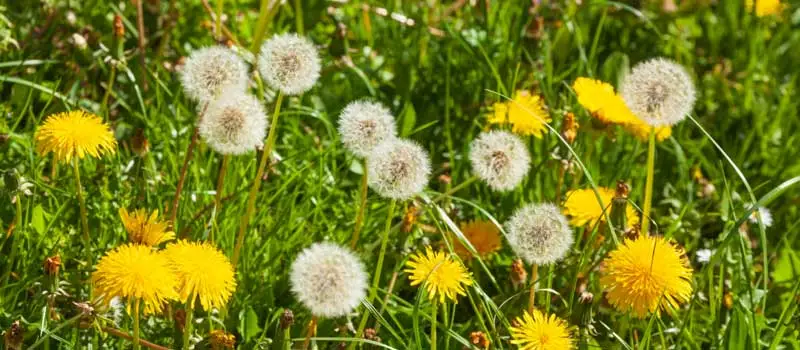
Understanding Imazamo x: Chemical and Functional Overview
Imazamox's main strength is that it only kills certain types of plants and doesn't harm important foods. Unlike non-selective pesticides, it only attacks the ALS enzyme that is found in plants. Because it is selective, imazamox can get rid of weeds like pigweed, cocklebur, and wild mustard without hurting products that can handle it, like alfalfa, soybeans, peanuts, and genetically improved Clearfield® types of wheat, sunflower, and canola.
Chemical Composition and Formulation Types
Imazamox, which has a molecular formula of C₁₅H₁₉N₃O₄, is usually a solid that is off-white to light yellow in its scientific grade. Soluble Liquids (SL) at concentrations as high as 4% (40 g/L) and Water-Dispersible Granules (WDG) are two commercial forms. Hontai Biotech's 4% SL formulation, made in Hebei, China, keeps its pH fixed between 5.0 and 7.0, which protects the purity of the molecules while they are being stored and used. Emulsion in Water (EW) recipes contain oil phases that make it easier for the plant's waxy cuticles to absorb the product through the leaves, making the transfer process more effective than with regular SL products.
Mode of Action and Weed Spectrum
Imazamox quickly gets into the leaf surfaces and root zones after it is sprayed, after the plant has emerged. It goes through the xylem and phloem tissues and builds up at growth points where cells divide. When ALS is stopped, protein synthesis stops. This causes chlorosis, necrosis, and plant death within 7–21 days, based on the type of weed and the factors in the environment. This chemical kills more than 40 types of grass and plant weeds, both annual and perennial types. Its systemic nature ensures control even when spray coverage isn't full, which is a big plus in thick crop canopies where contact herbicides don't work.
Experts in agriculture and purchasing can use this information to decide if Imazamox meets their needs by looking at its chemistry and functional properties. Its low use rates are better for the environment, and the fact that it works with integrated pest management (IPM) methods helps make farming more environmentally friendly.
Practical Application and Usage Guidelines
To effectively use imazamox, it is important to know the right time and the right amount and to follow all safety rules so that weeds are controlled while crop damage and environmental damage are kept to a minimum.
Application Rates and Timing
Depending on how many weeds are present and how well the crop can handle the chemical, the recommended treatment rates are between 0.032 and 0.05 lb active ingredient per acre, which is about 35 to 50 g/ha. If you apply Imazamox to weeds when they are just starting to grow (2-4 leaf stage), it will be better absorbed and moved around. When applied to soybeans between the V2 and V4 growth stages, these stages find a balance between crop safety and weed control effectiveness. Adding non-ionic detergents or crop oil concentrates to the tank makes the product penetrate better, especially when it's dry or when it's going after species with waxy leaves.
Application Methods and Equipment
A lot of the time, transport is done with ground-based boom sprayers and overhead applications. Spray amounts are usually between 10 and 20 gallons per acre, and the nozzles are chosen to make medium-sized drops (200 to 400 microns) that keep the area good while minimizing drift. Volatilization and off-target movement can be avoided by not applying during high wind speeds (above 10 mph) and temperature extremes (above 85°F). Calibration of tools makes sure that the dose is spread out evenly and stops people from giving too little or too much, which can lower the effectiveness and raise the risk of resistance.
Safety Protocols and Environmental Stewardship
When mixing and applying chemicals, operators must wear the right personal protective equipment (PPE), such as gloves that can handle chemicals, long-sleeved clothes, and eye protection. Imazamox is not very dangerous to mammals, but it needs to be handled carefully to avoid spills. Immediately containing the spill and using absorbing materials are very important. Monitoring the pH and wetness of the soil is an important environmental factor because microbes break down Imazamox more quickly in acidic, wet soils. Its half-life in soil is between 25 and 140 days, so crop rotation needs to be carefully planned. Following the directions on the label and the rules set by your local government will help keep the land healthy in the long run.
These useful tips make it possible for large-scale farmers and service providers to use Imazamox correctly, which keeps weeds under control while protecting food yields and the environment.
Imazamox Effectiveness and Resistance Management
To keep weed control working for a long time, it's important to keep an eye on pesticide performance and resistance.
Comparative Efficacy Against Alternatives
Imazamox is more selective than glyphosate, especially when it comes to bean crops, which glyphosate can't be used on. While imazethapyr stays in the soil for a longer time, imazamox has a lower chance of carrying over to other crops, which makes it good for rotations with sensitive crops like sugar beet. Imazamox is the best selective herbicide for getting rid of weeds that are tied to plants, like red rice in rice fields and wild oats in wheat fields, where there are no other choices. Imazamox has been shown to be effective against 85–95% of key weed species when used in the best conditions. This makes it a useful tool for a wide range of agricultural situations.
Understanding Resistance Development
Herbicides that stop ALS from working can change the genes of weeds over time, making them resistant. Over 150 weed species around the world have become resistant to ALS, which shows how important it is to be proactive about managing weeds. Cross-resistance between imidazolinones, sulfonylureas, and other ALS drugs makes control tactics more difficult and calls for a variety of methods.
Integrated Resistance Management Strategies
Herbicide modes of action should be switched around, mechanical cultivation should be used, and cover crops should be used to stop weeds from coming up. When you mix Imazamox (Imazamox 98% TC 4% SL) with herbicides from different chemical families, like PPO inhibitors or ACCase inhibitors, in a tank, you target more than one biochemical route at the same time, which slows the onset of resistance. Using Integrated Weed Management (IWM) ideas, like crop rotation, competitive crop types, and planting at the right time, lowers the pressure on any one pesticide to become more dominant. Regularly checking for resistance in the field and in the lab allows for early discovery and flexible control.
Agrochemical wholesalers and crop protection companies can help their customers by teaching them these tips, which make sure that Imazamox works in all seasons and areas.
Procurement Insights: Purchasing and Supplier Information
To efficiently source Imazamox, you need to know how the market works, how reliable your suppliers are, and how to handle logistics.
Global Availability and Sourcing Channels
Imazamox can be bought from authorized dealers, area distributors, or directly from the maker. More and more, business-to-business buyers, like agrochemical exporters and wholesalers, want to work directly with producers like Hontai Biotech to get the best prices and make sure they always have enough supplies. When you buy in bulk, usually when you buy more than 1,000 liters or kilos, you can get savings and better payment terms.
Supplier Selection Criteria
Choosing sources with confirmed quality certifications, like ISO 9001 for quality management and adherence to FAO/CIPAC standards, makes sure that the products are consistent and that the rules are followed. High-Performance Liquid Chromatography (HPLC) testing confirms that technical concentrate (TC) is at least 98% pure, and an exact 4.0% content in SL formulations ensures correct dosage and field effectiveness. To stop phytotoxicity and make sure crops are safe, impurity analysis is a must. Suppliers who provide full regulatory paperwork, such as Safety Data Sheets (SDS) and Material Safety Data Sheets (MSDS), make it easier to clear customs and follow the rules in the target country.
Logistics and Delivery Considerations
For a constant supply, especially during busy application seasons, fast global operations are a must. Reliable sellers offer a range of shipping choices, such as containerized goods for large orders and smaller packages for test purchases. Delays are kept to a minimum by making sure that all paperwork is correct and that price codes are consistent. International orders usually take between 15 and 30 days, so buying managers who need to keep track of seasonal demand need to plan ahead. Hontai Biotech has a well-established transportation network that makes sure products get to markets on time in North America, Europe, and other places. This keeps clients' production plans from being interrupted.
When buyers understand these aspects of buying, they can make smart choices that balance cost, quality, and supply stability.
Key Considerations for B2B Clients in Selecting Imazamox
To get the best return on investment and operational performance, a strategic pick of imazamox requires balancing a number of factors.
Cost Versus Performance Analysis
Upfront prices vary by provider and formulation, but to figure out long-term ROI, you need to look at how well it works, how often it is used, and how you need to handle pushback. Imazamox is applied less frequently each season due to its low use rates, which saves money on labor and tools. Because it kills multiple types of weeds at once, you don't have to use different herbicides one after the other, which saves even more money. It's easier to understand economic worth when you compare the total cost per hectare of the product, any adjuvants, and the treatment costs to the benefits of yield protection.
Regulatory Compliance and Crop Safety
Herbicide registration, maximum residue limits (MRLs), and pre-harvest intervals (PHIs) are all governed by rules that are unique to each region. The Environmental Protection Agency (EPA) has approved Imazamox 98% Tc 4% SL and Imazamox 4%EW for use on certain crops in the United States. The PHIs for these products range from 60 to 120 days. Following these rules keeps you from having problems getting into markets and from being sued. To make sure crops are safe, you have to follow the directions on the package, avoid applying chemicals during sensitive growth stages, and keep an eye out for phytotoxicity signs like chlorosis or stunting. Unwanted crop damage can be kept to a minimum by choosing formulas with stable pH and controlled impurity levels.
Sustainability and Environmental Certifications
Demand for pesticides with good ecological profiles is driven by a growing focus on environmental care. The way that Imazamox breaks down in microbes and how little harm it does to mammals are both in line with goals for healthy agriculture. B2B companies that want to get environmental approvals, like GLOBALG.A.P. or organic transition programs, benefit from pesticides that help protect wildlife and leave behind fewer chemical residues. Partnering with providers that are dedicated to responsible manufacturing practices, such as reducing waste and using energy efficiently, helps companies keep their promises to be environmentally friendly.
Agrochemical distributors, large-scale producers, and farming service providers use these factors to choose Imazamox options that meet their business goals, government rules, and environmental concerns.
Conclusion
Imazamox is an important tool for current weed management because it selectively and systemically kills grassy and broadleaf weeds in areas that are sensitive to rotation, Clearfield® systems, and legume crops. Its ALS enzyme inhibition process works well at low application rates, promoting environmentally friendly farming methods and saving money. Knowing its chemical qualities, how to use it, and how to deal with pushback gives B2B clients the power to get the most out of it while having the least impact on the world. Strategic choices about buying things, like focusing on a supplier's reputation, following the rules, and being able to rely on logistics, make sure that products are always available and work well. Imazamox is still a reliable way to get high-quality results and long-term weed control success, even as farming problems change.
FAQ
1. Is Imazamox Safe for All Legume Crops?
If you follow the directions on the package, imazamox is safe for soybeans, peanuts, and alfalfa. The level of tolerance a crop has depends on its growth stage and the factors in its surroundings. The lowest risk of injury is during the early vegetative stages (V2-V4). To avoid phytotoxicity, don't use it on types of legumes that aren't resistant.
2. What Is the Pre-Harvest Interval for Imazamox?
PHIs are different for each crop and area, but they usually last between 60 and 120 days. Following these times keeps leftovers below the maximum residue limits (MRLs), which stops products from being rejected by the market and avoids problems with compliance.
3. How Can I Manage Herbicide-Resistant Weeds?
Mix imazamox with pesticides from various modes of action, use cover crops, and do mechanical cultivation. Mixing pesticides that work well together in a tank slows the growth of resistance. Regular testing in the lab and the field allows for early discovery and flexible reactions.
Partner with Hontai for Reliable Imazamox Supply
Hebei Hontai Biotech Co., Ltd. was founded in 2021 and is based in Shijiazhuang, Hebei, China. They make high-quality agrochemicals, such as Imazamox 4% SL and 98% TC formulas. Our promise to keep product quality stable, which is proven by HPLC analysis and careful residue tracking, guarantees consistent performance in the field. We can change the sticker style, bottle types, and dosage forms to meet the needs of a wide range of customers. Our skilled sales team and after-sales service system help farmers with all kinds of problems by giving them expert technical advice, responding quickly, and providing them with full support. You can be sure of efficient shipping and on-time delivery with fast global logistics. This will help you keep to your production plans across foreign markets. Get in touch with us at admin@hontai-biotech.com to learn more about our low prices on Imazamox, our bulk buying choices, and custom solutions made by a reputable maker.
References
1. Shaner, D.L. (2014). "Herbicide Handbook (10th Edition)." Weed Science Society of America, Lawrence, Kansas.
2. Tan, S., Evans, R.R., Dahmer, M.L., Singh, B.K., & Shaner, D.L. (2005). "Imidazolinone-tolerant crops: History, current status and future." Pest Management Science, 61(3), 246-257.
3. Heap, I. (2023). "The International Survey of Herbicide-Resistant Weeds." WeedScience.org Database Report.
4. European Food Safety Authority (EFSA). (2016). "Peer review of the pesticide risk assessment of the active substance imazamox." EFSA Journal, 14(11).
5. Senseman, S.A., ed. (2007). "Herbicide Handbook (9th Edition)." Weed Science Society of America, Lawrence, Kansas.
6. United States Environmental Protection Agency (EPA). (2020). "Imazamox: Registration Review Case 7128." Office of Pesticide Programs, Washington, D.C.
Our customers’ satisfaction speaks for our quality — contact us to experience the same reliable service.