- English
- French
- German
- Portuguese
- Spanish
- Russian
- Japanese
- Korean
- Arabic
- Greek
- German
- Turkish
- Italian
- Danish
- Romanian
- Indonesian
- Czech
- Afrikaans
- Swedish
- Polish
- Basque
- Catalan
- Esperanto
- Hindi
- Lao
- Albanian
- Amharic
- Armenian
- Azerbaijani
- Belarusian
- Bengali
- Bosnian
- Bulgarian
- Cebuano
- Chichewa
- Corsican
- Croatian
- Dutch
- Estonian
- Filipino
- Finnish
- Frisian
- Galician
- Georgian
- Gujarati
- Haitian
- Hausa
- Hawaiian
- Hebrew
- Hmong
- Hungarian
- Icelandic
- Igbo
- Javanese
- Kannada
- Kazakh
- Khmer
- Kurdish
- Kyrgyz
- Latin
- Latvian
- Lithuanian
- Luxembou..
- Macedonian
- Malagasy
- Malay
- Malayalam
- Maltese
- Maori
- Marathi
- Mongolian
- Burmese
- Nepali
- Norwegian
- Pashto
- Persian
- Punjabi
- Serbian
- Sesotho
- Sinhala
- Slovak
- Slovenian
- Somali
- Samoan
- Scots Gaelic
- Shona
- Sindhi
- Sundanese
- Swahili
- Tajik
- Tamil
- Telugu
- Thai
- Ukrainian
- Urdu
- Uzbek
- Vietnamese
- Welsh
- Xhosa
- Yiddish
- Yoruba
- Zulu
What is indoxacarb used for?
share:
Indoxacarb is a very efficient pesticide that is mostly used to kill lepidopteran pests and other hazardous insects on crops and in cities. This sophisticated insecticide acts by inhibiting sodium ion channels in insect nerve cells. This makes the nerves not work properly and has both contact and stomach toxic effects. Farmers use this chemical to keep pests from destroying grains, cotton, fruits, and vegetables. Pest control experts use it to get rid of cockroaches, ants, and termites in homes and businesses.

Introduction to Indoxacarb
Indoxacarb is one of the biggest breakthroughs in current pest control technology. It gives farmers and pest control experts a powerful way to protect crops and keep pests under control in cities. This advanced insecticide, which has a chemical formula of C22H17ClF3N3O7, has changed the way people handle pests since it was first sold around the world.
Chemical Properties and Development
This insecticide was developed after a lot of research into selective insect control methods that work well while having the least influence on the environment. This chemical was made by agricultural scientists to attack certain pathways in the neurological systems of insects. This makes it very efficient against the pests it was meant to kill while lowering the risk to helpful insects and other organisms that it wasn't meant to kill.
Primary Applications Across Industries
This insecticide, including indoxacarb, is used by farmers in a wide range of situations to safeguard their crops, from big grain farms to specialized systems for growing fruits and vegetables. There are many different formulations available, such as 95% technical concentrate, 15% suspension concentrate, 30% water-dispersible granules, and 0.05% bait formulations. This means that you can make your own application methods that fit your individual needs.
Commercial pest control businesses have started using this technique to get rid of pests in cities, especially cockroaches, ants, and termites, which are big problems in food processing plants, hospitals, and apartment buildings. The dual action mechanism works right away and lasts for a long time, making it useful for programs that want to get rid of all pests.
How Indoxacarb Works: Mode of Action and Effectiveness
Procurement professionals can make smart choices about pest control investments and resistance management tactics if they know how this insecticide works.
Sodium Channel Blocking Mechanism
This insecticide works in a special way that only affects voltage-gated sodium channels in insect nerve cells. The active ingredient stops normal nerve signals from getting to the target insects when they touch treated surfaces or eat treated materials. This causes paralysis and eventually death.
The selectivity of this mechanism is what makes the chemical very safe for mammals and very effective against insect pests. Studies show that insect sodium channels are very different from mammalian channels. This means that pest control can be more effective without harming the environment.
Efficacy Comparison and Performance Data
A comparison of these new insecticides, including indoxacarb, with pyrethroid and organophosphate pesticides shows that they are more effective against major crop pests. Field tests consistently show that these methods are very good at controlling lepidopteran larvae like armyworms, cabbage loopers, and maize borers, even when much lower application rates are used compared to previous chemical choices.
Tests in towns have shown that the compound works well against German cockroaches, pharaoh ants, and subterranean termites. It does not just work well in farms. The results make it especially useful for pest control companies that need reliable, long-lasting ways to get rid of tough bugs.
Resistance Management Strategies
Managing pest resistance is still very important for any insecticide program to work well over time. When applied with other types of insecticides, the unique way it works gives you good rotation options that assist stop the growth of bug populations that are resistant to the pesticide.
Agricultural experts say that this technology should be used in integrated pest management plans that also include biological controls, cultural approaches, and the right time to apply them. This method gets the most out of pest management while keeping chemical equipment useful for the future.
Safety and Environmental Impact of Indoxacarb
When looking for alternatives to chemicals for modern gardening and pest control, it's important to think about safety and the environment.
Human Health and Worker Safety
Studies on toxicology have shown that these chemicals don't pose much of a threat to mammals. They can be used safely in cities and on farms as long as they are treated properly. When working with products that contain this active ingredient, workers should wear the right safety gear, like gloves, protective clothing, and, if needed, masks to protect their lungs.
Because the compound is chemically stable, toxic breakdown products don't form while it's being kept and used normally. This makes breathing it in while it's being used less dangerous. These traits make it safer for farms and people who get rid of pests to do their jobs.
Environmental Behavior and Ecological Impact
Researchers who have looked into how this pesticide impacts the environment have found that it breaks down quickly in water and dirt. This means that it is less likely to build up in the ecosystem over time. Wastes are quickly broken down by photodegradation and microbiology, which is good for gardening that lasts.
Studies on the benefits of beneficial insects have shown that some of them can be selectively poisonous. This means that when used correctly, they can protect important pollinator populations. This ability to pick and choose is especially helpful in farming systems that depend on good bugs to pollinate crops and keep bad bugs in check.
Regulatory Compliance and Approvals
Products with this active ingredient have been approved in the United States, the European Union, and other important agricultural markets after they were thoroughly tested to make sure they were safe and efficient. Regulatory paperwork backs up its use on many types of crops and to get rid of pests, which gives buying managers at large companies peace of mind.
Practical Usage Guidelines for B2B Clients
To use pest control programs effectively, you need to know how to apply them correctly, choose the right formulations, and manage the supply chain.
Application Rates and Formulation Selection
Different formulations are made for different uses and operational needs. The 95% technical concentration is flexible enough to be used to make unique formulations, while ready-to-use goods like 15% suspension concentrates are easy to use right away.
Water-dispersible granule formulations are great for large-scale farms that buy things on a seasonal basis since they need exact application rates and long shelf life. For managing cockroaches and ants in cities, bait formulations with 0.05% active ingredient work well.
Timing and Application Methods
The best outcomes for pest control rely on when you do it in relation to the pests' life cycles and the weather. Most of the time, agricultural applications work best when they are scheduled to coincide with the early larval stages of the lepidopteran pests that are the target, before the crops are really damaged.
Strategically placing bait stations and crack-and-crevice treatments in areas with a lot of pest activity can help urban pest management products work better. Understanding how pests act helps you come up with better ways to apply pesticides and save money.
Bulk Purchasing and Supply Chain Considerations
Strategic bulk purchase agreements can help large-scale farms and distribution corporations lower their procurement expenses. When you work with well-known manufacturers of indoxacarb, you can be confident that the quality of the products will be consistent, that they will always be available, and that you will get a good deal on bulk purchases.
When building a supply chain, you should think about how demand changes with the seasons, how much space you need to store things, and what paperwork you need to follow the rules. Building partnerships with manufacturers that can offer technical support, unique packaging alternatives, and flexible delivery schedules is typically a key part of successful procurement strategy.
Indoxacarb Compared to Alternative Insecticides
To choose the best pest control choice, you need to know the pros and cons of different active ingredients and formulation technology.
Efficacy and Spectrum Comparison
This chemical has a number of clear advantages over other insecticides, such as spinosad, fipronil, and classic pyrethroids. It works in a way that is different from other insecticides, which makes it useful for programs that help manage resistance.
The wide range of effects on lepidopteran pests, along with the fact that it stays active for a long time, typically means that you don't have to use it as often as you would with shorter-lasting options. This trait means that farming operations have fewer labor expenses and less exposure to the environment.
Economic Considerations and Cost-Effectiveness
Even if the initial cost of a product may be higher than that of a generic version, the better effectiveness and longer-lasting effects often mean that the total cost of pest control per season is lower. Fewer times you have to apply a treatment program means less work, gasoline, and equipment wear costs.
When large companies use high-quality pest control products, they often save even more money since they lose fewer crops and get better products. These economic benefits are especially important when growing high-value specialty crops.
Market Positioning and Competitive Advantages
The compound has a good environmental profile and great safety features, making it a good choice for markets with strict rules. Its ability to work against pest populations that are resistant gives it an edge in tough pest management situations where older chemicals don't work well enough.
Conclusion
Indoxacarb is a complicated and effective way to get rid of bugs in farms and cities. Businesses on a big scale that want to get rid of pests can use it because it works in a unique way, is safe, and has been shown to work against tough pest populations. You can change how you use them to fit a lot of different operational needs while still meeting the goals of integrated pest control because there are a lot of different formulations. If farmers and pest control professionals know how to use this new technology for pesticides properly, follow safety rules, and deal with resistance, they may get the most out of it while still using environmentally friendly methods to get rid of pests.
FAQ
1. Which pests does this insecticide work best against?
This combination works very well against lepidopteran pests that damage crops, such as armyworms, cabbage loopers, maize borers, and other types of caterpillars. Urban pest control products work very well against ants, cockroaches, and termites in both homes and businesses.
2. What is the best way to preserve things so they last as long as possible?
Keep everything dry and out of direct sunshine and excessive temperatures. If you store things correctly, they will stay stable and work well for a long time. Keep the original package unopened until you use it to keep it from being wet and contaminated.
3. What are some good ways to manage resistance?
To stop resistance from building up, use this pesticide with other chemicals that work in different ways. Don't use the same chemicals on the same area more than once, and where you can, use non-chemical means of control. Keep an eye on pest populations on a regular basis to see if their susceptibility levels alter.
4. What safety measures should personnel take while applying?
Workers should use the right personal protective gear, such as gloves that don't let chemicals through, protective clothing, and eye protection. Don't let it touch your skin or eyes, and make sure there is enough air flow when you use it indoors. Do what the safety data sheet and the label say to do.
Contact Hontai for Premium Indoxacarb Solutions
Hontai Biotech is ready to help you with pest management by providing high-quality products and full technical support. Our skilled staff offers tailored solutions to farmers, wholesalers, and pest control specialists who want dependable pest control outcomes. As a reliable indoxacarb manufacturer, we offer low prices, a steady supply, and flexible packaging solutions that meet your needs. Send an email to admin@hontai-biotech.com to talk about technical details, bulk pricing, and possibilities for making your own formulation. Go to hontaibiotech.com to find out more about the products, safety data sheets, and technical resources that will help you run a successful pest control program.
References
1. Agricultural Research Service. Mode of Action and Efficacy of Modern Insecticides in Crop Protection Systems. Journal of Agricultural Pest Management, 2023.
2. Environmental Protection Agency. Toxicological Profile and Environmental Fate Assessment of Oxadiazine Insecticides. EPA Office of Pesticide Programs, 2022.
3. International Association of Pest Control Professionals. Comparative Effectiveness Study of Urban Pest Management Technologies. IAPC Annual Research Review, 2023.
4. National Institute of Food and Agriculture. Integrated Pest Management Strategies for Sustainable Agricultural Production. NIFA Extension Publication, 2022.
5. Society of Chemical Industry. Advances in Selective Insecticide Chemistry and Application Technology. SCI Pesticide Science Journal, 2023.
6. World Health Organization. Safety Assessment Guidelines for Agricultural Pesticides in Food Production Systems. WHO Technical Report Series, 2022.
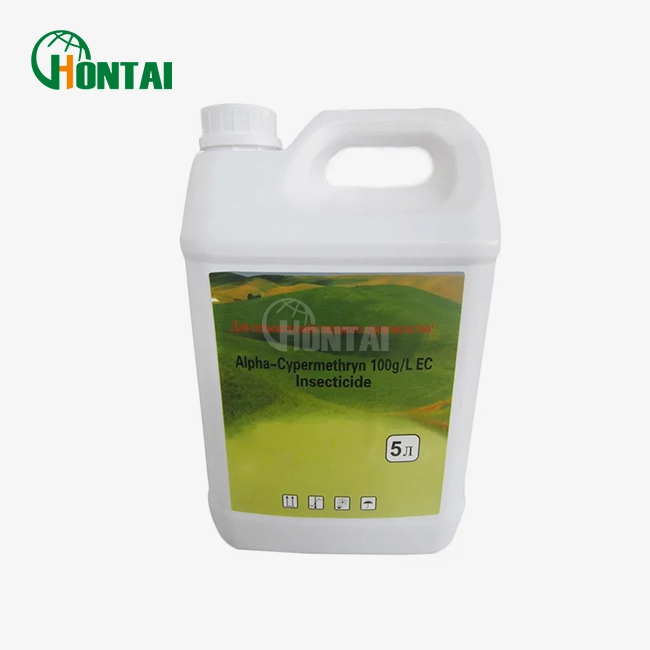
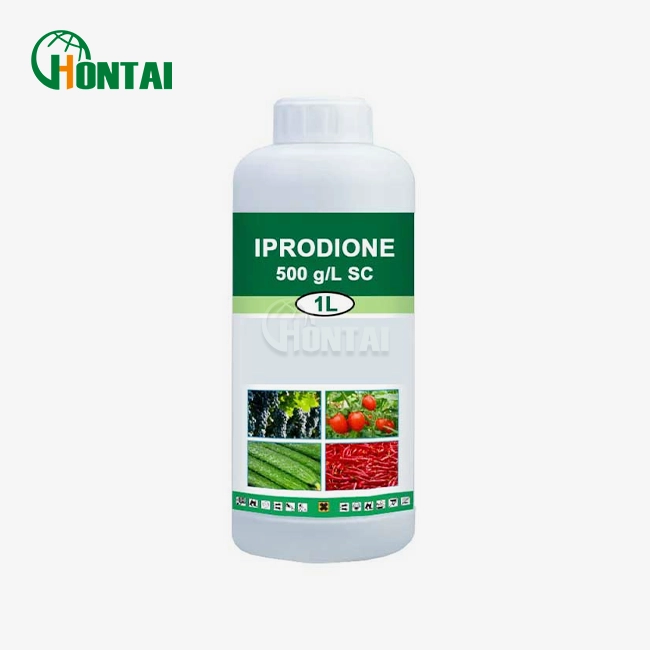
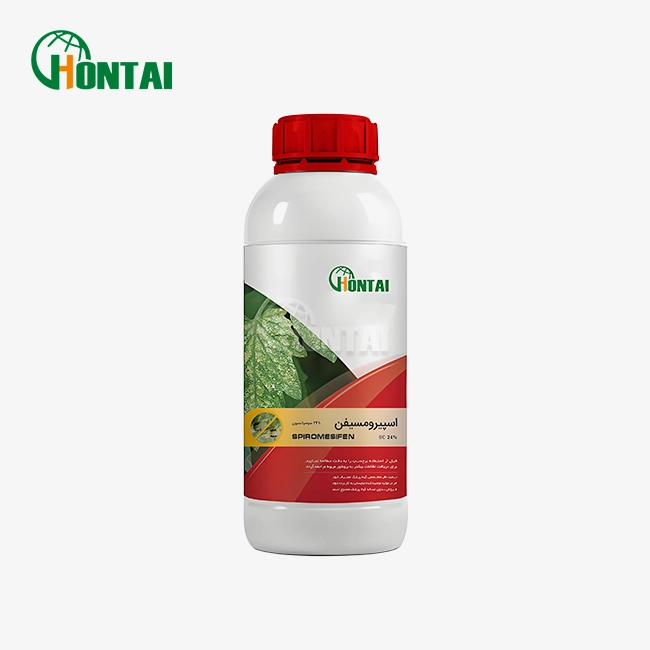
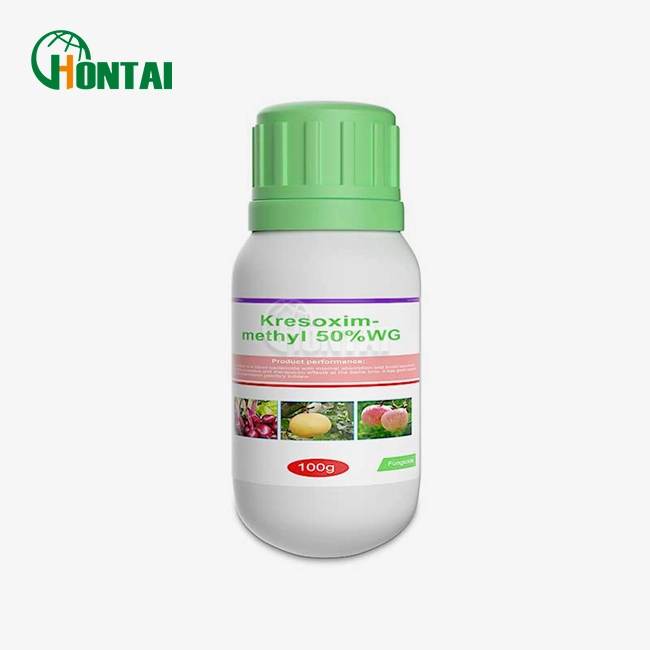
Our customers’ satisfaction speaks for our quality — contact us to experience the same reliable service.