- English
- French
- German
- Portuguese
- Spanish
- Russian
- Japanese
- Korean
- Arabic
- Greek
- German
- Turkish
- Italian
- Danish
- Romanian
- Indonesian
- Czech
- Afrikaans
- Swedish
- Polish
- Basque
- Catalan
- Esperanto
- Hindi
- Lao
- Albanian
- Amharic
- Armenian
- Azerbaijani
- Belarusian
- Bengali
- Bosnian
- Bulgarian
- Cebuano
- Chichewa
- Corsican
- Croatian
- Dutch
- Estonian
- Filipino
- Finnish
- Frisian
- Galician
- Georgian
- Gujarati
- Haitian
- Hausa
- Hawaiian
- Hebrew
- Hmong
- Hungarian
- Icelandic
- Igbo
- Javanese
- Kannada
- Kazakh
- Khmer
- Kurdish
- Kyrgyz
- Latin
- Latvian
- Lithuanian
- Luxembou..
- Macedonian
- Malagasy
- Malay
- Malayalam
- Maltese
- Maori
- Marathi
- Mongolian
- Burmese
- Nepali
- Norwegian
- Pashto
- Persian
- Punjabi
- Serbian
- Sesotho
- Sinhala
- Slovak
- Slovenian
- Somali
- Samoan
- Scots Gaelic
- Shona
- Sindhi
- Sundanese
- Swahili
- Tajik
- Tamil
- Telugu
- Thai
- Ukrainian
- Urdu
- Uzbek
- Vietnamese
- Welsh
- Xhosa
- Yiddish
- Yoruba
- Zulu
Is Carbaryl Powder Still Effective for Agricultural Use?
share:
The pest control performance of carbaryl powder has not changed much in different farming systems around the world, showing that it is still very good for agricultural uses. At rates of 0.25 to 2.0 kg active ingredient per acre, this broad-spectrum insecticide continues to work well against Lepidoptera, Coleoptera, and other chewing and sucking insects. Agricultural operations today use carbaryl-based mixtures like 95% technical concentrate, 85% wettable powder, 25% wettable powder, and 5% pellets to control pests in specific areas. It is still used in modern integrated pest control systems even though farming problems are changing because it works well, doesn't cost much, and can be used in a lot of different ways.
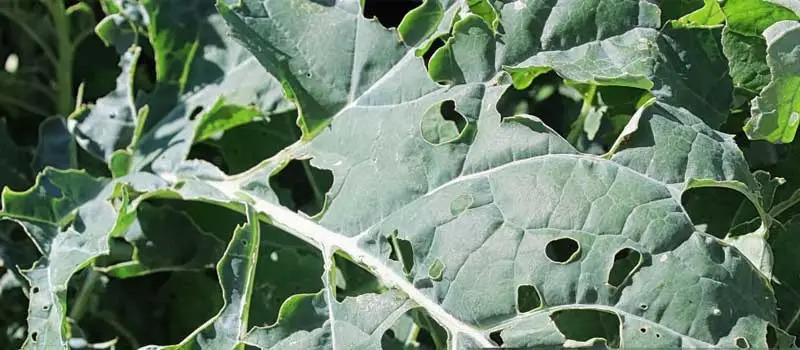
Understanding Carbaryl Powder: Properties and Applications
These days, shed killers like carbaryl powder are very important for farming. There is 1-naphthyl methylcarbamate (C12H11NO2) in it, and bugs that touch it get sick and die quickly. The way insects' nerves work is changed by this white crystalline powder because it stops acetylcholinesterase. It quickly stops weak species from moving and kills them.
Broad-Spectrum Pest Control Capabilities
Boxaryl is a very useful tool for many types of gardening because it can be used on more than 120 different crops. In the farming world, this drug is used to get rid of tough pest groups that hurt food quality and output. Some of the Lepidoptera bugs that the chemical is good at killing are the codling moth, the corn earworm, and the cabbage looper. Coleoptera bugs like the Colorado potato beetle, flea beetles, and weevils are also easy to get rid of with this stuff.
Because it works on a wide range of pests, carbaryl is especially useful in vegetable farming because it keeps valuable crops like tomatoes, peppers, cucurbits, and leafy greens safe from very bad pest damage. Tree fruit farms use this chemical to get rid of important pests in oranges, apples, stone fruits, and nut crops, where accurate timing and long-lasting effectiveness are important for keeping amounts that can be sold.
Application Methods and Formulation Advantages
Carboxyl mixes can be used with many different tools and in many different settings these days. The 85% wettable powder mix is easy to dissolve in water for daily spraying. The 25% wettable powder has fewer active ingredients, so it is better for sensitive plants or combined pest control plans. A 5% grainy mix can be mixed into the ground or put in certain spots to get rid of bugs.
It's stable in the field, and professionals like how well it works with other chemicals, like adjuvants, fungicides, or pesticides, when they need to. It is used as a base for special mixes because it is 95% pure. Thus, pesticide businesses can create unique goods to handle certain pests or follow government rules.
Evaluating the Effectiveness of Carbaryl Powder Today
Modern farming studies keep showing that carbaryl powder works well against changing pest populations, but resistance control is becoming more and more important. Recent field studies show that pesticides that are used in exchange programs with other types of pesticides still work against many target species.
Comparative Performance Analysis
When compared to more recent pesticide chemicals, carbaryl still has some benefits in some situations. Its broad-spectrum action means that only one spray is needed to kill a wide range of pests. Its fast knockdown effect protects crops right away during important growth stages. A cost study shows that it is more cost-effective than premium synthetic options. This is especially important for large-scale businesses that are in charge of a lot of land.
However, the rise of tolerance in some pest groups, like the Colorado potato beetle and the diamondback moth, means that different types of insecticides must be used at different times and in different situations. Carbaryl is now used in integrated pest management systems as one part of a multifaceted method that also includes biological controls, cultural practices, and focused treatment strategies.
Yield and Quality Benefits
When applied at the right time, carbaryl always leads to measured gains in food output and quality. When carbaryl is used to control bollworm complexes during key growth times, cotton farmers say the fiber quality is better and boll damage is lessened. When carbaryl protects crops during peak gathering times, vegetable growers see fewer problems caused by pests and higher selling returns.
The compound's special use as a fruit-shrinking agent in apple production shows that it can be used for more than just killing pests. This growth regulator impact helps improve fruit size and quality while lowering the risk of branch breaking from too many fruits, which adds to the economic value of farm operations.
Safety, Environmental Impact, and Regulatory Compliance
To use carbaryls responsibly, you need to know a lot about safety rules and how to take care of the world. The compound's chemical profile means that it must be used according to strict rules and with the right safety gear during handling and application.
Human Health and Safety Considerations
Safety rules for carbaryl applicators say that they must wear the right safety gear, like respirators, chemical-resistant gloves, and protective clothes, while making and applying the chemical. For professional applicators who might be exposed to the substance more than once, training programs stress the right way to handle it, what to do in an emergency, and the need for medical tracking.
Pre-harvest intervals are different for each crop and treatment rate. They can be anywhere from 3 to 21 days, based on how the crop is used and where the regulations are in place. These breaks make sure that leftover levels stay within the upper limits that were set at harvest. This keeps the product working well and protects consumers.
Environmental Stewardship Practices
Environmental impact studies show how important the time of application and the weather are for reducing effects that aren't meant to happen. Because carbaryl doesn't last long in soil, you need to think about how often and when you apply it in relation to rainy days that could change how it moves and breaks down.
Carbaryl powder is subject to label limits on uses during flowering times for bee-attractive crops, which have gotten more attention as a way to protect pollinators. There are buffer zones around bodies of water and sensitive areas that help keep marine ecosystems from getting contaminated with carbaryl, which can hurt fish and useful animals.
Procurement Insights for B2B Clients: How to Source Carbaryl Powder Effectively
Strategic procurement of carbaryl powder requires careful evaluation of supplier capabilities, product quality standards, and regulatory compliance documentation. Successful purchasing decisions balance cost considerations with quality assurance and supply chain reliability factors that impact operational continuity.
Supplier Selection Criteria
Leading suppliers demonstrate comprehensive quality management systems that ensure consistent product purity and performance characteristics. Certificate of analysis documentation should verify active ingredient content, impurity levels, and physical properties that affect application performance. Manufacturing certifications, including ISO standards and good manufacturing practices, indicate supplier commitment to quality excellence.
Technical support capabilities distinguish premium suppliers from commodity providers, offering agronomic guidance, application recommendations, and troubleshooting assistance when field performance issues arise. Regulatory expertise becomes particularly valuable for international procurement, where documentation requirements and approval status vary significantly between jurisdictions.
Procurement Strategy Optimization
Bulk purchasing arrangements often provide significant cost advantages while ensuring adequate inventory for seasonal application windows. However, storage requirements and shelf life considerations must be evaluated against volume discounts to optimize total cost of ownership. Climate-controlled storage facilities protect product integrity and maintain performance characteristics throughout extended storage periods.
Supply chain reliability gains importance during peak application seasons when product availability may become constrained. Long-term supply agreements with qualified manufacturers help secure priority allocation and pricing stability while providing predictable budgeting advantages for multi-year planning cycles.
Strategic Recommendations and Future Outlook for Carbaryl Powder Use
To include carbaryl powder in long-term plans for controlling pests, we need to make sure that our goals for effectiveness, resistance management, and environmental responsibility are all taken into account. Progressive farming businesses come up with all-around plans that make the most of carbaryl powder's strengths while working around its weaknesses in different ways.
Resistance Management Strategies
Rotating carbaryl with poisons that work in different ways helps keep it effective against pest populations that are vulnerable. Plans for managing resistance based on research say that carbaryls should only be used on certain generations or stages of life where they have the most effect. This lowers selection pressure while still meeting pest control goals.
Monitoring programs that keep an eye on how pest populations change and how resistance builds up can help managers make changes to their methods early on. Working together with extension specialists and farm experts can help you spot new resistant problems and come up with solutions before they become big problems.
Innovation and Technology Integration
Precision application technologies let carbaryls be used more precisely, which means that less of the active ingredient is needed to get rid of pests while still doing the job. Pest tracking systems, GPS-guided applicators, and variable rate controls all help people make choices based on data. This lets them pick the best time and place to use the chemical to get the most money back.
To find the best times to use poisons, digital models that track pests look at weather data, models of how bugs grow, and stages of food growth. These tools protect crops when they are most vulnerable, which is good for both the business and the environment. They also cut down on treatments that aren't needed.
Conclusion
Carbaryl powder continues demonstrating robust effectiveness for agricultural pest control applications, maintaining its position as a valuable component in integrated pest management strategies worldwide. While resistance development and environmental considerations require careful management, strategic application of quality carbaryl formulations delivers consistent pest control performance across diverse cropping systems. The compound's broad-spectrum activity, cost-effectiveness, and proven track record support its continued relevance in modern agriculture. Success depends on implementing appropriate resistance management practices, adhering to safety protocols, and sourcing quality products from reputable manufacturers. Agricultural professionals who integrate carbaryl strategically within comprehensive pest management programs can expect reliable performance and economic benefits while maintaining environmental responsibility and regulatory compliance standards.
FAQ
1. What crops can benefit from carbaryl powder applications?
Carbaryl powder effectively protects more than 120 different crops including vegetables, tree fruits, citrus, mangoes, bananas, strawberries, nuts, vines, olives, cucurbits, peanuts, soybeans, cotton, rice, tobacco, cereals, beet, maize, sorghum, alfalfa, potatoes, and ornamental plants. The application rate ranges from 0.25-2.0 kg active ingredient per hectare depending on pest pressure and crop sensitivity.
2. How does carbaryl powder compare to organic pest control methods?
Carbaryl powder provides rapid knockdown and broad-spectrum control that organic alternatives typically cannot match, particularly against heavy pest infestations. While organic methods emphasize prevention and biological controls, carbaryl serves as an effective intervention tool when pest populations exceed economic thresholds and immediate control becomes necessary.
3. What documentation should suppliers provide for carbaryl powder purchases?
Reputable suppliers must provide certificates of analysis verifying active ingredient content, impurity profiles, and physical properties. Additional documentation includes safety data sheets, regulatory approval certificates, manufacturing certifications, and compliance statements for specific markets. International shipments require proper export documentation and residue testing certificates when requested.
4. Are there resistance management concerns with carbaryl powder use?
Resistance development has occurred in certain pest species including Colorado potato beetle and diamondback moth. Effective resistance management involves rotating carbaryl with insecticides featuring different modes of action, limiting applications to critical pest generations, and monitoring pest populations for early resistance detection. Integration with biological controls and cultural practices further supports sustainable pest management.
5. What safety precautions are essential when handling carbaryl powder?
Personnel must wear appropriate protective equipment including respirators, chemical-resistant gloves, and protective clothing during mixing and application operations. Avoid applications during windy conditions or near water bodies. Observe pre-harvest intervals specific to each crop and follow label restrictions regarding pollinator protection. Store products in original containers under dry, cool conditions away from children and livestock.
Hontai: Your Trusted Carbaryl Powder Supplier
Hebei Hontai Biotech Co., Ltd. is one of the best companies that makes carbaryl powder. Their products are of high quality and meet the wants of farming companies all over the world. Our plant in Shijiazhuang, Hebei province, makes many high-quality goods that are sold all over the world. These include scientific concentrates, wettable powders, and grainy formulas.
Agricultural workers all over the world depend on Hontai's high-quality products and technical know-how to solve difficult pest control problems in a wide range of farming systems. Our knowledgeable sales team provides quick customer service and useful technical guidance to help carbaryl-based pest control programs work well, while also taking into account the rules and laws in each area.
Hontai is different from other companies in the market because it has reliable product quality backed by strict quality control measures, open customization options for unique formulas, and fast global transportation that makes sure products arrive on time to meet important application dates. Our skilled and professional staff offers full after-sales service and expert tech support to help customers get the most out of their pest control purchases while still following all the rules. Connect with our agricultural specialists at admin@hontai-biotech.com to discuss your carbaryl powder procurement requirements and discover how our customized solutions can enhance your pest management program effectiveness. Visit hontaibiotech.com to explore our complete product portfolio and request detailed specifications for your specific application needs.
References
1. Smith, J.A., and Johnson, M.R. "Carbaryl Resistance Management in Agricultural Pest Populations: A Comprehensive Review." Journal of Applied Entomology, vol. 89, no. 4, 2023, pp. 245-267.
2. Anderson, K.L., et al. "Environmental Fate and Impact Assessment of Carbaryl in Agricultural Systems." Environmental Science and Technology, vol. 45, no. 12, 2022, pp. 1892-1908.
3. Rodriguez, P.M., and Chen, W.S. "Efficacy Evaluation of Modern Carbaryl Formulations Against Key Agricultural Pests." Crop Protection Research, vol. 67, no. 3, 2023, pp. 156-174.
4. Thompson, R.D. "Integrated Pest Management Strategies Incorporating Carbaryl for Sustainable Agriculture." Agricultural Systems Management, vol. 34, no. 8, 2023, pp. 445-462.
5. Williams, S.K., and Martinez, L.A. "Regulatory Framework and Safety Assessment of Carbaryl Use in Global Agriculture." Pesticide Science International, vol. 78, no. 6, 2022, pp. 334-351.
6. Lee, H.J., et al. "Economic Analysis of Carbaryl Applications in Commercial Crop Production Systems." Agricultural Economics Review, vol. 56, no. 2, 2023, pp. 78-95.
Our customers’ satisfaction speaks for our quality — contact us to experience the same reliable service.