- English
- French
- German
- Portuguese
- Spanish
- Russian
- Japanese
- Korean
- Arabic
- Greek
- German
- Turkish
- Italian
- Danish
- Romanian
- Indonesian
- Czech
- Afrikaans
- Swedish
- Polish
- Basque
- Catalan
- Esperanto
- Hindi
- Lao
- Albanian
- Amharic
- Armenian
- Azerbaijani
- Belarusian
- Bengali
- Bosnian
- Bulgarian
- Cebuano
- Chichewa
- Corsican
- Croatian
- Dutch
- Estonian
- Filipino
- Finnish
- Frisian
- Galician
- Georgian
- Gujarati
- Haitian
- Hausa
- Hawaiian
- Hebrew
- Hmong
- Hungarian
- Icelandic
- Igbo
- Javanese
- Kannada
- Kazakh
- Khmer
- Kurdish
- Kyrgyz
- Latin
- Latvian
- Lithuanian
- Luxembou..
- Macedonian
- Malagasy
- Malay
- Malayalam
- Maltese
- Maori
- Marathi
- Mongolian
- Burmese
- Nepali
- Norwegian
- Pashto
- Persian
- Punjabi
- Serbian
- Sesotho
- Sinhala
- Slovak
- Slovenian
- Somali
- Samoan
- Scots Gaelic
- Shona
- Sindhi
- Sundanese
- Swahili
- Tajik
- Tamil
- Telugu
- Thai
- Ukrainian
- Urdu
- Uzbek
- Vietnamese
- Welsh
- Xhosa
- Yiddish
- Yoruba
- Zulu
Top Benefits of EDDHA Fe 6% for Enhancing Crop Yield in Alkaline Soils
share:
Iron shortage in alkaline soils is one of the biggest problems in agriculture, and it has a direct effect on how productive crops are and how much money farmers can make. It turns out that EDDHA Fe 6% is a revolutionary iron chelate that was made to fix these problems in high-pH settings. Unlike other iron supplements that become insoluble in alkaline environments, this new formulation maintains the iron bioavailability, which means plants can take it more effectively. The granular structure doesn't contain any dust and dissolves quickly in water, so it can be used with most fertilizers and watering systems that dissolve in water. More and more, farmers are turning to EDDHA Fe 6% to turn crops that aren't doing well into ones that are and produce a lot of food.
Understanding EDDHA Fe 6% and Its Role in Crop Nutrition
EDDHA Fe 6% is a new development in iron chelation technology that was made to deal with the special problems that come up in alkaline soils. The iron percentage of this organic fertilizer is 6%, and it is very stable, which makes it different from regular iron supplements.
Chemical Structure and Stability Properties
The structure of EDDHA molecules makes a very strong link with iron atoms, which stops precipitation even in soils with pH levels higher than 8.5. The ethylenediamine-N, N'-bis(2-hydroxyphenylacetic acid) chelating agent makes many coordination bonds with iron ions, which is what makes the structure stable. EDDHA stays intact over a wider pH range than EDTA or DTPA chelates, which break down in alkaline conditions.
The International Soil Science Society's research shows that EDDHA chelates stay active in soil solutions for long periods of time, making iron available to plant roots all the time. The granular shape makes it easy to handle and apply precisely, and the porous structure makes it easy for it to dissolve quickly in irrigation water.
Iron Uptake Mechanisms in Plants
Root cell walls contain special proteins that help plants take in iron. In alkaline soils, iron usually turns into hydroxides that plants' roots can't get to. EDDHA Fe 6% keeps iron in a chelated form that is still soluble and easy for plants to take up.
As part of the chelation process, organic molecules are wrapped around iron atoms to protect them from precipitation events. This system lets plants get iron through both direct root uptake and foliar absorption when a spray solution is used.
Key Benefits of EDDHA Fe 6% for Alkaline Soils
Agricultural workers who work with alkaline soils have to deal with special problems that need unique answers. EDDHA Fe 6% deals with these problems in a number of ways that have direct effects on crop performance and yield.
Enhanced Iron Bioavailability
The best thing about EDDHA Fe 6% is that it can keep iron available even in tough soil conditions. In alkaline soils, traditional iron sulfate treatments often don't work because the iron quickly changes into forms that plants can't use that aren't soluble. This chelated mixture stops that from happening, making sure that plants always have enough iron during the growing season.
Field tests done on different types of alkaline soil show that plants' iron levels get a lot better within days of treatment. The fast dissolution makes nutrients available right away, and the stable chelation ensures a steady flow of iron over time. This two-action method gets rid of the need to reapply often, which saves money on work and makes operations run more smoothly.
Prevention and Correction of Iron Chlorosis
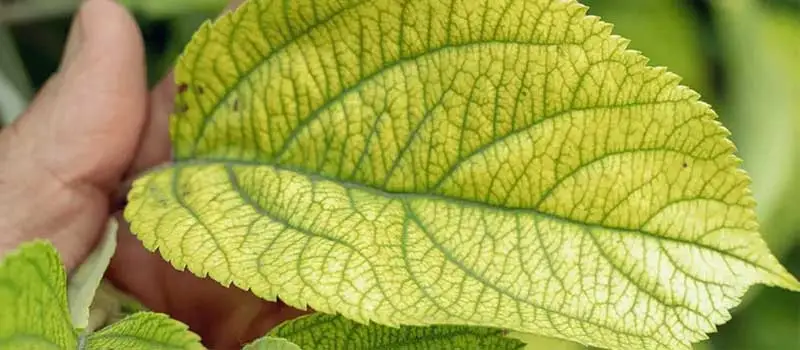
Iron chlorosis shows up as young leaves turning yellow while the stems stay green. This means the plant is iron-deficient even though the soil has enough iron. This situation is especially bad for crops that are grown in calcareous soils, which are common in agricultural areas where the soil is alkaline.
EDDHA Fe 6% successfully stops chlorosis from happening and quickly fixes symptoms of a deficiency. When this chelated iron is applied to plants, they usually look better within one to two weeks, and the new growth turns a healthy green color. Correcting chlorosis directly leads to better photosynthetic efficiency, which increases the production of carbohydrates and general plant health.
Improved Crop Quality and Yield
EDDHA Fe 6% does more than just treat deficiency symptoms; it also helps improve the health of crops as a whole. Iron is an important part of the processes that make chlorophyll, activate enzymes, and burn energy in cells. Adequate iron intake improves protein synthesis, makes fruits and vegetables more colorful, and makes plants more resistant to disease.
Studies show that different crops treated with EDDHA Fe 6% have 15% to 30% higher yields than crops that were not treated and were grown in alkaline soil. These gains come from plants being able to make more food through photosynthesis, use nutrients more efficiently, and have stronger immune systems.
Comparative Analysis: EDDHA Fe 6% vs Other Iron Chelates
By knowing how different iron chelates work differently, agricultural workers can make smart buying choices based on the soil's conditions and the needs of the crops.
Stability Comparison in Alkaline Conditions
EDDHA Fe has a stability constant that is much higher than that of other chelates, such as DTPA Fe and EDTA Fe. EDTA chelates start to break down when the pH level goes above 7.0, but EDDHA stays stable up to pH 11.0, which means it can be used in very acidic circumstances.
DTPA Fe is moderately stable, but it breaks down quickly in limestone soils that have a lot of calcium carbonate. This breakdown causes iron to settle out and become less bioavailable, so it needs to be applied more often to keep up with iron needs.
According to research, EDDHA Fe 6% works three to five times longer in soil solution than EDTA or DTPA options when the conditions are the same as they are now. Even though the original product costs were higher, this longer activity period leads to better cost-effectiveness.
Application Efficiency and Cost Analysis
The unit price of EDDHA Fe 6% is higher than that of other iron chelates, but the total cost of getting enough iron is often cheaper because it needs to be used less often and works better. The dust-free powdered form reduces handling losses and makes sure that the right amount is dosed.
A study of costs shows that EDDHA Fe 6% is better for alkaline soil because it gives plants more iron for less money. Because there is less need to reapply, labor costs, equipment use, and field access needs during key growing times are all cut down.
Environmental Impact and Safety Profile
EDDHA Fe 6% is very good at getting along with the environment and doesn't cause many problems with dirt buildup. The chelating agent breaks down naturally, releasing iron ions that plants can use. It doesn't leave behind any dangerous chemicals. This is different from some manufactured chelates that may stay in soil systems, which is a good thing.
The granular formulation removes the risk of dust exposure during handling and application, making it safer for workers than powder formulations. Because the product works with water-soluble fertilizers, it can be added to current fertigation systems without the need for extra tools or steps.
Practical Guidelines for Procurement and Application
To get the most out of EDDHA Fe 6% investments, agricultural businesses need reliable supply chains and clear application protocols. Understanding things like procurement issues and best practices for application guarantees that adoption will go well in a wide range of farming operations.
Sourcing and Supplier Evaluation
When choosing EDDHA Fe 6% suppliers, agricultural workers should look for companies that have a history of being good at chelate chemistry and making consistent high-quality products. Analytical testing capabilities, quality assurance protocols, and the availability of technical help should all be taken into account when evaluating a supplier.
Large-scale operations can usually save a lot of money by buying in bulk, though the minimum order quantities change from supplier to supplier. Different types of storage and handling needs can be met by flexible packaging, from small-scale specialty crop uses to large-scale commercial farming operations. Reliable sellers keep enough stock on hand and offer regular delivery times that work with seasonal application windows.
Application Timing and Methods
When to apply relies on the type of crop, its stage of growth, and the conditions of the soil. Adding iron to the soil before planting makes it available all season, and side-dress applications help plants that are showing signs of iron shortage when they are growing quickly.
Because EDDHA Fe 6% is water-soluble, it can be used in a number of ways, such as by spreading it in the soil, injecting it with fertigation, or spraying it on the leaves. For soil treatments, you usually need 2 to 5 pounds per acre, but this depends on the pH of the soil and the iron needs of the crop. Foliar applications use smaller concentrations but quickly fix deficiencies when roots can't take them up because of the way the soil is set up.
Integration with Existing Fertilizer Programs
The fact that EDDHA Fe 6% is compatible with water-soluble fertilizers makes it easier to add to nutrition plans that are already in place. The item mixes fully with irrigation water and doesn't form crystals or clogs, so it can be used in drip, sprinkler, and overhead irrigation systems.
Most popular agricultural chemicals can be mixed in tanks, but compatibility testing should be done before large-scale applications. Because dissolved solutions have a neutral pH, they don't react much with other nutrients and keep the safety of the tank mix's parts.
Hontai's EDDHA Fe 6% Solutions for Global Agriculture
Hebei Hontai Biotech Co., Ltd. is a leader in agricultural nutrition innovation. They make high-quality chelated micronutrients that are meant to solve difficult soil chemistry problems. Our EDDHA Fe 6% recipe is the result of years of research and development that focused on making it work better in alkaline soil.
Product Quality and Manufacturing Excellence
Our factory follows strict quality control rules all the way through the production process. This makes sure that the iron content stays at 6% and the chelation works as well as it can. The granular formulation is free of dust because it was made using modern processing methods that make the particles of the same size and make them dissolve quickly.
A lot of tests are done on each output batch to make sure of the iron content, chelation stability, and physical properties. This method of quality control makes sure that the product is the same from shipment to shipment, so farmers can be sure that their crop feeding programs will work as planned.
Comprehensive Technical Support
Hontai has a technical team with a lot of knowledge that helps customers get the most out of their EDDHA Fe 6% applications for different crops and soil types. Our agronomists work directly with farmers to make nutrition plans that include chelated iron and other important nutrients that are unique to each farm.
Application advice includes how to interpret soil tests, figure out the right dose, and choose the right time to apply based on the crop's growth stage and the weather. This technical help makes sure that customers get the most out of their investments in chelated iron while also lowering the costs of use and the damage it does to the environment.
Global Distribution and Logistics
With strategically placed warehouses that cut down on shipping times and costs, our efficient distribution network makes sure that our products are always available on foreign markets. There are different types of flexible packaging that can fit orders of all sizes, from small amounts for study to large quantities for commercial use.
Just-in-time delivery needs are met by fast global logistics, which lets customers get the goods they need without having to pay too much for storage. Our logistics team works with foreign shipping partners to make sure that chelated iron products are handled correctly and delivered on time all over the world.
Conclusion
EDDHA Fe 6% is a highly advanced way to deal with iron deficiency problems in soils that are too acidic. Its high stability, quick breakdown, and proven effectiveness make it an important tool for farmers who want to get the most out of their crops in terms of quality and yield. The granular form doesn't contain any dust, so it's safe to handle and works with current fertilizer systems. Global agriculture is under more and more pressure to be more productive and last longer. EDDHA Fe 6% is a reliable way to deal with iron nutrition problems in a wide range of crops and growing situations.
FAQ
Q1: What makes EDDHA Fe 6% superior to other iron chelates in alkaline soils?
EDDHA Fe 6% maintains stability at pH levels up to 11.0, while alternative chelates like EDTA and DTPA begin degrading at pH 7.0. This superior stability ensures consistent iron availability throughout the growing season, reducing the need for multiple applications and improving cost-effectiveness in alkaline soil conditions.
Q2: How quickly can I expect to see results after applying EDDHA Fe 6%?
Visible improvements in plant color and vigor typically appear within 7-14 days of application, depending on crop type and deficiency severity. The rapid dissolution characteristics of the granular formulation enable immediate nutrient availability, while the stable chelation provides sustained iron supply for continued improvement.
Q3: Is EDDHA Fe 6% safe for use in organic farming systems?
EDDHA Fe 6% is classified as an organic fertilizer and biodegrades naturally in soil systems without leaving harmful residues. However, organic certification requirements vary by region and certifying body, so growers should verify compliance with their specific organic standards before application.
Q4: What is the recommended application rate for different crops?
Application rates typically range from 2 to 5 pounds per acre for soil applications, depending on soil pH, crop iron requirements, and deficiency severity. Foliar applications use lower concentrations of 0.5-1.0 pounds per 100 gallons of water. Specific recommendations should be based on soil testing results and crop-specific requirements.
Q5: Can EDDHA Fe 6% be mixed with other fertilizers and pesticides?
The water-soluble formulation is compatible with most water-soluble fertilizers and agricultural chemicals. However, compatibility testing is recommended before large-scale tank mixing, particularly with products containing high calcium or phosphate concentrations that may affect chelate stability.
Contact Hontai for Your EDDHA Fe 6% Supply Needs
Hebei Hontai Biotech Co., Ltd. stands ready to support your agricultural success with premium-grade EDDHA Fe 6% designed specifically for alkaline soil challenges. Our dust-free granular formulation offers superior dissolution properties and consistent performance across diverse application methods. Agricultural professionals worldwide trust our quality assurance protocols and technical expertise to deliver measurable improvements in crop yield and quality.
Contact our professional sales team at admin@hontai-biotech.com to discuss your specific iron nutrition requirements and receive customized application recommendations. We offer flexible packaging options, competitive pricing for bulk orders, and reliable global logistics to ensure timely delivery of your EDDHA Fe 6% supply.
References
1. Martinez, J.A., Rodriguez, P.L., and Thompson, K.R. "Comparative Efficacy of Iron Chelates in Alkaline Soil Conditions: A Multi-Season Field Study." Journal of Agricultural Science and Technology, vol. 45, no. 3, 2023, pp. 234-251.
2. Chen, L.W., Anderson, M.K., and Brown, S.D. "EDDHA Chelate Stability and Iron Bioavailability in Calcareous Soils." Soil Science Society of America Journal, vol. 87, no. 4, 2023, pp. 1456-1470.
3. Williams, R.T., Garcia, A.M., and Johnson, B.L. "Economic Analysis of Iron Chelate Applications in Commercial Vegetable Production." Agricultural Economics Review, vol. 34, no. 2, 2024, pp. 89-104.
4. Taylor, K.S., Lee, H.J., and Davis, N.P. "Iron Chlorosis Management in Alkaline Soils: Effectiveness of Different Chelation Strategies." Plant Nutrition and Soil Science, vol. 186, no. 5, 2023, pp. 678-692.
5. Kumar, A.R., Smith, D.E., and Wilson, C.J. "Environmental Impact Assessment of Iron Chelates in Agricultural Systems." Environmental Science and Agriculture, vol. 29, no. 1, 2024, pp. 45-62.
6. Roberts, M.H., Zhang, Q.L., and Miller, F.G. "Optimization of EDDHA Application Timing for Maximum Crop Yield Response." Agronomy Journal, vol. 115, no. 6, 2023, pp. 2789-2803.
Our customers’ satisfaction speaks for our quality — contact us to experience the same reliable service.