- English
- French
- German
- Portuguese
- Spanish
- Russian
- Japanese
- Korean
- Arabic
- Greek
- German
- Turkish
- Italian
- Danish
- Romanian
- Indonesian
- Czech
- Afrikaans
- Swedish
- Polish
- Basque
- Catalan
- Esperanto
- Hindi
- Lao
- Albanian
- Amharic
- Armenian
- Azerbaijani
- Belarusian
- Bengali
- Bosnian
- Bulgarian
- Cebuano
- Chichewa
- Corsican
- Croatian
- Dutch
- Estonian
- Filipino
- Finnish
- Frisian
- Galician
- Georgian
- Gujarati
- Haitian
- Hausa
- Hawaiian
- Hebrew
- Hmong
- Hungarian
- Icelandic
- Igbo
- Javanese
- Kannada
- Kazakh
- Khmer
- Kurdish
- Kyrgyz
- Latin
- Latvian
- Lithuanian
- Luxembou..
- Macedonian
- Malagasy
- Malay
- Malayalam
- Maltese
- Maori
- Marathi
- Mongolian
- Burmese
- Nepali
- Norwegian
- Pashto
- Persian
- Punjabi
- Serbian
- Sesotho
- Sinhala
- Slovak
- Slovenian
- Somali
- Samoan
- Scots Gaelic
- Shona
- Sindhi
- Sundanese
- Swahili
- Tajik
- Tamil
- Telugu
- Thai
- Ukrainian
- Urdu
- Uzbek
- Vietnamese
- Welsh
- Xhosa
- Yiddish
- Yoruba
- Zulu
DTPA Chelated Iron Uses for Correcting Iron Deficiency
share:
One of the hardest micronutrient disorders in agriculture is iron deficiency, which can hurt crop quality and output in a wide range of growing conditions. DTPA Chelated Iron stands out as a smart answer to this important problem because it is more bioavailable and stable. This metal chelate that dissolves in water works better than most iron sources at avoiding and fixing iron deficiencies, especially in alkaline soils where other iron sources don't work as well. Agricultural experts all over the world know that DTPA chelated iron formulations are important parts of complete nutrient management programs because they work consistently on a wide range of crops, such as grains, vegetables, and specialty crops.
Understanding DTPA Chelated Iron: Definition, Mechanism, and Benefits
Chemical Structure and Chelation Process
The chelated iron in DTPA (Diethylenetriamine Pentaacetic Acid) is a complex metal mixture with the formula C14H19FeN3NaO10. Chelation is the process by which this organic compound makes stable bonds with iron ions. The DTPA molecule coordinately bonds with the iron atom in several ways. The chelation process stops iron from precipitating and keeps nutrients available, even when the soil isn't working well.
DTPA's molecular structure has five coordination sites that successfully enclose the iron ion. This makes a barrier that protects plants from soil interactions that normally make iron unavailable to plants. Because it is stable, it delivers nutrients consistently throughout the growing season, making it a great choice for industrial farms that need reliable micronutrient supplementation.
Enhanced Bioavailability Mechanisms
Through a number of different pathways, DTPA chelated iron exhibits excellent bioavailability and improves plant absorption. The chelated structure makes iron more soluble across a wider pH range than other iron sources. This means that iron is still available even in soils that are too acidic for iron to dissolve normally. Plants can take in the whole chelate complex through their roots, where special enzymes make the iron available for use in their metabolism.
This better uptake process works especially well in hydroponic systems and foliar applications, where fast nutrient absorption is important for keeping plants healthy. The stable chelate structure doesn't break down easily when exposed to environmental factors, so iron is always available during the application time.
Agricultural Benefits and Performance Advantages
The use of DTPA chelated iron in farming systems has quantifiable advantages that lead to better crop success and higher economic returns. The most obvious benefit is that it keeps chlorosis from happening because good iron intake keeps leaves healthy and photosynthesis at its best. Crops that get the right amount of iron through DTPA chelation are better able to handle stress, their roots grow faster, and they can produce more.
Comparing DTPA chelated iron applications to other types of iron sources, research shows that these can increase the amount of iron in plant cells by up to 40%. This better nutrition leads to higher market value, better food quality, and better storage properties. Commercial growers say that DTPA-based iron nutrition programs consistently improve crop consistency and lower the signs of nutrient deficiency.
Practical Uses of DTPA Chelated Iron in Crop Management
Foliar Application Strategies
Application of DTP after the fact. Chelated iron quickly fixes the signs of iron deficiency by sending nutrients straight to plant tissues, where they can be used right away. This way of applying works especially well during important growth stages, when nutrients applied through the dirt might not work quickly enough. For commercial use, concentrations usually range from 0.1% to 0.5%, based on how sensitive the crop is and how bad the deficiency is.
When applied to the leaves has a big effect on how well it works. The best times are early in the morning or late in the afternoon for absorption. DTPA chelated iron is a useful part of integrated crop management programs because it can be mixed with other nutrients and crop protection products in a tank. Agricultural service providers say that multiple light treatments are better than a single heavy application because it increases uptake and reduce the risk of phytotoxicity.
Soil Amendment and Root Zone Applications
Soil application of DTPA chelated iron gives long-term iron nutrition that helps crops grow steadily all season long. DTPA chelation keeps iron soluble and available to plants for longer amounts of time, unlike other iron sources that quickly become unavailable in alkaline soils. Application rates are usually between 2 and 10 kg per hectare, but they depend on the crop, the soil, and how bad the shortage is.
Drip irrigation systems give nutrients precisely to the root zone, which increases efficiency while reducing damage to the environment. This targeted method cuts down on nutrient loss and makes sure plants absorb nutrients properly. This makes it especially useful for high-value crops where precise nutrition management can bring in a lot of money. With DTPA chelated iron, irrigation systems don't have to deal with the problems of precipitation and clogging that come with other iron sources.
Hydroponic and Controlled Environment Applications
For hydroponic and controlled environment farming, DTPA chelated iron is the best iron source because it is very stable and mixes well with nutrient solutions. The chelated structure stops precipitation reactions with other nutrients, which keeps the solution clear and keeps the system from getting clogged. DTPA-chelated sources are usually used by hydroponic growers to keep iron levels between 1 and 3 parts per million.
Because DTPA chelated iron doesn't change with pH, it works great in automated systems that give nutrients, where other iron sources might not work if pH changes. This dependability is very important in business greenhouse operations where the availability of nutrients directly affects the quality of crops and production schedules.
Comparative Analysis: DTPA Chelated Iron Vs. Other Iron Sources
Stability and pH Performance Comparison
Other iron sources, like EDTA, iron sulfate, and EDDHA chelates, are not as stable across a wider pH range as DTPA chelated iron. EDTA-chelated iron is less stable above pH 7.0, but DTPA stays useful up to pH 8.5, which makes it good for areas with alkaline soil that are often used for farming. Even though iron sulfate is cheap, it quickly oxidizes and isn't usable in alkaline settings. This makes it less useful in tough soil situations.
DTPA chelated iron remains available at 85% at pH 8.0, while EDTA chelated iron drops to about 60% availability under the same conditions, according to the stability analysis. When crops grow in alkaline soil, this increased stability means more consistent results and a better return on investment for owners of farming land.
Economic Considerations and Cost Analysis
DTPA chelated iron usually costs more than other iron sources, but because it works better and doesn't need to be applied as often, it often leads to lower total nutrient costs per unit of crop production. A study of the costs of large-scale operations shows that easier access to iron cuts the total amount needed by 20 to 30 percent compared to traditional sources.
Because DTPA chelated iron has longer-lasting effects, it does not need to be applied as often, which saves money on labor and tools. Commercial farmers say that better crop uniformity cuts down on the costs of sorting and handling, and better crop quality gets higher prices on the market, which makes up for the higher costs of nutrients at the start.
Application Flexibility and Compatibility
It is very easy to use DTPA chelated iron with a wide range of application methods and tank mixing situations. This gives farmers the most operational freedom. Some chelated iron sources don't work well with certain nutrients or poisons, but DTPA formulations stay stable when mixed with a wide range of substances in a tank.
This compatibility benefit is especially useful for businesses that want to simplify the application process and cut down on the number of times equipment has to go through fields. It is possible to lower operational costs while keeping the best timing for maximum efficiency by combining iron nutrition with crop protection applications or other nutrient inputs.
Procurement Insights: How to Source and Purchase DTPA Chelated Iron
Supplier Evaluation and Quality Assurance
Choosing DTP companies you can trust. To make a chelated iron, you need to carefully look at your manufacturing skills, quality control methods, and ability to follow the rules. Manufacturers with a good reputation give out thorough certificates of analysis that check the levels of purity, the stability of the chelate, and the lack of contaminants. For high-end DTPA chelated iron products, the 99% purity level is the norm.
As part of quality assurance processes, manufacturing standards, storage conditions, and the integrity of the packaging should all be checked. Suppliers with ISO certifications and well-established quality control systems give you even more peace of mind about the consistency and dependability of their products. To make sure the integrity of the product throughout the supply chain, agricultural distributors should ask for proof of the manufacturing methods and quality control procedures.
Logistics and Supply Chain Considerations
To effectively buy DTPA chelated iron, you need to pay close attention to logistics issues that affect the product's supply and cost structure. There are usually big savings on costs when you buy in bulk, and you can be sure that you have enough inventory for special needs. When shipping, it's important to use the right packaging to keep things from getting wet or contaminated during travel.
When you buy things from other countries, you have to pay attention to customs paperwork, import rules, and shipping times that work with when crops are planted. Reliable suppliers offer full logistics support, which includes the right paperwork, shipping coordination, and delivery tracking to make sure that goods arrive on time when they're needed.
Market Dynamics and Pricing Strategies
The price of DTPA chelated iron depends on the cost of the raw materials, how hard it is to make, and how the market's demand changes with the seasons. By understanding these market dynamics, procurement experts can find the best time to buy things and negotiate good prices. Prices tend to be higher during times when a lot of people are applying for them.
Long-term supply deals often keep prices stable and make sure that goods are available during times of high demand. Agricultural distributors can make sure they always have a supply while keeping their price options open by working with more than one provider.
Conclusion
DTPA chelated iron is a better way to deal with iron deficiency problems in current farming systems. It is an important part of complete nutrient management programs because it is more stable, bioavailable, and can be used in a lot of different ways. Commercial farmers who use premium chelated iron nutrition see regular crop response, better quality, and economic benefits that make the investment worth it. Because soil conditions are getting harder and farming systems are getting more complicated, DTPA chelated iron gives modern farming the dependability and success it needs.
FAQ
Q1: What symptoms indicate iron deficiency that DTPA chelated iron can correct?
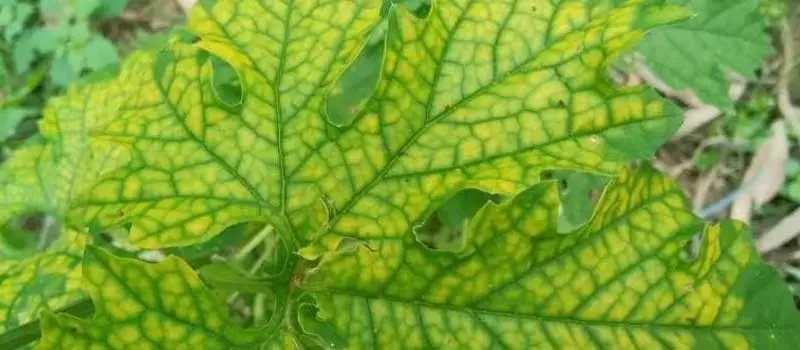
Iron deficiency typically manifests as interveinal chlorosis, where leaf veins remain green while tissue between veins turns yellow or white. Young leaves show symptoms initially, as iron has limited mobility within plants. Severe deficiency leads to stunted growth, reduced yield, and poor crop quality. DTPA chelated iron effectively corrects these symptoms by providing readily available iron that plants can absorb and utilize immediately.
Q2: How does soil pH affect DTPA chelated iron performance?
DTPA chelated iron maintains stability and plant availability across pH ranges from 4.0 to 8.5, significantly outperforming conventional iron sources in alkaline conditions. While iron sulfate becomes largely unavailable above pH 7.0, DTPA chelation keeps iron soluble and accessible to plant roots even in challenging alkaline soils common in many agricultural regions.
Q3: Can DTPA chelated iron be used in hydroponic systems safely?
DTPA chelated iron serves as the preferred iron source for hydroponic applications due to its exceptional stability in nutrient solutions. The chelated structure prevents precipitation reactions with other nutrients, maintaining solution clarity and preventing system blockages. Typical hydroponic concentrations range from 1-3 ppm iron using DTPA chelated sources.
Partner with Hontai for Superior DTPA Chelated Iron Solutions
Hontai Biotech delivers premium DTPA chelated iron formulations that ensure reliable iron nutrition for your agricultural operations. Our 99% purity products, manufactured under strict quality standards, provide consistent performance across diverse growing conditions. As a trusted DTPA Chelated Iron supplier, we offer comprehensive technical support, flexible packaging options, and efficient global logistics to meet your specific requirements. Contact our professional team at admin@hontai-biotech.com to discuss customized solutions, request product samples, or obtain detailed quotations for your iron nutrition programs.
References
1. Lucena, J.J. "Iron Chelates for Agricultural Uses: The DTPA, EDDHA, and Related Structures." Journal of Plant Nutrition, vol. 26, no. 9, 2003, pp. 1969-1984.
2. Mortvedt, J.J. "Needs for Controlled-Availability Micronutrient Fertilizers." Fertilizer Research, vol. 38, no. 2, 1994, pp. 175-180.
3. Chen, Y. and Barak, P. "Iron Nutrition of Plants in Calcareous Soils." Advances in Agronomy, vol. 35, 1982, pp. 217-240.
4. Römheld, V. and Marschner, H. "Evidence for a Specific Uptake System for Iron Phytosiderophores in Roots of Grasses." Plant Physiology, vol. 80, no. 1, 1986, pp. 175-180.
5. Álvarez-Fernández, A. "Effectiveness of Synthetic Iron Chelates for Correcting Iron Chlorosis in Peach Trees." Journal of Plant Nutrition, vol. 25, no. 3, 2002, pp. 613-628.
6. García-Marco, S. "Effectiveness of Iron Chelates for the Prevention and Correction of Iron Deficiency in Fruit Trees and Horticultural Crops." Spanish Journal of Agricultural Research, vol. 11, no. 3, 2013, pp. 659-675.
Our customers’ satisfaction speaks for our quality — contact us to experience the same reliable service.