- English
- French
- German
- Portuguese
- Spanish
- Russian
- Japanese
- Korean
- Arabic
- Greek
- German
- Turkish
- Italian
- Danish
- Romanian
- Indonesian
- Czech
- Afrikaans
- Swedish
- Polish
- Basque
- Catalan
- Esperanto
- Hindi
- Lao
- Albanian
- Amharic
- Armenian
- Azerbaijani
- Belarusian
- Bengali
- Bosnian
- Bulgarian
- Cebuano
- Chichewa
- Corsican
- Croatian
- Dutch
- Estonian
- Filipino
- Finnish
- Frisian
- Galician
- Georgian
- Gujarati
- Haitian
- Hausa
- Hawaiian
- Hebrew
- Hmong
- Hungarian
- Icelandic
- Igbo
- Javanese
- Kannada
- Kazakh
- Khmer
- Kurdish
- Kyrgyz
- Latin
- Latvian
- Lithuanian
- Luxembou..
- Macedonian
- Malagasy
- Malay
- Malayalam
- Maltese
- Maori
- Marathi
- Mongolian
- Burmese
- Nepali
- Norwegian
- Pashto
- Persian
- Punjabi
- Serbian
- Sesotho
- Sinhala
- Slovak
- Slovenian
- Somali
- Samoan
- Scots Gaelic
- Shona
- Sindhi
- Sundanese
- Swahili
- Tajik
- Tamil
- Telugu
- Thai
- Ukrainian
- Urdu
- Uzbek
- Vietnamese
- Welsh
- Xhosa
- Yiddish
- Yoruba
- Zulu
What is imazethapyr used for?
share:
Imazethapyr is an important selective pesticide that is widely used in modern farming to get rid of weeds in a variety of crop systems. Commercial farmers, agrochemical wholesalers, and crop protection service providers can't do without this imidazolinone-class substance because resistant weed populations are getting worse. Procurement managers, wholesalers, and OEM clients who work in global B2B agricultural markets can make smart buying choices when they know about its uses, chemical properties, and safety standards. The world of agrochemicals needs solid solutions that strike a balance between effectiveness, environmental responsibility, and following the rules. This detailed guide lays the groundwork for making smart choices about procurement and encourages professionals to work with reliable suppliers who can provide regular quality and technical support all along the supply chain.
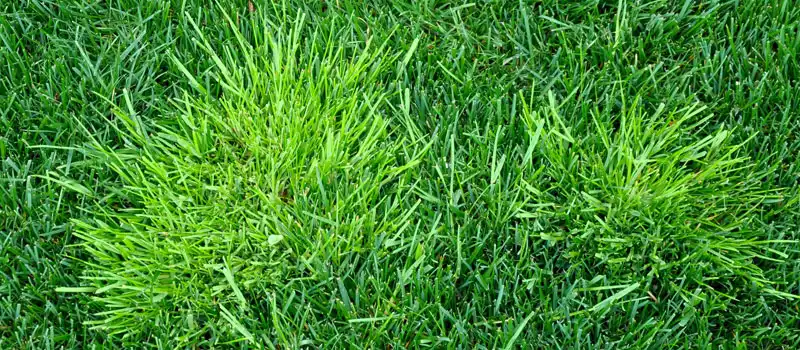
Understanding Imazethapyr and Its Agricultural Applications
What Is Imazethapyr Used For?
Imazethapyr (C15H19N3O3) is mostly used to get rid of broad-leaved weeds and many types of annual and perennial grasses in most major crops. This systemic herbicide can be used at rates of 2 to 4 ounces per acre and can be mixed into the plants before they sprout, before they appear, or after they emerge, based on the type of weeds and crop stage. The active ingredient goes after weeds like velvetleaf, cocklebur, nightshades, foxtail, and many more that hurt the economy and lower the growth potential of crops like soybeans, peanuts, dry beans, alfalfa, and legumes. Its two-in-one feature lets it work on both the leaves and the soil, protecting against secondary weed flushes that bother long-duration crops all season long.
Biochemical Mode of Action and Crop Selectivity
According to the Herbicide Resistance Action Committee, this herbicide is a Group 2 herbicide that works as an acetolactate synthase (ALS) inhibitor. It stops plants from growing by stopping the production of important branched-chain amino acids like valine, leucine, and isoleucine. This stops cells from dividing, which eventually leads to death. It works especially well in systems that grow legumes because it kills active weeds without hurting the nitrogen-fixing patches that are important for crop health. Soybeans, peas, lupins, and peanuts are very tolerant because they can quickly break down the substance into molecules that are not harmful to plants.
Application, when used, has a big effect on how well it works. Pre-emergence treatments provide long-lasting control by creating a barrier in the soil that stops weed seeds from sprouting. Post-emergence treatments go after weeds that are actively growing, and systemic transfer makes sure that they are completely killed even if only some of their leaves are covered. This molecule is amphoteric, which means it can move easily through both xylem and phloem tissues to get to meristematic areas, which are where cells divide. Rates of application are usually between 2 and 4 ounces per acre, but can change depending on the amount of organic matter in the soil, the types of weeds present, and the weather at the time of treatment.
Environmental Considerations and Resistance Management
To be a good environmental steward, you need to pay close attention to how you apply chemicals and how you limit the crop cycle. The chemical stays in the soil for about 25 to 142 days, based on the pH, the activity of microbes, and the amount of water in the soil. Alkaline soils make persistence last longer, which could hurt rotating crops that are sensitive, like corn, wheat, and veggies. Handlers must follow strict safety rules, such as wearing the right protection gear, using calibrated application tools, and staying out of buffer zones near waterways. As ALS inhibitor resistance has grown in many weed species around the world, resistance control techniques have become very important. Combining different pesticide modes of action, rotating crops in different ways, and using mechanical control methods can help this useful tool last for a long time in weed management plans.
Comparing Imazethapyr with Other Herbicides: Making Informed Choices
Imazethapyr vs. Imazapyr: Understanding the Distinctions
Both molecules are imidazolinones, but they are used in very different ways. Imazapyr has a wide range of non-selective effects and stays in the soil for longer, which makes it useful for controlling plants in factories and in forests. On the other hand, the compound we're talking about here is better at picking out specific crops and was designed to work with farm production methods. There are big changes in crop tolerance. The first one can hurt or kill most crops, while the second one keeps weeds under control in legume systems without harm. The people who work in procurement need to be able to tell these goods apart easily so that costly mistakes in application don't happen, which could destroy crop production.
Imazethapyr vs. Glyphosate: Addressing Resistance Challenges
Glyphosate-resistant weeds have spread across farming areas, making this once-dominant herbicide less effective. The imidazolinone option, Imazethapyr, works in a different way, but it still controls glyphosate-resistant biotypes like waterhemp, Palmer amaranth, and marestail. Another important difference is that glyphosate can only be used safely on genetically modified crop types, but this ALS inhibitor naturally works with normal legume genetics. The leftover soil activity also keeps weeds from coming back longer than glyphosate does, so you don't have to treat your plants as many times during the growing season.
Positioning Among ALS Inhibitors and Alternative Solutions
A group of chemicals called sulfonylureas, triazolopyrimidines, and pyrimidinylthiobenzoates can also be used to stop ALS from happening. Its strength is that it works well in a wide range of environments and has higher crop safety margins in legume systems. When it comes to controlling weeds on a large scale, standard ALS inhibitors work better and cost less than new organic herbicides like acetic acid formulas or natural oil-based products. When choosing a herbicide, procurement workers who are trying to find the best crop protection strategies should look at statistics on how well it works, how easily it can be used, how long it can be used, and the total cost of ownership.
Procurement Insights: How to Buy and Source Imazethapyr Effectively?
Identifying Reputable Manufacturers and Formulation Types
Global production hubs are mostly in China, where well-known companies make scientific-grade material (97-98% TC) and goods with 100 g/L SL and 10% SL concentrations. Hebei Hontai Biotech Co., Ltd. is a good example of a reliable Chinese production capacity. They offer high-purity scientific material that meets FAO standards for making formulations. The 98% TC purity standard reduces the amount of harmful impurities and synthesis by-products that are harmful to plants. This makes sure that the formulation stays stable when making widely used liquid or powder formulations that dissolve in water. Before making a deal with a maker, purchasing managers should check their qualifications, such as production certifications, quality management systems, and export compliance paperwork.
Pricing Dynamics and Bulk Purchasing Strategies
Prices on the market change based on the cost of raw materials, how well production capacity is being used, and how demand changes with the seasons. Technical concentrate prices are usually affordable for bulk amounts greater than one metric ton. Formulated products, on the other hand, fetch higher prices because they are processed in a way that adds value. When distributors negotiate long-term supply deals, they often get better prices and commitments to buy a lot of food over several growing seasons. Total landed costs are affected by payment terms, managing currency risk, and transportation plans in a big way. Demand forecasting that matches how customers buy things, optimizing inventory to balance carrying costs and supply security, and reducing single-source risks through seller diversification are all parts of good buying strategies.
Regulatory Compliance and Import Documentation
When agrochemicals, including Imazethapyr 97%TC, are traded internationally, they must be carefully regulated in each country. Technical materials and finished goods need to be registered in the markets where they will be sold. This includes paperwork like Material Safety Data Sheets, Certificates of Analysis that show the products meet the specifications, phytosanitary certificates, and commercial invoices that meet customs requirements. Legal use is controlled by the US Environmental Protection Agency, state farm departments, and foreign groups such as the Codex Alimentarius Commission. These groups set maximum residue limits and application limits. Procurement professionals need to make sure that sellers offer full regulatory support, such as help with putting together dossiers, data from residue studies, and ongoing compliance tracking as rules change. Correct import paperwork keeps shipments from being held up, which costs a lot of money, and avoids fines from regulators that stop the supply chain.
Practical Recommendations for Optimizing Imazethapyr Use in Your Operations
Application Best Practices for Maximum Efficacy
The suggested application rate of 2 to 4 ounces per acre can be delivered accurately if the spray equipment is precisely calibrated. For ground treatments, the amount of water used is usually between 10 and 20 gallons per acre, and the spray pressure and nozzle choice are fine-tuned to make fine to medium drops that balance coverage with drift management. Applying herbicides when plants are at their weakest—usually before they get taller than four inches—enhances their uptake and movement. The amount of water in the soil has a big effect on how well it works. For example, when the soil is properly wet, roots can absorb chemicals before they sprout, and when they do, they can move around more easily after they sprout. Avoiding application during high temperatures or when plants are under a lot of stress from their surroundings helps keep crops from getting hurt and weeds under control.
Resistance Stewardship and Integrated Management
To keep herbicides working, careful resistance control using a number of different strategies is needed. By changing how herbicides work, you can stop the selection pressure that causes weed populations to become resistant. When you mix suitable products that work in different ways in the same tank, you have backup in case weeds become resistant to one method of action. The partner herbicide will keep controlling them. Crop rotation changes the selection environment, which lets pesticides to be used that can't be used in main crop systems. Mechanical farming, cover crops, and choosing the best time to plant all give crops an edge over weeds in the competition. These combined methods make it possible for important herbicides to be used for longer periods of time while lowering reliance on any one control method.
Compatibility Considerations and Tank Mix Partners
Using this ALS inhibitor with other pesticides that work well together broadens the range of weeds that can be killed and helps control populations that are immune. It works well with grass-specific herbicides like clethodim or sethoxydim, which kill grass species, while imidazolinone kills herbaceous weeds. You can put pre-emergence residual pesticides like metribuzin or sulfentrazone in a tank to get better weed control early in the season. It is very important to stay away from mixtures that work against each other. Some additives or partner products make the main product less effective by chemically reacting with it or competing for its use. By testing individual jars before mixing in large quantities, problems with incompatibility can be found, and product labels can be used to make sure that only allowed mixtures are used.
Applications in the real world show clear results. A soybean farm in the Midwest of the US said that they were able to get rid of 95% of waterhemp populations that were resistant to multiple pesticide groups after using a program that mixed this chemical (Imazethapyr 97% TC) with other residual partners and cultural practices. A peanut farmer in the Southeast increased his yields by 30% over three seasons by getting rid of weeds that were competing with his crops. He did this by strategically applying the chemicals at the right time and at the right rate. These reviews from global B2B clients boost faith in the product and show that spending money on high-quality formulas backed by technical know-how was worth it.
Conclusion
It's impossible to say enough about how important it is for commercial farms to have good weed control. This imidazolinone pesticide has been shown to effectively kill both annual and perennial weeds that cause problems for major crops. It works especially well in systems where legumes are grown because it is safe for the crops and effective. Procurement workers who know a lot about the product's biochemical qualities, how it should be used, and how the market works can make smart choices about where to get it that protect crops the best way possible. When compared to other chemicals, it has clear benefits, such as the ability to handle resistance and the ability to choose when to apply it. For execution to go well, best practices for applications, managing resistance, and compatibility issues must be taken into account in a way that maximizes return on investment while maintaining long-term usefulness.
FAQ
1. Is Imazethapyr Safe for All Legume Crops?
Soybeans, peanuts, dry beans, peas, and alfalfa are very safe around this substance because their bodies can quickly get rid of the active ingredient. Sensitive crops like corn, wheat, veggies, and sunflowers must be rotated at certain times, which depend on the pH and organic matter content of the soil. Always read the labels of products to find out about crop safety and rotating rules that apply to your area of production.
2. How Can I Manage Herbicide Resistance Effectively?
Using combined weed management plans that include crop rotation, mechanical control, various herbicide modes of action, and cultural practices stops weeds from becoming resistant. Avoid using ALS inhibitors back-to-back during growing seasons, and check fields often to see if resistance starts to show up early, while other control options are still working. Being a good caretaker saves important control choices for later seasons.
3. Where Can I Source Reliable Bulk Supplies?
The most reliable supply lines come from well-known makers with clear quality control systems, experience exporting, and a history of following the rules. Check the supplier's credentials, such as output certifications; ask for Certificates of Analysis to prove that the specifications have been met; and set up clear ways for expert help to be communicated. Working with reliable suppliers reduces variations in quality and guarantees regular product performance, which helps your customers succeed in agriculture.
Partner with Hontai for Reliable Imazethapyr Supply Solutions
Hebei Hontai Biotech Co., Ltd is ready to help you with your farm purchasing needs by making Imazethapyr herbicide mixtures of the highest quality and to your exact specs. We offer high-purity 98% TC, 100g/L SL, and 10% SL ratios that can be used for a wide range of purposes in global markets. As a well-known maker and provider, we can make changes that are specific to your market. For example, we can use private label packaging, different types of formulations, and OEM/ODM services to meet your needs. Our professional, skilled team helps your customers with sales, answers questions quickly, and gives them full technical advice on how to solve application problems. Fast global logistics skills make sure that shipping goes smoothly, supplies stay steady, and deliveries happen on time, all of which support the schedules for farming output around the world. We are your trusted partner for buying herbicides because we offer farming services around the world, guarantee high-quality products, and offer full after-sales support. Email our team at admin@hontai-biotech.com to get product samples, talk about buying in bulk, and look into unique supply deals that will help you stay competitive.
References
1. Shaner, D.L. (2014). Herbicide Handbook (10th Edition). Weed Science Society of America, Champaign, Illinois.
2. Kraemer, A.F., Marchesan, E., Avila, L.A., Machado, S.L., Grohs, M. (2009). Environmental Fate of Imidazolinone Herbicides. Planta Daninha, 27(5), 1021-1027.
3. Tan, S., Evans, R.R., Dahmer, M.L., Singh, B.K., Shaner, D.L. (2005). Imidazolinone-Tolerant Crops: History, Current Status and Future. Pest Management Science, 61(3), 246-257.
4. Heap, I. (2023). The International Herbicide-Resistant Weed Database. Weed Science Society of America, Online Database.
5. Senseman, S.A. (2007). Herbicide Handbook, Ninth Edition. Weed Science Society of America, Lawrence, Kansas.
6. Vencill, W.K., Nichols, R.L., Webster, T.M., Soteres, J.K., Mallory-Smith, C., Burgos, N.R., Johnson, W.G., McClelland, M.R. (2012). Herbicide Resistance: Toward an Understanding of Resistance Development and the Impact of Herbicide-Resistant Crops. Weed Science, 60(SP1), 2-30.
Our customers’ satisfaction speaks for our quality — contact us to experience the same reliable service.