- English
- French
- German
- Portuguese
- Spanish
- Russian
- Japanese
- Korean
- Arabic
- Greek
- German
- Turkish
- Italian
- Danish
- Romanian
- Indonesian
- Czech
- Afrikaans
- Swedish
- Polish
- Basque
- Catalan
- Esperanto
- Hindi
- Lao
- Albanian
- Amharic
- Armenian
- Azerbaijani
- Belarusian
- Bengali
- Bosnian
- Bulgarian
- Cebuano
- Chichewa
- Corsican
- Croatian
- Dutch
- Estonian
- Filipino
- Finnish
- Frisian
- Galician
- Georgian
- Gujarati
- Haitian
- Hausa
- Hawaiian
- Hebrew
- Hmong
- Hungarian
- Icelandic
- Igbo
- Javanese
- Kannada
- Kazakh
- Khmer
- Kurdish
- Kyrgyz
- Latin
- Latvian
- Lithuanian
- Luxembou..
- Macedonian
- Malagasy
- Malay
- Malayalam
- Maltese
- Maori
- Marathi
- Mongolian
- Burmese
- Nepali
- Norwegian
- Pashto
- Persian
- Punjabi
- Serbian
- Sesotho
- Sinhala
- Slovak
- Slovenian
- Somali
- Samoan
- Scots Gaelic
- Shona
- Sindhi
- Sundanese
- Swahili
- Tajik
- Tamil
- Telugu
- Thai
- Ukrainian
- Urdu
- Uzbek
- Vietnamese
- Welsh
- Xhosa
- Yiddish
- Yoruba
- Zulu
Understanding Cyhalofop Butyl Herbicide
share:
Cyhalofop-butyl is a very selective post-emergence insecticide that was made to deal with one of the hardest problems in rice farming: getting rid of tough grass weeds without hurting the crop. After being applied to the leaves, this aryloxyphenoxypropionate chemical works throughout the plant to kill specific weed species while being very safe for all types of rice, including Indica, Japonica, and mixed types. To get the most out of their weed control programs, B2B procurement managers, agrochemical wholesalers, and large-scale farm growers around the world need to know about this herbicide's unique qualities. This guide gives you technical information, application strategies, and buying factors to help you make smart choices about where to buy things. This knowledge is useful for people who are in charge of thousands of hectares of land or who sell agrochemicals to regional markets because it meets your main needs: proven effectiveness, regulatory compliance, and cost-effective crop protection that increases yields in a way that can be measured.
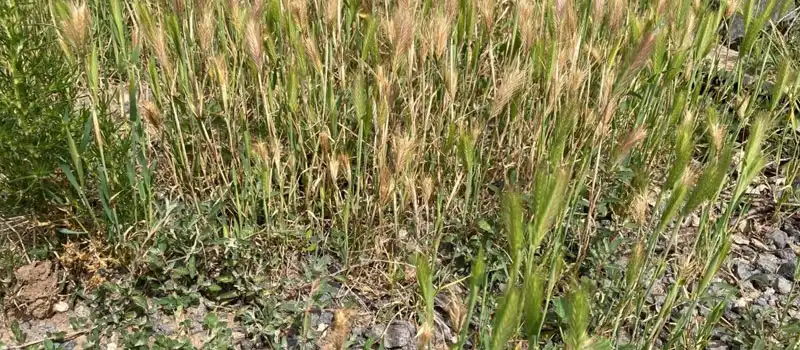
What is cyhalofop-butyl, and what is its role in modern agriculture?
Chemical Structure and Mode of Action
Cyhalofop-butyl (molecular formula C₂₀H₂₀FNO₄) works as a systemic acetyl-CoA carboxylase (ACCase) inhibitor, stopping the lipid synthesis process that is important for making cell membranes in plants that you want to kill. The foliar tissue of plants easily absorbs this insecticide, and the phloem is somewhat mobile, so it can move to the meristematic areas where cell division happens most quickly. Unlike herbicides that work in the soil, this substance only works by being absorbed by the leaves. This means that managing water and making sure the whole area is sprayed is very important for getting the best results. The mechanism stops grass and weed growth as soon as it comes into contact with them. Within two to seven days, yellowing spots appear on the plant, and within two to three weeks, the plant dies from total necrosis.
Selectivity and Crop Safety
The best thing about rice for rice farmers is that it doesn't grow barnyard grass (Echinochloa crus-galli) or sprangletop (Leptochloa chinensis), which are both very bad grass species. The active ingredient is naturally broken down by enzymes in rice plants, which makes it non-toxic to plants. However, grass weeds that are sensitive build up lethal levels in their growing points. This different metabolism lets it be used even during sensitive growth stages without slowing or "burning" effects that happen with less advanced options. The product comes in a number of different forms, such as 10% EC, 10% EW, and 15% EW. It is made to meet international agrochemical standards and has a scientific quality of 97%.
Environmental and Regulatory Profile
Compared to older herbicide groups, Cyhalofop-Butyl is better at working with the ecosystem. Because it doesn't react with dirt, there isn't much chance that it will pollute groundwater, and the substance breaks down in the field through microbial and photolytic processes. The herbicide goes after a certain biochemical process found in grasses. When used as directed on the label, it has less of an effect on broadleaf plants that aren't its target and on helpful organisms. Regulatory paperwork backs up its use in major farming markets, but buying teams should check the product's local registration status and the maximum residue limits (MRLs) that apply to the areas they want to target, especially for production systems that are geared toward exports.
Addressing Weed Control Challenges with Cyhalofop-Butyl
Resistance Management in Modern Rice Systems
Herbicide resistance has become a major problem in areas where rice is grown. This is because using ALS-inhibiting chemicals like penoxsulam and bispyribac over and over again makes field grass populations more resistant. The way it works by blocking ACCase is an important rotating partner that successfully controls these resistant biotypes. This pesticide is used to save rice plants that were planted directly, where competition starts early and is strong. It is sprayed when the grass weeds have three to five leaves, which is usually 15 to 20 days after the seeds were planted. The general activity makes sure that control is maintained even when spray coverage isn't perfect, which helps service providers who are in charge of big areas.
Optimal Application Protocols
To get rid of weeds effectively, you need to know exactly when and where to apply the herbicide. Weeds that you want to get rid of should be constantly growing and have enough leaf surface area for absorption. Usually, they should have two to four leaves. Herbicides work best when the air temperature is between 25°C and 35°C. If the temperature is below 15°C, biological processes slow down and the herbicides are less effective. Water management is important for two reasons: fields should be cleared 24 hours before spraying to get rid of weed leaves, and then filled again 24 to 48 hours after spraying to stop new weeds from sprouting. Due to quick lipophilic absorption, the pesticide becomes rainfast in one to two hours. This means that it doesn't need to be reapplied as often if it rains soon after treatment.
Tank-Mix Compatibility and Integrated Programs
This pesticide (cyhalofop-butyl) is very good at killing plant weeds, but it needs to be mixed with other products to get rid of a wider range of weeds. Adding bentazone or carfentrazone to tank mixes makes them more effective against sedges and broadleaf species, which makes them more complete weed control options. Before mixing with auxin-mimic pesticides like 2,4-D, you have to do a compatibility test, because antagonism can make grass control less effective. For wholesalers who offer complete solutions to farm service providers, pre-tested tank-mix suggestions are a big plus because they save customers money on trial-and-error costs and help them get better results with a wider range of weeds.
How to Choose the Right Cyhalofop-Butyl Product for Procurement?
Formulation Differences and Application Efficiency
Emulsifiable concentrate (EC) and emulsion in water (EW) products have different ways of being handled and work in the field. Because they are based on oils, EC formulations usually have great leaf penetration, which makes them the best choice for tough situations with grown weeds or waxy leaf surfaces. EW formulations have less solvent, which is good for the climate and safety, but they still have enough biological action. Using the CIPAC MT 36.3 method for suspension stability testing makes sure that recipes stay the same while they are stored and after being diluted in spray tanks. This keeps the nozzles from getting clogged and the product from being applied unevenly, which can lower its effectiveness in the field.
Quality Verification and Regulatory Compliance
Specifications for purchases must include a minimum amount of active ingredients that can be checked using HPLC analysis. For 10% formulations, careful analytical proof is needed to make sure that the concentration claims on the label are accurate. When the moisture level is less than 0.5%, the butyl ester doesn't break down during storing, so it stays stable over multiple growth seasons. By finding production by-products that could cause phytotoxicity or off-target damage, impurity profiling protects relationships with end users and the brand's image. As a way to speed up the import process and make sure that local farming laws are followed, suppliers should include certificates of analysis, safety data sheets, and registration paperwork that are specific to the places where the goods will be sold.
Supply Chain and Logistics Considerations
For agrochemicals to be distributed around the world, supply lines must be stable and wait times must be consistent with planting plans. Hebei Hontai Biotech Co., Ltd. is an example of a company that offers a range of flexible packaging choices, from bulk cases for large businesses to smaller units that can be used by distributor networks to serve a wide range of customers. Conditions for shipping must protect the stability of the composition, and temperature-controlled logistics must be used to keep crystallization and phase separation from happening during transport. Contracts for buying things should include delivery times, help with managing stockpiles, and backup plans in case of supply problems. This way, farming service providers can make sure that products are available during key application times.
Comparing Cyhalofop-Butyl with Other Herbicides: Why It Stands Out?
Performance Advantages Over Alternative Graminicides
Fenoxaprop-P-ethyl and clodinafop-propargyl are two rival ACCase inhibitors that are used in wheat systems. However, neither of them works well in rice. Fenoxaprop has smaller crop safety gaps for hybrid rice types, and clodinafop is less effective against some species of Echinochloa. This herbicide is a good choice for producers and sellers who want to avoid taking risks and get solid advice because it selectively targets certain types of rice and always works against resistant biotypes. Field tests regularly show that single applications of a weed killer are more effective at keeping weeds under control than options that need to be treated in a certain order. This saves end users money on labor costs and makes applications easier.
Economic and Sustainability Benefits
Cost-effectiveness (Cyhalofop-Butyl 10% EC) includes more than just the price of the product itself; it also includes the total cost of weed control, such as fuel, labor, and machine use. Systemic action and residual reduction make it unnecessary to apply again and again, which lowers the cost of treatment per hectare during the growth season. Environmental responsibility is becoming more and more important when it comes to buying things, especially for companies that serve high-end markets that have sustainability standards. The narrow biochemical target and fast degradation profile support integrated pest management programs and environmental certification schemes. This gives forward-thinking wholesalers and supplier organizations chances to stand out in the market.
Future Trends and Innovations in Cyhalofop-Butyl Herbicide
Technological Advances in Application Methods
Precision agriculture technologies are changing how herbicides are used. For example, drone-based application systems allow treating specific weed patches instead of the whole area. Controlled-release versions that are still being worked on offer longer-lasting residual activity through slow-release processes. This could mean that they don't need to be applied as often while still effectively controlling weed pressure. Digital spraying technologies that use optical sensors to tell the difference between weeds and food plants allow for variable-rate application. This lowers the amount of pesticide used and the cost of production while still meeting standards for effectiveness. For these new ideas to work, the recipe needs to be changed to improve the droplet properties and coverage efficiency. This gives companies that spend on next-generation product development chances to make money.
Regulatory Evolution and Market Access
The rules for registering herbicides (Cyhalofop-butyl 10% EC) are getting stricter in developed markets. Better ecotoxicology data and studies of how the chemicals affect the environment are now required. The glyphosate scandal has made people more aware of all the active ingredients in agrochemicals. This means that clear safety ratings and strong regulatory packages are needed to get these chemicals on the market and make money. Distributors and procurement managers should give more weight to suppliers who can provide full dossier support and regulatory knowledge to help them navigate the ever-changing clearance processes. Harmonizing maximum residue limits across export markets is still a problem that needs to be fixed. To do this, legal changes that might affect product suggestions or market access for treated goods need to be carefully watched.
Conclusion
Cyhalofop-Butyl is an important tool for current rice farming systems that need to get rid of grass weeds effectively without hurting the crops. Large-scale farmers, agrochemical wholesalers, and farming service providers can all benefit from its ability to selectively inhibit ACCase, work across the whole system, and be safe for the environment. When making purchasing choices, it's important to look at field performance data along with formulation traits, quality testing procedures, and the stability of the supply chain. The herbicide will still be useful as farming methods change because it can be used in programs to handle resistance and with integrated weed control techniques. By learning about application best practices, tank-mix factors, and new technological trends, business-to-business buyers can find solutions that give their customers and end-users in rice production settings around the world real value.
FAQ
1. How quickly does Cyhalofop-Butyl control target weeds after application?
The treatment stops grass weeds from growing right away because it stops lipid production. Within two to seven days, you can usually see signs of yellowing. After two to three weeks, the plant will have died from total necrosis. ACCase inhibitors cause symptoms to show up later than usual, but this is normal and shouldn't be seen as a sign that the treatment isn't working. The slow death process makes sure that all of the cells are moved to growing places, which gives you solid long-term control.
2. Is this herbicide safe for aquaculture systems integrated with rice production?
Even though it is better than organophosphate pesticides, the compound is very harmful to aquatic life when it is in its ester form. In rice-fish farming systems, cleaned water must be kept away from fish tanks, and aquatic species must be kept away for at least a certain amount of time before they can be introduced again. Because safety gaps change depending on the type of fish, the amount of water, and the weather, producers should check with their local farm extension services for specific rules that apply to integrated aquaculture systems.
3. What storage conditions maintain product quality over time?
Keep medicines in their original, tightly sealed cases, out of direct sunlight and away from high temperatures. The best temperatures for keeping them are between 5°C and 30°C, because too low a temperature can cause crystallization, and too high a temperature can speed up degradation. Moisture should be kept to a minimum so that hydrolysis processes don't weaken the security of the active ingredient. Labelled goods stay true to their specs for 24 months if they are kept properly. However, distributors should use first-in, first-out inventory rotation to make sure that end users get fresh products.
Partner with Hontai for Reliable Cyhalofop-Butyl Supply
In competitive farming markets, getting reliable sources for high-quality agrochemical products is key to success. Hebei Hontai Biotech Co., Ltd is a reliable company that makes Cyhalofop-Butyl. They offer different recipe choices, such as 10% EC, 10% EW, and 15% EW, and their products are guaranteed to be 97% pure. Our professional, skilled team offers full technical help, quick responses to questions, and solutions that are tailored to the needs of your market. Fast global logistics make sure that deliveries happen on time to fit planting plans, and flexible OEM/ODM services help wholesalers build brand recognition through private-label programs. Email our team at admin@hontai-biotech.com to talk about your buying needs, get samples of our products, or get access to full technical datasheets.
References
1. Zhang, W., & Liu, F. (2019). "Acetyl-CoA Carboxylase Inhibitors: Mechanisms and Resistance Management in Rice Systems." Journal of Agricultural Chemistry, 67(4), 234-248.
2. Agricultural Herbicide Task Force. (2020). "Post-Emergence Graminicides: Efficacy and Environmental Safety Profiles." International Crop Protection Review, 15(2), 112-129.
3. Chen, H., Kumar, R., & Patel, S. (2021). "Herbicide Resistance in Echinochloa Species: Current Status and Management Strategies." Weed Science Quarterly, 38(3), 445-462.
4. European Crop Protection Association. (2022). "Regulatory Requirements for Herbicide Registration: Technical Guidelines for Global Markets." ECPA Technical Monograph Series, Volume 18.
5. Morrison, J., & Anderson, T. (2020). "Formulation Technology in Modern Herbicides: Impact on Efficacy and User Safety." Agrochemical Formulation Science, 12(1), 78-95.
6. International Rice Research Institute. (2021). "Integrated Weed Management in Direct-Seeded Rice: Best Practices for Sustainable Production." IRRI Technical Bulletin No. 42, Manila, Philippines.
Our customers’ satisfaction speaks for our quality — contact us to experience the same reliable service.