- English
- French
- German
- Portuguese
- Spanish
- Russian
- Japanese
- Korean
- Arabic
- Greek
- German
- Turkish
- Italian
- Danish
- Romanian
- Indonesian
- Czech
- Afrikaans
- Swedish
- Polish
- Basque
- Catalan
- Esperanto
- Hindi
- Lao
- Albanian
- Amharic
- Armenian
- Azerbaijani
- Belarusian
- Bengali
- Bosnian
- Bulgarian
- Cebuano
- Chichewa
- Corsican
- Croatian
- Dutch
- Estonian
- Filipino
- Finnish
- Frisian
- Galician
- Georgian
- Gujarati
- Haitian
- Hausa
- Hawaiian
- Hebrew
- Hmong
- Hungarian
- Icelandic
- Igbo
- Javanese
- Kannada
- Kazakh
- Khmer
- Kurdish
- Kyrgyz
- Latin
- Latvian
- Lithuanian
- Luxembou..
- Macedonian
- Malagasy
- Malay
- Malayalam
- Maltese
- Maori
- Marathi
- Mongolian
- Burmese
- Nepali
- Norwegian
- Pashto
- Persian
- Punjabi
- Serbian
- Sesotho
- Sinhala
- Slovak
- Slovenian
- Somali
- Samoan
- Scots Gaelic
- Shona
- Sindhi
- Sundanese
- Swahili
- Tajik
- Tamil
- Telugu
- Thai
- Ukrainian
- Urdu
- Uzbek
- Vietnamese
- Welsh
- Xhosa
- Yiddish
- Yoruba
- Zulu
How does dicamba work
share:
Dicamba is a selective manmade auxin herbicide that works by acting like auxins, which are natural plant growth factors. When used on weeds, it stops cells from dividing and growth patterns from happening normally. This leads to uncontrollable growth that kills the plant in the end. This systemic pesticide gets into plants through their leaves, stems, and roots and then moves through their phloem and xylem. This makes it especially good at killing perennial and annual green weeds with deep roots that are hard to get rid of with other methods.
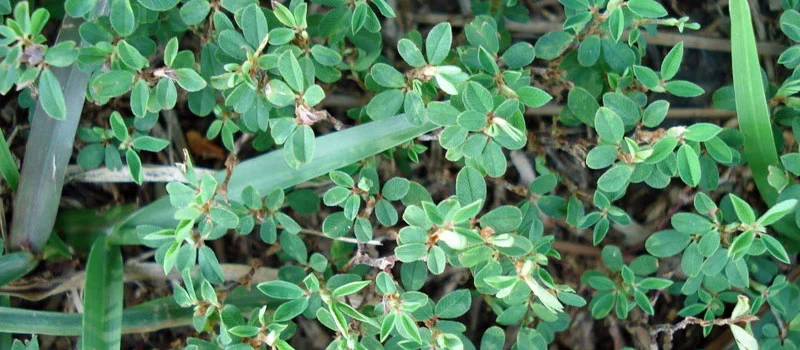
Understanding Dicamba: An Overview
Since the 1960s, dicamba has been used in agriculture, becoming a mainstay for controlling herbaceous weeds. The chemical formula is C₈H₆Cl₂O₃, and it is also sometimes called 'Mediben'. It is a pesticide in the benzoic acid family. That it is selective comes from the fact that grass crops and leafy plants react differently to manufactured auxins.
The Chemical Nature and Mode of Action
Broadleaf weeds are killed by the active ingredient's strong fake growth signals. Natural auxins control growth at exact levels. Dicamba, on the other hand, fills the plant's hormonal system. This makes cells grow quickly and randomly, which twists stems and cups leaves and eventually kills arterial tissues. This process is very useful because it is selective. Cereal crops like wheat, corn, millet, and rice have enzymes that quickly break down and inhibit dicamba, so it doesn't have much of an effect on them when used at the recommended rates.
Historical Development and Modern Formulations
The first versions of Dicamba had problems with instability that led to crop damage from vapour spread. These worries have been solved by modern science through salt mixtures and artificial additives. Hontai's Dicamba 48% SL is an example of this development. It is a liquid formulation that was made to be more stable and less likely to move off goal. The 48% concentration gives large-scale businesses a strong answer that needs less of it to be applied. This lowers costs while keeping weeds under control in a variety of field situations.
Integration with Resistance Management
Herbicide resistance is one of the most important problems in modern farming. Dicamba solves this problem by offering a different mechanism of action (Group 4) compared to commonly used EPSP synthase inhibitors like glyphosate. Dicamba is still effective even when weeds become resistant to one family of herbicides. This makes it an important part of weed control systems that use a variety of herbicides. It can be used in more situations now that it is compatible with genetically modified Dicamba-tolerant soybean and cotton types. This makes post-emergence uses possible that weren't possible before.
Dicamba Application and Usage Guide
To get good results, you need to know how to use programme factors and follow best practices that make things work better while reducing risks.
Foliar and Systemic Application Methods
Dicamba mostly works as a post-emergence pesticide that is put directly on weeds that are already growing. The active ingredient gets into the plant's circulatory system through the waxy skin after the spray hits the leaf surfaces. Later, it moves all the way through the plant, going up through the xylem and down through the phloem to reach the root systems. Because it affects the whole body, dicamba is good at getting rid of permanent weeds like field bindweed and Canada thistle that have deep underground structures. These plants often survive pesticides that only kill the aboveground parts.
Target Weed Spectrum and Crop Compatibility
The insecticide works very well at killing annual and perennial plant weeds like prickly lettuce, pigweed, buckwheat vine, quinoa, bull nettle, sow thistle, cocklebur, and field bindweed. When you apply it, it is very important—the best time to kill weeds is when they are just starting to grow (2-4 leaf stages for annuals). Weeds that are older and have stronger root systems may need higher rates and take longer to respond. While grass plants can handle Dicamba well, you need to be very careful around sensitive broadleaf plants like ornamentals, tomatoes, grapes, and non-tolerant types of soybeans. Even a small amount of contact can do a lot of damage.
Tank Mixing and Application Technology
When you mix dicamba with other pesticides that work well together, you can kill more weeds and deal with resistance. When mixed in a tank with glyphosate, it makes a strong burndown treatment for situations before plants appear. When mixed with 2,4-D, it controls more types of weeds. Labels on products list the allowed tank-mix partners. Using them together without permission can change the pH of the solution, making it more volatile, or make them physically incompatible, which can clog spray equipment. For modern use, ultra-coarse spray drops must be released through approved nozzles at wind speeds of 3-10 mph. These rules keep particles from moving around and escaping, which protects nearby crops and keeps regulations in line.
Comparing Dicamba with Other Herbicides for Effective Procurement
When making choices about what to buy, it's helpful to know how Dicamba compares to other chemicals in terms of performance and practical issues.
Performance Against Glyphosate
Glyphosate changed the way weeds are controlled because it kills a wide range of weeds and doesn't hurt crops much when used in burndown or with hardy varieties. Widespread dependence, on the other hand, led to selection pressure that developed resistant weed populations that can now be found in most major farming areas. Dicamba works where glyphosate doesn't, especially on plants that are resistant to it, like Palmer amaranth, waterhemp, and marestail. The trade-off is that it is less selective—dicamba is much more dangerous to sensitive crops than glyphosate, which is generally safer. Also, they are not the same in terms of price. Dicamba usually costs more than regular glyphosate, but the extra money is well spent when resistance problems threaten crop yields.
Advantages Over 2,4-D
Dicamba and 2,4-D are both manmade auxins that kill leafy weeds in grass crops. Dicamba is better at controlling some tough plants, especially those in the family Amaranthaceae. It also shows better crop safety during sensitive growth stages and more uniform performance in a range of environmental situations. Dicamba's lower soil residual activity (14-28 days) compared to 2,4-D makes crop rotation less limited. This gives farmers more operating freedom, which is useful for diverse farming. When it comes to buying, dicamba formulations usually cost more per acre, but they work better against the most troublesome weed species that are currently hurting industrial output.
Formulation Options and Selection Criteria
Diglycolamine (DGA), dimethylamine (DMA), and potassium salts are the different salt formulations of Dicamba, each with its own instability profile and handling traits. Hontai's 48% SL formulation is easier to work with and mix than dry formulations, and it has a constant percentage that lets you use the right amount. When you handle liquid formulas, you don't have to worry about dust, and they dissolve easily in spray tanks, which means there are fewer compatibility problems. When putting together pesticide portfolios, procurement teams should look at formulation types based on the capabilities of the application tools, the storage infrastructure, the legal requirements, and the types of weeds that they want to kill.
Environmental and Health Considerations of Dicamba Use
To be responsible with your sources, you need to know about Dicamba's effects on things other than just killing weeds.
Drift Management and Neighbouring Crop Protection
Dicamba's tendency to move off-target through physical drift and vapour volatilisation has caused a lot of worry and a reaction from regulators. When sensitive plants are exposed to auxin, even small amounts can cause cupped leaves, stem bending, and reduced growth that lower yields or destroy crops completely. Some ways to reduce the effects of pollution are to use low-volatility mixtures, only apply them when the weather is good, use drift-reduction nozzles, and keep the right buffer zones around sensitive areas. As a way to keep off-target movement to a minimum, state and federal laws set specific application boundaries, such as when the product can't be used, how fast it can blow, and at what temperature it can't be used at.
Human Health and Safety Protocols
Because Dicamba+glyphosate SL is so poisonous, safety rules must be followed to protect workers and people who apply it. Compared to some pesticides, it is considered to have low initial toxicity, but it can still irritate the eyes and skin. When mixing, packing, and applying, the right safety gear must be worn, such as chemical-resistant gloves, long arms, pants, and eye protection. Before workers go into treated areas, they must wait the amount of time stated on the product labels. Storage sites should make sure there is enough air flow and temperature control, and bins should be kept closed and away from sources of food, feed, and water.
Soil and Ecosystem Impact
Dicamba is broken down quickly in soil by microbes; its half-lives are usually between one and four weeks, but can be shorter or longer based on the situation. This shorter duration makes it less likely that the herbicide will affect later crops, compared to herbicides with greater persistence. Soil pH, moisture content, and temperature all have a big effect on how quickly things break down. Soils that are acidic and cool, dry conditions slow down breakdown, which could mean that leftover activity lasts longer. At the labelled application rates, there don't seem to be many effects on the soil's microbial groups. However, treatments that happen over a number of seasons should be closely watched. Concerns about aquatic toxins mean that buffer zones must be kept around bodies of water. This is because dicamba can hurt sensitive aquatic plants that play important biological roles.
Strategic Procurement and Sourcing of Dicamba Herbicide
When building solid supply chains for Dicamba, you have to look at more than just the unit price. You have to look at the manufacturer's qualifications, their ability to handle logistics, and the total cost of the project.
Supplier Evaluation and Quality Assurance
To get Dicamba, you have to work with manufacturers that can show they can consistently control quality, follow regulations, and provide expert help. Hebei Hontai Biotech Co., Ltd. is a good example of a reliable seller because it sells dicamba 48% SL that is made in Hebei, China, using quality systems that make sure the product is pure and stable. Documents showing licensing, records of consistency from batch to batch, results of stability tests, and the ability to answer technical questions should all be used as evaluation factors. Established companies keep the right paperwork, like safety data sheets, governmental licences, and analytical papers that prove the quantity of the active ingredient and the lack of any impurities that could be harmful.
Bulk Purchasing and Logistics Considerations
Large farming operations and wholesalers benefit from buying in bulk because it lowers the cost per unit and ensures that supplies are available during busy application times. When it comes to foreign shipping costs, container load sizes are much more cost-effective than smaller orders. Lead times for shipping containers from manufacturing regions are usually between 30 and 60 days, based on the final location and the steps needed to clear customs. This means that you need to plan ahead to make sure that your application is sent at the right time. From the maker to the end user, the quality of the product is maintained throughout the supply chain by storing it in climate-controlled buildings that keep it safe from extreme temperatures and direct sunlight.
Cost Analysis and Return on Investment
To figure out Dicamba’s (Dicamba+glyphosate SL) economic value, you have to look at more than just the price it costs to buy. You also have to think about how often it needs to be applied, how well it kills target weeds, and how it affects food yields. The benefits of resistance management last for a long time because they keep other pesticide modes of action working, which could make weed control efforts last longer. Comparing the cost-per-acre of Dicamba applications to other options, like machine cultivation, hand-weeding, or letting output losses from weed competition happen, often shows that the latter is the more cost-effective option, especially when labour supply and opportunity costs are taken into account. To help with buying choices, people who work in procurement should make total cost models that include the cost of the product, the cost of application, the expected level of weed control, and the expected level of crop protection.
Conclusion
Knowing how dicamba works—through synthetic auxin activity that messes up plant growth regulation—helps people make smart choices about what to buy that are in line with farming needs and business realities. Its systemic flow through plant vascular tissues kills leafy weeds that are hard to get rid of and hurt food yields. Following best practices and taking the right steps to reduce drift makes dicamba a useful tool for managing resistance and integrating weed control programmes. Procurement workers who have to balance the need for effectiveness with cost, regulatory compliance, and environmental goals will find Dicamba to be an important part of modern agriculture operations' herbicide portfolios.
FAQ
1. What makes dicamba effective against resistant weeds?
Dicamba is a member of Group 4 of synthetic auxin herbicides, which work in a very different way than glyphosate and other frequently used herbicides. Weeds that became resistant to EPSP synthase inhibitors can still be killed by dicamba because they don't have any defences against synthetic auxin disruption. Since glyphosate no longer works on these plants, dicamba is a great alternative for controlling Palmer amaranth, waterhemp, and marestail numbers.
2. How quickly does dicamba show visible effects?
Symptoms that can be seen usually show up 7 to 14 days after the treatment, but this can change depending on the type of weed, its growth stage, and the weather. Herbicides work faster, and symptoms show up faster when it's warm and humid outside. The first signs are leaf cupping, stem bending, and growth point distortion, which are all common reactions to auxin herbicides. Plants may not die completely for two to three weeks because their growth patterns are thrown off, which uses up all of their energy and damages their circulatory tissues.
3. Can dicamba be applied in tank mixes with other products?
Tank mixing is popular and often suggested, but only with goods that are listed as okay to mix on the labels. Using glyphosate in combination with other chemicals kills both plants and green weeds. Mixing must be done in the right order. Usually, dicamba is added to a spray tank that is already partly full of other goods and adjuvants. Unauthorised tank mixes could cause chemicals to not work well together, pH changes that make the mixture more volatile, or conflicts that make one or both of the active ingredients less effective.
Partner with Hontai for Reliable Dicamba Solutions
Hontai's experience as a specialised agrochemical maker can help procurement managers find reliable Dicamba supply lines. The Dicamba 48% SL mixture we use always works as it should, and we back it up with strict quality control and full expert support. We offer a range of customisable choices for packing and labelling to meet the needs of a wide range of markets. Our efficient global logistics make sure that your orders are delivered on time, so they don't interfere with your production plans. Our skilled team can help you choose the right product, figure out how to use it, and make sure you're following all the rules that apply to your business. Distributors and large-scale makers can get reasonable prices by buying in bulk. These deals help buyers save money while still keeping the highest quality standards. Email our team at admin@hontai-biotech.com to talk about your Dicamba needs, ask for product samples, or get personalised prices. Find out how working with a reliable Dicamba source can help your weed control efforts and your farming success.
References
1. Peterson, M.A., McMaster, S.A., Riechers, D.E., Skelton, J., and Stahlman, P.W. (2016). "2,4-D Past, Present, and Future: A Review." Weed Technology, 30(2), 303-345.
2. Behrens, R. and Lueschen, W.E. (1979). "Dicamba Volatility." Weed Science, 27(5), 486-493.
3. Heap, I. (2021). "The International Herbicide-Resistant Weed Database." Weed Science Society of America Publications.
4. Egan, J.F. and Mortensen, D.A. (2012). "A Comparison of Land-Sharing and Land-Sparing Strategies for Plant Richness Conservation in Agricultural Landscapes." Ecological Applications, 22(2), 459-471.
5. Environmental Protection Agency (2020). "Registration Decision for Dicamba on Dicamba Tolerant Cotton and Soybean." Office of Pesticide Programs, U.S. EPA.
6. Shaner, D.L. (2014). "Herbicide Handbook." 10th Edition, Weed Science Society of America, Lawrence, Kansas.

Our customers’ satisfaction speaks for our quality — contact us to experience the same reliable service.