- English
- French
- German
- Portuguese
- Spanish
- Russian
- Japanese
- Korean
- Arabic
- Greek
- German
- Turkish
- Italian
- Danish
- Romanian
- Indonesian
- Czech
- Afrikaans
- Swedish
- Polish
- Basque
- Catalan
- Esperanto
- Hindi
- Lao
- Albanian
- Amharic
- Armenian
- Azerbaijani
- Belarusian
- Bengali
- Bosnian
- Bulgarian
- Cebuano
- Chichewa
- Corsican
- Croatian
- Dutch
- Estonian
- Filipino
- Finnish
- Frisian
- Galician
- Georgian
- Gujarati
- Haitian
- Hausa
- Hawaiian
- Hebrew
- Hmong
- Hungarian
- Icelandic
- Igbo
- Javanese
- Kannada
- Kazakh
- Khmer
- Kurdish
- Kyrgyz
- Latin
- Latvian
- Lithuanian
- Luxembou..
- Macedonian
- Malagasy
- Malay
- Malayalam
- Maltese
- Maori
- Marathi
- Mongolian
- Burmese
- Nepali
- Norwegian
- Pashto
- Persian
- Punjabi
- Serbian
- Sesotho
- Sinhala
- Slovak
- Slovenian
- Somali
- Samoan
- Scots Gaelic
- Shona
- Sindhi
- Sundanese
- Swahili
- Tajik
- Tamil
- Telugu
- Thai
- Ukrainian
- Urdu
- Uzbek
- Vietnamese
- Welsh
- Xhosa
- Yiddish
- Yoruba
- Zulu
A Guide to Using Clodinafop-Propargyl for Weed Control in Wheat
share:
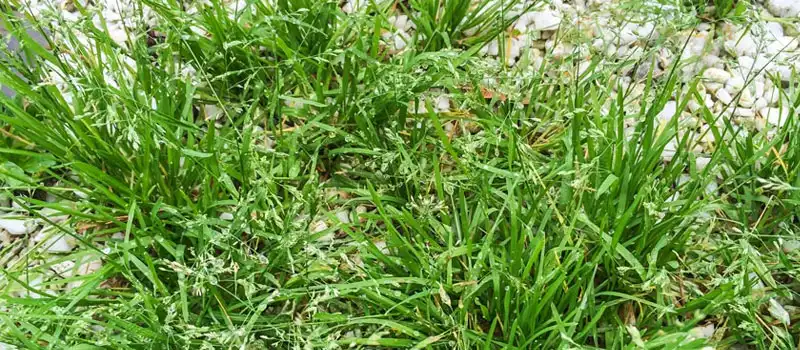
Grass weeds are still one of the biggest problems in wheat production. They hurt crops and profits for business farms around the world. Clodinafop-propargyl is a selective post-emergence pesticide that is made to get rid of annual grass weeds like wild oats, little-seeded canary grass, and black grass that cause problems in wheat fields. Because it is in the aryloxyphenoxy propionate family, this ACCase inhibitor stops weeds from making lipids. When used properly, it doesn't harm wheat crops. Large-scale farmers, agrochemical distributors, and crop protection experts looking for reliable, low-cost ways to get rid of weeds will find useful information in this book.
Understanding Clodinafop-Propargyl and Its Weed Control Mechanism
Chemical Profile and Regulatory Standing
The aryloxyphenoxy propionate group, which includes clodinafop-propargyl, is also known as "FOPs." Its chemical formula is C₁₇H₁₃ClFNO₄, and it is technically pure at least 95% of the time. The pesticide has been approved by regulators in major wheat-growing areas, such as the US and Europe. This shows that it meets strict safety and environmental standards. Hontai sells technical-grade materials from Hebei, China, that meet worldwide standards for quality for use in commercial agriculture.
Mode of Action at the Molecular Level
This pesticide selectively targets an important enzyme in grass weeds called acetyl-CoA carboxylase (ACCase), which is involved in making fatty acids. When applied to the leaves, the active ingredient is quickly taken through the leaves and moved to growing places in both the shoots and roots. Within hours of being absorbed, the pesticide starts to mess up the formation of lipids, which are needed for building cell membranes and plant growth. Weeds that are susceptible stop growing within days and then go through chlorosis and death over the next one to three weeks. Wheat is naturally resistant to herbicides because its metabolism quickly breaks them down into non-toxic chemicals. This is especially true when the safer cloquintocet-mexyl is added to the mixture.
Environmental Impact and Safety Profile
Environmental studies show that the half-life of mild soil degradation is between two and four weeks in normal field conditions. This means that there aren't too many worries about residues for later farming cycles. When used as directed on the label, the compound is not very harmful to helpful insects, birds, and aquatic creatures. This good environmental profile helps combine pest management methods where both weed control effectiveness and ecological balance are important.
Application Guidelines and Best Practices for Wheat Cultivation
Optimal Timing and Dosage Recommendations
To get the most weed control, you need to make sure that the time of your applications matches the stages of weed growth. Usually, this is done when wheat is between three and five leaves deep and annual grass weeds are between two and five leaves deep. Standard rates for spraying range from 50 to 80 grams of active ingredient per hectare, based on the number of weeds and the types of weeds that are present. Herbicides are much less effective when applied after the weeds have reached the suggested stage of growth.
The weather during the application affects how well it works. Herbicides work best when applied when weeds are actively growing, and the temperature is between 10°C and 25°C. It is best not to treat someone when it is frosty, very hot, or there is a drought because these situations make it harder for the body to absorb things and use energy. Adding the right adjuvants, like non-ionic lubricants or crop oil concentrates, makes it easier for the medicine to get into the cuticular layer, especially when it's cooler outside.
Tank-Mix Compatibility and Resistance Management
Clodinafop-propargyl works well with a number of plant herbicides that are used on wheat, which means that complete weed control plans can be used. For weed control, metsulfuron-methyl and tribenuron-methyl are examples of partners that work well together. But don't mix it with hormone-type pesticides like 2,4-D or MCPA, because they can stop herbicides from working and make it harder to get rid of grass weeds. Before mixing goods, make sure they are physically compatible by testing them in jars and reading the manufacturer's instructions.
Resistance control is an important thing to think about if you want herbicides to keep working. When annual grass species are exposed to ACCase inhibitors over and over again, they can become resistant to them. Switch clodinafop-propargyl out for pesticides that work in different ways, like sulfonylureas or pre-emergence choices like pendimethalin. Using a variety of weed control methods, such as cultural practices and mechanical control, lowers the pressure on any one group of herbicides.
Varietal Tolerance and Crop Safety
Clodinafop-propargyl is safe for most types of wheat as long as it is used at the right amounts and during the right stages of growth. The amounts of tolerance for durum wheat and ordinary bread wheat are about the same. However, crop damage can happen if the product is applied more than what is recommended on the label, if the crop is stressed by bad weather during treatment, or if it comes into contact with new cereal crops that aren't mentioned on the label. Barley and oats can't handle this pesticide, and if it drifts or is used incorrectly, it can do a lot of damage.
Comparative Analysis: Clodinafop-Propargyl vs. Other Herbicides
Performance Against Alternative Grass Weed Herbicides
This active ingredient works well against certain types of plant weeds when tested with other graminicides such as fenoxaprop-P-ethyl, pinoxaden, and quizalofop. Fenoxaprop has a similar range of effects and works just as well, but it may not work as well on resistant biotypes in some areas. Pinoxaden is an ACCase inhibitor that works in a different way, which is useful for cycle programs. Clodinafop-propargyl is better for wheat systems because it targets post-emergence grass weeds in green crops instead of grains, as quizalofop does.
Clodinafop-propargyl is more selective than broad-spectrum pesticides like glyphosate, which means it can be used inside crops without damaging them. Glyphosate is still needed to cut down weeds before planting or during idle periods, but it can't be used on wheat that is already growing. When applied to grass before it grows, pendimethalin kills it and leaves behind a lingering effect. However, it is not very useful once weeds have grown past the early stages.
Strategic Positioning for B2B Procurement
Agrochemical distributors and big farming companies make buying choices based on these comparative strengths. Clodinafop-Propargyl works in a way that other herbicides and isoproturon don't, which is good for areas where plants are becoming resistant to them. Post-emergence selection is helpful for operations that need to be able to use different applications at different times during the tillering stages of wheat. When tank-mixing cuts down on the need for different broadleaf herbicide runs, treatment costs and field travel go down, making the process more cost-effective.
Procurement Insights for B2B Clients: Where and How to Purchase Clodinafop-Propargyl?
Sourcing Technical-Grade Material and Formulated Products
When purchasing Clodinafop-Propargyl, procurement managers should carefully check the qualifications of the seller to make sure of the quality of the product and compliance with regulations. Formulated goods, such as emulsifiable concentrates (EC), wettable powders (WP), and oil-dispersion formulas, are made from technical-grade material that is 95% pure. Hontai is an expert at providing high-purity technical materials and unique formulas that are made to fit the needs of customers and regional registration requirements.
Volume buying agreements help big wholesalers and farm groups save money on costs. Orders in bulk, ranging from several tonnes to a container load, allow for reasonable prices and a steady supply throughout the application season. There are many types of flexible packaging that can meet the needs of different markets, from small containers for retail to big drums or totes for business farm use.
Regulatory Documentation and Export Support
For agrochemicals to be traded internationally, strict rules about imports, pesticide registration, and safety data must be followed. Reliable sellers give full technical dossiers with information on toxicology studies, data on how the product breaks down in the environment, effectiveness trials, and analysis methods. The Certificate of Analysis (CoA) checks the cleanliness and quality of the batch according to FAO/WHO guidelines.
Hontai knows a lot about export operations, like Clodinafop-propargyl 8% EC; how to name things correctly; fill out customs forms; and coordinate shipping to other countries. This help makes it easier for importers and distributors to buy things when they're joining new markets or adding more products to their lines. Having access to regulatory affairs experts can help you figure out how to register and meet your compliance responsibilities in a given country.
Evaluating Supplier Reliability and Technical Support
Choosing a supplier is more than just looking at prices at first. It also involves making sure the supply chain is reliable and getting help after the sale. Variations in field performance that hurt distributors' names and growers' trust can be avoided if product quality is consistent across batches. Established makers have a history of delivering on time, having few problems with shipments, and providing helpful customer service.
Leading providers are different from commodity traders because they can offer technical help. Having access to agricultural experts who know about weed problems in your area, application issues, and managing resistance adds value throughout the duration of the product. Training materials for wholesaler sales teams and educational materials for growers help the market grow and keep customers.
Leveraging Clodinafop-Propargyl for Sustainable and Efficient Weed Control
Integration into Comprehensive Crop Protection Programs
Weed control that works goes beyond just using herbicides one at a time. It also includes a whole set of methods that work together to get the best results for farming and the environment. Clodinafop-propargyl is an important part of larger crop protection schemes that aim to stop resistance, save money, and protect the environment. Using both selective post-emergence grass control and pre-emergence residue pesticides together makes it easier to get rid of weeds without relying on just one active ingredient.
By switching between wheat and broadleaf crops in crop rotation cycles, different herbicides can be used, which breaks up the uniformity of the weed lifecycle. By competing with other crops in the crop cover, planting competitive wheat types at the right seeding rates stops weeds from growing. These cultural practices work with chemical control to make it work better, last longer, and cost less per acre.
Case Evidence from Commercial Wheat Production
Field tests in wheat regions in Europe and North America show that controlling wild oats and ryegrass populations works consistently. A study done in several places in the U.S. showed that, when used at the right time, Great Plains showed average wild oat control of over 90%, which meant yield protection of 15–25% compared to checks that weren't sprayed. European statistics from places where ACCase-resistant blackgrass grows show that the product can still work if it is used with the right rotation and tank-mixing methods.
Feedback from commercial growers stresses how reliable it is in a range of environmental situations and how easy it is to use during busy spring treatment times. Distributors say that customers are happy with both the performance and crop safety profiles of their products because they buy them again and again.
Future Developments and Formulation Innovation
The goal of the ongoing study into improved formulation technologies is to improve environmental responsibility while keeping the effectiveness in the field. Microencapsulation methods lower the chance of spray drift and make it easier for rain to pass through, which is good for sensitive areas. Co-formulations that combine Clodinafop-Propargyl with modes of action that work in sync make application handling easier and improve resistance control results.
This active ingredient, the clodinafop-propargyl herbicide, will likely be useful in the market for a long time because it can adapt to changing environmental and legal standards. Companies that spend money on stewardship programs and tracking for resistance support long-term use methods that keep herbicides working for future wheat crop demands.
Conclusion
Clodinafop-propargyl is still a useful tool for controlling grass weeds in wheat production systems. When used correctly, it provides selective post-emergence control while also being safe for crops. Because it works as an ACCase inhibitor, it effectively controls tough species like wild oats and blackgrass, which helps protect crop yields in industrial farming operations. Distributors and big producers can run their businesses more smoothly by making smart choices about what to buy based on things like product quality, supplier dependability, and technical support. Using this pesticide as part of complete resistance management and sustainable agriculture plans will make it more valuable in the long run and keep it working well for future growing seasons.
FAQ
1. What weed species does Clodinafop-Propargyl control most effectively?
This insecticide is meant to kill annual grass weeds like blackgrass (Alopecurus myosuroides), Italian ryegrass (Lolium multiflorum), wild oats (Avena fatua), and littleseed canarygrass (Phalaris minor). It only partially kills broadleaf weeds, so it needs to be mixed with the right broadleaf insecticides in the tank to completely get rid of weeds.
2. Can organic wheat producers use this herbicide?
Clodinafop-propargyl can't be used in organic certification programs because man-made poisons aren't allowed. Instead of chemical herbicides, organic wheat farms must use machine farming, flame weeding, competitive crop types, and cultural practices to get rid of grass weeds.
3. How should growers manage potential herbicide resistance?
You can change how the pesticide works by switching clodinafop-propargyl with products from different chemical families, like sulfonylureas or pre-emergence choices. Use a variety of methods to get rid of weeds, such as crop rotation, planting at different times, and automatic control. Keep an eye on the fields for control fails that could mean resistance is growing, and make changes to your management strategies as needed.
4. What happens if rain occurs shortly after application?
Once the spray deposits on the leaves are dry, which usually takes one to two hours in good weather, Clodinafop-Propargyl doesn't wash off in rain. If it rains after this initial drying time, the pesticide will still work pretty well. If there is heavy rain in the first hour, the spray may need to be applied again if it washes off the leaves.
Partner with Hontai for a reliable clodinafop-propargyl supply.
Hebei Hontai Biotech Co., Ltd. is ready to help you protect your wheat crops with high-quality Clodinafop-Propargyl formulas that meet all international standards. As a specialized agrochemical producer and seller, we offer technical-grade materials that are 95% pure, as well as formulations that are made to fit the needs of your market. Our skilled sales team makes sure that operations run smoothly throughout the growing season by communicating quickly, giving expert advice, and providing full after-sales support.
We keep our global logistics quick so that we can deliver on time to business farms, distributors, and agriculture service providers all over the world. Our flexible packaging choices and OEM services can work with a wide range of business models, whether you need big technical materials for formulation work or finished goods for retail sale.
To talk about your unique Clodinafop-Propargyl needs, please email our global agricultural service team at admin@hontai-biotech.com. Ask for specific product datasheets, price quotes, and regulatory documents to back up your choices about what to buy.
References
1. Heap, I. (2023). The International Herbicide-Resistant Weed Database. Weed Science Society of America.
2. Krausz, R.F., Kapusta, G., and Matthews, J.L. (1996). Control of Annual Grasses in Winter Wheat with Postemergence Herbicides. Weed Technology, 10(2), 397-402.
3. Senseman, S.A. (2007). Herbicide Handbook, Ninth Edition. Weed Science Society of America, Lawrence, Kansas.
4. Cobb, A.H. and Reade, J.P.H. (2010). Herbicides and Plant Physiology, Second Edition. Wiley-Blackwell, Oxford, UK.
5. Vencill, W.K., Nichols, R.L., Webster, T.M., et al. (2012). Herbicide Resistance: Toward an Understanding of Resistance Development and the Impact of Herbicide-Resistant Crops. Weed Science, 60(SP1), 2-30.
6. Moss, S.R. (2019). Integrated Weed Management in Cereals: Current Status and Future Challenges. Journal of Agricultural Science, 157(5), 429-441.
Our customers’ satisfaction speaks for our quality — contact us to experience the same reliable service.