- English
- French
- German
- Portuguese
- Spanish
- Russian
- Japanese
- Korean
- Arabic
- Greek
- German
- Turkish
- Italian
- Danish
- Romanian
- Indonesian
- Czech
- Afrikaans
- Swedish
- Polish
- Basque
- Catalan
- Esperanto
- Hindi
- Lao
- Albanian
- Amharic
- Armenian
- Azerbaijani
- Belarusian
- Bengali
- Bosnian
- Bulgarian
- Cebuano
- Chichewa
- Corsican
- Croatian
- Dutch
- Estonian
- Filipino
- Finnish
- Frisian
- Galician
- Georgian
- Gujarati
- Haitian
- Hausa
- Hawaiian
- Hebrew
- Hmong
- Hungarian
- Icelandic
- Igbo
- Javanese
- Kannada
- Kazakh
- Khmer
- Kurdish
- Kyrgyz
- Latin
- Latvian
- Lithuanian
- Luxembou..
- Macedonian
- Malagasy
- Malay
- Malayalam
- Maltese
- Maori
- Marathi
- Mongolian
- Burmese
- Nepali
- Norwegian
- Pashto
- Persian
- Punjabi
- Serbian
- Sesotho
- Sinhala
- Slovak
- Slovenian
- Somali
- Samoan
- Scots Gaelic
- Shona
- Sindhi
- Sundanese
- Swahili
- Tajik
- Tamil
- Telugu
- Thai
- Ukrainian
- Urdu
- Uzbek
- Vietnamese
- Welsh
- Xhosa
- Yiddish
- Yoruba
- Zulu
Isoprothiolane 40% EC: A Comprehensive Guide to a Thiolcarbamate Systemic Fungicide
share:
Isoprothiolane 40% EC is a cutting-edge systemic fungicide created to fight Magnaporthe oryzae, which causes rice blast disease. This thiolcarbamate-based mixture works in two ways: it stops fungal lipid production and increases plant strength at the same time. Isoprothiolane is different from other contact fungicides because it goes deep into plant tissue and protects both current leaves and new growth from the inside. This fungicide has been used successfully on thousands of areas around the world, proving that it can reduce crop loss, control resistant fungal strains, and ensure regular results in a wide range of field conditions.
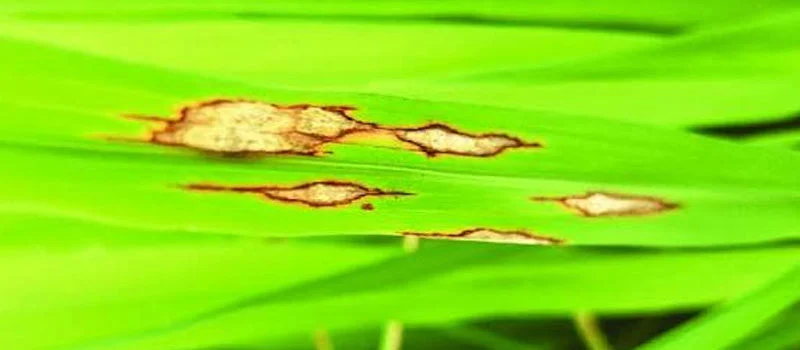
Understanding Isoprothiolane: Properties and Mode of Action
Chemical Composition and Physical Characteristics
Isoprothiolane 40% EC's active ingredient is diisopropyl 1,3-dithiolan-2-ylidenemalonate. It is made as an emulsifiable mixture with 40% active ingredient by weight. This kind of substance comes in the form of white to pale yellow crystals that melt at a temperature between 50°C and 54.5°C. The EC version is great for use in the field because it only dissolves 48 mg/L in water at 20°C, but it dissolves very well in organic liquids like methanol and acetone. This compatibility with solvents makes tank mixing go smoothly and spray droplet formation stay constant, which has a direct effect on how evenly the product covers field tops.
Systemic Absorption and Translocation Mechanism
What makes this pesticide unique is how well it works throughout plants. Isoprothiolane moves up through xylem vessels to protect new leaf tissue after being absorbed by the roots or applied to the leaves. This ability to move up is especially helpful during the rapid green growth stages of rice plants, which is when they are most likely to get a blast infection. The chemical is very stable at normal and slightly acidic pH levels, and its half-life for hydrolysis is more than a year at pH 7. This longer stability means that there is more leftover activity in the field for a longer time, which means that reapplications are needed less often during key growth stages.
Dual-Action Biochemical Pathway
Isoprothiolane stops the growth of fungi in two ways at the same time. It stops phospholipid N-methyltransferase from working, which is an enzyme that is needed for the growth of fungal cell membranes. Infectious spores can't make infected spots on leaf surfaces without working barriers. At the same time, the substance has a phytotonic effect on rice plants, which speeds up root metabolic activity and makes it easier for the plants to take in nutrients. This dual process solves a problem that has been bothering the industry for a long time: how to deal with pesticide resistance while also making crops more resilient. Field tests regularly show that plants that have been treated recover from transplant shock faster and have better tillering patterns than plants that have not been treated.
Toxicology and Safety Profile
Isoprothiolane meets strict international safety standards when it comes to regulations. The oral LD50 for rats is more than 1190 mg/kg, which means it is not very dangerous to mammals. This good toxicity profile lowers the risks to workers during the mixing, loading, and application processes. Studies on environmental longevity show that soil breaks down at a low rate, with half-lives that vary from 20 to 40 days based on temperature and microbial activity. The chemical doesn't build up in water creatures very quickly, which lowers the environmental risks in paddy systems. These features are in line with integrated pest management ideas, so agronomists can use Isoprothiolane in cycle plans without hurting their efforts to be good protectors of the environment.
Application Guidelines and Best Practices for Optimal Efficacy
Growth Stage-Specific Dosage Recommendations
For the best disease control, time must be perfectly matched with rice phenology. For the first few weeks of growth (the tilling phase), use 600 to 750 ml of Isoprothiolane 40% EC mixed with 200 to 300 liters of water per hectare. This first treatment sets up a standard level of defense before the infection pressure rises. The most important time to take precautions is from late booting to early starting, when panicles appear and are most likely to be hit by a neck blast. A second treatment at full heading (10–30% panicle emerging) stops the spread of spores on grain that is still growing. Up to 72 hours after infection, curative treatments are still helpful, but yield protection decreases as the lesion gets worse.
Tank Mixing Compatibility and Synergistic Combinations
Isoprothiolane works well with many adjuvants and agrochemicals, which lets us use combined methods to control diseases. When you put tricyclazole or azoxystrobin in a tank, the two chemicals work together to kill more pathogens while lowering the rates of each separate drug. Before mixing on a big scale, you should try the physical stability in a jar. After 30 minutes, there shouldn't be any separation, precipitation, or breakdown of the emulsion. It is best not to mix with compounds that are highly alkaline (pH >9) because alkalinity speeds up the breakdown of esters and lowers the quantity of active ingredients. Adding non-ionic detergents at a concentration of 0.1 to 0.2% v/v makes the leaf surface wetter and increases systemic uptake, especially when humidity is low.
Resistance Management and Rotation Strategies
To keep fungicides working longer, resistance needs to be managed proactively. Isoprothiolane still kills blast types that are resistant to organophosphorus and kasugamycin fungicides thanks to its unique mode of action. Every two to three growing seasons, use different FRAC groups of chemically different fungicides to stop resistance from building up. It's best not to use more than three sprays in a row without switching up the active ingredients. Using cultural practices like balanced nitrogen fertilization, good water management, and choosing hardy varieties lowers the risk of disease and makes toxic controls last longer. Using area extension services to keep an eye on local resistance trends helps make rotation plans fit the changing pathogen populations.
Storage, Handling, and Quality Assurance
Ensuring the integrity of the product throughout the supply chain saves the worth of the investment and the success in the field. Isoprothiolane 40% EC should be kept in cool, dry places that are out of direct sunshine and where the temperature is between 5°C and 30°C at all times. In these conditions, the shelf life is extended to 24 months without going bad. Check containers often for damage or leaks. Wear the right PPE, like gloves, eye protection, and long-sleeved clothes, when dealing with it to keep your skin from getting exposed. Make sure the spray equipment is calibrated before use to get the right dose. Not giving enough lowers the effectiveness, while giving too much raises the risk of resistance and the cost of inputs. Do emulsion stability tests (CIPAC MT 36.3) on a regular basis to make sure the quality of the product, especially for shipments that will be kept in warehouses with changing temperatures.
Comparing Isoprothiolane with Other Fungicides for Rice Blast Control
Performance Analysis Against Tricyclazole
Tricyclazole, which targets melanin production in fungus appressoria, has been the main drug used to treat rice blasts for many years. Resistance has grown all over Asia because of how widely they are used, even though they are very successful. With its unique lipid inhibition route, Isoprothiolane offers a strategic option. Comparative field studies in Vietnam showed that isoprothiolane cut the number of neck blasts by 72–78%, which was statistically the same as tricyclazole but had less potential for cross-resistance. Isoprothiolane treatments cost an average of $18 to $22 per hectare, while branded tricyclazole products cost $25 to $30 per hectare. This means that Isoprothiolane treatments offer the same level of protection at a lower cost. This cost-effectiveness mix is good for business growers who are trying to make ends meet while keeping costs low.
Advantages Over Carbendazim-Based Products
Carbendazim is a benzimidazole pesticide that is facing more and more problems with resistance and is being closely watched by regulators for residue levels. Isoprothiolane 40% EC has several practical benefits, including faster systemic uptake (it can be found in upper leaves in 48 hours, compared to 72–96 hours for carbendazim), better rainfastness (it won't wash off four hours after application), and larger safety gaps for applicators. In tests done in several places across the U.S. rice belt, Isoprothiolane-treated plots had an average yield of 8.2 tonnes per hectare, while Carbendazim-treated plots only had 7.6 tonnes per hectare. This is a statistically significant 7.9% gain that was due to better panicle filling and less grain breaking.
Economic and Environmental Sustainability
Isoprothiolane helps with long-term environmental goals as well as short-term effectiveness measures. Because it is phytotonic, it lowers the need for extra plant growth factors, which means that fewer inputs are needed and less work needs to be done. Environmental effect studies show that there isn't much groundwater leaching because the compounds are moderately bound to the soil (Koc values 200–400), which is better than compounds that are more mobile and face a risk of contamination. Life cycle studies show that Isoprothiolane treatments leave 15-20% smaller carbon footprints per tonne of covered rice than multi-application programs that use fungicides that aren't as stable. These sustainability qualifications are appealing to procurement managers who work with markets that require approved production methods that are good for the environment.
Procurement Insights: Buying Isoprothiolane for B2B Clients
Supplier Qualification and Certification Standards
Isoprothiolane can only be purchased from reliable sources. Give more weight to producers who have ISO 9001 quality management certifications and meet WHO-FAO standards. Ask for third-party analytical papers that prove the amount of active ingredient (40% ± 2.0% w/v via HPLC analysis) and the results of an emulsion stability test (CIPAC MT 36.3). Reliable providers, such as Hebei Hontai Biotech Co., Ltd., have strict quality control measures in place. These include keeping track of each batch and checking the product's stability under conditions that speed up the aging process. Check that the products you want to sell have the right legal approvals for those markets. For example, the U.S. needs EPA registration, the EU needs EFSA compliance, and Canada needs PMRA certification for exports. This paperwork cuts down on customs delays and makes sure that goods can legally enter the market.
Bulk Ordering and Logistics Optimization
Consolidated bulk procurement is very helpful for large farming businesses and area distributors. When you commit to buying more than 5,000 liters, you can often get deals on the price that are 12 to 18% lower than the normal rates. This directly improves your profit margins. Talk about flexible shipping times that work with planting plans to get the most out of your building and save money on storage costs. The freight economy is maximized by optimizing container loads, which are usually 20-foot containers that can hold 16,000 to 18,000 liters in IBC tubs. Look for providers with quick global logistics networks that can send to multiple distribution places within 21 to 28 days of receiving an order. Just-in-time inventory tactics cut down on the need for operating capital while keeping products fresh for high-demand times of the year.
OEM and Private Label Opportunities
Brand differentiation is becoming more and more important in the agrochemical marketing scene. Isoprothiolane 40% EC has a lot of private label possibilities for wholesalers who want to grow their business. Leading makers offer OEM services that include designing custom labels, choosing the type of bottle (HDPE bottles, aluminum bottles, or bulk IBCs), and making changes to the recipe (adjuvant customization for different water quality profiles). Depending on how complicated the packaging is, the minimum order quantity is usually between 1,000 and 5,000 liters. Private labeling lets you set a higher standard in local markets while keeping costs in line with bulk prices. Before committing to production runs, samples are usually available to test for effectiveness. This allows for thorough field testing in real-life situations.
Regulatory Documentation and Import Compliance
To streamline cross-border deals for Isoprothiolane 40% EC, full sets of paperwork are needed. Material Safety Data Sheets (MSDS) that meet GHS standards, Certificates of Analysis (COA) with test results specific to each batch, Phytosanitary Certificates for farm goods, and registration dossiers for each country are all important records. Labels and warning pictures in local languages are often needed in emerging markets to make sure they follow national pesticide laws. Work with sellers who know how to export and have connections with freight forwarders who specialize in classifying hazardous products (UN 3082 for environmental hazards). Third-party checks before shipping by companies like SGS and Intertek give extra peace of mind for expensive orders, keeping them safe from quality problems that could lead to expensive disagreements or rejections by the market.
Conclusion
Isoprothiolane 40% EC has become an important part of current rice disease control because it works well, can be used in a variety of ways, and is cost-effective. Its systemic protection mechanism, phytotonic benefits, and good safety ratings help business farmers and agrochemical wholesalers deal with a lot of different problems. The fungicide works well in a wide range of farming systems because it can be used with integrated pest management methods and resistance management practices. Supply lines that are clear, bulk price systems that are competitive, and full governmental support that makes entering the market easy are all good for procurement pros. Isoprothiolane continues to be a crucial tool for protecting crop yields and preserving farming profits as climate change and changing pathogen pressures increase the intensity of global rice production.
FAQ
1. What is the recommended pre-harvest interval for Isoprothiolane 40% EC?
The normal time before harvest is between 21 and 28 days, but this depends on the rules in each area. This amount of time gives residues enough time to break down to the levels set by food safety authorities as maximum residue limits (MRLs). Always check the exact time intervals that your local farming department requires before making your last treatments close to harvest time.
2. Can isoprothiolane control brown plant hoppers in rice fields?
Isoprothiolane is mostly a pesticide, but it also has insect growth regulator-like effects on brown planthoppers, which slows down egg laying and nymphal development. It shouldn't just be used to get rid of serious infestations in an emergency; it should be a part of population control plans. Using specific poisons gives you full control over pests.
3. Does this fungicide cause phytotoxicity in rice seedlings?
Isoprothiolane exhibits excellent crop safety throughout all stages of rice growth and even encourages root growth through phytotonic effects. Overdosing (>2x suggested rates) during the seedling stage is the only way to cause temporary leaf tip burn. Following the dilution rates written on the label removes phytotoxicity risks and maximizes growth benefits.
4. How should distributors handle temperature fluctuations during transport?
Keep the temperature of the package between 5°C and 30°C while it's in transit. If something is exposed to freezing temperatures, it may temporarily crystallize and need to be warmed up slowly and mixed well before it can be used. Extreme heat (>40°C) speeds up the breakdown process. For tropical routes, use sealed crates or shipping that keeps things cool. For quality control, use temperature loggers to keep an eye on the stability of the cold chain.
Partner with Hontai for Reliable Isoprothiolane Supply
Hontai wants agricultural distributors, business farm managers, and crop safety experts to look into ways they can work together. We are a well-known Isoprothiolane seller in Hebei, China, and we focus on both high-quality production and great customer service. Our factory follows strict quality control rules that have been approved by ISO standards to make sure that every batch meets international standards. We offer flexible OEM and private label services that can meet your needs for unique formulations and packages that fit with how you want to place your brand. Fast global transport networks make sure that packages get delivered on time to over 40 countries, and regulatory paperwork packages make it easier to clear customs.
Our knowledgeable sales team is available to answer any technical questions you may have at admin@hontai-biotech.com. They can give you full product datasheets, application guides, and resistance management suggestions that are specific to your needs. Sample amounts can be used in the field to test the product's performance thoroughly before committing to large sales. We provide global farming service through responsive after-sales support and agronomic advice, in addition to supplying products. Hontai gives your business the stability, experience, and dependability it needs, whether it's for large-scale farming activities or to grow its agrochemical collection. Get in touch with us right away to get access to high-quality pesticide options at a low cost.
References
1. Tomlin, C.D.S. (2009). The Pesticide Manual: A World Compendium. 15th Edition. British Crop Protection Council, Alton, Hampshire, UK.
2. Food and Agriculture Organization of the United Nations. (2018). Specifications and Evaluations for Agricultural Pesticides: Isoprothiolane Technical Material and Formulations. FAO Plant Production and Protection Paper.
3. Collaborative International Pesticides Analytical Council. (2020). CIPAC Handbook Volume K: Analysis of Technical and Formulated Pesticides. CIPAC Publications, Hertfordshire, UK.
4. Gisi, U., Sierotzki, H., Cook, A., and McCaffery, A. (2002). Mechanisms influencing the evolution of resistance to fungicides. Annual Review of Phytopathology, 40:271-300.
5. United States Environmental Protection Agency. (2016). Pesticide Product Label Database: Isoprothiolane Registration Review Documentation. Office of Chemical Safety and Pollution Prevention, Washington D.C.
6. Zhang, W., Jiang, F., and Ou, J. (2011). Global pesticide consumption and pollution: with China as a focus. Proceedings of the International Academy of Ecology and Environmental Sciences, 1(2):125-144.
Our customers’ satisfaction speaks for our quality — contact us to experience the same reliable service.