- English
- French
- German
- Portuguese
- Spanish
- Russian
- Japanese
- Korean
- Arabic
- Greek
- German
- Turkish
- Italian
- Danish
- Romanian
- Indonesian
- Czech
- Afrikaans
- Swedish
- Polish
- Basque
- Catalan
- Esperanto
- Hindi
- Lao
- Albanian
- Amharic
- Armenian
- Azerbaijani
- Belarusian
- Bengali
- Bosnian
- Bulgarian
- Cebuano
- Chichewa
- Corsican
- Croatian
- Dutch
- Estonian
- Filipino
- Finnish
- Frisian
- Galician
- Georgian
- Gujarati
- Haitian
- Hausa
- Hawaiian
- Hebrew
- Hmong
- Hungarian
- Icelandic
- Igbo
- Javanese
- Kannada
- Kazakh
- Khmer
- Kurdish
- Kyrgyz
- Latin
- Latvian
- Lithuanian
- Luxembou..
- Macedonian
- Malagasy
- Malay
- Malayalam
- Maltese
- Maori
- Marathi
- Mongolian
- Burmese
- Nepali
- Norwegian
- Pashto
- Persian
- Punjabi
- Serbian
- Sesotho
- Sinhala
- Slovak
- Slovenian
- Somali
- Samoan
- Scots Gaelic
- Shona
- Sindhi
- Sundanese
- Swahili
- Tajik
- Tamil
- Telugu
- Thai
- Ukrainian
- Urdu
- Uzbek
- Vietnamese
- Welsh
- Xhosa
- Yiddish
- Yoruba
- Zulu
Imazamox Considerations - Plant Management in Waters
share:
Herbicides that selectively kill weeds without upsetting delicate environments are the only way to control water weeds effectively. By blocking acetolactate synthase (ALS), a crucial enzyme for plant growth, Imazamox, a post-emergence systemic herbicide, provides tailored methods for controlling invasive aquatic and water-adjacent vegetation. When it gets into plants through their leaves and roots, it moves to their growing points and makes them wilt and turn brown. Our method looks at important things that procurement workers and farming service providers need to think about when using this chemistry in water.
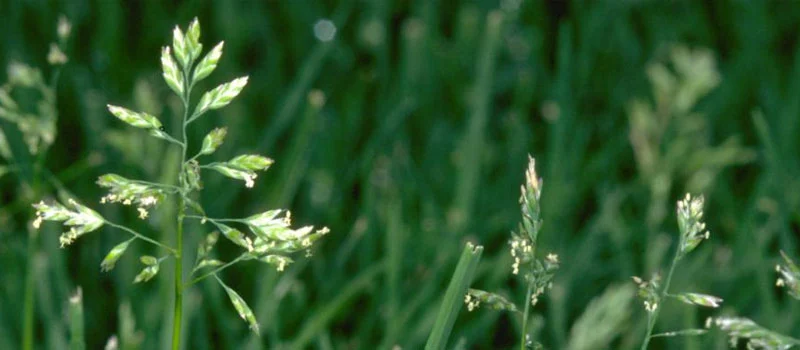
Understanding Imazamox and Its Role in Aquatic Plant Management
Taking care of plants in and around water offers special problems that need unique pesticide answers. Marine weeds that spread quickly can damage natural rivers, drainage systems, and irrigation channels by blocking water flow and changing the environment in which marine life lives. Most of the time, traditional pesticides aren't selective enough to get rid of these weeds without hurting other plants or marine life.
Mechanism of Action in Aquatic Environments
Because it is an imidazolinone, this ALS inhibitor doesn't work the same way as contact pesticides. The active ingredient gets into plant cells through the root systems and the leaf surfaces after it is applied. It goes through the xylem and phloem routes to get to the meristematic tissues, which are where cells divide. It stops the production of proteins and cells from growing by stopping the production of valine, leucine, and isoleucine, which are branched-chain amino acids. Weeds that are susceptible stop growing within hours, but the signs may not show up for a few days.
The systemic nature gives complete control of perennial plants with thick root systems, which is very helpful in watery areas where regrowth from buried rhizomes is common. Rates of application are usually between 0.032 and 0.05 lb per acre, but they vary with the species being targeted and the stage of growth. This low use rate lowers the amount of chemicals that get into sensitive water environments while still controlling them well.
Target Species and Spectrum of Control
Flowering rush, water primrose, purple loosestrife, and other emerging broadleaf species are examples of watery and semi-aquatic plants that are affected by this chemistry. It also takes care of weeds that grow on land that get into waterways and along canal banks. These include nightshade, velvetleaf, kochia, and biennial grasses like foxtail. Because it is selective, it can be used on nearby tolerant crops, especially legumes like alfalfa, dry beans, and soybeans, which are naturally tolerant or have been bred to be compatible through Clearfield® production methods.
Knowing which species react to treatment helps buying teams choose the right products for the problems they're facing with vegetation. This keeps applications from going to waste and keeps costs down.
Environmental Profile and Ecological Safety
Getting permission from the government to use water shows that the environment is good. Studies on toxicity show that fish, aquatic animals, and birds are not at high risk when the product is used according to the directions on the label. The chemicals break down in soil and silt due to microbes, and the half-lives depend on the pH and wetness levels. Degradation happens faster in acidic settings and slower in alkaline ones. This is an important thing to keep in mind when planning when to apply and how to handle leftovers.
Compared to older chemicals, this selective pesticide is safer for species that aren't its target. People who work in procurement who are looking for environmentally friendly solutions will find that this profile fits with the goals for sustainability and the regulatory compliance needs that clients and government agencies are making more and more.
Application Best Practices and Safety Guidelines for Imazamox in Water-Adjacent Areas
To get good results, you need to follow tried-and-true steps that protect water quality and species that aren't the goal. When purchasing this science, procurement teams should make sure that their application partners or end users know about these important rules.
Timing and Application Rates
Post-emergence application works best when the weeds being targeted are in an active growth stage, which usually means that the plants have enough leaf area for the pesticide to stick to. When applied early in the season to young, actively growing weeds, lower rates are needed, and results are seen faster than when applied to older, stressed plants. Plant metabolism and pesticide uptake are also affected by the temperature of the water. For best control, applications should be made when the weather is warm, and plants are busy photosynthesising.
Hontai offers technical formulations of imazamox at a 4% concentration in both emulsion (EW) and soluble liquid (SL) forms, which gives you choices in the tools you use and the adjuvants you choose. The EW recipe has surfactants built in that help the treatment get deeper into the leaves through waxy cuticles. This is especially helpful when treating mature water plants with thick leaf coverings.
Water Movement and Residue Management
When you treat moving water, you need to think about how it will affect other areas. Environmental toxicity is still low, but following the labelled setback lengths from drinking water sources and sensitive environments is important to stay in line with the law. When the pesticide is applied, one should take into account when it will be watered so that the plants have enough time to be exposed to it before watering lowers the concentration below what is needed for effectiveness.
Conditions in the surroundings affect how long residues last. In still pools of water, breakdown happens through microbial activity. Under ideal conditions, levels usually drop below what can be detected within a few weeks. Keeping an eye on the pH and temperature of the water helps predict how long something will last and helps with decisions about crop rotation and water use limits.
Resistance Management Strategies
ALS-inhibiting pesticides can become less effective if they are used over and over again without being rotated. Integrated weed management programmes use a variety of methods, such as mechanical control and natural techniques, to keep weeds from becoming resistant. Herbicides from different chemical groups, like glyphosate or auxin mimics, can be used together to make all of them last longer.
Procurement teams should teach end users about the risks of resistance and promote a variety of weed control methods. Suppliers who give expert help and resistance monitoring services are worth a lot more than just delivering products.
Operator Safety and Regulatory Compliance
When working with any pesticide, you need to wear the right safety gear, like gloves, eye protection, and protective clothes. Even though this chemical is not very harmful in the short term, it is still important to avoid skin and breathing contact. The way a product is stored affects how stable it is. Keeping packages in cool, dry places out of direct sunlight stops them from going bad and increases their shelf life.
Different areas have different rules about following neighbourhood rules. In some places, you need to be licensed as an agent and send alerts before or after the application. People who are in charge of buying things should make sure that the sellers they work with give them all the necessary legal paperwork, like safety data sheets and application guides that are made to fit local needs.
Comparing Imazamox with Alternative Herbicides for Aquatic Plant Control
To choose the best pesticide, you have to look at more than just how well it kills weeds. When making product portfolios, procurement experts have to find a balance between effectiveness, safety, cost, and caring for the environment.
Efficacy Against Broadleaf and Grass Weeds
This chemistry is more specific than glyphosate, which kills all plants, so it can be used near sensitive foods and desired plants. Glyphosate has a wider range of effects, but it can hurt plants that aren't its target, which limits its use in complex farming areas. Selectivity is the most important thing to think about when getting rid of weeds in places that grow legumes or near Clearfield crops.
Imazethapyr is another imidazolinone that works in a similar way but has different properties for staying in the soil. Its longer residual action is good for cases where weed control needs to last longer, but it increases the risk of damage to sensitive rotational crops. Because this relationship doesn't last as long, it's better in situations where food rotation is important.
Environmental Impact and Aquatic Safety
2,4-D and other auxin pesticides kill a lot of similar broadleaf species, but they are more harmful to marine life, so they can't be used near bodies of water. The fact that this ALS inhibitor is not harmful to fish or animals makes it a good choice for use in water and along rivers. When you choose chemicals that have a history of being safe, the environmental reviews and permit processes go more easily.
Copper-based algaecides, such as Imazamox 98% TC 4% SL, kill different kinds of plants, mostly watery plants and algae that live underwater, but they can hurt the quality of water in places with soft water. When you carefully combine these tools, you can meet all of your vegetation control needs while minimising the weaknesses of each individual product.
Cost Efficiency and Application Flexibility
Low application rates mean lower costs per acre, which is important for big businesses that are in charge of large irrigation systems or river networks. Being able to use application tools from the air, the ground, or the water increases operating flexibility. Different types of sprayers and adjuvant plans can be used with the different formulation choices, such as EW and SL concentrates.
When procurement teams look at the total cost of ownership, they should not only look at the price of the product but also how much it costs to use, how often it needs to be treated, and how much it costs to comply with environmental laws. Even though they cost more per unit, products that are used less often or in smaller amounts often offer better total value.
Procurement Considerations: Sourcing High-Quality Imazamox for Plant Management
Reliable supply lines make sure that products always work the same way and that operations are interrupted as little as possible. People who work in procurement have to make tough buying choices that affect both short-term working needs and long-term business relationships.
Supplier Authentication and Quality Verification
Fake and poor-quality agrochemicals are very dangerous because they give mixed effects and could be against the law. To make sure that providers are real, you need to check their manufacturing qualifications, quality certifications, and government registrations. Manufacturers with a good reputation use ISO quality control systems and give third-party analysis papers that prove the purity and amount of active ingredients.
Hebei Hontai Biotech Co., Ltd. is a good example of a reliable supplier because they give scientific-grade concentrations that are 98% pure and products that have been made with specific concentrations. Our quality control procedures are based on CIPAC and FAO standards. This makes sure that each batch is the same, which is what field users need. Before making large purchases, asking for safety data sheets, product labels, and proof of government approval can help you make sure the product is real.
Logistics and Storage Requirements
Buying in bulk can save you money, but you need to make sure you have enough space to store the goods. Keeping the right storage conditions—cool temps, low humidity, and shade from direct sunlight—ensures that the product stays stable during storage. When moisture gets in, it leads to hydrolytic breakdown, which lowers the content of active ingredients and lowers field performance.
Shipping management must take into account the rules that guide transporting dangerous goods. Working with providers who have experience trading agrochemicals internationally makes sure that all packing, labelling, and paperwork rules are followed. Our company handles all aspects of logistics, making sure that shipping plans work with yearly application windows and that there are no supply gaps during important treatment times.
Customisation and OEM Opportunities
Formulations and packages that are made just for an operation's needs are more effective. With private-label programmes, wholesalers can build brand recognition while using production know-how that already exists. Different customers have different needs, so there are a lot of different packaging choices. These range from small containers for retail stores to bulk totes for business applicators.
Hontai provides OEM services that include changing the recipe, creating unique packaging, and helping new companies get approved by the government for Imazamox 4% EW. With these services, procurement teams can make their products stand out and meet unique customer needs without having to spend money on production facilities.
Conclusion
Herbicides that selectively kill aquatic plants while saving water quality and animals that aren't intended to be killed are needed for effective aquatic plant management. Imazamox is a useful tool for controlling unwanted aquatic and semi-aquatic plants because it works on multiple levels and is safe for the environment. Professionals in procurement have to look at best practices for applications, compare different options, and choose providers who offer high-quality products with good technical support and reliable shipping. By knowing about these things, you can make smart choices that combine operational efficiency with environmental duty and following the rules.
FAQ
1. How long does it take to see results after application?
Symptoms that can be seen usually show up 7–14 days after treatment, but plants that are vulnerable stop growing within hours of absorbing the chemical. Systemic action affects all plant cells, so it may take a few weeks to completely control permanent plants with deep roots. The speed at which symptoms appear depends on factors in the environment, especially the temperature and the stage of plant growth.
2. Is this chemistry safe for fish and aquatic wildlife?
Studies show that fish, aquatic invertebrates, and birds are not at high risk when the product is used according to the directions on the box. Environmental safety data that supports approvals for water uses show that the risks are acceptable when used correctly. By keeping setback lengths that are labelled and following application rate guidelines, you can protect aquatic environments and get rid of weeds effectively.
3. What strategies help prevent herbicide resistance?
It takes longer for weeds to become resistant when different types of pesticides are used, mechanical control methods are added, and different weed management plans are kept up to date. Long-term success is maintained by not using ALS inhibitors over and over again without rotating them. Keeping an eye on weed populations to see which ones are becoming less resistant and changing management methods properly helps keep control working well through multiple growing seasons.
Partner with a Trusted Imazamox Supplier
Hebei Hontai Biotech Co., Ltd. provides reliable herbicide solutions that are tailored to the problems that farm producers and wholesalers around the world face with aquatic plants. Our technical formulations, such as Imazamox 98% TC and 4% formulated goods, meet strict quality standards that are proven by thorough testing methods. We help business-to-business clients by offering a range of customisation choices, quick and easy global shipping, and professional expert support that goes beyond just delivering products.
Email our team at admin@hontai-biotech.com to talk about how to best take care of your water plants. Our experienced sales and technical support staff are here to help you, whether you need large amounts for large-scale activities or custom recipes for specific uses. They will respond quickly to your needs and meet them. Find out why farming companies around the world choose Hontai as their top herbicide producer for reliable quality and complete support.
References
1. Shaner, D.L. (2014). "Herbicide Handbook: Imidazolinone Herbicides." Weed Science Society of America, Tenth Edition.
2. United States Environmental Protection Agency (2018). "Aquatic Use Herbicides: Environmental Fate and Ecological Risk Assessment."
3. Tan, S., Evans, R.R., Dahmer, M.L., Singh, B.K., and Shaner, D.L. (2005). "Imidazolinone-Tolerant Crops: History, Current Status, and Future." Pest Management Science, Volume 61, Issue 3.
4. Canadian Water Quality Guidelines for the Protection of Aquatic Life (2020). "Herbicide Residues in Freshwater Ecosystems."
5. Heap, I. (2021). "The International Survey of Herbicide Resistant Weeds: ALS Inhibitor Resistance Management Strategies."
6. FAO Specifications and Quality Control for Agricultural Pesticides (2016). "Technical Grade and Formulated Product Standards for Imidazolinone Herbicides."
Our customers’ satisfaction speaks for our quality — contact us to experience the same reliable service.