- English
- French
- German
- Portuguese
- Spanish
- Russian
- Japanese
- Korean
- Arabic
- Greek
- German
- Turkish
- Italian
- Danish
- Romanian
- Indonesian
- Czech
- Afrikaans
- Swedish
- Polish
- Basque
- Catalan
- Esperanto
- Hindi
- Lao
- Albanian
- Amharic
- Armenian
- Azerbaijani
- Belarusian
- Bengali
- Bosnian
- Bulgarian
- Cebuano
- Chichewa
- Corsican
- Croatian
- Dutch
- Estonian
- Filipino
- Finnish
- Frisian
- Galician
- Georgian
- Gujarati
- Haitian
- Hausa
- Hawaiian
- Hebrew
- Hmong
- Hungarian
- Icelandic
- Igbo
- Javanese
- Kannada
- Kazakh
- Khmer
- Kurdish
- Kyrgyz
- Latin
- Latvian
- Lithuanian
- Luxembou..
- Macedonian
- Malagasy
- Malay
- Malayalam
- Maltese
- Maori
- Marathi
- Mongolian
- Burmese
- Nepali
- Norwegian
- Pashto
- Persian
- Punjabi
- Serbian
- Sesotho
- Sinhala
- Slovak
- Slovenian
- Somali
- Samoan
- Scots Gaelic
- Shona
- Sindhi
- Sundanese
- Swahili
- Tajik
- Tamil
- Telugu
- Thai
- Ukrainian
- Urdu
- Uzbek
- Vietnamese
- Welsh
- Xhosa
- Yiddish
- Yoruba
- Zulu
What is Quizalofop-P ethyl used for?
share:
The aryloxyphenoxypropionate family of herbicides includes Quizalofop-p-ethyl, a highly selective post-emergence pesticide. This systemic pesticide kills both annual and perennial grass weeds in broadleaf crops like wheat, cotton, soybeans, and peanuts. When applied to the leaves of weeds, it is absorbed by the weeds and moves through the plant, going after ACCase enzymes that are important for making fatty acids. This kills the weeds and protects the crop. As a strategic tool, it can be used to control grasses without hurting dicotyledonous plants.

Introduction
Precision weed control solutions that increase crop output without harming the environment are needed in today's farming activities. Quizalofop-p-ethyl has become a mainstay herbicide for business farmers and agrochemical dealers who want to effectively get rid of grassy weeds in a wide range of farming systems. This guide is for large-scale farmers who are in charge of hundreds to thousands of hectares of land, agrochemical sellers who want to add more products to their lines, and farming service providers who need tried-and-true formulas.
Herbicide goods that consistently work, follow rules, and are cost-effective are becoming more and more valuable in the market. More and more pressure is being put on procurement workers to find agrochemicals that meet strict safety standards and work well in the field. It's important to understand technical specs, application factors, and supply chain issues in order to make smart buying choices. This in-depth look gives people who make decisions useful information about where to get this selective herbicide, how to use it, and how to include it in industrial weed control plans.
Understanding Quizalofop-P-Ethyl: Chemical Nature and Mode of Action
Chemical Structure and Formulation Properties
This aryl phenoxypropionic acid derivative is described by the molecular formula C₁₉H₁₇ClN₂O₄. It is made as an ethyl ester to make it more absorbent. The letter "P" stands for the optically active R-enantiomer, which has about twice as much biological activity as racemic mixes. This stereochemical improvement lets lower application rates stay efficient while still controlling things. 95% technical concentrate (TC), 5% emulsifiable concentrate (EC), 10% emulsifiable concentrate, 12.5% emulsifiable concentrate, and 20% emulsifiable concentrate are all forms that are available. Each is made for a specific use case and mixing need.
How well a chemical works in different pH settings and temperature ranges is affected by how it is stored and how well it works in the field. The compound stays in the earth for a reasonable amount of time, but it usually breaks down within 20 to 40 days thanks to photolysis and microbes. This degradation profile strikes a good mix between getting rid of weeds effectively and leaving behind little to no damage. It also addresses environmental safety concerns that are necessary for regulatory approval across foreign markets.
Mechanism of Weed Elimination
When the active ingredient comes into contact with grass or weed leaves, it goes through the leaf cuticles and into the plant's circulatory system. Translocation can happen both up and down; it can go to root systems and rhizomes or up to actively growing shoot cells. The pesticide stops acetyl-CoA carboxylase from working, which is an enzyme needed for making lipids in cell walls. This metabolic disruption stops meristem growth in 48 hours, but it may take 10–21 days for chlorosis and necrosis to become obvious as the chemical gets to underground storage organs.
Selectivity comes from the fact that monocotyledonous and dicotyledonous plants have different metabolic rates. Broadleaf plants quickly get rid of the chemical using enzymes, which stops damage to cells. These defences are missing in grass species, leaving them open to problems with fatty acid production. Because of this biochemical sensitivity, over-the-top treatments can be made on sensitive crops without causing phytotoxicity, which is a big plus for high-value veggie and oilseed production systems.
Environmental and Safety Profile
According to tests, this pesticide is relatively harmful to marine life, so buffer zones must be set up near bodies of water when it is being used. The toxicity to mammals is still low, with LD50 numbers showing that there aren't many acute risks when safety measures are followed. Field applicators can reduce the risks of their jobs by wearing the right safety gear, such as gloves, protective glasses, and masks for breathing while mixing.
Regulatory systems in the US and foreign markets require Quizalofop-p-ethyl-treated crops to be treated at certain times before harvest and with a maximum amount of residue. Compliance paperwork, like Material Safety Data Sheets and environmental effect studies, is an important part of purchase packages. When suppliers offer full legal support, it makes it easier for wholesalers to get permission to enter new markets.
The Weed Control Spectrum and Application Guidelines
Target Weed Species and Crop Compatibility
This selective pesticide does a great job of getting rid of a wide range of grass weeds, such as crabgrass (Digitaria species), wild oats (Avena fatua), foxtails (Setaria species), and recurring problems like johnsongrass (Sorghum halepense) and quackgrass (Elytrigia repens). When used at the best times for growth, control works 90–95% of the time, getting rid of the weeds that hurt crop output the most in plant systems.
Soybeans, cotton, peanuts, sunflowers, rapeseed, sugar beetroots, and many types of vegetables can all use crop safety profiles. Because it can be used on a lot of different crops, this pesticide is ideal for farms with a wide range of crops and agrochemical wholesalers who serve a wide range of customers. It is still very important to avoid applying it to grass crops like corn, wheat, rice, or turf in order to keep crops from getting hurt.
Dosage Recommendations and Application Timing
Rates of application are usually between 40 and 120 grammes of active ingredient per hectare but can change depending on the type of weed, its stage of growth, and the weather. When sprayed when the grass has two to five leaves, lower rates (40 to 60 g/ha) are needed for annual species. Higher rates (80 to 120 g/ha) are needed for perennial species when the weeds are 15 to 30 cm tall and actively growing.
Spray amounts of 200 to 300 litres per acre are enough to cover the area, and droplets that are fine to medium in size make the best contact with the leaves. Adding vegetable oil extracts or non-ionic surfactants at 0.25-0.5% v/v improves cuticle penetration and rainfastness within 1 to 3 hours of application. Herbicides work best when they are not applied during drought stress, high heat above 30°C, or when weeds are blooming.
Resistance Management and Integrated Approaches
When ACCase inhibitors are used over and over, they cause selection pressure that favours weed biotypes that are resistant. Rotating with herbicides that work in different ways, like ALS inhibitors, PPO inhibitors, or synthetic auxins, slows down the growth of tolerance. Tank-mixing with complementary pesticides expands the range of weeds that can be controlled, but it's important to make sure that they don't work against each other. This is especially important when using synthetic auxins like 2,4-D or dicamba, which may make grass control less effective.
Integrated weed management uses both chemical and cultural methods to control weeds. Cultural methods include crop rotation, cover crops, competitive crop types, and planning when to till the soil. This all-around method lowers the need for herbicides while maintaining weed control levels. When procurement teams back these tactics, they set up their clients for long-term productivity gains that will last.
Comparing Quizalofop-P-Ethyl with Alternative Herbicides
Clethodim and Sethoxydim
The ACCase inhibition method is the same for all of these cyclohexanedione pesticides, but their chemical structure and how they are used are different. Clethodim controls a wider range of grasses, including some annual bluegrass, while sethoxydim causes symptoms to show up more quickly. Both need to be applied at higher rates (90–280 g/ha) than Quizalofop-p-ethyl formulations, which changes the cost of treatment per hectare. Cyclohexanediones tend to be better at mixing with plant pesticides, which gives you more options when working with other chemicals.
Clethodim has a shorter half-life in soil (5–28 days) than sethoxydim (5–25 days), which is about the same as the rate at which Quizalofop-p-ethyl 5% EC breaks down. Choosing between these options depends on the type of weeds that are present, how sensitive the crop is, and the resistance patterns found in the area through agronomic study.
Fluazifop-P-butyl
Another aryloxyphenoxypropionate pesticide, fluazifop, works in the same way as quizalofop-p-ethyl and has a similar structure. It is made as a butyl ester, though. The control spectrum and selectivity patterns are very similar, but there are small changes in how fast they move and how well they resist rain. When it comes to annual species, fluazifop usually shows symptoms a little faster (7–14 days to noticeable necrosis) than Quizalofop-p-ethyl (10–21 days).
Choosing between these chemically similar choices is often based on cost and availability in the area. Having approved sources for both compounds is helpful for procurement workers because it gives them options when there are problems in the supply chain or price changes that affect reliance on a single source.
Glyphosate
Glyphosate is a broad-spectrum pesticide that doesn't pick on specific plants. It kills both grasses and broadleaves by blocking the EPSPS enzyme. In contrast to Quizalofop-p-ethyl's post-emergence niche, it is very useful for pre-plant burndown treatments or genetically modified herbicide-resistant crop systems. Many common weeds are now resistant to glyphosate, which has increased the need for new chemicals like aryloxyphenoxypropionates that can get around these resistance mechanisms.
When you mix glyphosate (in crops that are immune to it) with specific grass herbicides, you get better control over a wide range of weeds. This relationship of mutual support, rather than direct competition, determines where buying packages for different cropping methods stand in the market.
Procurement and Supply Chain Considerations
Supplier Evaluation and Quality Assurance
When choosing a supplier, you should give more weight to companies that can consistently show that their technical concentrate is pure above 95%, as confirmed by independent HPLC or GC tests. Compliance risks for wholesalers and end users are lower when suppliers offer full paperwork packages that include certificates of analysis, MSDS, regulatory approvals for target markets, and stability data.
Certifications for manufacturing facilities like ISO 9001 for quality management and ISO 14001 for environmental standards show that the facility runs well and can reliably supply goods. Audit lines that show where raw materials came from, production batch records, and quality control checkpoints build trust in the consistency of the product, which is important for its success in the field.
Bulk Purchasing and OEM Partnerships
Long-term supply deals help large-scale farm growers and distributors get better prices, make sure they have enough during busy times, and get exactly what they need for formulation. For bulk technical concentrate, the smallest amount that can be ordered is usually between 1 and 5 metric tonnes. For prepared goods, the smallest amount that can be ordered is between 500 and 1000 litres.
Distributors can make their own brand-name products by using special formulas, supplement packages, or niche crop registrations. This is possible through OEM and private-label agreements. Custom packing choices, such as 100 ml sachets for small-scale markets and 200-litre drums for industrial use, meet the needs of a wide range of customers. In regional markets, negotiating flexible labelling, bottle types, and percentage changes gives you an edge over your competitors.
Logistics and Inventory Management
For international shipping, you have to follow the UN's rules about what is considered a hazardous material (usually Class 9 for environmental risks). This means you need to make sure you have the right paperwork, follow the rules for packing, and choose a company that has experience transporting agrochemicals. For sea freight, lead times from Asian production hubs to North America or Europe are usually between 30 and 45 days. This means that you need to plan ahead and make sure that your application dates are aligned.
Inventory plans weigh the costs of keeping Quizalofop-p-ethyl 5%EC items in stock against the risk of running out during busy application times in the spring and summer. When it comes to seasonal farm markets, distributors usually keep enough stock to last for two to three months, taking into account the products' shelf life (which is usually two years for EC formulations when stored properly at 0 to 35°C).
Conclusion
Quizalofop-p-ethyl is an important herbicide for controlling grass weeds in green crop systems because it selectively blocks ACCase, moves to root systems, and doesn't harm high-value crops. Its technical specs, which include different concentration formulas ranging from 5% EC to 95% TC, make it suitable for a wide range of uses, from large-scale grain production to specialised veggie operations. The success of procurement relies on how well suppliers can ensure quality, follow regulations, provide reliable logistics, and place themselves in the market. To make smart buying choices that fit a client's agronomic needs and budget, it's important to know the application parameters, resistance control strategies, and compare benefits against other herbicides. As environmental sustainability becomes more important to regulators and resistance issues get worse, this selective herbicide is still very important for weed control programmes that help farms be efficient and make money.
FAQ
1. What crops can be safely treated?
It is possible to apply to soybeans, cotton, peanuts, wheat, sunflowers, sugar beetroots, potatoes, peppers, and many different types of vegetables. Avoid touching grass crops like corn, wheat, rice, sorghum, and turfgrass at all costs. They will get very sick if you do. Check the area registration marks to see which crops are approved and when they can be used.
2. How long before the harvest can it be applied?
Pre-harvest gaps are different for each crop and area, but they are usually between 30 and 90 days, based on the formulation and rate of application. Testing for residues makes sure that the highest residue guidelines set for food safety are being followed. Teams in charge of buying things should make sure that sellers give them all the residue data they need to meet the needs of foreign markets.
3. Can resistance be reversed once established?
Weeds that are resistant to herbicides have changed their genes, and chemicals can't make them change back. Rotation, tank mixing, and other integrated methods are used by management to focus on avoidance. For confirmed cases of resistance, different pesticides must be used along with cultural treatments to lower the number of resistant plants over several growing seasons.
Partner with Hontai for Reliable Herbicide Solutions
Quizalofop-p-ethyl supplier Hebei Hontai Biotech Co., Ltd. is dedicated to providing industrial farmers and wholesalers worldwide with high-quality agrochemical options. At 95% TC, the purity of our technical concentrate meets worldwide standards. We offer emulsifiable concentrate forms with 5% EC, 10% EC, 12.5% EC, and 20% EC choices to meet the needs of a wide range of applications. We offer full regulatory paperwork, flexible package customisation, and OEM services to help with private-label development.
Our skilled sales team can answer any questions you have about weed spectrum, give you advice on when to apply the product, and help you come up with resistance management methods that work in your area. Fast global operations make sure that supply lines work well to meet the seasonal needs of agriculture. Send an email to admin@hontai-biotech.com to talk about buying in bulk, technology requirements, and unique solutions that meet your business's needs.
References
1. Senseman, S.A. (2007). Herbicide Handbook, 9th Edition. Weed Science Society of America, Lawrence, Kansas.
2. Heap, I. (2023). The International Herbicide-Resistant Weed Database. Weed Science Society of America.
3. Vencill, W.K., Nichols, R.L., Webster, T.M., et al. (2012). Herbicide Resistance: Toward an Understanding of Resistance Development and the Impact of Herbicide-Resistant Crops. Weed Science, 60(SP1), 2-30.
4. Tomlin, C.D.S. (2009). The Pesticide Manual, 15th Edition. British Crop Production Council, Hampshire, UK.
5. Shaner, D.L. (2014). Herbicide Handbook, 10th Edition. Weed Science Society of America, Lawrence, Kansas.
6. European Food Safety Authority (2018). Peer review of the pesticide risk assessment of the active substance quizalofop-P. EFSA Journal, 16(1), 5136.
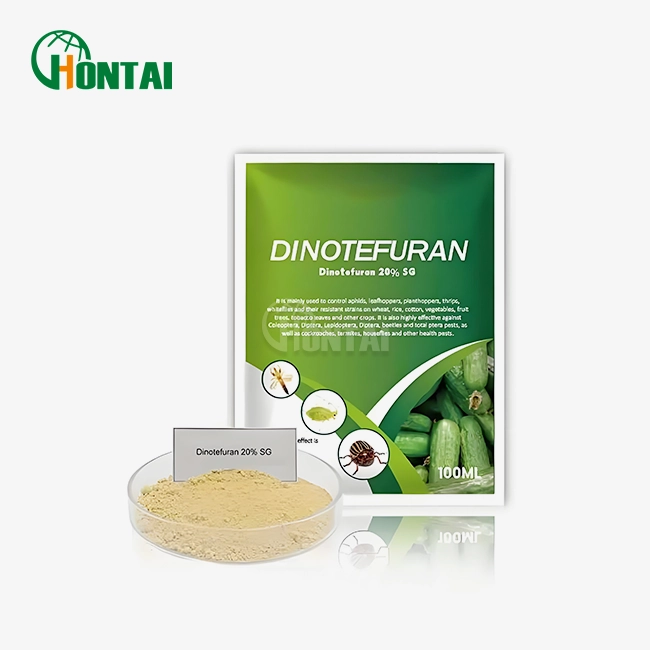

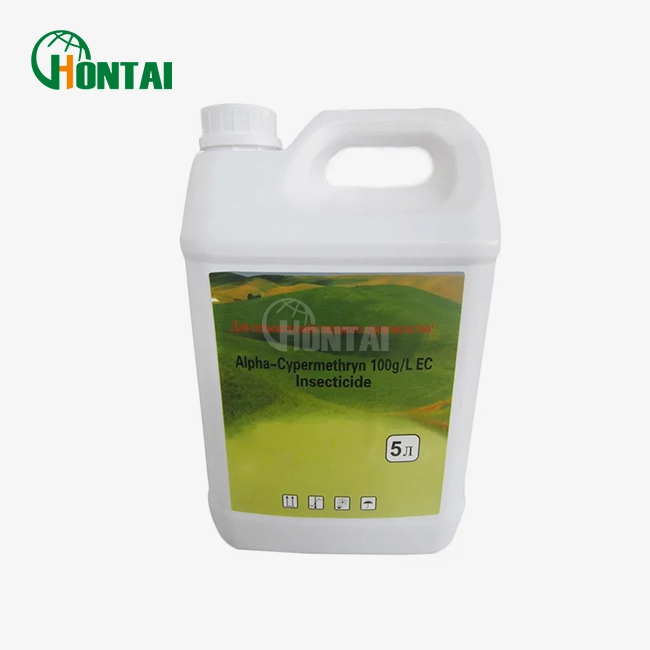
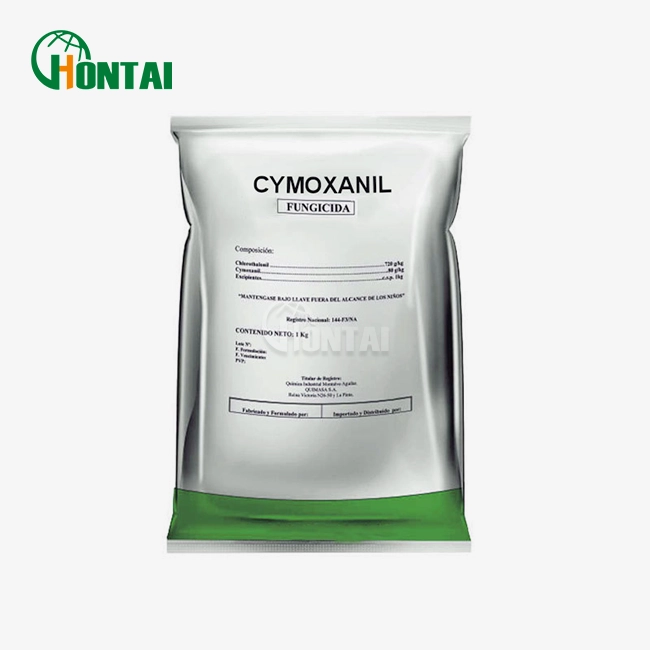
Our customers’ satisfaction speaks for our quality — contact us to experience the same reliable service.