- English
- French
- German
- Portuguese
- Spanish
- Russian
- Japanese
- Korean
- Arabic
- Greek
- German
- Turkish
- Italian
- Danish
- Romanian
- Indonesian
- Czech
- Afrikaans
- Swedish
- Polish
- Basque
- Catalan
- Esperanto
- Hindi
- Lao
- Albanian
- Amharic
- Armenian
- Azerbaijani
- Belarusian
- Bengali
- Bosnian
- Bulgarian
- Cebuano
- Chichewa
- Corsican
- Croatian
- Dutch
- Estonian
- Filipino
- Finnish
- Frisian
- Galician
- Georgian
- Gujarati
- Haitian
- Hausa
- Hawaiian
- Hebrew
- Hmong
- Hungarian
- Icelandic
- Igbo
- Javanese
- Kannada
- Kazakh
- Khmer
- Kurdish
- Kyrgyz
- Latin
- Latvian
- Lithuanian
- Luxembou..
- Macedonian
- Malagasy
- Malay
- Malayalam
- Maltese
- Maori
- Marathi
- Mongolian
- Burmese
- Nepali
- Norwegian
- Pashto
- Persian
- Punjabi
- Serbian
- Sesotho
- Sinhala
- Slovak
- Slovenian
- Somali
- Samoan
- Scots Gaelic
- Shona
- Sindhi
- Sundanese
- Swahili
- Tajik
- Tamil
- Telugu
- Thai
- Ukrainian
- Urdu
- Uzbek
- Vietnamese
- Welsh
- Xhosa
- Yiddish
- Yoruba
- Zulu
What is fludioxonil?
share:
Fludioxonil is a broad-spectrum pesticide that doesn't affect the whole plant. Fludioxonil is now an important part of managing diseases in agriculture. This phenylpyrrole molecule, which has the chemical formula C12H6F2N2O2 and the CAS number 131341-86-1, stops the transport-associated phosphorylation of glucose in fungus cells. This slows down the growth of mycelium. A lot of grains, fruits, veggies, and decorative plants are treated with this active ingredient, which kills chronic pathogens like Fusarium, Rhizoctonia, Alternaria, and Botrytis cinerea. Because of how it works, it is an important part of crop safety systems all over the world.
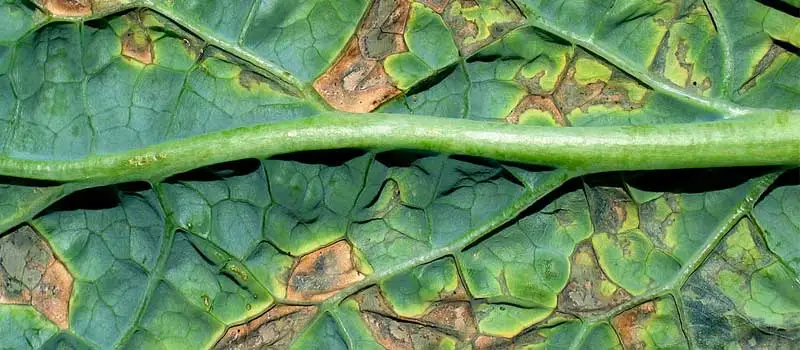
Understanding Fludioxonil: Chemical and Functional Overview
Chemical Composition and Molecular Structure
This pesticide is made up of a phenylpyrrole backbone, which is physically similar to the natural antibiotic pyrrolnitrin. In contrast to systemic fungicides, which work by moving through plant cells, this substance stays on areas that have been treated, protecting them from touch. The chemical structure has fluorine atoms that make it more stable and long-lasting in the environment. This helps the protective effect last longer on seeds and plant surfaces.
Environmental Impact and Safety Profile
The substance will break down gradually due to bacterial activity over a few weeks. The chemical maintains stable movement characteristics in dirt. This excellent environmental compatibility fits modern agricultural production standards. Standard safety gear, like gloves, long sleeves, and eye protection, should be worn by applicators while mixing and pouring. When it comes to mixture type and crop, re-entry times are usually between 12 and 24 hours. The product features user-friendly application attributes and compliant application specifications.
Fludioxonil Usage and Application Guidelines
Application Methods for Different Crop Types
A lot of people use seed treatment as an application method. Flowable concentrate mixtures, such as 25g/L FS, are used to cover veggie seeds, corn, soybeans, and cereal grains before they are planted. Fungicides are mixed with colorants, Fludioxonil 25%wg, and plastics by commercial seed treaters to make sure that the seeds are evenly covered. Depending on the number of pathogens and how sensitive the crop is, the treatment rate is usually between 20 and 50 grams of active ingredient per 100 kilograms of seed. Foliar applications on ornamentals and turf grasses utilize suspension concentrate (SC) or wettable powder (WP) formulas. Sprayers put 50 to 150 grams of the active ingredient per field, but this amount can change based on the number of diseases and the stage of plant growth. By adding adjuvants to the tank mix, the leaves stick to the mixture better and stay dry in the rain. Because the substance can't cure diseases that are already there, it's best to use it as a preventative measure before symptoms show up.
Dosing, Timing, and Frequency Best Practices
For maximum effectiveness, treatment time must match the life cycle of the virus. To keep the protection effects going during sprouting, seeds should be treated within a few weeks of being planted. Post-harvest treatments must be done before the food is put in cold storage so that infections don't form during long storage times. When sprayed every 7 to 14 days during wet weather, which is good for fungus growth, foliar sprays offer the best defense. As part of managing resistance, fungicides must change how they work from time to time. This chemical is in FRAC Group 12, so mixing it with triazoles from Group 3, carboxamides from Group 7, or strobilurins from Group 11 keeps its long-term effectiveness. Fungal populations are less likely to be wiped out when they are mixed with partners that offer different biological targets. Bioassays in the lab that check for pathogen sensitivity let farmers know about new resistance problems before they happen in the field.
Comparing Fludioxonil with Other Fungicides
Efficacy Against Common Fungal Diseases
Captan, a multi-site contact fungicide, has a wider range of effects but needs to be used more often because it stays active for shorter amounts of time. It works really well to protect stone fruits from brown rot, but it's not as good at treating seeds like phenylpyrrole chemistry is. Chlorothalonil is a cheap, broad-spectrum herbicide that can be used on both veggies and grass. Azoxystrobin and other strobilurin fungicides work by moving through the body and killing fungus in ways that touch chemicals can't. However, strobilurin isn't very successful in many places because Botrytis and Alternaria populations are generally resistant to it. When you mix systemic and contact fungicides, you get strong programs that take advantage of each other's strengths, such as Fludioxonil 25%wg, while keeping resistance risks in check.
Compatibility with Integrated Pest Management Programs
Treatment options are increased when tank mixes are compatible. Physical compatibility tests in lab jars show that it is safe to use with most insecticides, herbicides, and liquid fertilizers used in farming. Chemicals that are strongly alkaline sometimes don't work well with each other, so the pH needs to be changed, or different treatments need to be made. For better resistance management, this pesticide should be used alternately with biorational products like Bacillus subtilis and Trichoderma species. These products kill diseases by competing with them and making plants defend themselves. Synthetic phenylpyrrole fungicides can't be used in organic farming. As substitutes, copper-based goods, sulfur dusts, and biological agents can be used. Transitional farmers often stop using manufactured inputs for a few seasons. This helps the soil stay healthy and builds up populations of good microbes that naturally lower the number of diseases that happen.
Procurement Insights: Buying and Supplying Fludioxonil
Identifying Reliable Global Suppliers
When purchasing pesticide active ingredients, procurement managers have to make important decisions about which suppliers to choose. Well-known companies have strict quality control methods that make sure that each batch is the same. Shipments come with Certificates of Analysis that prove the purity of the active ingredient, which is usually 95% technical concentrate for formulation plants or made goods ranging from 12% SC to 50% WP, based on the needs of the end user. Chinese makers, including those in Hebei, sell advanced materials and finished goods at prices that are competitive. To check a supplier's qualifications, you need to look at their business licenses, approvals for their production facilities, and their export history. Site audits check the ability to make things, the conditions of keeping, and the quality control methods. Long-term partnerships form when providers show they can meet shipping dates, provide quick technical support, and be flexible when it comes to changing formulas or packing arrangements.
Evaluating Bulk Purchase Pricing and Terms
When you buy in bulk, the price per unit goes down because of volume pricing. When you buy 1000 kilograms or more of technical concentrate, you usually get better prices than when you buy smaller amounts of prepared products. Payment terms range from letters of credit for new suppliers to net-30 or net-60 day terms for known accounts whose reliability has been checked. Logistics of shipping have a big effect on landing costs. Compared to less-than-container shipping, container loads have lower freight costs per kilogram. Ocean freight from Asian ports to places in the United States takes fludioxonil sc three to five weeks to get there. This means that you need to plan ahead to make sure you have enough inventory during busy application times. Air freight choices speed up delivery for orders that need to be there quickly for high-value or time-sensitive scenarios.
Benefits of Using Fludioxonil in Modern Agriculture
Enhancing Crop Health and Post-Harvest Quality
Controlling diseases directly leads to higher amounts and better quality that can be sold. Protected cereal crops from Fusarium diseases that spread through seeds have bigger seedlings, better stand development, and higher grain test weights when they are harvested. When fruit is treated after it has been picked, it keeps its stiffness and good looks throughout the delivery chain. This cuts down on shrinkage losses that hurt growers' and marketers' profits. Studies of the economy show that investing in fungicides pays off. In places with a lot of diseases, seed treatments that cost $5 to $15 per hectare keep crop losses from going over 10%. Post-harvest treatments, which cost between $0.02 and $0.05 per kilogram of fruit, stop rot that would otherwise make 5 to 15 percent of the crop unsellable. When constant quality builds a business's image and lets it charge higher prices, these economic benefits grow.
Supporting Sustainable Agricultural Practices
Goals for sustainability are met by incorporating all-around crop management methods. Less frequent applications than with older fungal chemicals mean less fuel use and machine wear. Compatibility with biological control products protects useful organisms that help get rid of pests naturally. Resistance control and good care can make effective fungicides last longer. Rotating modes of action and following suggested application rates maintains stable activity of disease populations. This method looks to the future and finds a balance between short-term production needs and long-term fludioxonil scfarming profitability. This meets customer expectations for food that is grown in a responsible way.
Conclusion
With its broad-spectrum defense across a variety of farming systems, Fludioxonil is a key tool in the fight against fungal diseases today. Its unique molecular mode of action, proven ability to kill germs that hurt crops, and good safety rating make it an important tool for farmers all over the world. When procurement experts look at fungicide choices, they need to think about how flexible the product recipe is, how well it follows regulations, how reliable the provider is, and how well it works with integrated pest management strategies. When bought from reputable companies and used according to the rules based on research, this pesticide protects crops consistently and raises quality, output, and profits across all farming supply chains.
FAQ
1. Is Fludioxonil safe for applicators and farm workers?
The substance is not very dangerous when exposed in the usual ways, as long as people handling it follow the label's safety instructions. Chemical-resistant gloves, long-sleeved shirts, and eye protection are all common pieces of personal safety equipment that keep skin and lung contact to a minimum. Re-entry intervals of 12 to 24 hours give treated surfaces time to dry before workers can go back to work in treated areas. This makes sure that there is almost no risk left over.
2. How long does Fludioxonil persist in the environment?
Depending on temperature, wetness, and the amount of microbial activity, the half-life of soil can be anywhere from 30 to 90 days. The chemical binds to organic matter in a mild way, which stops it from leaching into groundwater. Surface breakdown on plant cells happens more quickly through photolysis and volatilization. Within a few weeks in the field, leftovers are gone below levels that can be detected.
3. Can Fludioxonil be tank-mixed with other crop protection products?
Most herbicides and liquid fertilizers that are used every day are physically compatible. By testing compatibility in small jars before mixing in large quantities, you can be sure that the products will work together in certain water quality and combination conditions. Don't mix things that are very alkaline because they could break down the chemicals. Always put goods into the spray tank in the order that is written on the packages.
Partner with Hontai for Reliable Fludioxonil Supply
If you need to buy fungicides for farming, Hebei Hontai Biotech Co., Ltd. is ready to help you with a wide range of products and reliable service. As a producer and provider with years of experience based in Hebei, China, we offer a range of products, such as 25g/L FS, 20% FS, 12% SC, 50% WP, Fludioxonil, and 95% TC, to meet the needs of a wide range of applications. Our quality assurance systems make sure that the products always work the same way, and our open customization choices let you tell us exactly what you want on the labels and in the package. Fast global transportation networks get orders to you quickly so that they don't get in the way of your production plans. Our skilled team is also here to help you with technical issues. You can email us at admin@hontai-biotech.com to talk about your unique needs, get full product specs, or get quotes on buying Fludioxonil.
References
1. Fungicide Resistance Action Committee. "FRAC Code List: Fungicides Sorted by Mode of Action." Agricultural Chemical Manufacturers Association, 2023.
2. United States Environmental Protection Agency. "Registration Eligibility Decision for Fludioxonil." Office of Pesticide Programs, 2020.
3. Zhang, C., and Wang, M. "Efficacy and Residue Analysis of Phenylpyrrole Fungicides in Cereal Seed Treatment." Journal of Agricultural and Food Chemistry, 2022.
4. European Food Safety Authority. "Peer Review of the Pesticide Risk Assessment of Fludioxonil." EFSA Journal, 2021.
5. Crop Protection Association. "Best Management Practices for Fungicide Resistance Prevention." International Crop Protection Handbook, 2023.
6. Li, H., et al. "Comparative Study of Post-Harvest Fungicides for Stone Fruit Storage Disease Control." Postharvest Biology and Technology Review, 2022.
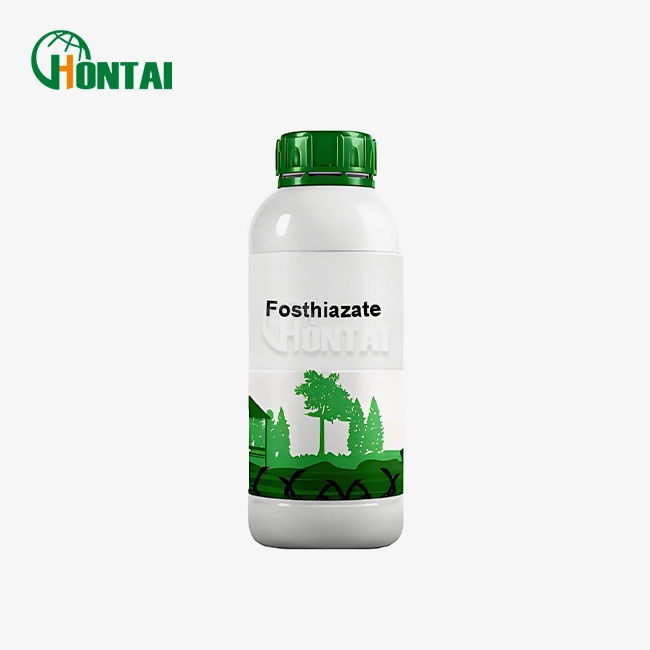
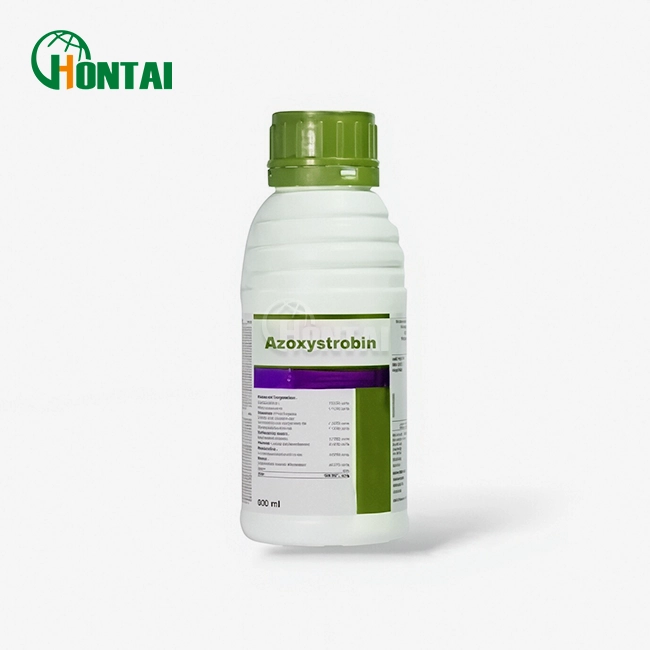

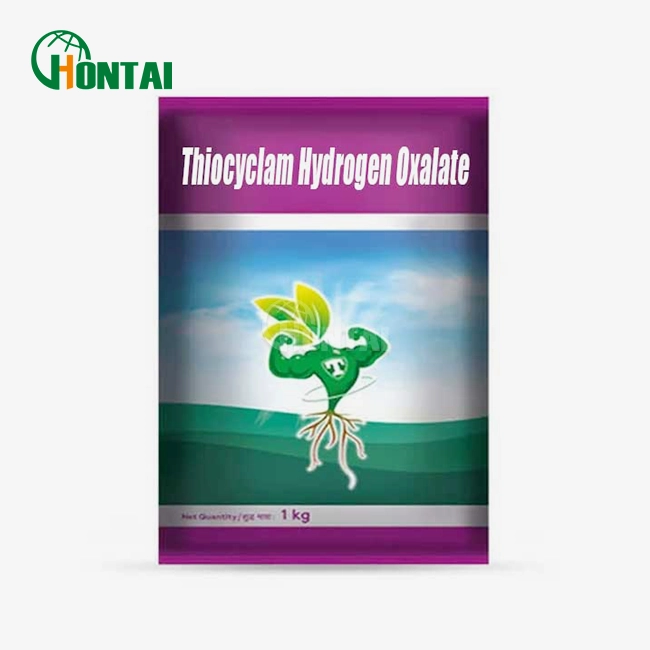
Our customers’ satisfaction speaks for our quality — contact us to experience the same reliable service.