- English
- French
- German
- Portuguese
- Spanish
- Russian
- Japanese
- Korean
- Arabic
- Greek
- German
- Turkish
- Italian
- Danish
- Romanian
- Indonesian
- Czech
- Afrikaans
- Swedish
- Polish
- Basque
- Catalan
- Esperanto
- Hindi
- Lao
- Albanian
- Amharic
- Armenian
- Azerbaijani
- Belarusian
- Bengali
- Bosnian
- Bulgarian
- Cebuano
- Chichewa
- Corsican
- Croatian
- Dutch
- Estonian
- Filipino
- Finnish
- Frisian
- Galician
- Georgian
- Gujarati
- Haitian
- Hausa
- Hawaiian
- Hebrew
- Hmong
- Hungarian
- Icelandic
- Igbo
- Javanese
- Kannada
- Kazakh
- Khmer
- Kurdish
- Kyrgyz
- Latin
- Latvian
- Lithuanian
- Luxembou..
- Macedonian
- Malagasy
- Malay
- Malayalam
- Maltese
- Maori
- Marathi
- Mongolian
- Burmese
- Nepali
- Norwegian
- Pashto
- Persian
- Punjabi
- Serbian
- Sesotho
- Sinhala
- Slovak
- Slovenian
- Somali
- Samoan
- Scots Gaelic
- Shona
- Sindhi
- Sundanese
- Swahili
- Tajik
- Tamil
- Telugu
- Thai
- Ukrainian
- Urdu
- Uzbek
- Vietnamese
- Welsh
- Xhosa
- Yiddish
- Yoruba
- Zulu
Is carbaryl better than trichlorfon?
share:
How well you get rid of pests will depend on Carbaryl 50 Acaricide, whether you use carbamate or organophosphate poisons. Carbaryl 50 Acaricide is clearly better than trichlorfon because it is made from carbamates. This is especially true when it comes to controlling resistance and making sure it is safe for animals. Acetylcholinesterase can be stopped by both drugs, but carbaryl is better for managing ectoparasites in animals and high-value plants because it can stop it from working both ways and is better for the skin. Trichlorfon is more dangerous to handle and can only be used in certain situations because it forms permanent links with enzymes. But the "better" choice depends on the type of food, the pest species being targeted, the rules that are in place, and how stable the supply chain is. All of these things will be covered in this book.
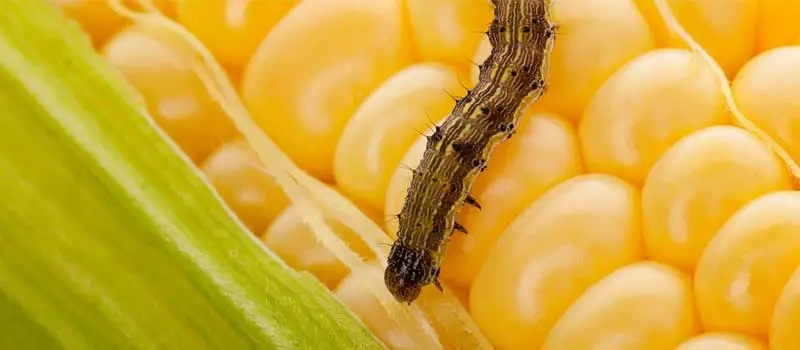
Introduction
More and more, agricultural buying managers are being pushed to find a balance between keeping workers safe, taking care of the environment, and quickly getting rid of pests. Choosing the right pesticide isn't just a matter of following the rules; it's also about saving the crop and, in the end, making money. People who buy pesticides often want to know if carbamate-based carbaryl formulas work better than organophosphate trichlorfon in the real world. This guide answers that question. Carbaryl and trichlorfon have both been used in industrial farming for a long time, but their chemical structures and how they work are very different, which can be seen in the field. This resource is very helpful for distributors, large-scale farm owners, and crop protection service providers who need to compare products based on facts in order to decide what to buy. It is possible to pick a pesticide that fits your business goals and your environmental promises by looking at information on how well it works, how it costs, and how to actually use it.
Understanding Carbaryl 50 and Trichlorfon: Uses and Modes of Action
Chemical Structure and Mechanism
The scientific name for carbaryl is 1-naphthyl methylcarbamate (C₁₂H₁₁NO₂). It is a carbamate. Most of the time, Carbaryl 50 Acaricide comes in the form of a white to light grey powder that can be mixed with water. But there are also solution extracts that you can buy. Acetylcholinesterase can't work at nerve receptors for a short time because of this chemical, but it can again once the carbaryl molecule breaks apart. Nerve damage doesn't last as long, and the body heals faster after touch stops because it can be fixed.
Agricultural Application Scope
Carbaryl is a pesticide that works well on Carbaryl 50 Acaricide many types of plants. It comes in different forms, like 95% TC (technical concentrate), 85% WP, 25% WP, and 5% GR (granular). The active ingredient can be used at rates of 0.25 kg to 2 kg per acre. Bugs of the Coleoptera family (like corn earworm and codling moth larvae) and many other eating pests that hurt more than 120 crop types can be killed by the drug. Some of these are fruits and vegetables (like oranges and mangoes), nuts, vines, olives, cucurbits, peanuts, cotton, rice, tobacco, grains, beets, corn, sorghum, hay, potatoes, and pretty plants. Not only does carbaryl protect crops, but it also thins apple fruit and kills ticks and mites that live on cattle and birds. There are a lot of places where trichlorfon can be useful, but it really shines in damp places where bugs and fungal diseases are common. It can move around in plant cells because it works on a general level. This helps protect against leaf miners and stem buds. It doesn't work as well in alkaline soils or when mixed with fungicides that are based on lime, though, because it breaks down quickly there.
Effectiveness and Environmental Impact Comparison
Pest Control Efficacy
As shown in tests on corn, cotton, and apple trees, carbaryl always kills the lepidopteran and coleopteran pests that are used as targets. European corn borer larvae were killed by 1.5 kg of active ingredient per hectare on grain farms in the Midwest of the United States. This worked for 10 to 14 days with normal rains. The initial knockdown rate for trichlorfon was also 88 to 94%, but it broke down faster when exposed to UV light, only protecting for 7 to 10 days. Eating bugs like aphids and leafhoppers is possible with both chemicals, but for carbaryl to work best, its direct action needs to be fully covered. Trichlorfon doesn't move around much in the system, which is a small plus in dense woods where it's hard for rain to get through. But some groups of aphids have become immune to carbamate in places where carbaryl has been used for a long time. This means that cycle methods are needed. It works the same way with trichlorfon in places where organophosphate resistance is already present.
Environmental and Non-Target Impact
It's very important to worry about bee toxins for both drugs. As LD₅₀=0.1 to 1.0 µg/bee, carbaryl is very dangerous for beekeepers. To protect pollinators, it should only be used at night, or blooms should not be touched. The risks are the same with trichlorfon, but it disappears faster in water and dirt, so it doesn't stay in the environment for as long. Where you live, and the bacteria that live there, affect how long carbaryl stays in the soil. It can be anywhere from 7 to 28 days. Trichlorfon, on the other hand, generally breaks down after 3 to 10 days. Both poisons can hurt marine life, but carbaryl is especially bad for fish because its LC₅₀ value is between 0.2 and 2.0 mg/L. Because trichlorfon breaks down quickly in water, being exposed to it for a long time is less dangerous. But the amount of danger at the start is still the same. Groups that make rules, like the U.S. Environmental Protection Agency, maintain registrations for both chemicals, but there are limits on how much can be used to protect the environment. Carbaryl can briefly stop enzymes from working, which means that it helps hungry insects like lady beetles and lacewings recover faster from effects that don't kill them than trichlorfon does. When poisons and natural enemy groups are used together to control pests, this trait makes the system work better.
Cost, Availability, and Procurement Considerations
Pricing Structures and ROI Analysis
Carbaryl goods in bulk cost different amounts based on how pure they are and how they are packed. If you buy technical-grade carbaryl (95% TC) by the ton, it costs around $8 to $12 a kilogram. It costs around $10 to $15 per kilogram for things that are made, like 85% WP. For research use, the price of trichlorfon stays about the same at $9 to $13 per kilogram. However, prices can change because of changes in supply caused by changes in production capacity in some places. When calculating the return on investment, you need to look at how many times the product is used and how well it works after being used. Carbaryl costs about $10 to $15 per hectare when 1 kg of the active ingredient is used per hectare. This gives you power for 10 to 14 days. Because trichlorfon's leftover time is a little shorter, it may need to be used more often, which will slowly make the yearly costs go up. It costs about $30 to $45 per hectare for carbaryl and $35 to $52 per hectare for trichlorfon for a corn farm that needs three doses per season. This is before the extra Carbaryl 50 Acaricide application is taken into account.
Supply Chain and Manufacturer Reliability
Carbaryl is mostly made in China, India, and a few places in Europe. Hebei province in China is a major centre for business. Hontai Biotech was established in Shijiazhuang, Hebei, and can consistently meet the needs of large foreign orders. They have different types of packaging, from 25 kg bags to 1000 kg IBCs (intermediate bulk containers). When unique recipes are ordered, the least amount that can be ordered is generally 1 metric ton. For standard goods, on the other hand, smaller beginning sales may be possible. Also, most trichlorfon is made in Asian factories. However, some places have less capacity because of new environmental rules, which can make it harder to get goods during busy farming seasons. Carbaryl can be sent from Hebei to places in North America in 30 to 45 days, and it's always available. It is faster and more likely that the requirements of the target country will be met if you work with manufacturers who provide legal paperwork like Certificate of Analysis, Safety Data Sheets, and the right export permits.
Compatibility, Safety, and Usage Best Practices
Application Protocols and Dosage Guidelines
Carbaryl is generally put down with boom sprayers on the ground, sprayers that go above, or backpack sprayers for smaller jobs. The amount of water used varies from 200 to 400 litres per acre, depending on how thick the crop growth is. The tip is set to make medium to large drops so that motion is kept to a minimum. Different types of pests and crops need different rates. Many lepidopteran larvae don't need more than 0.5 to 1 kg of active ingredient per hectare. However, coleopteran beetles may need 1.5 to 2 kg per hectare. For animal dipping, the ratios are commonly between 0.25% and 0.5%, but they can be different depending on how many animals are being used and how much biological pollution there is. The tools you use to apply trichlorfon are similar, but you need to pay close attention to the pH levels in the spray tanks. Trichlorfon is quickly broken down by alkaline water (pH above 8.0) and can lose up to half of its usefulness in just a few hours. You can fix this issue with buffering agents or acidic water sources, but they make mixing harder.
Tank-Mix Compatibility
When the pH level is between 6.0 and 9.0, carbaryl stays steady. This means that it can be mixed with most fungicides and pesticides in the tank. If you mix carbaryl with things that are very alkaline, like lime sulfur or Bordeaux mixture, they will break down more quickly. Expensive materials don't go to waste when they are tested for fit in small amounts before being mixed on a large scale. Because trichlorfon doesn't like alkaline substances, there are even fewer tanks that can be used. It is not okay to use fungicides with copper or other agents that raise pH. It works well for many growers to mix carbaryl and pyrethroid poisons to get rid of more types of pests. To keep the plants' ability to become robust, this should be done every so often with treatments that only work in one way. If you stir them together just right, emulsifiable concentrates of pyrethroids and wettable powder carbaryl generally mix without any problems.
Decision-Making Guide: Which Acaricide is Right for Your Business?
Scenario-Based Selection Criteria
Businesses that deal with grains and want to get rid of corn borers, rootworms, and armyworms like carbaryl because it is cheap and works on a lot of different pests. As the pH level changes, the compound stays stable. It also mixes well with common tank-mix partners, which makes application tasks easier. Stock farms that have to deal with tick problems like carbaryl because it is a well-tested ectoparasiticide that doesn't get in the way of their plans to make meat or milk. People who grow vegetables and have to deal with aphids, caterpillars, and beetles can use carbaryl, which works on contact and in the stomach. However, the time of the treatment needs to be thought out in light of pollinator activity. If you're growing cucumbers or tomatoes in a greenhouse, trichlorfon might be helpful because it breaks down quickly, so you don't have to worry about residues after harvesting. Carbaryl is used by orchardists to thin out apple fruit because it can kill codling moths and lower fruit set at the same time. This makes the fruit that survives bigger. Carbaryl is the only one that can be used in this case because trichlorfon doesn't have this power to control growth.
Regulatory and Certification Priorities
A lot of synthetic insecticides can't be used by companies that want to get organic Carbaryl 50 Acaricide approval or be part of supply chains that care about the environment. Carbaryl and trichlorfon are two of these. But normal companies that send goods to other countries need to make sure they follow the Maximum Residue Limit (MRL) of that country. In the EU, carbaryl MRLs are getting stricter. Many crops are now limited to 0.01 mg/kg or less. The same things happen with trichlorfon. It is the job of purchasing managers to get residual trial data from manufacturers and make sure that the planned application rates are still possible for the target markets.In order to get certified by Global G.A.P., you have to write down when and how much of a pesticide was used, as well as the date, the name of the product, and the active ingredient. When suppliers give full technical documents like Good Manufacturing Practice certifications and ISO 9001 quality system verification, it's easier to make sure they follow the rules, and the regulatory risk is lower.
Supplier Evaluation Factors
There's more to a reliable supply relationship than just the price of a good. They also include getting professional help, knowing the rules, and being able to be flexible with logistics. When it comes to paperwork, manufacturers who have their own export offices and speak English are better able to handle issues than those who use third-party traders. Hontai has a professional staff that can help with sales in more than one language and quickly answer technical questions. If you have questions about application rates, compatibility, or fixing problems with field performance, they can answer them. One thing that sets premium suppliers apart from commodity sellers is the level of service they provide after the sale. For instance, high-end suppliers are willing to look into problems with how their products work and offer analytical tests if asked. It's more valuable than just comparing prices per kilogram to be able to offer customised formulations, change the layout of packaging, and adapt to new rules and regulations.
Conclusion
To choose between carbaryl and trichlorfon, you need to find the best balance between safety, legal limits, the need for effectiveness, and the dependability of the supply chain. Carbaryl is the best chemical for many industrial uses because it doesn't hurt mammals, doesn't stop enzymes from working, and can be used on many different plants and animals. Because the resistance changes over time and the withholding times are shorter, it can be used with more integrated pest control plans. Trichlorfon is still useful in some situations where fast soil breakdown or systemic action is needed, but it is risky to handle and reacts badly with alkaline substances, which is something that many procurement managers would rather not have to deal with. By carefully studying the pests they want to get rid of, where they will be used, and the rules that apply, agricultural businesses can pick the pesticide formulation that gives them the best performance, safety, and value.
FAQ
1. Can Carbaryl be safely mixed with organophosphate insecticides like malathion?
Carbaryl and organophosphates can be mixed together chemically in the same tank without any issues. People who grow plants do this to get rid of more kinds of pests. But the resistance selection pressure goes up faster when two acetylcholinesterase inhibitors from different classes (IRAC 1A and 1B) are used together in the same treatment. According to the principles of integrated resistance management, modes of action should be switched around instead of being mixed. If you need broad-spectrum control right away, make sure that the rates of application for each part stay within the ranges given on the labels. Use totally different types of mode-of-action in the future, like spinosyns or diamides.
2. What symptoms indicate carbaryl exposure, and how should they be managed?
Headaches, feeling dizzy, salivating a lot, and feeling sick are early signs of carbaryl exposure from too much cholinergic stimulation. When someone is poisoned by carbaryl, the symptoms usually go away within hours because the enzymes no longer bind to it. Get sick people outside right away, have them take off any dirty clothes, and wash any skin that is showing with soap and water. Still, you need to get medical help. In severe cases, you may need to give adrenaline, but the dose schedule is different from how organophosphate poisoning is treated. You should always bring the label with you to the hospital so that you can get the right care.
Partner with Hontai for Reliable Carbaryl 50 Acaricide Supply
Procurement managers who need to find a carbaryl source say that Hontai Biotech is a good one that offers more than just low prices. We make Carbaryl 50 Acaricide products with 95% TC, 85% WP, 25% WP, and 5% GR to meet the needs of many farming areas around the world. Our factory is in Hebei, China. Our skilled professionals can help you figure out the best ways to charge for applications, deal with objections, and follow the rules so that your pest control programs always work.
When it comes to buying, we know that reliable operations are the key to good relationships and avoiding frustrating supply problems. Hontai keeps up fast shipping networks that link our plant in Shijiazhuang to farming markets all over the world. We have different types of flexible packaging to meet the needs of both small orders and big shipments that need more than one box. Every batch we make is checked for quality to make sure it meets international standards, and our custom marking services help wholesalers make their own brands.
Email our pros at admin@hontai-biotech.com to talk about your specific needs. If you need carbaryl to get rid of ectoparasites on animals, get rid of pests in orchards, or protect big fields of crops, our team will give you expert help and low-cost quotes that are tailored to your business.
References
1. Matsumura, F. (2010). Toxicology of Insecticides (Second Edition). Springer Science, New York. Chapter 8: Carbamate Insecticides - Mechanism and Agricultural Applications.
2. Gupta, R.C. (ed.) (2014). Veterinary Toxicology: Basic and Clinical Principles (Third Edition). Academic Press, London. Section on Anticholinesterase Insecticides in Livestock Management.
3. Tomlin, C.D.S. (2009). The Pesticide Manual: A World Compendium (Fifteenth Edition). British Crop Protection Council, Hampshire, UK. Entries 131 (Carbaryl) and 850 (Trichlorfon).
4. Smith, A.E. & Bridges, D.C. (1996). Movement and persistence of carbaryl in soil and its impact on surface water. Journal of Environmental Quality, 25(4): 644-651.
5. van Emden, H.F. & Peakall, D.B. (1996). Beyond Silent Spring: Integrated Pest Management and Chemical Safety. Chapman & Hall, London. Chapter 5: Carbamate Insecticides in Resistance Management Programs.
6. Environmental Protection Agency (2008). Reregistration Eligibility Decision for Carbaryl. EPA Document 738-R-08-006, Office of Prevention, Pesticides and Toxic Substances, Washington D.C.
Our customers’ satisfaction speaks for our quality — contact us to experience the same reliable service.