- English
- French
- German
- Portuguese
- Spanish
- Russian
- Japanese
- Korean
- Arabic
- Greek
- German
- Turkish
- Italian
- Danish
- Romanian
- Indonesian
- Czech
- Afrikaans
- Swedish
- Polish
- Basque
- Catalan
- Esperanto
- Hindi
- Lao
- Albanian
- Amharic
- Armenian
- Azerbaijani
- Belarusian
- Bengali
- Bosnian
- Bulgarian
- Cebuano
- Chichewa
- Corsican
- Croatian
- Dutch
- Estonian
- Filipino
- Finnish
- Frisian
- Galician
- Georgian
- Gujarati
- Haitian
- Hausa
- Hawaiian
- Hebrew
- Hmong
- Hungarian
- Icelandic
- Igbo
- Javanese
- Kannada
- Kazakh
- Khmer
- Kurdish
- Kyrgyz
- Latin
- Latvian
- Lithuanian
- Luxembou..
- Macedonian
- Malagasy
- Malay
- Malayalam
- Maltese
- Maori
- Marathi
- Mongolian
- Burmese
- Nepali
- Norwegian
- Pashto
- Persian
- Punjabi
- Serbian
- Sesotho
- Sinhala
- Slovak
- Slovenian
- Somali
- Samoan
- Scots Gaelic
- Shona
- Sindhi
- Sundanese
- Swahili
- Tajik
- Tamil
- Telugu
- Thai
- Ukrainian
- Urdu
- Uzbek
- Vietnamese
- Welsh
- Xhosa
- Yiddish
- Yoruba
- Zulu
Which is better, trifloxystrobin or azoxystrobin?
share:
When you're in charge of a big farm, it's not easy to choose the right strobilurin fungicide because it affects crop quality, growth, and total earnings. The fungicides trifloxystrobin and azoxystrobin, which are both in the QoI class (Quinone outside Inhibitor), have a good reputation. Both are good in some ways, but one isn't always better than the other. Trifloxystrobin works very well in the mesostemic area and moves across the leaf surfaces through the vapor phase. Even when the weather is bad, this makes it very good at getting rid of white mildew, rust, and downy mildew. Azoxystrobin and trifloxystrobin, on the other hand, cover the whole body more consistently and have more label rights for more foods. Which fungicide is better from a scientific point of view is not the real question. The real question is which one fits your crop protection needs, working scale, and budget the best.
Introduction
Fungicides are an important part of modern farming's overall plan to protect crops. It's more important than ever to pick the right active ingredient as disease stresses rise due to climate change. There are strobilurin fungicides, like trifloxystrobin and azoxystrobin, that control the pesticide market. These fungicides kill a lot of different diseases and make plants healthier in a way called the "greening effect," which speeds up photosynthesis and slows with age. The purpose of this comparison study is to help people who buy things, run large farms, or deliver pesticides find the best fungicides. These are two well-known fungicides. We will talk about how they work at the molecular level, how well they work, how safe they are for the environment, how much they cost, and how to get them. They are different if you sell to local farmers' markets or are in charge of thousands of fields of corn and soybeans. If you want to get the most out of your crop safety efforts, you need to know about these changes.
Understanding Trifloxystrobin and Azoxystrobin
Chemical Structure and Mode of Action
Trifloxystrobin is made up of the chemical formula C20H19F3N2O4. It is a synthetic strobilurin that has been fluorinated. It is in the QoI fungicide family. For it to work, it stops fungus cells from respiring by stopping electron transfer at the Qo site of the cytochrome bc1 complex. ATP can't be made because of this problem, which stops the growth of spores and mycelium. Azoxystrobin acts a bit like trifloxystrobin, but its chemical makeup and ability to attach to fat are a little different. The two fungicides work by stopping the same biological process. However, trifloxystrobin sticks to plant leaves better because they are sticky. Because of this, it is better at redistribution through the movement of the gas phase. This is known as "mesostemic" action. Azoxystrobin, on the other hand, moves through plant cells and up the xylem with more force.
Crop Compatibility and Application Methods
It is possible to use both fungicides on corn, wheat, soy, rice, fruits, vegetables, Tebuconazole 50%+trifloxystrobin 50%wdg, and other important commercial foods. More often than not, it is made as either Water Dispersible Granules (WDG) with amounts between 50% and 80% or as Suspension Concentrates (SC). Most of the time, these mixtures are poured on leaves from the ground or the air when diseases are still in their early stages. One type of azoxystrobin is called azoxystrobin. It is often mixed with triazole fungicides to realize synergistic effects and keep diseases under control for longer. When and how much to use depend on the weather, the type of food, and the number of diseases that are present. Before using it, it is important to read the scientific directions and regulatory signs.
Efficacy and Performance Comparison
Real-World Disease Control Performance
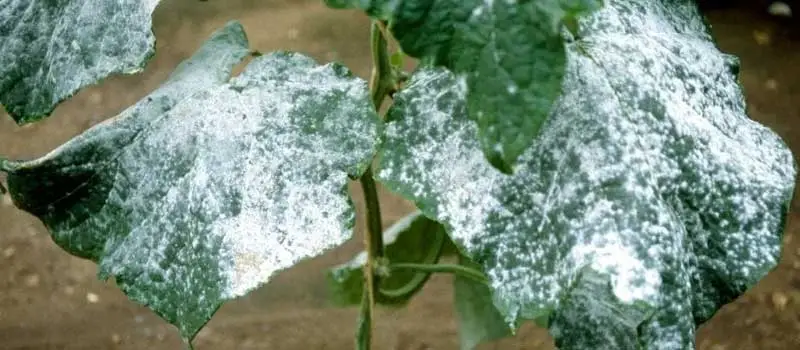
Trifloxystrobin is an effective treatment for powdery mildew and rust that has been shown in field tests conducted in a number of growth places on a daily basis. In good weather, the safety lasts for up to two weeks. It can shift its mesostemic base so that even leaf areas that haven't been treated get enough coverage. This optimizes protection during vigorous crop growth. Azoxystrobin works really well in places that are very wet, since leaf diseases spread really quickly there. It keeps plants even safer because it is always going through their cells. This helps a lot with crops that have thick leaves that sprays might not be able to get to as well. When used at the right times and levels, azoxystrobin has been shown to lessen the effects of a disease by 70–85%.
Resistance Management Strategies
Since both fungicides work the same way (FRAC Group 11), standardized application management is essential for long-term usage. Agronomists recommend that strobilurins be mixed with fungicides from different chemical groups, such as triazoles or SDHIs, to optimize application effects. Trifloxystrobin degrades quickly in soil and water, featuring excellent environmental metabolic characteristics. This grade for environmental safety backs up long-term success and encourages long-term use.
Environmental and Toxicological Safety
Trifloxystrobin features mild biological properties for people, birds, or helpful insects as long as it is used the way it says on the box. It breaks down quickly in water and dirt, leaving behind clean environmental residues. Because of this, farmers who care about the environment and follow the rules like to use it. It maintains friendly compatibility with non-target organisms when applied under scientific growth conditions. Plus, azoxystrobin is thought to be safe, featuring steady retention performance in the ground. For both fungicides, the U.S. has very strict safety rules. This means that Tebuconazole 50%+trifloxystrobin 50%wdg the Environmental Protection Agency (EPA) and other foreign regulatory bodies, has confirmed compliant application performance in systematic pest control systems.
Cost-Benefit and Procurement Considerations
Pricing Structures and Bulk Purchasing
The price of strobilurin fungicides is based on the type of product, the amount bought, and how the customer and seller communicate. Most of the time, the price of a kilogram of trifloxystrobin WDG in a product is competitive with the average. It can save a lot of money for big businesses to buy things in bulk. When corporate farms and wholesalers buy by the container load, they can get better deals, especially if they sign long-term deals with reliable manufacturers. Azoxystrobin is used by a lot of people and comes under a lot of different names. Because of this, it often benefits from economies of scale, which means that the price is the same for all of its forms. However, costs can change based on how many raw materials are available and how much demand there is in the market. So, it's important to make deals with trusted suppliers for a steady supply.
Regulatory Documentation and Export Support
Phytosanitary licenses, Safety Data Sheets (SDS), and licenses of Analysis (COA) are just a few of the documents you need to do business abroad. It's easier to get through customs and follow the rules in the target country when you get help from a reliable service. This help is especially helpful for pesticide sellers who handle supply lines for more than one market and private-label buyers who want to work with OEM or ODM companies.
Choosing Between Trifloxystrobin and Azoxystrobin: Decision-Making Framework
Aligning Product Selection with Business Needs
There are many things to consider when picking the best pesticide, such as the type of crop, the amount of diseases present, the treatment facilities, and your budget. When saving the environment is important, trifloxystrobin breaks down quickly and works very well. It is also very important to protect crops like wheat, grapes, and vegetables from powdery mildew and rust. While blasting isn't going well, it spreads equally because it has mesostemic action. Because of this, it's great for large-scale automatic tasks. Azoxystrobin might work better for growers who have to deal with hot weather or who want a label that states it works on more types of plants. Because it works on a general level, you can choose when to use it, and it can protect trifloxystrobin 26% tebuconazole for you for longer during important growth stages.
Resistance Management and Sustainability
If we want to keep using fungicides in the future, we need to take optimized steps to maintain long-term application efficiency. Adding cultural practices like crop rotation and waste control, using trifloxystrobin with fungicides that work in different ways, and lowering the number of QoI doses per season can all help keep the product effective. When businesses buy things, they should see if there are any extra fungicides that are out there and ask the sellers for professional help to back up their integrated disease management plans.
Future Trends and Innovations in Strobilurin Fungicides
Advances in Formulation Technology
As research into making new pesticides continues, new ways of delivering them are being created that make them work better and be better for the environment. Technologies like microencapsulation, nano-formulations, and controlled-release make it easier for trifloxystrobin to work even when it's raining or windy outside. These technologies make it more resistant to water, better at sticking to leaves, and better at moving air around. With these changes, pesticides can be used more efficiently, at lower rates per acre, with optimized environmental compatibility.
Emerging Resistance Management Tools
Pesticide companies spend a lot of money on genetic tests and tools that help farms make decisions. These help them monitor pathogen conditions and adjust their spray plans as needed. Part of today's plans to protect crops is to keep an eye on germs in real time, guess what diseases will happen, and use exact application technologies. In the business-to-business market, sellers who give customers access to these tools and full expert help will have an advantage over their rivals.
Market Trends and Regulatory Evolution
Fungicides that don't leave behind a lot of waste are becoming more and more popular all over the world. This is because people want them, stores have rules about them, and rules are getting tighter. Because it is good for the earth, trifloxystrobin is a good choice to trifloxystrobin 26% tebuconazole meet these new needs. Companies that spend money on carbon-neutral production methods, reusable adjuvants, and green science will attract buyers who care about the environment and boost the image of their brand in global markets.
Conclusion
Both trifloxystrobin and azoxystrobin have been used for a long time to treat a wide range of fungal diseases. To be consistent with results and be good to the environment, trifloxystrobin is a great choice for companies. It redistributes mesostemic material, breaks down quickly in the environment, and fights powdery mildew, rust, and blight very well. Azoxystrobin is good for farmers who deal with a lot of different crops and high temperatures because it protects the whole body well and has a wider label coverage. The best choice depends on how safe the crops need to be, how big the business is, and how the purchases will be made. When you work with reliable providers, you can get good products, help with rules, and technical know-how that is important for long-term success
FAQ
1. Can trifloxystrobin and azoxystrobin be used together in the same spray program?
In fact, one good way to deal with resistance is to mix or switch these fungicides with things that work in different ways. You shouldn't use them back-to-back in the same season, though, since they are both in FRAC Group 11 and target the same biochemical. To find out more about the rules, talk to your local extension office or read the labels on the things you buy.
2. What are the recommended storage conditions for trifloxystrobin formulations?
Don't put trifloxystrobin WDG and SC in direct sunlight or near heat sources. Keep them in their original, tightly sealed cases in a cool, dry, well-ventilated place. The best temperature range for keeping things is between 0°C and 35°C. Things will stay stable and last up to two years after they were made if you store them correctly.
3. How do I verify the quality and authenticity of fungicide suppliers?
If you want to be sure of the quality of the product, ask for third-party quality certificates like ISO 9001 or GMP approval. A supplier with a good name has clear papers, quick customer service, and testimonials from past clients. Other good ways to make sure that products are honest and reliable are to check with the sellers and see a record of past sales.
Partner with Hontai for Reliable Trifloxystrobin Supply
To keep crops healthy and make the most money, it's important to get fungicides that contain trifloxystrobin you can trust. Trifloxystrobin is produced by Hontai, a dependable business. They have strict quality control, fast shipping around the world, and full expert help for both 50% WDG and 80% WDG recipes. Our skilled team can come up with unique solutions for big manufacturers, wholesalers, and firms that work with farms all over the world. With stable product quality, a range of packing options, and low prices, Hontai gives your business the reliability it needs. If you want to buy in bulk or learn how our information can help your farming, email us at admin@hontai-biotech.com.
References
1. Bartlett, D.W., Clough, J.M., Godwin, J.R., Hall, A.A., Hamer, M., & Parr-Dobrzanski, B. (2002). The strobilurin fungicides. Pest Management Science, 58(7), 649-662.
2. Gisi, U., Sierotzki, H., Cook, A., & McCaffery, A. (2002). Mechanisms influencing the evolution of resistance to Qo inhibitor fungicides. Pest Management Science, 58(9), 859-867.
3. Wise, K., Mueller, D., Sisson, A., Smith, D., Bradley, C., & Robertson, A. (2011). A Fungicide Efficacy Database for Crop Disease Management. Plant Health Progress, 12(1), 25.
4. United States Environmental Protection Agency (2020). Reregistration Eligibility Decision for Trifloxystrobin. Office of Pesticide Programs, Washington, D.C.
5. Fungicide Resistance Action Committee (FRAC) (2023). FRAC Code List: Fungicides Sorted by Mode of Action. CropLife International, Brussels, Belgium.
6. Oliver, R.P., & Hewitt, H.G. (2014). Fungicides in Crop Protection (2nd ed.). CABI Publishing, Wallingford, United Kingdom.
Our customers’ satisfaction speaks for our quality — contact us to experience the same reliable service.