- English
- French
- German
- Portuguese
- Spanish
- Russian
- Japanese
- Korean
- Arabic
- Greek
- German
- Turkish
- Italian
- Danish
- Romanian
- Indonesian
- Czech
- Afrikaans
- Swedish
- Polish
- Basque
- Catalan
- Esperanto
- Hindi
- Lao
- Albanian
- Amharic
- Armenian
- Azerbaijani
- Belarusian
- Bengali
- Bosnian
- Bulgarian
- Cebuano
- Chichewa
- Corsican
- Croatian
- Dutch
- Estonian
- Filipino
- Finnish
- Frisian
- Galician
- Georgian
- Gujarati
- Haitian
- Hausa
- Hawaiian
- Hebrew
- Hmong
- Hungarian
- Icelandic
- Igbo
- Javanese
- Kannada
- Kazakh
- Khmer
- Kurdish
- Kyrgyz
- Latin
- Latvian
- Lithuanian
- Luxembou..
- Macedonian
- Malagasy
- Malay
- Malayalam
- Maltese
- Maori
- Marathi
- Mongolian
- Burmese
- Nepali
- Norwegian
- Pashto
- Persian
- Punjabi
- Serbian
- Sesotho
- Sinhala
- Slovak
- Slovenian
- Somali
- Samoan
- Scots Gaelic
- Shona
- Sindhi
- Sundanese
- Swahili
- Tajik
- Tamil
- Telugu
- Thai
- Ukrainian
- Urdu
- Uzbek
- Vietnamese
- Welsh
- Xhosa
- Yiddish
- Yoruba
- Zulu
What is Cyprodinil used for?
share:
You might not notice the battle going on under every leaf and stem when you walk through a vineyard in early spring or an apple field right before the trees bloom. Plant bugs wait for the right time, like a cool, damp morning, to attack and kill months of hard work. Cyprodinil comes into play at this point. People who grow crops on a large scale, distribute them, and work in crop protection in Southeast Asia, Africa, the Middle East, Europe, and Central America accept this systemic pesticide. Some of the hardest fungal diseases to control in modern farming can be stopped with cyprodinil, which works beyond skin touch to give real, measured effects.
.
Understanding What Cyprodinil Does in Your Fields
Cyprodinil is a systemic fungicide that works by going through the plant's tissues after it is applied to the leaves. It stops fungus cells from making methionine and stops hydrolytic enzymes from being released, which pathogens use to get through leaf surfaces. It is a chemical in the anilinopyrimidine class and has the FRAC code 9. It is an important rotation choice when triazole and strobilurin resistance threatens your crop protection program. Cyprodinil is popular with farmers and people who sell agrochemicals because it works well in temperatures as low as 5°C. This makes it essential for early-season weather that is hard to predict. Because it moves up and down in xylem tissue, it protects new growth even days after it has been applied.
Seven Core Uses That Solve Real Agricultural Challenges
Controlling Apple Scab During Critical Growth Stages
Apple scab, which is caused by Venturia inaequalis, can destroy whole trees if it is not controlled from the green tip to the pink bud stage. When temperatures are between 5°C and 15°C, cyanodinil works best. This is a small window of time when many other fungicides don't work well. During these early stages of the growing season, commercial apple growers use 200 to 300 grams of Cyprodinil 50% WDG per acre. The systemic action gets through the waxy layer to protect new leaves before they get infected. This preventative and healing action cuts down on fruit flaws that make it less marketable and helps farmers meet the high-quality standards that buyers in Europe and the Middle East expect.
Managing Grey Mould in High-Value Grape Production
Botrytis cinerea is still one of the pathogens that does the most damage to wine harvesting economies around the world. Cyprodinil goes after this disease at veraison, when berries are more likely to get sick because of too much sugar. Large vineyards in Mediterranean conditions and wet hot areas use 750 to 1000 millilitres of Cyprodinil 30% SC per acre. The formula sticks to the grape's wax layer because it is lipophilic, making a shield that stays in place even when it rains. This rainfastness, which is usually reached in two hours, is very important during harvest season, when the weather changes quickly. Cyprodinil helps their clients meet the highest waste limits for foreign sale markets, which is something that distributors who work with wine grape growers really like.
Combating Brown Rot in Stone Fruit Orchards
Cherry, apricot, peach, and bloom blight are all caused by Monilinia species. During bloom, when humidity levels rise and temperatures stay steady, it's easy for diseases to spread quickly. Stone fruit growers use Cyprodinil from the pink to full bloom stages, and in field tests, control rates of more than 85% were achieved. Translaminar flow means that the active ingredient goes through the leaf tissue to cover both the top and bottom of the leaf. This trait is especially useful in thick forests where even the most modern spray equipment has trouble covering the area. Agricultural service providers support Cyprodinil because it works the same way in different microclimates within the same crop.
Protecting Cereal Crops from Foliar Diseases
Diseases like powdery mildew and different leaf spot bacteria are always a threat to wheat, barley, and other grain crops. When sprayed at flag leaf emergence, cyprodinil formulas protect the whole plant during the important grain-filling time. Cereal farmers who work on hundreds to thousands of hectares of land like Cyprodinil 50% WDG because it covers a lot of land with low application rates. Because the product can move through xylem tissue again and again, it protects the upper leaves even as the crop grows vertically. Cyprodinil is carried by agrochemical importers that work with grain-producing areas because it solves problems with resistance that have made older chemicals less useful.
Safeguarding Vegetable Crops in Intensive Production Systems
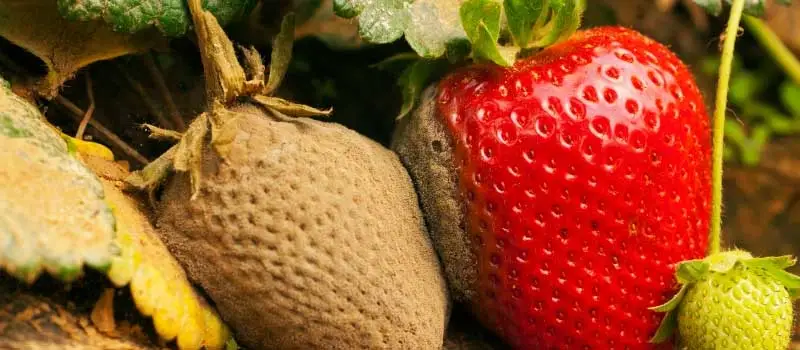
In intensive production methods, strawberries, tomatoes, cucumbers, and green veggies are always at risk of getting diseases. Cyprodinil is effective against a wide range of bacteria that can harm both output and quality after harvest. Strawberry farmers like how well it fights anthracnose and grey mould, which can ruin whole crops that can't be sold. When applied around blooming and early fruit set, it has the most impact. When applied at the right time, low-residue treatments help veggie growers meet the strict standards of store chains and foreign markets. Field crop experts use Cyprodinil as part of cycle plans that keep the effectiveness of more than one type of drug.
Seed Treatment for Enhanced Crop Establishment
When barley and other grain seeds are treated with Cyprodinil, they become less likely to get diseases from other seeds or the earth during sprouting and the first few weeks of growth. This use case talks about a key risk time when weather stress and disease pressure can make it much harder for stands to form. Companies that treat seeds and big farmers who buy treated seeds gain from higher rates of sprouting and early growth. Because of systemic uptake, protection goes beyond the seed coat and into the roots and shoots that are still growing. Compared to spread applications, this method of application optimises the placement of active ingredients while minimising their exposure to the environment.
Disease Control in Ornamental and Nursery Production
Ornamental plant growers and gardeners have to deal with special problems when they try to keep their plants looking good and keep diseases under control. Mildew and mould can be controlled with cyprodinil on a wide range of decorative plants without harming the plants or changing their colour. Greenhouse businesses like how well the product works in controlled settings, where controlling humidity is still hard. Because the recipe works with integrated pest management systems, it can be used in situations where chemical and biological control are both used together. Cyprodinil is in high demand among distributors who work with the horticultural industry because it works well and is safe.
Application Scenarios That Demonstrate Practical Value
A big agricultural company in Kenya that was in charge of 2,000 hectares of export grapes kept having Botrytis outbreaks, even after using fungicides several times. They cut the number of diseases by 73% over two seasons after moving to a rotation program that included Cyprodinil 30% SC at veraison. Because the fruit quality had gotten better, they were able to sell it in high-end European stores with strict residue rules.
During the extremely cool and wet springs in Poland, an apple company with 150 member farms had a hard time getting rid of scab. Below 12°C, traditional DMI fungicides didn't work as well. When they added Cyprodinil 50% WDG to their early-season spray program, they got constant control even when temperatures stayed between 6°C and 9°C for long periods of time. The manager for the group said that member farms had 40% fewer apples that were refused at packing this year than in previous years.
A stone fruit grower in California's Central Valley had to fight brown rot that had become immune to older kinds of fungicides. In field tests, Cyprodinil sprayed during bloom and again at petal fall cut down on blossom blight by 82% compared to plants that were not treated. The farmer added the product to their regular routine, which protected both the bloom and pre-harvest times.
Key Benefits That Drive Purchasing Decisions
Agrochemical wholesalers and large-scale makers always list a number of benefits that make Cyprodinil an important part of their product lines. The new way it works helps with managing resistance, which is becoming more of a problem as bacteria learn to adapt to chemicals that are used too much. Cyprodinil works effectively in cool temperatures that characterise early growing seasons in a wide range of countries, unlike many other fungicides that need warm conditions to be absorbed and moved around.
The systemic and translaminar action provides complete security without the need for perfect spray coverage. This feature lowers the cost of the application and makes the product good for plants with complicated top systems. If it rains within two hours, the investment is safe, even if the weather reports turn out to be wrong.
Because it works against a lot of different types of pathogens, it makes tank mixes easier and spray programs simpler. Agricultural service providers like goods that work the same way in all kinds of situations because it helps them build trust with their farm clients. The legal approval status in major markets, such as EU registration and acceptance in export-focused regions, gets rid of obstacles that make international trade harder.
When used in the field, the quality of the formulation is very important. Well-designed suspension powders and water-dispersible grains stay stable while being stored and are easy to spread out again in spray tanks. This dependability keeps the sprayer from getting clogged and ensures that the active ingredient is spread evenly across the treatment areas.
Resistance Management Strategies Worth Implementing
Any pesticide will only work if it is used properly and in a way that stops resistance from building up. Cyprodinil is in FRAC Group 9 and works differently from triazoles, strobilurins, and SDHIs that are widely used. Agronomists say that you should only use two treatments in a row per season and that you should always switch between goods from different chemical groups.
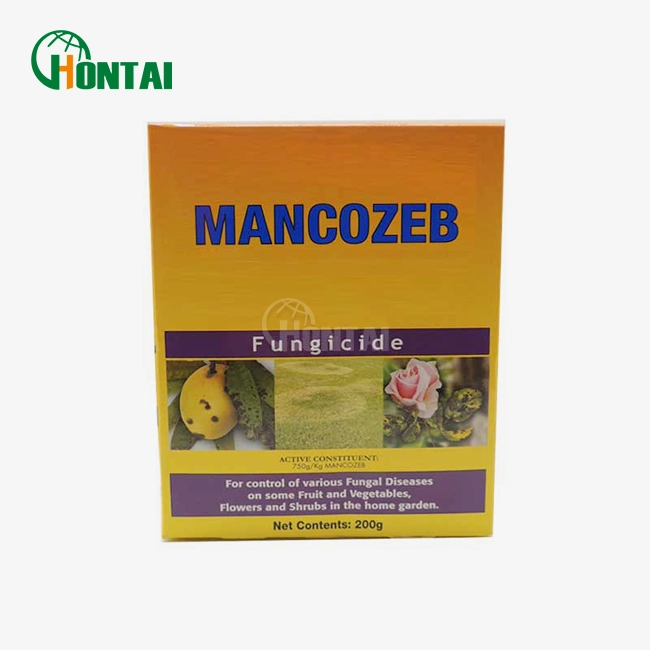
Mixing Cyprodinil with contact fungicides like mancozeb or chlorothalonil in a tank lowers selection pressure even more by acting on multiple sites at once. Some market products mix Cyprodinil with fludioxonil, a phenylpyrrole pesticide, so they can kill fungi in two different ways in one dose.
To check if virus populations are becoming less sensitive, tests need to be done in a lab. Many big farms and crop protection companies now do this on a regular basis. Finding resistance shifts early on lets you make changes before they cause control to fail in the field. Distributors who give buyers detailed advice on how to deal with pushback build long-term ties with smart buyers who know that keeping the product's effectiveness saves their investment.
Formulation Differences That Impact Performance
Cyprodinil 50% WDG and Cyprodinil 30% SC are the two most common types of formulations used in business. Granules that dissolve in water are safer to handle, mix without dust, and give accurate doses for large-scale activities. There are dispersants and wetting agents in the grain structure that make sure it breaks down quickly in the spray tank.
For businesses that like liquid formulas and automatic mixing systems, suspension mixes make things easier. The thickness and spread of particle sizes affect the quality of the spray and how well the leaves stay on the surface. High-quality suspension concentrates don't settle and stay the same even after being stored for a long time.
When sprayed at the same amount of active ingredient, both versions work about the same in the field. What to choose often relies on what equipment is already there, how the store is set up, and what the person wants. Agrochemical exporters usually keep both types of formulations in stock so that they can meet the needs of a wide range of customers across their delivery networks.
Environmental and Safety Considerations
Modern agriculture demands effective pest management that minimises environmental impact. The compound degrades through microbial action in soil with half-lives ranging from several weeks to months, depending on temperature and moisture conditions.
Applicator safety protocols recommend standard personal protective equipment during mixing and spraying operations. The low volatility reduces inhalation risks compared to older fungicide chemistries. Proper calibration and application timing minimise off-target movement and optimise on-crop efficacy.
Public health organisations occasionally use related anilinopyrimidine compounds in specialised applications, though Cyprodinil itself focuses primarily on agricultural and ornamental uses. The environmental profile supports registration in regions with stringent regulatory requirements, facilitating international trade for distributors serving multiple markets.
Conclusion
Cyprodinil has earned its position as an essential tool in modern crop protection through proven performance against economically significant diseases. Its unique mode of action, cool-temperature efficacy, and systemic activity solve real problems that large-scale producers and distributors face daily. From early-season scab control in apple orchards to pre-harvest grey mould management in export grapes, this fungicide delivers results that protect both yields and market access. Responsible use within integrated resistance management programs preserves its effectiveness for future seasons while meeting the evolving demands of sustainable agriculture.
FAQ
1. What diseases does Cyprodinil control most effectively?
Cyprodinil excels against Botrytis cinerea (grey mould), Venturia species (scab diseases), and Monilinia species (brown rot). It also provides useful activity against powdery mildews and various leaf spot pathogens in cereals, fruits, and vegetables. The systemic activity makes it particularly valuable against pathogens that penetrate leaf tissue rather than remaining on surfaces.
2. Can I mix Cyprodinil with other crop protection products?
Physical compatibility varies depending on formulation types and water quality. Jar tests should precede large-scale tank mixing. Generally, suspension concentrates and water-dispersible granules mix well with most other fungicides, insecticides, and foliar fertilisers. Avoid combining with highly alkaline materials that might cause chemical degradation. Emulsifiable concentrates sometimes create stability issues when mixed with suspension-based products.
3. Why does Cyprodinil work better than other fungicides in cool weather?
The molecular structure and uptake mechanism allow plant absorption and translocation at lower temperatures compared to triazole fungicides. While DMI fungicides often require temperatures above 12°C for optimal performance, Cyprodinil maintains efficacy down to 5°C. This characteristic proves critical during early spring applications when disease pressure exists, but ambient temperatures remain cool.
4. How does resistance management affect application frequency?
Limiting sequential applications to two per season helps preserve long-term efficacy. Rotating with fungicides from different FRAC groups—such as mixing with contact protectants or alternating with SDHIs or strobilurins—reduces selection pressure on pathogen populations. Monitoring for resistance shifts allows proactive program adjustments before control failures impact yields.
Partner with Hontai for Reliable Cyprodinil Supply
Sourcing effective agrochemicals shouldn't involve uncertainty about quality, delivery, or regulatory compliance. As an established Cyprodinil manufacturer, Hebei Hontai Biotech Co., Ltd. provides certified formulations including Cyprodinil 95%TC, 50% WDG, and 30% SC that meet international quality standards. Our flexible customisation accommodates private-label requirements, varied packaging specifications, and OEM/ODM partnerships that help distributors differentiate their market offerings.
Our professional team understands the complexities of international agricultural trade. We provide comprehensive regulatory documentation, export support, and technical guidance that simplify procurement decisions. Fast global logistics ensure your seasonal supply needs align with critical application windows. Whether you manage thousands of hectares, distribute to regional markets, or provide crop protection services, we deliver the consistency and reliability your operation demands. Contact us at admin@hontai-biotech.com to discuss how our Cyprodinil solutions can strengthen your crop protection program.
References
1. Fungicide Resistance Action Committee. (2023). FRAC Code List: Fungicides Sorted by Mode of Action. Crop Life International.
2. Agricultural Research Service. (2022). Disease Management in Pome Fruits: Integrated Approaches for Scab Control. United States Department of Agriculture.
3. European Food Safety Authority. (2021). Peer Review of Pesticide Risk Assessment: Cyprodinil. EFSA Journal.
4. International Society for Horticultural Science. (2023). Advances in Botrytis Management in Viticulture. Acta Horticulturae.
5. Plant Protection Research Institute. (2022). Efficacy Trials of Anilinopyrimidine Fungicides in Stone Fruit Production Systems. Journal of Agricultural Science.
6. Food and Agriculture Organisation. (2023). Pesticide Residues in Food: Maximum Residue Limits for Cyprodinil. Codex Alimentarius Commission.
Our customers’ satisfaction speaks for our quality — contact us to experience the same reliable service.