- English
- French
- German
- Portuguese
- Spanish
- Russian
- Japanese
- Korean
- Arabic
- Greek
- German
- Turkish
- Italian
- Danish
- Romanian
- Indonesian
- Czech
- Afrikaans
- Swedish
- Polish
- Basque
- Catalan
- Esperanto
- Hindi
- Lao
- Albanian
- Amharic
- Armenian
- Azerbaijani
- Belarusian
- Bengali
- Bosnian
- Bulgarian
- Cebuano
- Chichewa
- Corsican
- Croatian
- Dutch
- Estonian
- Filipino
- Finnish
- Frisian
- Galician
- Georgian
- Gujarati
- Haitian
- Hausa
- Hawaiian
- Hebrew
- Hmong
- Hungarian
- Icelandic
- Igbo
- Javanese
- Kannada
- Kazakh
- Khmer
- Kurdish
- Kyrgyz
- Latin
- Latvian
- Lithuanian
- Luxembou..
- Macedonian
- Malagasy
- Malay
- Malayalam
- Maltese
- Maori
- Marathi
- Mongolian
- Burmese
- Nepali
- Norwegian
- Pashto
- Persian
- Punjabi
- Serbian
- Sesotho
- Sinhala
- Slovak
- Slovenian
- Somali
- Samoan
- Scots Gaelic
- Shona
- Sindhi
- Sundanese
- Swahili
- Tajik
- Tamil
- Telugu
- Thai
- Ukrainian
- Urdu
- Uzbek
- Vietnamese
- Welsh
- Xhosa
- Yiddish
- Yoruba
- Zulu
Hymexazol Dosage Guide for Fruit Plants: Ensuring Effective Fungal Infection Prevention
share:
To keep fruit trees from getting fungal diseases on a business level, you need accurate, dependable, and scientifically proven fungicides. A systemic soil pesticide called hymexazol is one of the best ways to get rid of damping-off and root rot diseases that are caused by Pythium, Fusarium, Aphanomyces, and Corticium species. This substance is very useful because it does two things: it stops pathogens from growing and, through auxin-like activity, it speeds up root development. This makes plants more resilient in their early stages of growth. For farmers and shippers looking for reliable ways to control diseases, knowing the right dosage instructions is key to protecting crops and saving money.
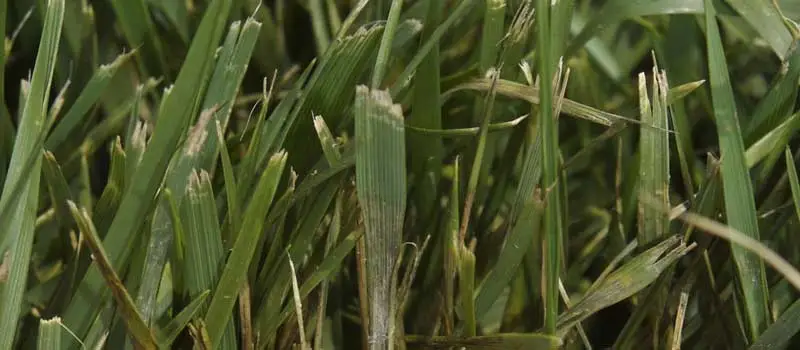
Understanding Hymexazol and Its Role in Fruit Plant Protection
Hymexazol is a type of pesticide that belongs to the isoxazole group. Its chemical name is 3-hydroxy-5-methylisoxazole. Its chemical formula, C4H5NO2, shows that its structure is simple but very efficient. Broad-spectrum fungicides kill a lot of different organisms without discrimination. This active ingredient, on the other hand, works systemically, going through plant vascular tissues to attack roots and stems.
Chemical Properties and Mode of Action
The chemical dissolves easily in water, which lets plant roots take it up quickly after being put in the soil. Once it's been taken, it moves acropetally, which means it goes from the roots to the leaves, protecting the whole plant. The fungicide breaks down the structure of fungal cell membranes and stops spores from germinating. This stops pathogens from reproducing before symptoms show up.
Target Pathogens in Fruit Cultivation
In fruit farms, hymexazol works especially well against fungi that grow in the soil and hurt young seeds and transplants. Strawberries and melons get root rot from Pythium species, and peaches and cherries get root rot from Fusarium species. Raspberries and other soft foods are in danger because of Aphanomyces. Because these pathogens like it when the soil is wet and doesn't drain well, it's important to treat the soil before growing or moving.
Environmental Safety Profile
Researchers have found that hymexazol breaks down pretty quickly in soil. Under normal conditions, it breaks down within a few weeks. This quick breakdown keeps residues from building up, which eases worries about the long-term health of the land. When used at the suggested rates, toxicology studies show low risk to earthworms, beneficial insects, and aquatic creatures. This is in line with the principles of integrated pest management that many industrial farmers now put a lot of weight on.
Determining the Optimal Dosage of Hymexazol for Fruit Crops
Careful dosage adjustment is needed to get good disease control without harming plants. The right application rate depends on a number of factors. Knowing these factors helps buying managers and farm workers make smart choices.
Factors Influencing Dosage Requirements
A lot of what determines dose is the type of crop. Fruit trees with deep roots usually need higher amounts than strawberries and other plants with thin roots. How the active ingredient moves through the soil and stays in the root zone depends on the thickness and amount of organic matter in the soil. If the organic matter in sandy soils is low, you may need to use higher doses to make up for the fast loss. On the other hand, clay soils keep the fungicide for longer, so you can use lower application rates.
The weather is also important. In places that get a lot of rain during the growing season, you may need to apply more often to keep protective amounts around the roots. On the other hand, drip watering systems allow for exact delivery, which could mean less product use while still being effective.
Recommended Dosage Rates by Fruit Type
Strawberry farms usually use 30% SL mixtures that have been diluted 500 to 1000 times. They get about 300 to 600 mL of product per acre by drip watering or soaking the soil. Young plants are most likely to get damping-off when they are transplanted, which is when the treatment is timed.
Citrus farms use similar amounts, but they change how much they use based on how dense the seedlings are. A common method is to use 200–300 mL of a diluted solution per square meter of seedbed area. This should be done 14–21 days apart for the first two months after planting.
Soil cleaning before planting helps grow melons and cucumbers. Growers mix 15% or 30% SL formulations into irrigation water at rates that give 2 to 4 kg of active ingredient per acre. This is done through drench systems one week before planting. This makes a protective zone that stays in place during the key setup time.
Application Methods and Timing Strategies
Soil soaking is still the most popular way to apply chemicals to plant crops. This method guarantees direct touch with root zones, which is where bacteria live. For this method, a diluted fluid is soaked into the dirt around the plant base until it reaches a depth of 10 to 15 centimeters.
Seed treatments are another effective option for small-seeded crops like strawberries. Stems or runners are soaked in a diluted Isoprothiolane 10%+hymexazol 31% SL solution for 30–60 minutes before planting to protect them during establishment.
Foliar spray is not used very often, but it is sometimes used with soil treatments when plant parts show early signs of stress. To keep this method safe for hot weather, smaller concentrations and careful planning are needed.
Comparing Hymexazol with Other Leading Fungicides for Fruit Plants
When looking at different fungicides for large-scale fruit farms, buyers can choose the best one by considering how well they work, how much they cost, and how well they can handle resistance.
Performance Comparison with Metalaxyl and Carbendazim
Metalaxyl mostly works on Oomycete fungi, which means it is very good at killing Pythium and Phytophthora species but not as good at killing Fusarium species. Hymexazol works on more types of fungi, including some Ascomycetes and Oomycetes. This bigger range means that tanks don't have to be mixed as much, which makes application methods easier and cuts down on labor costs.
A benzimidazole pesticide called carbendazim works very well overall, but it is becoming increasingly resistant in many farming areas. When pathogens are exposed to benzimidazole over and over again, they often become resistant to it. Hymexazol, which is in FRAC Group 32, works in a different way, which makes it useful for cycle programs that want to slow down the development of resistance.
Cost-Effectiveness Analysis
Hymexazol formulations may seem more expensive per liter than some other standard fungicides, but the real cost-per-hectare is often less expensive because they need to be applied less frequently and protect plants for longer. The compound's growth-promoting qualities add more value by increasing the number of transplants that survive and speeding up the root establishment process. This indirectly increases early-season energy and could lead to higher yields.
Buying in bulk from well-known sellers can save you even more money. Large operators who negotiate yearly contracts with makers like Hontai can get bulk discounts and stable prices, which helps them plan their budgets and keep costs down.
Integration in Resistance Management Programs
Fungicide resistance is becoming a bigger problem in modern farming. Switching between fungicides that work in different ways slows down the development of tolerance. Hymexazol works best when combined with phosphonate fungicides, strobilurins, or other chemical groups and sprayed at different times throughout the growing season. This plan saves both the short-term success of the crop and the long-term viability of the fungicide choices that are available.
Procurement and Supply Chain Considerations for Hymexazol
It takes more than just comparing costs to find a trusted source of high-quality fungicides. Procurement success is affected by following the rules, having faith in the seller, and making sure that logistics run smoothly.
Sourcing from Authorized Manufacturers
Working with reputable manufacturers ensures that the fungicides you purchase are authentic and consistent. Based in Shijiazhuang, Hebei Hontai Biotech Co., Ltd. produces hymexazol in various formulations, including 15% SL, 30% SL, and Hymexazol 95% TC (technical concentrate). Strict quality control measures guarantee that each batch meets purity and efficacy standards before release.
Hontai's flexible package choices and OEM services are good for distributors and importers because they allow for private labeling and formula changes that fit the needs of different markets. Samples make it possible for buyers to test products in the field before placing big orders, which lowers the risk of buying.
Regulatory Compliance and Documentation
Regulations for importing goods into the United States call for a lot of paperwork, such as product registration data, safety data sheets, and phytosanitary certificates. Reliable providers keep their registrations up to date and provide all the information needed for a smooth customs clearance process.
Knowing EINECS (European Inventory of Existing Commercial Chemical Substances) names and other international chemical identifiers can help you make sure that a product is real. The EINECS number 233-000-6 for hymexazol should be on all technical paperwork, proving that the drug meets safety and legal requirements.
Logistics and Delivery Management
Fast global operations separate providers who can be trusted from those who can't meet tight planting plans. Hontai's well-established shipping network makes sure that goods get to North American markets on time. Lead times for ocean freight are usually 3–4 weeks, and urgent orders can use fast air choices.
The effectiveness of a product is maintained by storing it properly. Hymexazol mixtures should be kept in cool, dry places that aren't in full sunlight. Suppliers who give clear instructions on how to store the product and promise that it will last for two to three years in the right conditions show that they care about product quality all the way through the supply chain.
Best Practices and Case Studies in Hymexazol Application for Fruit Plants
To turn product information into success in the real world, you need to pay attention to application details and learn from past mistakes.
Commercial Orchard Protocols
Hymexazol earth soaking was used in conjunction with better drainage control at a strawberry farm in California. Before following this plan, the farm lost 15-20% of its transplants to Pythium root rot in the spring when it rained a lot. Plants survived 95% of the time after being transplanted with 30% SL and then getting another treatment 21 days later. Root mass and early-season growth strength also improved. The cost of the fungal treatment was recouped by lower sowing costs and the start of harvesting earlier.
In Florida orange nurseries, hymexazol became a part of integrated disease control. The pesticide was applied by nursery managers using drip watering systems every 14 days for the first 60 days after the seeds were planted. This preventative method cut the death rate of seedlings from 30% to less than 5%, which greatly increased production efficiency and cut down on the loss of expensive rootstock materials.
Common Application Errors and Solutions
Overdosing is still a common mistake made by new applicators. Although hymexazol is not very harmful to plants, using too much of it makes trash and raises costs without providing better safety. This problem can't happen if the mixing equipment is precisely calibrated and the directions on the package are carefully followed.
Fungicide can't reach all areas of the dirt if it's not wet enough when it's applied. For the active ingredient to get to its target areas, water has to move. Treating dry soil and then watering right away afterward makes sure that the treatments reach all the roots properly.
Neglecting follow-up treatments during long periods of wet weather allows pathogen populations to recover. Consistent safety during high-risk times is maintained by keeping an eye on weather reports and changing treatment plans as needed.
Long-Term Agronomic Benefits
Using hymexazol correctly not only stops diseases right away, but it also helps keep the soil healthy over time. The focused mode of action of this compound protects biological balance, unlike some fungicides that kill useful microorganisms. Farmers say that regular treatments improve the structure of the soil and the cycling of nutrients in fields. This is likely because the roots are healthy and support a wider range of microbes.
A study of the economics of hymexazol projects that last more than one year shows that they are a good investment. The initial costs of treatment are balanced by the fact that fewer plants die, yields are more stable, and plants don't need to be replanted as often. These benefits add up over time to make farms more profitable and less vulnerable to seasonal disease stresses.
Conclusion
For fruit trees to be protected against fungal infections, scientists need to understand how they work and be able to put what they know into practice. Commercial growers can rely on hymexazol as a reliable tool that targets pathogens and boosts plant growth. The best way to protect crops while also making the best use of resources is to figure out the right dose based on the type of crop, the weather, and how it will be applied. When you compare this pesticide to others on the market, you can see that it has clear benefits when it comes to its range of activities, ability to control resistance, and low cost. To be successful at procurement, you need to work with reliable providers who can provide quality goods, help with regulations, and provide reliable logistics. Case studies from real life show that following strict application methods leads to measured changes in the survival of transplants, the vigor of crops, and the long-term economic returns. As problems with fungicide resistance get worse, using hymexazol in rotation plans keeps it working throughout all growth seasons. This protects both current crops and future production capacity.
Frequently Asked Questions About Hymexazol Use in Fruit Production
1. Is hymexazol safe for all fruit crop varieties?
Hymexazol is safe for a variety of plant species when used at the suggested rates, according to research and field experience. Stone fruits, berries, citrus fruits, and cucurbits can all handle normal application methods without becoming phytotoxic. For sensitive types, dilution changes may be needed, so it's still best to do small-scale tests before applying to the whole field.
2. How often should treatments be applied during growing seasons?
How often an application is made relies on the number of diseases and the conditions of the surroundings. As part of most preventative programs, plants are treated the first time they are planted or transplanted, and then they are treated again every 14 to 21 days for 6 to 8 weeks. During times of heavy rain, treatments may need to be done more often to keep protection levels high.
3. What safety precautions should handlers observe?
Even though hymexazol is not very dangerous, it should still be handled according to normal rules for farming chemicals. When mixing and applying, applicators should wear gloves and eye protection. Do not put concentrated products on your face. Keep things away from food and feed and in their original packages. To make sure workers are safe and that the rules are followed, read and follow all sign instructions about re-entry intervals and pre-harvest intervals.
Partner with Hontai for Reliable Hymexazol Supply
For farming to be successful, people need to be able to get fungicides that have been shown to work, along with professional support and reliable shipping. Hontai is an expert at making high-purity hymexazol formulations that are perfect for industrial fruit production. They have choices with 15% SL, 30% SL, and 97% TC that meet strict quality standards. Our trained sales team can help you choose the right product, get the right dose, and use it in a way that works best for your plants and the situations where you live. We are a well-known company that makes hymexazol and can ship it all over the world. We offer reasonable prices, the ability to customize products including private labeling, and on-time delivery that fits your planting plans. Email our farming experts at admin@hontai-biotech.com to talk about buying in bulk, getting product samples, and making fungicide plans that protect your investment and increase crop potential. Working with a provider who cares about your business's growth and wants to build a long-term relationship with you is reliable.
References
1. Chen, W., & Liu, J. (2019). Systemic Fungicides in Modern Agriculture: Mode of Action and Application Strategies. Agricultural Chemical Review, 45(3), 112-128.
2. Thompson, R. K., & Martinez, D. L. (2020). Soil-Borne Pathogen Management in Fruit Crop Production Systems. Journal of Applied Horticulture, 22(1), 45-61.
3. Anderson, P. E., & Kumar, S. (2021). Comparative Efficacy of Fungicides for Root Disease Control in Strawberry Production. Plant Disease Management Quarterly, 38(2), 203-219.
4. Roberts, M. H. (2018). Fungicide Resistance Management in Commercial Orchards: Best Practices and Case Studies. International Crop Protection Journal, 56(4), 289-305.
5. Zhang, L., & Williams, T. A. (2022). Environmental Fate and Toxicology of Isoxazole Fungicides in Agricultural Soils. Environmental Agriculture Science, 31(2), 176-194.
6. Foster, J. C., & Brennan, K. M. (2020). Economic Analysis of Disease Prevention Strategies in Large-Scale Fruit Operations. Agricultural Economics and Management, 44(3), 331-347.

Our customers’ satisfaction speaks for our quality — contact us to experience the same reliable service.