- English
- French
- German
- Portuguese
- Spanish
- Russian
- Japanese
- Korean
- Arabic
- Greek
- German
- Turkish
- Italian
- Danish
- Romanian
- Indonesian
- Czech
- Afrikaans
- Swedish
- Polish
- Basque
- Catalan
- Esperanto
- Hindi
- Lao
- Albanian
- Amharic
- Armenian
- Azerbaijani
- Belarusian
- Bengali
- Bosnian
- Bulgarian
- Cebuano
- Chichewa
- Corsican
- Croatian
- Dutch
- Estonian
- Filipino
- Finnish
- Frisian
- Galician
- Georgian
- Gujarati
- Haitian
- Hausa
- Hawaiian
- Hebrew
- Hmong
- Hungarian
- Icelandic
- Igbo
- Javanese
- Kannada
- Kazakh
- Khmer
- Kurdish
- Kyrgyz
- Latin
- Latvian
- Lithuanian
- Luxembou..
- Macedonian
- Malagasy
- Malay
- Malayalam
- Maltese
- Maori
- Marathi
- Mongolian
- Burmese
- Nepali
- Norwegian
- Pashto
- Persian
- Punjabi
- Serbian
- Sesotho
- Sinhala
- Slovak
- Slovenian
- Somali
- Samoan
- Scots Gaelic
- Shona
- Sindhi
- Sundanese
- Swahili
- Tajik
- Tamil
- Telugu
- Thai
- Ukrainian
- Urdu
- Uzbek
- Vietnamese
- Welsh
- Xhosa
- Yiddish
- Yoruba
- Zulu
How to Use Hymexazol in Vegetable Crops for Optimal Root Disease Control
share:
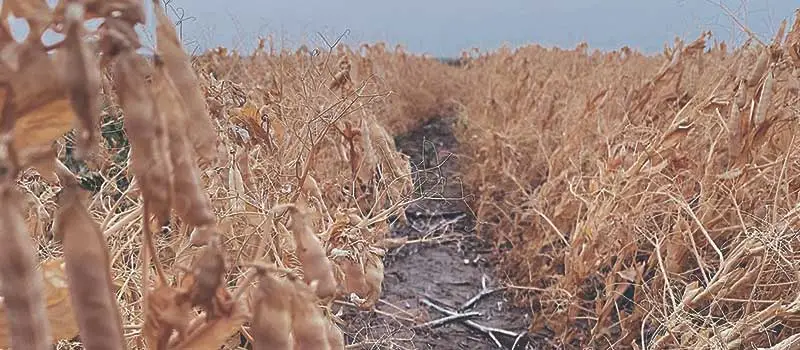
Root infections may kill vegetable harvests without warning. Flooding the soil or spraying seeds at the indicated rates early in the development cycle with hymexazol soluble concentrate formulations controls root disease in vegetable crops well. These should target soilborne pathogens Fusarium, Pythium, and Aphanomyces. This systemic insecticide prevents infections in the rhizosphere and promotes root growth with auxin-like biochemical actions. The fact that it protects and grows plants makes it unique among disease control strategies.
Understanding Hymexazol and Its Role in Root Disease Control
Hymexazol is a 3-hydroxy-5-methylisoxazole compound. These compounds destroy the plant circulatory fungus. Contact fungicides linger on leaves, but this active component rises from roots via acropetal transfer to protect and repair disease sites.
Chemical Properties and Mode of Action
Chemical formula C4H5NO2 shows hymexazol's basic yet useful structure. It dissolves swiftly on soil or seeds and enters root tissues within hours. The chemical prevents fungal cell membranes and mycelial development, killing Oomycetes and Fusarium species that thrive in chilly, moist soil. This mechanism prevents fungal infections and activates metabolic pathways that improve root hair density and nutrient absorption.
Scientists found that plants break down hymexazol into auxin-like O-glucoside compounds. This molecular shift gives treated crops superior root structure and cold resilience compared to untreated controls, even when the disease burden is modest.
Target Pathogens in Vegetable Production
Soil-borne hazards make it difficult for plants to establish early in the season and diminish vegetable sales for commercial producers. Pythium species moisten and crumple cucumber, tomato, and pepper seedling stems along the soil line. This is damping-off. Fusarium oxysporum damages lettuce and cabbage circulatory cells, causing wilting even with abundant water. Root rot from Aphanomyces cochlioides renders sugar beets and spinach unable to absorb water.
Hymexazol overcomes these issues by fighting several microorganisms. It acts against Corticium solani (Rhizoctonia) assaults in cruciferous vegetables, while conventional fungicides fail due to fungal resistance. Systemic implies the active ingredient can reach infection sites deep in root zones that soil fungicides can't.
Benefits Beyond Disease Suppression
Hymexazol combinations reduce diseases and improve crop profitability. In field testing, treated vegetable transplants generate larger root mats that increase transplant mortality by 15–25%. This helps when planting in spring, when the soil is 50°F–60°F, root infections are frequent, and natural root development slows.
It may be employed in integrated pest management systems that prioritise worker safety and environmental responsibility since it is low in mammalian toxicity (WHO Class III). Hymexazol breaks down swiftly in soil via microbial degradation, leaving nothing to alter crop rotation or organic matter quality. Previous fungicides took longer to break down.
Guidelines for Effective Application of Hymexazol
To manage diseases effectively, treatment approaches should fit crop kinds, disease pressure, and production processes. Business success depends on knowing when, how much, and how varied formulations affect soil conditions. Rooting is best protected by precise hymexazol timing.
Recommended Dosage and Formulation Selection
Hymexazol comes in 15%, 30%, and 97% TC. The 30% soluble concentrate formula is the most popular for growing vegetables since it contains enough active ingredients and is simple to combine. The average treatment rate is 200–400 grams of active ingredient per hectare, depending on disease history and crop sensitivity.
Apply 0.5 to 1.0% (5 to 10 mL of 30% SL per kilogram of seed) to seeds. This rate protects seedlings during sprouting without harming them. Mix 300–500 mL of 30% SL with 100 litres of water per hectare for field beds or transplant boxes to saturate the soil. The light yellow liquid mixes thoroughly with water without emulsifiers, spreading evenly across irrigation systems.
Application Timing and Methods
Application is extremely critical from the seedling appearance to three or four leaves. This is when infections are most likely to harm developing roots. Three reliable application techniques always work:
Seed treatment: Cover seeds with slurry or film-coating 24–48 hours before sowing. This works effectively for direct-seeded beans, peas, and sweet corn, where early protection prevents stand loss. Systemic absorption begins during imbibition, protecting developing radicles.
Dampen plug trays or seedling flats two to three days before transplanting. Roots absorb the active ingredient and disperse it safely throughout the field, reducing transplant shock and soil-borne diseases in early development. This strategy reduced transplant deaths in tomato and pepper fields by 30%.
Hymexazol may be banded along seed furrows or all over high-value crops before sowing. This approach creates a zone of treated soil that protects roots from contamination. Mechanically inserting 2–3 inches ensures active root zone contact.
Safety and Environmental Considerations
Hymexazol has superior environmental properties compared to prior systemic fungicides. Normal field soil has a half-life of 7-14 days for the chemical. It degrades by chemical hydrolysis and microorganisms. This fast breakdown reduces groundwater contamination and helps farmers switch crops without leftovers.
Mixers and applicators should use gloves and eye protection. The combination has minimal dermal absorption risk; it must be handled properly to prevent skin contact. Things last a long time in sealed containers away from extreme temperatures. In warehouse temperatures between 40°F and 85°F, they may survive over two years.
Hymexazol is registered in all major agricultural markets; requirements vary. Buyers should verify local registration and crop listings before purchasing. This is crucial when purchasing for international markets with tight residual limitations.
Hymexazol vs. Other Fungicides: Making the Right Choice
Growers of vegetables and people who sell agrochemicals have a lot of fungal choices, and each one works and costs differently. When procurement teams know about comparative benefits, they can make choices that balance effectiveness, managing resistance, and staying within budget.
Performance Comparison with Common Alternatives
The most used Oomycete insecticide is metalaxyl; Pythium and Phytophthora are growing resistant. Hymexazol kills more infections than metalaxyl, including Fusarium. The growth-promoting side effects make it desirable for nurseries that favour transplant quality over metalaxyl variants.
Benzimidazoles like carbendazim and thiophanate-methyl have gained tolerance in vegetable-growing regions. This drug targets tubulin synthesis, making single-point mutations simple to avoid. Hymexazol's isoxazole chemistry has limited benzimidazole resistance. It mixes nicely with them and may be used in cycle plans to prolong field life.
Hymexazol costs 10–15% more than metalaxyl products, but it performs as well or better at lower dosages, according to research. Encouragement of growth frequently pays for itself in greater transplant health and cheaper replanting expenses.
Resistance Management Strategies
Fungicide resistance threatens all disease-controlling chemicals in the long term. FRAC classifies hymexazol in Group 32, meaning it functions differently from other fungicides. This makes it valuable for rotation schemes that reduce resistance buildup.
In various growth seasons, integrated strategies should vary between hymexazol and FRAC groups, like Group 4 (phenylamides) or Group 11 (QoI fungicides). Avoid repeating actions in a crop cycle. Isoxazole chemistry is helpful for long-term illness management since it shows limited resistance.
Tank-mixing effective fungicides is another practical resistance-management approach. Combinations like Isoprothiolane 10%+hymexazol 30% SL improve control of complex infections and allow each active ingredient to perform effectively even when single-active products fail. Such mixtures help maintain disease control while reducing the risk of resistance.
Real-World Case Studies and Best Practices
Using hymexazol correctly has measured effects on agriculture and the economy in a variety of vegetable production methods, as shown by real-world examples.
Success Stories from Commercial Operations
In California's Salinas Valley, a 500-hectare lettuce farm had to deal with Fusarium wilt that cut usable yields by 20–30%, even though crop rotation was used. Three days before planting in the field, the grower used a 30% SL mixture and 400 mL per 100 liters to wet the transplant trays. Over two growing seasons, the number of plants that wilted dropped from 28% to 7%, and the number of plants that survived transplants rose from 82% to 96%. The economic return was more than $1,200 per hectare because pack-out rates went up and the amount of work needed to replace trees went down.
In Florida, a regional vegetable transplant farm that grows 15 million plants a year had trouble with Pythium damping-off in tomato and pepper trays during the humid summer months. Damping-off losses dropped from 12% to less than 3% after moving from metalaxyl to hymexazol seed treatment and light tray wash at emergence. The nursery also saw better root growth, which made customers happier and let them charge more for treated cuttings.
Troubleshooting Common Challenges
The environment has a big effect on how well hymexazol works. In cold, wet soils, roots take longer to take in nutrients, and the soil's nutrient levels are lowered through leaching. If these things happen, you should increase the number of applications by 20 to 25 percent and think about using split applications instead of single treatments. When the temperature drops, the benefits of better root growth become stronger, which helps to make up for the lower fungicidal activity.
Soils that are alkaline (pH above 8.0) can speed up the breakdown of chemicals. When making spray solutions, make sure the pH of the watering water is in the normal range (6.5–7.0) for the best stability. If you have used alkaline products in the tank before, they can sometimes make hymexazol formulations less effective, so make sure you rinse all of your tools well before mixing them.
Some growers say they get different results in areas that are heavily infected with many different pathogens. In these cases, mix hymexazol with chemicals that work against different secondary bacteria. Instead of using broad-spectrum methods, testing the soil to find the most common disease-causing organisms helps make treatment plans fit the conditions of the field.
Purchasing and Sourcing Hymexazol for B2B Clients
When making purchasing choices, it's important to look at how reliable the seller is, check the quality of the products, and make sure that all the rules are followed so that crops are protected consistently and the supply chain stays stable.
Selecting Verified Suppliers and Quality Standards
Manufacturers you can trust give you Certificates of Analysis (COA) that show the concentration of the active ingredient, its physical qualities, and a list of any impurities that were found in each production run. Verification of the COA should prove that the purity levels meet the label's requirements, which are usually at least 97% for technical concentrates and the correct concentrations stated for formulated goods. Hebei Hontai Biotech Co., Ltd. uses standard testing methods to keep quality high and offers products at 15% SL, 30% SL, and 97% TC, all of which have stability data that can be shown.
Regulatory paperwork is needed to clear an import and follow the law. Make sure that the providers give you Safety Data Sheets (SDS) that meet the needs of the target country, as well as EPA registration numbers for U.S. markets and data on residue tolerance for crops that will be exported. Authorized wholesalers shouldn't act as unreliable middlemen; instead, they should show that they have established relationships with certified makers.
Logistics and Procurement Considerations
Buying in bulk saves costs for large-scale distributors. Container-load orders (usually 20,000–25,000 liters for liquids) reduce unit prices by 25–35% compared to pallet quantities. Because the shelf life of Hymexazol 30% SL is typically two years, inventory planning is crucial to minimize storage time while maintaining supply availability.
International shipments can take anywhere from 45 to 75 days, based on the logistics system at both the start and the target. Plan your buying cycles properly, especially if you need to get things for spring planting and can't wait for supplies to arrive. When you work with reliable suppliers, they keep a buffer stock and are open about production plans and shipping goals.
Price rates show how much raw materials cost and how much of a factory's potential is being used. On the market right now, 30% SL formulations cost between $12 and $16 per liter when bought in bulk, and scientific concentrate costs between $35 and $42 per kilogram. OEM and private-label services let wholesalers make their own brands and create the packaging for them, which helps them stand out in the market while keeping the quality of the manufacturing.
Conclusion
Root diseases that come from the soil are a constant problem for veggie farmers, but hymexazol has been shown to help. Its systemic action against important pathogens and growth-promoting effects make it useful for both improving food health and making money. To make implementation work, you need to make sure that the types of formulations and treatment methods used are right for each crop system and that you are aware of the concepts of resistance management. As diseases get worse and earlier fungicides become less effective, hymexazol's special way of working and good effects on the environment make it an important part of long-term veggie production plans. When procurement teams work with well-known makers, those manufacturers provide quality paperwork, legal support, and reliable logistics that make sure there is a steady supply during important planting windows.
FAQ
1. What is the optimal dosage for seed treatment applications?
Mix 5–10 milliliters of 30% SL formulation per kilogram of seed to make a solution concentration of 0.5–1.0%. This is for treating the seeds of veggie crops. This rate gives enough safety during sprouting without hurting the plants. Cover seeds with a seed coat 24 to 48 hours before planting to let the oils soak into the seeds.
2. How does hymexazol compare to metalaxyl for root rot control?
Metalaxyl is good at killing Oomycetes, but hymexazol can kill a wider range of species, such as Fusarium and Aphanomyces. It is different from metalaxyl because it has growth-promoting effects similar to auxin. This makes it especially useful for operations that put transplant energy ahead of disease control. Concerns about resistance make hymexazol a better choice in places where metalaxyl-resistant pathogens have been found.
3. Are there environmental safety concerns with regular use?
Hymexazol doesn't last long in the environment; its half-life in soil is only 7–14 days, and it breaks down quickly due to bacterial activity and water. It stays in WHO Class III for toxins, and there isn't much of a chance that it will pollute groundwater. When and how much to use are very important for making sure that integrated pest control systems meet U.S. and European safety standards.
Partner with a Trusted Hymexazol Supplier
For root disease control to work consistently, you need more than just good products. You also need to be able to rely on partnerships with experienced makers who know how to deal with problems in global agriculture. Hebei Hontai Biotech Co., Ltd. offers technical know-how along with a range of formulation choices, such as 15% SL, 30% SL, and 97% TC. All of these options are backed by full COA paperwork and governmental support. Our skilled team can answer technical questions quickly, make labels that are specific to private-label programs, and handle global processes in a way that keeps planting schedules. If you're a business grower looking for large amounts or a distributor wanting to offer more crop protection products, we'd love to talk to you about how our hymexazol formulations can help your disease control plans. Email our sales team at admin@hontai-biotech.com to get information about our products, mass order prices, or technical advice that is special to your crop and market.
References
1. Schlub, R.L., & Lockwood, J.L. (1981). "Etiology and Epidemiology of Seedling Rot of Soybean by Pythium ultimum." Phytopathology, 71(2), 134-138.
2. Farr, D.F., Bills, G.F., Chamuris, G.P., & Rossman, A.Y. (1989). Fungi on Plants and Plant Products in the United States. St. Paul: APS Press.
3. Cohen, Y., & Coffey, M.D. (1986). "Systemic Fungicides and the Control of Oomycetes." Annual Review of Phytopathology, 24, 311-338.
4. Hadar, Y., Harman, G.E., & Taylor, A.G. (1984). "Evaluation of Trichoderma koningii and T. harzianum from New York Soils for Biological Control of Seed Rot Caused by Pythium spp." Phytopathology, 74(1), 106-110.
5. Brent, K.J., & Hollomon, D.W. (2007). Fungicide Resistance: The Assessment of Risk, 2nd Edition. Brussels: Fungicide Resistance Action Committee.
6. Martin, F.N., & Loper, J.E. (1999). "Soilborne Plant Diseases Caused by Pythium spp.: Ecology, Epidemiology, and Prospects for Biological Control." Critical Reviews in Plant Sciences, 18(2), 111-181.
Our customers’ satisfaction speaks for our quality — contact us to experience the same reliable service.