- English
- French
- German
- Portuguese
- Spanish
- Russian
- Japanese
- Korean
- Arabic
- Greek
- German
- Turkish
- Italian
- Danish
- Romanian
- Indonesian
- Czech
- Afrikaans
- Swedish
- Polish
- Basque
- Catalan
- Esperanto
- Hindi
- Lao
- Albanian
- Amharic
- Armenian
- Azerbaijani
- Belarusian
- Bengali
- Bosnian
- Bulgarian
- Cebuano
- Chichewa
- Corsican
- Croatian
- Dutch
- Estonian
- Filipino
- Finnish
- Frisian
- Galician
- Georgian
- Gujarati
- Haitian
- Hausa
- Hawaiian
- Hebrew
- Hmong
- Hungarian
- Icelandic
- Igbo
- Javanese
- Kannada
- Kazakh
- Khmer
- Kurdish
- Kyrgyz
- Latin
- Latvian
- Lithuanian
- Luxembou..
- Macedonian
- Malagasy
- Malay
- Malayalam
- Maltese
- Maori
- Marathi
- Mongolian
- Burmese
- Nepali
- Norwegian
- Pashto
- Persian
- Punjabi
- Serbian
- Sesotho
- Sinhala
- Slovak
- Slovenian
- Somali
- Samoan
- Scots Gaelic
- Shona
- Sindhi
- Sundanese
- Swahili
- Tajik
- Tamil
- Telugu
- Thai
- Ukrainian
- Urdu
- Uzbek
- Vietnamese
- Welsh
- Xhosa
- Yiddish
- Yoruba
- Zulu
How does azoxystrobin work?
share:
Azoxystrobin works by stopping electron transfer at Complex III (cytochrome bc1 complex) in fungus cells, which results in mitochondrial respiration being slowed down. This process stops the production of ATP, which stops the growth of spores and mycelium before they show any signs on plants. This strobilurin-class fungicide is a quinone outside inhibitor (QoI), which means it stops and treats a wide range of plant diseases quickly. This makes it an essential tool for industrial farming around the world.
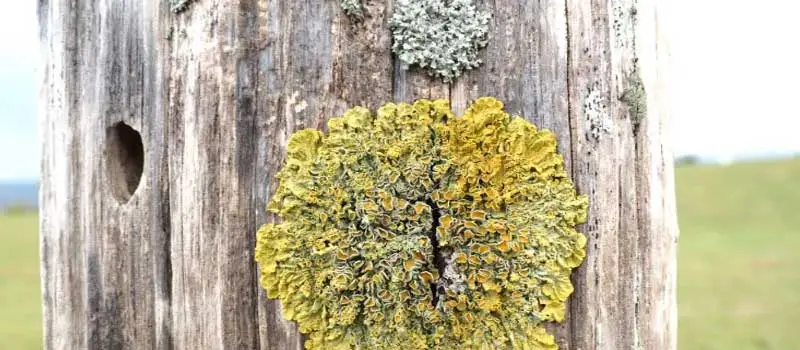
Understanding Azoxystrobin: What It Is and How It Works
The Science Behind the Molecule
The main ingredient is a strobilurin chemical, which comes from natural substances found in fungi that break down wood. This man-made fungicide, which has the chemical structure C22H17N3O5 and the CAS number 131860-33-8, works like nature's defenses but is more stable and effective.
When the substance is put on plants, it moves through the leaf tissue translaminarly and forms a shield that protects both the outside and the inside of the plant. This two-part action is what makes it work even after light rain; it usually becomes waterproof within two hours of being applied.
Mode of Action Explained
The pesticide goes after the Qo site of the cytochrome bc1 complex. This stops the fungus cells from making energy, which kills them. This systemic method protects longer because it targets the pathogen at the cellular level, unlike contact fungicides that only cover the surface.
This chemical is unique because it works against all four main types of fungi: Ascomycetes, Basidiomycetes, Deuteromycetes, and Oomycetes. Because it works on a wide range of diseases, including powdery mildew, rust, downy mildew, and rice blast, one product can handle them all.
The Greening Effect Advantage
In addition to protecting against diseases, studies show that treated crops are better at making food through photosynthesis. The chemical stops the production of ethylene and makes it easier for plants to take in nitrogen, which keeps leaves green for longer. This physiological gain directly leads to more biomass buildup, better grain filling, and higher usable yields—an important factor for large-scale operations that want to get the most money per hectare.
Application Methods and Crop Safety
Versatile Delivery Systems
Modern formulas, especially 25% pure suspension concentrate (SC) versions (250g/L), are flexible and can be used in a number of different ways. Foliar sprays are still the most common method. They can be used with boom sprayers on the ground or, more and more often, with drones for large areas. The water-based solution concentrate is safer for sensitive plants like grapes, potatoes, veggies, and fruit trees than older emulsifiable formulations because it lowers the risk of phytotoxicity.
Applying seed treatments protects seeds from soil-borne pathogens all season, which lowers the risk of disease in the early season, when plants are most susceptible. Soil soaking can be used in high-value greenhouse production to protect root zones and lower plant tissues specifically.
Crop-Specific Considerations
Applications timed between the booting and heading stages are good for cereal crops because they protect the flag leaf that drives grain growth. The movement of the whole system protects new growth even as the cover grows quickly during important breeding times.
Horticultural crops need to be fertilized more often because they grow quickly and are always being picked. Because it leaves behind little residue and can be used right before harvest, this fungicide works great for veggie farms that want to sell their crops and meet strict international residue standards.
High humidity and standing water in rice paddies present challenges because many fungicides lose effectiveness under these conditions. Formulations like azoxystrobin tebuconazole are stable in water and perform well against rice blast (Pyricularia oryzae) and sheath blight, making them a vital part of integrated rice disease management programs in Asia and increasingly in the southern US.
Azoxystrobin Resistance Management Strategies
Understanding Resistance Development
Precision is what makes QoI fungicides very successful, but it also makes them open to resistance. Pathogens only need one DNA change to become less sensitive to single-site inhibitors, so there is a higher risk of tolerance. There are documented cases of resistance in populations of grape powdery mildew, wheat septoria, and vegetable downy mildew that were treated more than once without rotating the treatments.
Symptoms of falling effectiveness include less disease control even when the right amount is applied, faster disease progression after application, and control patterns that aren't the same in all places. When problems are found early, they can be fixed before they spread and cause general pushback.
Integrated Resistance Management
For long-term use to work, conscious stewardship techniques are needed. Resistance can be stopped by switching fungicides between groups that work in different ways. Changing between DMI triazoles (FRAC Group 3) and SDHI fungicides (FRAC Group 7) breaks down selection pressure and keeps the population vulnerable.
Mixing multi-site protectants like chlorothalonil or mancozeb in a tank protects against resistance and increases the range of diseases that can be controlled. People who are strong and might be able to survive the systemic component alone are controlled by the protectant component.
When you apply something has a big effect on the resistance risk. By limiting use to important disease windows instead of calendar-based plans, you can keep the economic returns the same while lowering selection pressure. Scouting programs that use disease presence instead of preventative plans to start treatments can cut seasonal use by 30 to 40 percent.
Comparing Azoxystrobin to Other Fungicides in the Market
Performance Against Alternatives
Trifloxystrobin works in the same way as QoI, but it is slightly more selective for certain crops and doesn't get damaged by rain. Most of the time, the decision between these compounds is based on particular crop-disease combinations rather than differences in how well they work in general.
Chlorothalonil is a multi-site contact fungicide that has a low chance of resistance. However, it needs to be used more often and doesn't move through the system. It works well with tank mixes because it has a wide range of effects, but it doesn't have the greening and yield-boosting effects of strobilurin chemistry.
Copper-based goods are useful for organic farming, but they pose higher risks to plants and raise environmental worries about how they build up in the soil. Instead of focusing on fungi like strobilurin chemicals do, they are more likely to fight bacterial conditions.
Economic Considerations for Bulk Procurement
The price per hectare changes a lot depending on the concentration of the formulation, the size of the package, and how the market is moving in the area. Prices for the 25% SC formulation range from $45 to $65 per liter, based on order amounts and supply agreements. This makes it a good choice for big businesses that buy in bulk.
To figure out the return on investment, you have to take into account things like protecting the yield, improving quality, and using the product less often than with shorter-residue goods. In grain production, studies show that ROI can be anywhere from 3:1 to 8:1, based on the number of diseases and how soon the treatment is used.
Safe and Environmentally Responsible Use of Azoxystrobin
Operator Safety Protocols
Personal safety tools like chemical-resistant gloves, protective glasses, and long-sleeved clothing are required when working with concentrated formulations. The suspension concentrate mixture, such as azoxystrobin 20 idenoconazole 12.5sc, reduces the risk of inhaling dust compared to wettable powders, but proper ventilation during mixing is still essential.
The way a product is stored affects how safe and stable it is. Keeping the original containers out of direct sunlight and at temperatures between 5 and 35°C keeps the effectiveness and stops degradation that could change safety ratings.
Environmental Fate and Ecology
The half-life of soil varies from 20 to 90 days, based on temperature, wetness, and microbial activity. This is long enough to keep diseases at bay without letting them build up over time. Moderate water solubility (6 mg/L at 20°C) and strong soil binding properties limit the amount that can be leached from farming soils that are properly managed.
To protect fish and aquatic animals from marine toxins, buffer zones must be set up near bodies of water, as required by the label and local laws. At field use rates, the compound is not harmful to birds or animals, which supports its good environmental character when used according to the rules.
Pollinator safety has been studied a lot because people around the world are worried about bee health. Field studies show that honeybees aren't at much risk as long as treatments don't come into direct contact with them while they're foraging, which is a normal safety warning that's written on product labels.
Procurement Insights: How to Source High-Quality Azoxystrobin
Identifying Reliable Manufacturing Partners
Decisions about where to get goods have a big effect on how well distributors and large farming businesses run their businesses. Hebei Hontai Biotech Co., Ltd. is an example of a company that makes technical-grade fungicides and has quality control methods that can be proven. This farm biotechnology business is in Shijiazhuang, which is in the province of Hebei. They make different formulas, such as the 25% SC suspension concentrate, which meets international quality standards.
Verification of the product is still very important when judging sources. Key signs include proper recording of the active ingredient content through HPLC analysis, particle size distribution data proving the right suspension properties, and stability testing showing the product's shelf life under different store circumstances. Manufacturers that are legitimate send safety data sheets that meet international standards, records of analysis, and proof that they follow all the rules with every batch of products they make.
Negotiating Bulk Purchase Agreements
Commercial buyers can get better prices when they commit to buying in bulk. Large-scale farming operations that sign annual contracts can often get price cuts of 15–25% compared to buying on the spot market. These contracts also guarantee a supply during peak application seasons.
Different working scales need different types of flexible packaging. Retail formulations come in bottles that hold 1 to 5 liters, but 200-liter drums or IBC totes are better for business distributors because they save money per unit and reduce packaging trash. In competitive regional markets, customization services like private labels and recipe changes can help distributors set their products apart.
Ensuring Supply Chain Reliability
A supplier's ability to handle logistics around the world separates them from sources that aren't trusted. Manufacturers who have a history of exporting, the right licenses for handling dangerous goods, and experience with international phytosanitary requirements can still get their products to customers on time, even when regulations are complicated.
Technical help after the sale adds a lot of value to the goods themselves. Having access to agronomic advice, advice on how to deal with resistance, and application fixing helps buyers get the most out of their products and build customer trust in later markets.
Conclusion
When procurement professionals and agronomists know how azoxystrobin stops fungal respiration at the cellular level, they can use this tool wisely in disease control plans that cover the whole field. Its ability to kill a wide range of fungal types and its physiological effects that increase crop yields make it an important insecticide in industrial agriculture. Rotation and tank-mixing techniques are important for managing reluctance and making long-term use work. This fungicide has real economic benefits when bought from reputable companies that offer quality assurance, flexible formulations, and expert support. It also helps with the sustainable growth of farming that is needed to address global food security issues.
FAQ
1. What diseases does azoxystrobin control most effectively?
The fungicide works very well on cereals, veggies, fruits, and field crops to kill powdery mildew, downy mildew, rust diseases, leaf spots, net blotch, rice blast, and different anthracnose pathogens. Ascomycete, Basidiomycete, Deuteromycete, and Oomycete are just some of the fungus groups that it can kill. This means that it can be used to treat a lot of different diseases with just one active ingredient.
2. How often should azoxystrobin be applied during the growing season?
How often you apply it relies on how many diseases are present, what stage of growth the food is in, and the weather. Usually, there are two to four applications per season, spread out 10 to 21 days apart. The best results come from using preventative measures before the sickness starts to spread. Using fungicides with different modes of action between treatments stops resistance from building up and makes products last longer.
3. Can azoxystrobin be tank-mixed with other agricultural inputs?
Yes, the suspension concentrate recipe can be mixed with a lot of different insecticides, fungicides, and liquid fertilizers. However, it is best to test the mixture's physical compatibility first before mixing it on a big scale. Mixing multi-site protectant fungicides in a tank makes resistance control better. Stay away from highly alkaline items that could break down things, and always read the labels to see what combos are allowed.
Partner with Hontai for Premium Azoxystrobin Supply
Hebei Hontai Biotech Co., Ltd. makes high-quality fungicide mixtures, such as azoxystrobin 25% SC, that are used in industrial farming for a wide range of crop types. Our factory follows strict quality control rules to make sure that the active ingredients are always pure and that the solution has the right properties to work well in the field. As a well-known company that makes azoxystrobin, we can meet your needs for large purchases by offering a variety of packing choices, custom labeling services, and reasonable pricing that helps wholesalers and farming businesses make more money. Our professional technical team helps with everything, from choosing the right product to making suggestions for how to use it and how to deal with pushback. With global logistics skills, products can be delivered on time to places all over the world, along with all the necessary paperwork and service after the sale. You can talk to our buying experts about your fungicide needs, get product specs, or set up quality checks by emailing admin@hontai-biotech.com.
References
1. Bartlett, D.W., Clough, J.M., Godwin, J.R., Hall, A.A., Hamer, M., and Parr-Dobrzanski, B. (2002). The strobilurin fungicides. Pest Management Science, 58(7), 649-662.
2. Gisi, U., Sierotzki, H., Cook, A., and McCaffery, A. (2002). Mechanisms influencing the evolution of resistance to Qo inhibitor fungicides. Pest Management Science, 58(9), 859-867.
3. Köhle, H., Grossmann, K., Jabs, T., Gerhard, M., Kaiser, W., Glaab, J., Conrath, U., Seehaus, K., and Herms, S. (2002). Physiological effects of the strobilurin fungicide F 500 on plants. In Modern Fungicides and Antifungal Compounds III (pp. 61-74).
4. Hewitt, H.G. (1998). Fungicides in Crop Protection. CAB International, Wallingford, UK.
5. Fernández-Ortuño, D., Torés, J.A., de Vicente, A., and Pérez-García, A. (2008). Mechanisms of resistance to QoI fungicides in phytopathogenic fungi. International Microbiology, 11(1), 1-9.
6. Mueller, D.S., Wise, K.A., Sisson, A.J., Allen, T.W., Bergstrom, G.C., Bosley, D.B., Bradley, C.A., Broders, K.D., Byamukama, E., Chilvers, M.I., and Collins, A. (2016). Fungicide efficacy for control of soybean foliar diseases across the United States. Plant Health Progress, 17(3), 149-155.
Our customers’ satisfaction speaks for our quality — contact us to experience the same reliable service.