- English
- French
- German
- Portuguese
- Spanish
- Russian
- Japanese
- Korean
- Arabic
- Greek
- German
- Turkish
- Italian
- Danish
- Romanian
- Indonesian
- Czech
- Afrikaans
- Swedish
- Polish
- Basque
- Catalan
- Esperanto
- Hindi
- Lao
- Albanian
- Amharic
- Armenian
- Azerbaijani
- Belarusian
- Bengali
- Bosnian
- Bulgarian
- Cebuano
- Chichewa
- Corsican
- Croatian
- Dutch
- Estonian
- Filipino
- Finnish
- Frisian
- Galician
- Georgian
- Gujarati
- Haitian
- Hausa
- Hawaiian
- Hebrew
- Hmong
- Hungarian
- Icelandic
- Igbo
- Javanese
- Kannada
- Kazakh
- Khmer
- Kurdish
- Kyrgyz
- Latin
- Latvian
- Lithuanian
- Luxembou..
- Macedonian
- Malagasy
- Malay
- Malayalam
- Maltese
- Maori
- Marathi
- Mongolian
- Burmese
- Nepali
- Norwegian
- Pashto
- Persian
- Punjabi
- Serbian
- Sesotho
- Sinhala
- Slovak
- Slovenian
- Somali
- Samoan
- Scots Gaelic
- Shona
- Sindhi
- Sundanese
- Swahili
- Tajik
- Tamil
- Telugu
- Thai
- Ukrainian
- Urdu
- Uzbek
- Vietnamese
- Welsh
- Xhosa
- Yiddish
- Yoruba
- Zulu
Is azoxystrobin a systemic fungicide?
share:
In fact, Azoxystrobin does work as a systemic fungicide that is both translaminar and locally systemic. It goes from the top to the bottom of the leaves and around parts of the plant that have been handled. It doesn't move much from side to side across the whole plant, though. By stopping fungus from breathing, Azoxystrobin, a member of the strobilurin chemical family, stops the spread of illness. This is a great way to keep broad-spectrum fungal diseases under control in industrial agriculture because it can protect both treated areas and new growth.
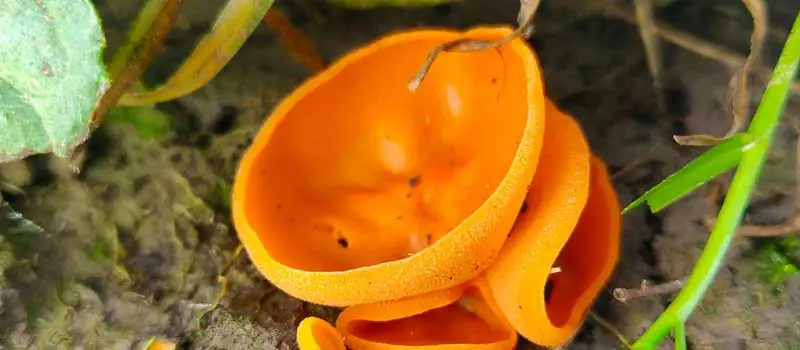
Understanding Azoxystrobin and Its Mode of Action
The new crop protection drug Azoxystrobin is a big step forward. It comes from chemicals that are found naturally in mushrooms and break down wood. It stops the making of ATP at the cytochrome bc1 complex in mitochondrial respiration because it is a quinone outside inhibitor (QoI). This is important for the fungus to stay alive.
Chemical Structure and Formulation Types
The molecular name for the main ingredient is 131860-33-8, and its CAS number is C22H17N3O5. Hontai makes very pure mixes like 98% Technical Concentrate, 25% Suspension Concentrate (SC), and 50% Water Dispersible Granules (WDG). The WDG mix is easy to spread out and work with on a large scale. It comes in the form of white powder or yellow grains. These versions make sure that the drug is accessible and lower the risks of phytotoxicity that come with versions that use a lot of solvents.
People who work in procurement and are in charge of high-value export crops should pay extra attention to the 25% SC recipe. Because of the way its particles are spread out, D90 stays below 5 micrometers. This means that it covers and soaks up more leaves. No matter where it is, the solution works the same way when mixed with water. Its pH level stays between 6.0 and 8.0.
How Systemic Action Benefits Disease Control
Contact fungicides stay on the leaf surfaces, but Azoxystrobin gets deep into the plant tissue and moves around inside the area that it has been applied to. Even if the spray covering isn't perfect, this translaminar action goes over both sides of the leaves. This helps a lot for plants like grapes and wheat that have thick crowns. Researchers have found that uses made early in the disease process can both fix and protect. This means that people don't need as many treatments each year.
When plants are growing quickly and getting new leaves in between sprays, the orderly behavior works really well. Some triazole fungicides work throughout the circulation system, but Azoxystrobin only works in parts of it. It does protect growing fruit and leaves, which is important for B2B markets because it keeps crop quality standards.
Spectrum of Activity Against Fungal Diseases
This bug killer works on four main types of fungi that hurt plants: Ascomycetes, Basidiomycetes, Deuteromycetes, and Oomycetes. On a commercial level, it works really well against rice blast (Pyricularia oryzae), wheat rusts, powdery mildew species, downy mildew pathogens, late blight in potatoes and tomatoes, apple scab, and Septoria leaf spots.
Agronomists see a "greening effect" where treated crops keep up their photosynthesis activity longer than untreated ones. This is in addition to directly fighting diseases. These health benefits come from Azoxystrobin's ability to stop the production of ethylene and improve the uptake of nitrogen. This directly increases the quality and quantity that can be sold. Farmers who grow commercial wheat say that the test weight and protein content have gone up. Farmers who grow vegetables say that their crops last longer after they are picked, which is very important for handling in markets where prices are competitive.
Application Guidelines and Safety Considerations for Azoxystrobin
We need to know the right time, rates, and safety rules for implementation to work well and protect people, helpful organisms, and natural resources. Products such as Azoxystrobin difenoconazole offer combined benefits for broader disease control, but proper application is critical to maximize effectiveness and reduce risk.
Recommended Application Rates and Timing
Rates of use vary depending on the mix, the type of food, and the number of diseases present. For most crops, 150 to 250 ml per hectare of grains and 200 to 400 ml per hectare of high-value fruits and vegetables are mixed with 25% SC. When you start treatments, as soon as you find a disease or to keep it from happening—is very important. Treatments should begin during growth stages that are more likely to cause damage, like flowering and fruit set.
Farmers who grow grain should use between tillering and flag leaf appearance because that's when they can protect the tissue that affects yield. A farmer can treat their crops against the blast disease when the panicles appear, which is during the booting to the starting stages. When plant farms see the first signs of powdery mildew, they start programs. These programs are repeated every 10 to 14 days when there is a lot of stress.
The material stops letting water through within two hours of being put down, so losses from quick rain are kept to a minimum. Putting together goods that work well together in a tank helps fight resistance and gets diseases to more places. Physical and chemistry tests should be done first, though, before mixing on a big scale.
Resistance Management Strategies
As a Group 11 fungicide according to FRAC, Azoxystrobin has been shown to lose some of its pathogen-killing power after being used over and over in the same way. When small changes are made to the cytochrome b gene, the binding spot becomes less sensitive. This leads to resistance. Commercial businesses need to use strategic resistance management to keep going.
It's a good idea to use fungicides from different groups that work in different ways, like triazoles (FRAC 3) or SDHIs (FRAC 7), to only use them during the growing season (usually two to three times per crop cycle) and to mix protectant fungicides in the tank. Keep an eye on the results of disease control to spot early signs of resistance. This lets changes be made to the program before it stops working completely.
Comparative Analysis: Azoxystrobin vs Other Fungicides
They can make disease control plans and cost structures better if they know how this active ingredient compares to other drugs.
Azoxystrobin vs Trifloxystrobin
There are two types of strobilurins, which means they both work on the same kinds of illnesses. Trifloxystrobin vaporizes a little more, which helps with the spread on leaf surfaces that are slippery. Azoxystrobin, on the other hand, protection lasts longer and stays in place better in the rain, so it doesn't need to be repeated as often. When it comes to price, Azoxystrobin is generally the better choice for large-scale grain tasks. Trifloxystrobin, on the other hand, might work better for valuable plants that need a lot of air flow through a thick canopy. Because these drugs have cross-resistance, they need to be used in different forms that are not in FRAC Group 11.
Azoxystrobin vs Chlorothalonil
Chlorothalonil is a broad-spectrum contact poison, which means it doesn't stay on the body. To work, it has to be spread all over the area. It has a very low chance of resistance and works at more than one site. However, it doesn't have the translaminar movement and greening effect that Azoxystrobin does. Both are used in a lot of apps that do both. As a basic defense, chlorothalonil works, and Azoxystrobin helps the body's processes and is good for its health. It works really well in projects to stop potato and tomato late blight, since rules meant to protect the environment limit the use of chlorothalonil.
Azoxystrobin vs Boscalid and Copper-Based Products
It is a great fit for recycling because boscalid (FRAC Group 7, SDHI chemistry) works in a different way and has systemic action. The latter doesn't work very well against Sclerotinia and Botrytis species, but this one does. Copper-based fungicides mostly protect the surfaces of living things, but they don't move through the system and can sometimes be harmful to plants.
From a procurement standpoint, buyers should look beyond simple unit pricing. They need to consider resistance management, regulatory compliance, total cost per hectare, and long-term crop protection benefits, all of which Azoxystrobin 20 Difenoconazole 12.5 addresses effectively.
Procurement Insights: How to Buy Azoxystrobin for Your Business
In order to get something, you need to think about the supplier's reputation, the product details, the shipping, and the total value, which is more than just the price.
Selecting Verified Manufacturers and Distributors
Keeping an eye on goods to make sure they are real and maintain their quality is key to keeping diseases under control. If you work directly with manufacturers like Hebei Hontai Biotech Co., Ltd., you can be sure that the formulations you get are accepted and meet foreign standards. Hontai stays up to date on its ISO9001 license by keeping records of its quality control systems all the way through the production process. When you have direct ties with makers, you know where the active ingredients come from, how consistent the formulations are, and what information the government needs to make sure that imports are legal.
When you compare different sources, make sure to look at the analysis reports that show the physical properties like pH and susceptibility, as well as the amount of active ingredients and impurity profiles. Reputable manufacturers keep track of all of their goods as they move through the supply chain and provide papers for each batch.
Understanding Pricing Structures and Volume Considerations
Businesses that sell and grow crops can save a lot of money when they buy in bulk. Pure grades, recipe types, and order numbers are all taken into account in the Azoxystrobin price. People who make finished formulations use technical-grade material that is 95% to 99% clean. Blends like 50% WDG or 25% SC are bought by end users.
Savings on volume usually start at an order size of 500 kg or more, and the savings get even better as the amount goes up to several tons. Prices and availability are changed by changes in demand that happen with the seasons. Forward leasing is a good choice for companies whose needs are stable from year to year. Not only should wholesalers look at FOB prices, but they should also look at landing costs, which include freight, import taxes, and storage costs.
Logistics and Supply Chain Reliability
Hontai is in Shijiazhuang, which is in Hebei Province. Because it is close to important ports, it is easy for them to ship items inside and outside of China. When an order is confirmed, it usually takes between two and four weeks for a containerized package to arrive. However, this varies depending on where the shipment is going and how quickly customs processes it. You can escape supply problems during times of high demand by getting to know sellers and making sure you have enough stock on hand.
How easy it is to handle and how much room it needs to store depend on the type of packing. 25% SC versions usually come in 1-liter bottles or 200-liter drums for big jobs. Azoxystrobin 50% WDG, on the other hand, is sent out in 1 kg metal foil bags or 25 kg fiber drums. Custom labels and private branding services can be used by distributors who are making their own lines of goods.
Things stay stable for two to three years longer if they are kept in their original, sealed boxes in cool, dry places. With this shelf life, you can buy a lot of something when the price is low without having to worry about it going bad.
Conclusion
Because it functions on numerous levels, guards against a variety of diseases, and has positive health effects, Azoxystrobin is a crucial component of modern crop security systems. Its translaminar movement stops diseases well, even if the spray coverage isn't perfect, and the greening effect makes the yield and quality better in a controlled way. To make distribution work well, you need to know when to run apps, how to deal with pushback, and only buy from companies that have been checked out and meet strict quality standards. Azoxystrobin always protects crop investments and makes sure that harvests can be sold in a wide range of farming systems when it is mixed with other drugs and cultural practices that work well together.
Frequently Asked Questions
1. Can azoxystrobin be tank-mixed with other pesticides?
Physically and chemically, Azoxystrobin is effective with a wide variety of insecticides, herbicides, and fungicides. In tanks, different types of fungicides (such as chlorothalonil and propiconazole), poisons, and systemic fungicides from different FRAC groups are often mixed together. Before mixing in a big batch, you should always test in a jar to make sure everything works. Stay away from things that are very alkaline because they could cause breakdown. If you mix more than one active ingredient, make sure it works and is safe for the crop by reading the labels and getting in touch with technical support.
2. How does azoxystrobin affect beneficial insects and soil organisms?
Predatory mites and parasite wasps are two helpful insects that are not hurt much by the substance when it is used as stated on the label. Bees aren't in much danger as long as people don't get too close to them while they're looking for food. Microorganisms in the dirt have shown that the compound has short-term effects in some places where it is sprayed. The microbial populations, on the other hand, generally return to normal in 14 to 28 days as the compound breaks down. Earthworms are not easily hurt at the rates used in the field.
3. What crops benefit most from azoxystrobin applications?
High-value crops that get diseases in the same diseases as Azoxystrobin are the best way to make the most money. Some of these are potatoes, cabbage, peppers, apples, nuts, cereals (like wheat, rice, and corn), and plants that are used for decoration. It works well for rice farmers to fight blast disease, wheat farmers to fight rusts and powdery mildew, and veggie farms to stop early and late blight. Longer photosynthesis directly affects the quality and yield factors that can be sold, which makes crops more valuable.
Partner with Hontai for Reliable Azoxystrobin Supply
The fungicides that Hebei Hontai Biotech Co., Ltd. always sells are of good quality and meet the strict needs of industrial farming. The way we make Azoxystrobin is ISO9001-certified, which means that each batch meets strict quality and efficiency standards. We help wholesalers and large-scale makers by giving them a choice of formulations, low bulk prices, and dependable delivery schedules. We are a well-known business that can ship goods all over the world. Email our helpful staff at admin@hontai-biotech.com to talk about how you want to protect your crops and look into labels and packaging options that are made just for you. Hontai's skilled service network helps you achieve from the beginning to the end, from purchase to application.
References
1. Bartlett, D. W., et al. "The Strobilurin Fungicides." Pest Management Science 58.7 (2002): 649-662.
2. Fernández-Ortuño, D., et al. "Resistance to QoI Fungicides in Botrytis cinerea: Epidemiological and Molecular Aspects." Phytopathology 98.4 (2008): 443-451.
3. Fungicide Resistance Action Committee. "FRAC Code List: Fungal Control Agents Sorted by Cross-Resistance Pattern and Mode of Action." FRAC Publications, 2023.
4. Köhle, H., et al. "Physiological Effects of the Strobilurin Fungicide F 500 on Plants." Modern Fungicides and Antifungal Compounds III (2002): 61-74.
5. United States Environmental Protection Agency. "Reregistration Eligibility Decision for Azoxystrobin." EPA Publications, 2006.
6. Vincelli, P., and Tisserat, N. "QoI Fungicides: Benefits, Risks, and Resistance Management." The Plant Health Instructor (2008): doi:10.1094/PHI-I-2008-0428-01.
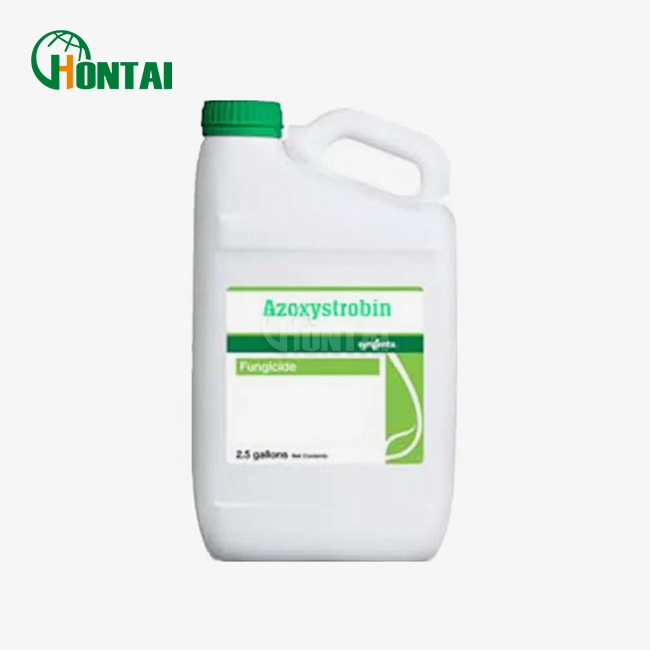
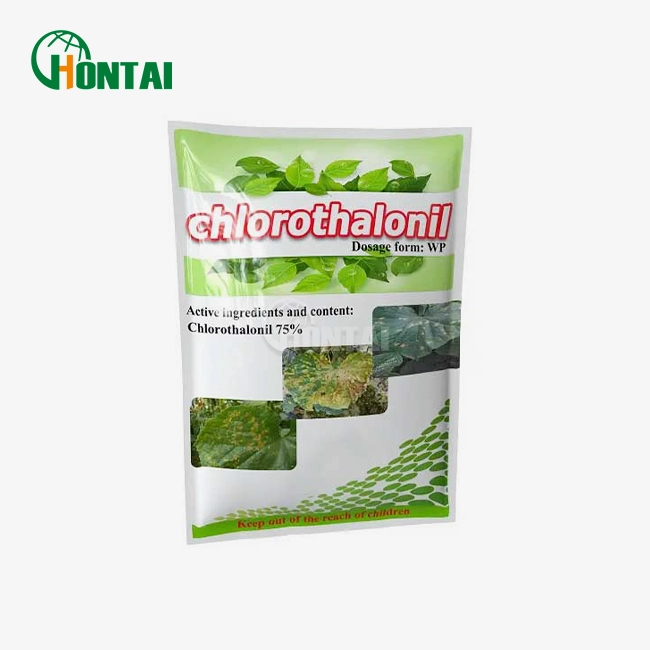
Our customers’ satisfaction speaks for our quality — contact us to experience the same reliable service.