- English
- French
- German
- Portuguese
- Spanish
- Russian
- Japanese
- Korean
- Arabic
- Greek
- German
- Turkish
- Italian
- Danish
- Romanian
- Indonesian
- Czech
- Afrikaans
- Swedish
- Polish
- Basque
- Catalan
- Esperanto
- Hindi
- Lao
- Albanian
- Amharic
- Armenian
- Azerbaijani
- Belarusian
- Bengali
- Bosnian
- Bulgarian
- Cebuano
- Chichewa
- Corsican
- Croatian
- Dutch
- Estonian
- Filipino
- Finnish
- Frisian
- Galician
- Georgian
- Gujarati
- Haitian
- Hausa
- Hawaiian
- Hebrew
- Hmong
- Hungarian
- Icelandic
- Igbo
- Javanese
- Kannada
- Kazakh
- Khmer
- Kurdish
- Kyrgyz
- Latin
- Latvian
- Lithuanian
- Luxembou..
- Macedonian
- Malagasy
- Malay
- Malayalam
- Maltese
- Maori
- Marathi
- Mongolian
- Burmese
- Nepali
- Norwegian
- Pashto
- Persian
- Punjabi
- Serbian
- Sesotho
- Sinhala
- Slovak
- Slovenian
- Somali
- Samoan
- Scots Gaelic
- Shona
- Sindhi
- Sundanese
- Swahili
- Tajik
- Tamil
- Telugu
- Thai
- Ukrainian
- Urdu
- Uzbek
- Vietnamese
- Welsh
- Xhosa
- Yiddish
- Yoruba
- Zulu
Tebuconazole Fungicide Uses and Applications in Crops
share:
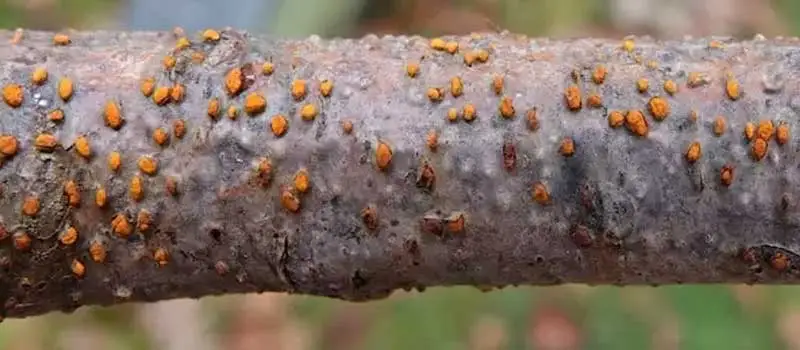
Triazole fungicides have been shown to help business growers protect their valuable crops from fungal illnesses that can be very harmful. Tebuconazole is a unique systemic pesticide that works against ascomycetes, basidiomycetes, oomycetes, and other fungi. Because it can be used for so many things, like protecting cereals, grapes, potatoes, veggies, and fruit trees, it is essential. It can be sprayed on leaves, seeds, or the ground. This guide talks about how people who work in B2B buying can use this powerful tool to make sure crops are healthy and get the most out of their yield.
Understanding Tebuconazole: Properties and Mode of Action
Tebuconazole is a triazole pesticide that is in the demethylation inhibitor (DMI) class and is part of FRAC Group 3. Its scientific name is (RS)-1-p-chlorophenyl-4,4-dimethyl-3-(1H-1,2,4-triazol-1-ylmethyl)pentan-3-ol, and it stops ergosterol biosynthesis, which stops fungus cell walls from forming. This system stops the spread of pathogens at the cellular level, which can be used to avoid, treat, or get rid of the disease.
Chemical Properties and Formulations
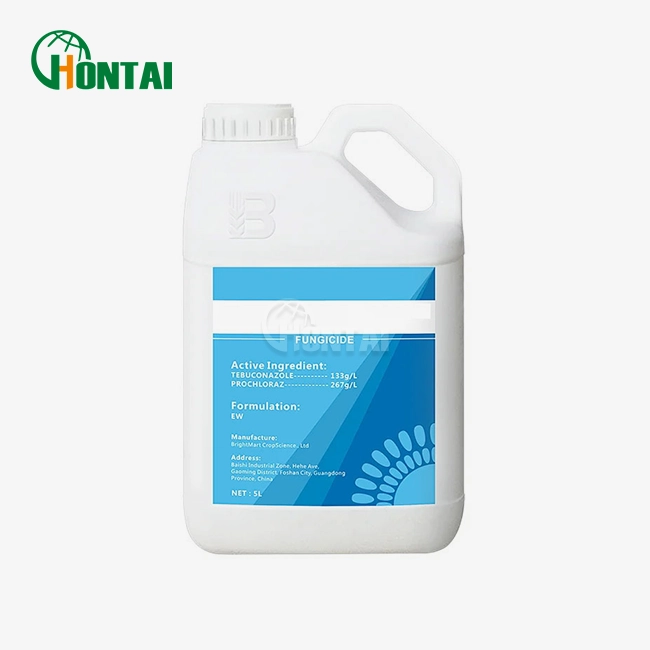
Different types of modern preparations are emulsifiable concentrate (EC) and suspension concentrate (SC). It's a milky white liquid that mixes easily with water, so Hontai's Tebuconazole 250g/L SC will cover evenly when applied. The SC version stays stable across a wide range of pH levels and can be wetted quickly (within 60 seconds). It is available in 25% and 43% purity levels. The small particle size range (D90 < 5–10 microns) ensures that the whole leaf surface is covered, which effectively lowers the disease load. The chemical formula C22H17N3O5 and the CAS number 131860-33-8 give buying teams important identification information for regulatory paperwork.
Systemic Action and Disease Control
This pesticide works throughout the plant, so it can move up through the plant's cells from where it was applied. This trait protects new growth even after the product has been applied, which makes the protected window bigger. The compound shows rainfast properties within one to two hours of being applied, so it keeps working even when the weather changes, which is usual in large-scale farming activities.
Tebuconazole is a drug that works well on many types of crops to prevent powdery mildew, rust diseases, net blotch, downy mildew, and rice blast. It works on important disease pressure points that risk yield and food quality, like Fusarium head blight in wheat and Septoria leaf blotch in cereals. Growers of oilseed rape benefit from its ability to fight both Phoma stem canker and light leaf spot. It also slows plant growth, which makes the plants more resistant to cold weather.
Comparative Analysis: Tebuconazole vs Other Fungicides
To get the most out of their disease control programs and cut down on costs, agricultural buyers who are looking at fungicide stocks need to be able to make clear comparisons.
Performance Against Alternative Active Ingredients
As a member of the strobilurin class, azoxystrobin tebuconazole are very good at stopping diseases but not as good at curing them as triazole chemistry. While azoxystrobin combinations cover a wider range of infections, triazole active ingredients like tebuconazole are better at getting rid of infections once they've started. Propiconazole is also a triazole, but it only works on a smaller number of diseases and for a shorter amount of time than the tebuconazole versions.
Resistance Management Considerations
Resistance growth is still a very big problem for people who make buying decisions. Tebuconazole doesn't cross-resistance with other types of fungicides, which makes it useful for cycle plans. Integrated resistance management methods use tebuconazole along with multi-site fungicides or products with different modes of action to keep working for a long time. Modern farming standards call for crop security plans that are sustainable, and this flexibility helps them do that.
Cost-Effectiveness for Commercial Operations
Buying tebuconazole formulations in bulk usually has better prices than buying newer science choices. Compared to contact fungicides, the longer leftover activity—up to two to three weeks in ideal conditions—reduces the number of times that the product needs to be applied. This means that industrial farms with small profit margins can save money on application costs, fuel use, and labor sharing while still getting better disease control.
Best Practices for Using Tebuconazole in Crop Protection
Maximizing return on fungicide investment requires strategic application timing and proper handling protocols.
Crop-Specific Application Guidelines
Cereal Crops (Wheat and Barley): Applying it during the blooming stage (anthesis) protects against Fusarium head blight and lowers the amount of mycotoxin that builds up in the grain. For foliar treatments, the usual dose range is between 200 and 250 g/ha, but this can change depending on the disease pressure and crop growth stage. Before the cover closes for the season, early-season treatments go after rust diseases and powdery mildew.
Rice Production: Treating the seeds keeps them safe from blast disease from the time they sprout until they start to grow leaves. Sheath blight and blast bacteria can be controlled by applying chemicals to the leaves during the tillering and heading stages. Formulations that dissolve in water are easy to use in methods for managing rice fields.
Grapes and Fruit Trees: Protection against powdery mildew and other leaf diseases can be given to grapes and fruit trees before they bloom and while the fruit is developing. The action of the whole system protects the growing fruit bunches and new shoots.
Vegetables and Potatoes: There are ways to treat the soil to protect them early in the season, and spray applications during green growth protect against downy mildew and leaf spot diseases. The safety characteristic of all food crops lets you choose when to rotate them.
Application Techniques and Timing
Spray technology has a big effect on how well fungicides work. Enough water (200–400 L/ha, based on crop covering) is needed to cover the whole area. The choice of nozzle should make drops that are between 250 and 350 microns in size so that coverage and drift control are both good. Applying it in the morning, when humidity is high but temperatures are low, helps it absorb better and lose less water through evaporation. Tank mix compatibility lets you mix it with other crop protection products, but you still need to do physical compatibility tests before mixing on a big scale. Stay away from alkaline tank mix partners that could break down the chemistry of triazoles.
Safety and Regulatory Compliance
Handler safety rules say that while mixing and packing, workers must wear protective gear like gloves, eye protection, and breathing masks. Following the pre-harvest intervals (PHI) makes sure that residue amounts stay below the maximum residue limits (MRLs) set by the government. For B2B buyers, they need to make sure that the supplier's paperwork includes safety data sheets (SDS) and registrations with the right authorities for the places they want to sell to.
Procuring Tebuconazole: What B2B Clients Need to Know
Quality control, supply chain stability, and cost management must all be balanced for buying to go well.
Supplier Selection Criteria
Authorized dealers and direct purchases from manufacturers are both viable options. Bulk buying from trusted sources can reduce costs. Minimum order quantities typically range from 500 liters to several tons, depending on formulation. Companies like Hebei Hontai Biotech Co., Ltd offer flexible customization options, including label design and packaging forms tailored to local market needs. Quality assurance is maintained through certificates that verify factory standards. Production processes follow ISO certifications, GMP guidelines, and FAO standards. Batch testing ensures the active ingredient percentage, such as in pyraclostrobin tebuconazol mixtures, is within ±5% of the declared amount, and stability data confirms product shelf life under recommended storage conditions.
Pricing and Logistics Considerations
Bulk price systems are based on agreed-upon volumes and payment terms. Letters of credit are a way to protect foreign deals, and net payment terms may be possible if you already have a relationship with the other party. Fast global operations make sure that supplies don't run out, especially during busy application seasons when demand goes up. Shipping costs can be cut by optimizing containers. 20-foot containers can usually hold 15–18 tons of liquid mixture in the right package. Lead times from order approval to delivery are between two and four weeks for well-known sources with enough stock. These times can go up to six to eight weeks for custom formulations or busy times.
Storage and Handling Best Practices
When stored correctly, a product stays intact for as long as it has a shelf life, which is usually two to three years from the date it was made. Storage sites should keep temperatures between 0°C and 35°C so that temperature swings don't affect the security of the suspension. Keep containers closed and out of direct sunlight. Use the first-in, first-out inventory change to make sure that older stock is used first.
Future Trends and Innovations in Tebuconazole Usage
Changing agricultural technologies affect how fungicides are used and how they are bought.
Formulation Technology Advancements
By controlling how fast active ingredients are released, microencapsulation technology increases the amount of time that they work and lowers the amount of exposure to the environment. Nano-formulations improve entry and transfer, which could mean that less product needs to be used to get the same effect. When compared to liquid powders, water-dispersible granule forms are safer to handle.
Precision Agriculture Integration
GPS-guided application tools let you apply at different rates based on disease pressure maps and data from past fields. This technology makes the best use of fungicides by only using higher rates when the spread of disease makes it worth the extra cost. The drone-based application increases the types of treatments that can be used in tough environments or specific areas.
Regulatory Evolution and Sustainability
Regulatory systems put more and more emphasis on managing residues and taking care of the earth. When planning future purchases, it's important to think about how MRL standards will change and how safety zone needs will grow. Suppliers who show sustainability efforts like reducing trash, making products that use less energy, and setting up environmental management systems are in line with corporate responsibility goals that are becoming more important to farming businesses and their customers. Application suggestions are affected by instructions for managing resistance from groups such as the Fungicide Resistance Action Committee (FRAC). In the future, formulas may include more than one way of working to lower the pressure to choose a resistance while making application processes easier.
Conclusion
Tebuconazole fungicides have been shown to effectively control a wide range of diseases that are necessary for growing grains, specialty crops, and high-value flowers for business purposes. A key product for farm wholesalers and big growers, it has systemic qualities, flexible application methods, and works with integrated disease control programs. By learning about chemical qualities, comparative benefits, and best practices for buying, you can make smart choices about where to get things that are effective, cost-effective, and legal. As precise agriculture and sustainability efforts change the markets for agricultural inputs, tebuconazole stays useful by coming up with new formulations and finding a good place in resistance control programs.
FAQ
1. What crops can tebuconazole be safely applied to?
Tebuconazole is very safe for crops like grains (wheat, barley, and rice), grapes, potatoes, veggies, and fruit trees. A lot of testing in the field has shown that these crop groups are tolerable when the product is used according to the directions on the label. Always look at the labels on the products you buy to find full crop lists and application rate rules for your area.
2. How does tebuconazole compare in effectiveness to newer fungicide chemistries?
Triazole fungicides, like tebuconazole, have strong healing properties that later strobilurin or SDHI chemicals don't always have. Even though mixed drugs may be better at treating more types of diseases, tebuconazole is still the most cost-effective way to treat DMI-sensitive pathogens. Switching between chemistry classes is the best way to control diseases over time.
3. What storage conditions maintain product quality?
Keep packages between 0°C and 35°C in dry, well-ventilated places that are out of direct sunlight. If you keep suspension concentrates for more than 30 days, you should stir them before using them. As long as the product is kept correctly, it will still work for the given shelf life, which is usually two to three years from the date it was made. Regularly check the packages to make sure they are intact and separated.
Partner with Hontai for Reliable Tebuconazole Supply
At Hebei Hontai Biotech Co., Ltd, our team is experts at providing reliable, high-quality tebuconazole fungicide solutions that are specifically designed to meet the needs of industrial agriculture and agrochemical sales. As a producer with a lot of experience, we can make a wide range of formulations, including our best-selling Tebuconazole 250g/L SC. We can also make custom concentrations, packaging forms, and private labeling services available. Our quality control methods make sure that every batch meets international standards, and our reasonable pricing helps you reach your profit goals. Get in touch with our sales team at admin@hontai-biotech.com to talk about buying in bulk and find out why farming partners all over the world choose Hontai as their main tebuconazole provider.
References
1. Russell, P.E. (2005). "A Century of Fungicide Evolution." Journal of Agricultural Science, 143(1), 11-25.
2. Hewitt, H.G. (1998). Fungicides in Crop Protection. CAB International Publishing, Wallingford, UK.
3. Gisi, U., Sierotzki, H., Cook, A., and McCaffery, A. (2002). "Mechanisms Influencing the Evolution of Resistance to Fungicides." Pest Management Science, 58(9), 859-867.
4. Bartlett, D.W., Clough, J.M., Godwin, J.R., Hall, A.A., Hamer, M., and Parr-Dobrzanski, B. (2002). "The Strobilurin Fungicides." Pest Management Science, 58(7), 649-662.
5. Oliver, R.P. and Hewitt, H.G. (2014). Fungicides in Crop Protection, 2nd Edition. CABI Publishing, Boston, MA.
6. Mueller, D.S. and Bradley, C.A. (2008). "Field Crop Fungicides for the North Central United States." University Extension Publications, Purdue University Cooperative Extension Service.
Our customers’ satisfaction speaks for our quality — contact us to experience the same reliable service.