- English
- French
- German
- Portuguese
- Spanish
- Russian
- Japanese
- Korean
- Arabic
- Greek
- German
- Turkish
- Italian
- Danish
- Romanian
- Indonesian
- Czech
- Afrikaans
- Swedish
- Polish
- Basque
- Catalan
- Esperanto
- Hindi
- Lao
- Albanian
- Amharic
- Armenian
- Azerbaijani
- Belarusian
- Bengali
- Bosnian
- Bulgarian
- Cebuano
- Chichewa
- Corsican
- Croatian
- Dutch
- Estonian
- Filipino
- Finnish
- Frisian
- Galician
- Georgian
- Gujarati
- Haitian
- Hausa
- Hawaiian
- Hebrew
- Hmong
- Hungarian
- Icelandic
- Igbo
- Javanese
- Kannada
- Kazakh
- Khmer
- Kurdish
- Kyrgyz
- Latin
- Latvian
- Lithuanian
- Luxembou..
- Macedonian
- Malagasy
- Malay
- Malayalam
- Maltese
- Maori
- Marathi
- Mongolian
- Burmese
- Nepali
- Norwegian
- Pashto
- Persian
- Punjabi
- Serbian
- Sesotho
- Sinhala
- Slovak
- Slovenian
- Somali
- Samoan
- Scots Gaelic
- Shona
- Sindhi
- Sundanese
- Swahili
- Tajik
- Tamil
- Telugu
- Thai
- Ukrainian
- Urdu
- Uzbek
- Vietnamese
- Welsh
- Xhosa
- Yiddish
- Yoruba
- Zulu
Cyprodinil: A New Fungicide with Broad-Spectrum Activity
share:
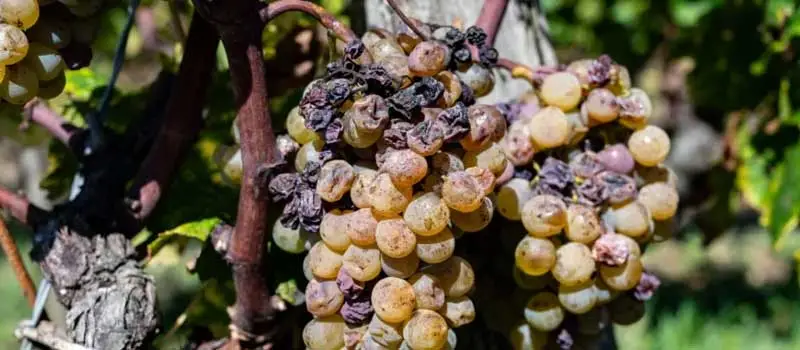
Cyprodinil is a huge step forward in modern crop protection. It gives business farmers and agrochemical dealers a systemic fungicide that is very good at controlling diseases. This active ingredient is an anilinopyrimidine, which means it stops the biosynthesis of fungal amino acids. This protects against economically harmful pathogens like Botrytis cinerea, Venturia inaequalis, and Monilinia species. This fungicide can both prevent and treat fungal diseases because it gets into plant tissue and moves through the xylem. This makes it an essential tool for large-scale farming operations that want to ensure regular food yields and quality.
Understanding Cyprodinil – Properties and Mode of Action
Chemical Structure and Biological Activity
The chemical formula for C14H15N3 describes a substance that was created to stop fungus cells from making methionine. Contact fungicides stay on the leaf surfaces, but this systemic product goes deeper into the plant tissue after being applied to the leaves and protects new growth by going up through the xylem. This feature of translocation solves a big problem for business fruit and vegetable growers: it protects new leaves and blossoms when the plant is growing quickly, and there is more disease pressure.
Mechanism Against Fungal Pathogens
Fungi use hydrolytic enzymes to get inside plant cell walls, but Cyprodinil prevents them from working. It stops illnesses before they show signs by stopping both penetration and mycelial growth inside leaf tissue. Field tests in wheat-growing areas of the U.S. show that when applied during flag leaf emergence, control rates against Septoria tritici are higher than 85%. This is a time when traditional protectants often fail because they can't cover enough rapidly increasing tissue.
Application Guidelines for Maximum Efficacy
Timing is crucial for optimal performance. In grapes, applying Cyprodinil 50% WDG during pre-bloom and veraison helps control grey mold under high humidity. Stone fruit growers achieve better brown rot management when treatments are applied at full bloom, leveraging the fungicide’s effectiveness in temperatures as low as 5°C, where many DMI fungicides fail. Standard field rates range from 200 to 400 grams of active ingredient per hectare, adjustable depending on crop type and disease pressure.
Environmental Profile and Safety Considerations
Soil half-life studies show that it breaks down within 30 to 60 days in aerobic conditions, which means that leftover worries for cycle crops are low. The chemical is not very dangerous to good bugs like honeybees and hungry mites, which supports methods of integrated pest control that protect natural enemy populations. The EPA's regulatory approvals show that pome fruits, stone fruits, grapes, and field veggies meet food safety standards. These standards set maximum residue limits that make foreign trade easier.
Cyprodinil vs. Other Fungicides – Making an Informed Choice
Comparative Efficacy Analysis
Compared to other, broader-spectrum drugs, this anilinopyrimidine shows clear advantages in certain disease situations. Chlorothalonil works on more than one site, but it doesn't have the general movement that is needed to protect inner canopy growth in dense plants. Pyraclostrobin works very well to kill Botrytis, but the bugs are becoming more resistant to it. This is an issue where Cyprodinil's special way of working (FRAC Code 9) keeps it useful. In California's Central Valley, side-by-side field tests showed that programs that included this fungicide had 12–15% higher usable yields than programs that only used strobilurin chemistry.
Cost-Benefit Considerations for Large-Scale Operations
When purchasing managers look at fungicide stocks, they have to weigh the costs up front against the benefits in the long run. Treatment costs per acre may be 15–20% higher than common mancozeb formulations, but the lower number of fruit culls due to disease damage is worth the extra money. A 500-hectare apple farm in Washington State saw a rise of $180,000 in sales of luxury fruit after adding this product to its scab management plan. This increased sales more than covered the cost of the extra fungicide in just one season.
Synergistic Combinations and Rotation Strategies
Mixing Fludioxonil in a tank makes a strong mixture for controlling Botrytis because it has two different ways of working that slow down the growth of resistance. By using Boscalid or Difenoconazole in different ways, selection pressure is kept off of any one biological route. A lot of agrochemical wholesalers now carry pre-mixed formulations, which make it easier to use and make sure the right amounts are used. Buyers are worried about how well these combination goods will work with tank mixes and how stable they will be during storage.
Performance Feedback from Agricultural Service Providers
This fungicide is always rated as one of the top three choices by crop experts who work with professional vegetable farmers to get rid of Alternaria in carrots and brassicas. It usually stops raining two hours after application, which gives you peace of mind when spring weather is uncertain. Service providers like how technical consistency lets them create standard spray methods that can be used across a wide range of client operations. This makes it easier to make custom suggestions.
How to Procure Cyprodinil – A B2B Buyer's Guide
Sourcing Reliable Manufacturers and Suppliers
To find trustworthy Cyprodinil suppliers, it’s important to verify their production approvals and standards for product purity. Hebei Hontai Biotech Co., Ltd. produces scientific-grade material that is 95% pure and can be formulated into water-dispersible granules and Cyprodinil 30% SC. Procurement teams should request Certificates of Analysis to confirm the active ingredient content, physical characteristics, and absence of unapproved impurities.
Pricing Structures and Volume Incentives
Technical-grade material costs between $45 and $62 per kilogram on the market right now, based on the size of the order and the terms of delivery. When distributors buy container loads, which are usually between 10 and 15 metric tons, they discuss prices at the lower end of this range to get a bigger profit margin than rivals who buy smaller amounts. There are often price stability terms in long-term supply deals that protect against changes in the cost of raw materials. This is a useful feature given the recent volatility in the markets for chemical precursors.
Regulatory Documentation for International Trade
In order to do business across borders, you need to show that the target country has approved the MSDS, phytosanitary certificates, and a lot of other paperwork. Manufacturers who have been around for a while keep thorough files that include toxicological studies, data on how the chemicals break down in the environment, and leftover tests that help get imports approved. Suppliers in Hebei who know about U.S. farm rules make customs processes faster by sending packages of pre-cleared paperwork that meet FDA and EPA standards.
Quality Assurance and Product Authentication
When generic versions of products hit the market, they make it harder to make sure that products are always the same and work well. Buyers should request that independent labs test each batch to make sure that the active ingredient amount matches what the label says. Third-party verification builds trust and sets reputable sellers' goods apart from inferior ones, which is why they welcome it. Some makers now use blockchain tracking tools that make the whole supply chain clear, from the factory to the customer.
Best Practices in Using Cyprodinil for Optimal Crop Protection
Resistance Management Protocols
Using no more than two sprays in a row each season stops the spread of pathogens that are resistant to treatment. Using fungicides from different FRAC groups back and forth, like anilinopyrimidines with SDHIs or DMIs, keeps all of the products in the cycle effective over time. Pathogen tracking systems that test isolate sensitivity let farmers know early on when resistance changes, so they can make changes to their spray programs before they cause yield losses.
Timing Applications to Crop Phenology
The results of disease control are much better when applications happen during peak infection times. When growing wheat, treating the plant when the flag leaf first appears saves the photosynthetic tissue that fills the grain. Strawberry farmers get the best results when they apply at 10% bloom and again at early fruit set. This is when bud diseases start to spread, which later leads to fruit rot at harvest. Models that predict diseases based on the weather help fine-tune when to apply medicines so that they reach the highest risk of infection.
Integration with Cultural and Biological Controls
Cyprodinil works best in integrated pest management (IPM) methods that lower the general risk of disease in a number of ways. Pruning techniques that improve air flow lower humidity levels, which is good for the growth of fungi. Biological control agents, like Bacillus subtilis, kill pathogens that are on the surfaces of plants. This lowers the number of pathogens that systemic fungicides have to kill. This combined method increases the time between sprays and lowers the total amount of pesticides used while still controlling diseases.
Case Evidence from Commercial Operations
After using a program that alternated this pesticide with biological products and captan, a large strawberry farm in Florida saw a 22% drop in pre-harvest fruit rots. The farmer said that the systemic activity that protected developing fruit inside the canopy, where contact fungicides only partially covered, was the reason for higher usable yields. Grape growing on California's North Coast has also had similar success, with combined programs that use both cultural practices and strategic fungicide use to keep diseases under control and meet sustainable certification standards.
Conclusion
Cyprodinil has become an important pesticide for industrial farming. It keeps a wide range of diseases at bay using a special way of working that works with other crop protection tools. Its overall activity, ability to work well in cool conditions, and good environmental profile meet the important needs of large-scale farmers who grow valuable foods. When procurement workers work with dependable makers who offer consistent quality, full technical support, and clear paperwork, they gain a competitive edge. When farmers use the right application methods and do strategic buying, they can get the most crops while also being good caretakers and making sure the products work for a long time.
Frequently Asked Questions
1. How does Cyprodinil differ from triazole fungicides?
Triazole fungicides stop the production of ergosterol, and Cyprodinil stops the production of methionine and the release of enzymes. Because of this, it can handle strains that are immune to triazole and works better in cool temperatures below 15°C, when many DMI products lose their effectiveness. Because they work in different ways, they make great cycle partners.
2. Can this fungicide be tank-mixed with common insecticides?
Most organophosphate and pyrethroid pesticides are physically compatible, but stability should be checked in a jar before mixing on a big scale. Do not mix highly alkaline materials with other materials because it may speed up the breakdown process. Most of the time, suspension concentrate formulas mix better than wettable powders.
3. What pre-harvest intervals apply to major crops?
Grapes need to be treated 14 days before they are picked, pome fruits usually need 7 days, and most veggies need anywhere from 0 to 3 days, based on the type of vegetable and the treatment. Always check the signs to see what limits are in place, as rules change based on location and registration status.
4. Does Cyprodinil provide curative activity after infection?
When used within 24 to 48 hours of an infection, the product stops early mycelial growth before symptoms show up, but it doesn't completely cure the illness. The best results come from applying preventative measures before times when diseases are likely to spread because of weather that is good for them.
Why Choose Hontai as Your Cyprodinil Supplier
Getting a reliable Cyprodinil maker is very important for keeping crop safety programs going. Hontai sends technical-grade material that is 95% pure from our factory in Hebei. This comes with all the necessary paperwork for easy foreign shipping. Our skilled team answers technical questions quickly and makes sure that the packing options we offer, such as bulk containers and bottle formats chosen by the client, meet your needs for delivery. Our name is based on stable product quality, fast global shipping, and full after-sales support that helps buyers deal with application problems and changes to regulations. Get in touch with admin@hontai-biotech.com to talk about bulk prices and to set up a supply relationship that will help your business grow in the competitive agrochemical market.
References
1. Masner, P., et al. (2006). "Anilinopyrimidines: A Novel Class of Fungicides for Integrated Disease Management." Pesticide Outlook, Vol. 17, pp. 266-271.
2. Stammler, G., and Speakman, J. (2008). "Microtiter Method to Test Sensitivity of Botrytis cinerea to Anilinopyrimidines, Phenylpyrroles, and Hydroxyanilides." Journal of Phytopathology, Vol. 156, pp. 474-481.
3. United States Environmental Protection Agency (2018). "Cyprodinil: Pesticide Tolerances for Emergency Exemptions." Federal Register, Vol. 83, No. 149.
4. Latin, R. (2011). "A Practical Guide to Turfgrass Fungicides." American Phytopathological Society Press, St. Paul, Minnesota.
5. Fungicide Resistance Action Committee (2023). "FRAC Code List: Fungicides Sorted by Mode of Action." CropLife International, Brussels.
6. Syngenta Crop Protection (2019). "Vangard WG Fungicide: Technical Information and Application Guidelines." Greensboro, North Carolina.
Our customers’ satisfaction speaks for our quality — contact us to experience the same reliable service.