- English
- French
- German
- Portuguese
- Spanish
- Russian
- Japanese
- Korean
- Arabic
- Greek
- German
- Turkish
- Italian
- Danish
- Romanian
- Indonesian
- Czech
- Afrikaans
- Swedish
- Polish
- Basque
- Catalan
- Esperanto
- Hindi
- Lao
- Albanian
- Amharic
- Armenian
- Azerbaijani
- Belarusian
- Bengali
- Bosnian
- Bulgarian
- Cebuano
- Chichewa
- Corsican
- Croatian
- Dutch
- Estonian
- Filipino
- Finnish
- Frisian
- Galician
- Georgian
- Gujarati
- Haitian
- Hausa
- Hawaiian
- Hebrew
- Hmong
- Hungarian
- Icelandic
- Igbo
- Javanese
- Kannada
- Kazakh
- Khmer
- Kurdish
- Kyrgyz
- Latin
- Latvian
- Lithuanian
- Luxembou..
- Macedonian
- Malagasy
- Malay
- Malayalam
- Maltese
- Maori
- Marathi
- Mongolian
- Burmese
- Nepali
- Norwegian
- Pashto
- Persian
- Punjabi
- Serbian
- Sesotho
- Sinhala
- Slovak
- Slovenian
- Somali
- Samoan
- Scots Gaelic
- Shona
- Sindhi
- Sundanese
- Swahili
- Tajik
- Tamil
- Telugu
- Thai
- Ukrainian
- Urdu
- Uzbek
- Vietnamese
- Welsh
- Xhosa
- Yiddish
- Yoruba
- Zulu
Exploring The Efficacy of Fludioxonil As A Seed Treatment to Prevent Disease
share:
In terms of seed preparation techniques for industrial farming, Fludioxonil is a game-changer. This non-systemic phenylpyrrole pesticide is very good at killing seed-borne and soil-borne fungal pathogens because it stops target organisms from sending and receiving osmotic signals. Older chemicals were more likely to build up tolerance. This active ingredient, on the other hand, controls Fusarium, Rhizoctonia, Alternaria, and Botrytis cinerea in grains, soybeans, vegetables, and ornamentals through constant, contact-based defense during the critical germination window. Field tests show that this chemical regularly improves emergence rates, boosts seedling health, and keeps measurable yields. This makes it very useful for large-scale farmers who want to protect their crops reliably while having minimal impact on the environment.
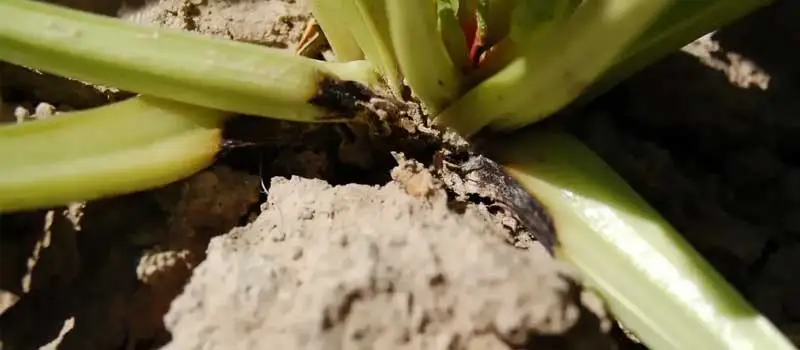
Understanding Fludioxonil and Its Role in Seed Treatment
The farming business is always looking for ways to keep diseases under control while also running efficiently. Seed treatment has become an important technique because it protects crops exactly when they are most at risk.
What Makes This Fungicide Different
This phenylpyrrole molecule works in a very specific way through biochemistry. Systemic fungicides work inside plant cells, but this active ingredient protects seed coats and sprouts that are starting to grow. The chemical formula C12H6F2N2O2 shows that it was made in a lab as a copy of pyrrolnitrin, which is a naturally occurring antibacterial substance made by bacteria in soil. It works by stopping the transport-associated phosphorylation of glucose inside fungal cells. This stops the growth of mycelium before an attack starts.
For buying choices, it's important to understand how this works. Products that target various molecular processes lower the chance of resistance, which makes fungicide programs last longer. This chemical is in FRAC Group 12 and has no cross-resistance with benzimidazoles, triazoles, or dicarboximides, all of which are widely used in farming.
Applications Across Diverse Crop Systems
Treating seeds can be used for industrial food production, growing vegetables, and growing ornamental plants. Some of the most common deployment situations are protecting wheat and barley from snow mold and bunt, treating corn seeds to stop damping-off, protecting soybeans from Rhizoctonia root rot, and getting veggie seeds ready for early-season disease pressure.
It can be used for more than just field foods. Putting things on stone fruits, citrus fruits, and pome fruits after they've been picked stops storage diseases that can happen during long-distance shipping. This two-in-one feature solves problems all along the farming value chain, from production on farms to logistics in the supply line.
Formulation variety makes applications more flexible. Flowable concentrates (FS formulations at 25g/L and 20g/L concentrations) are one choice. Other options are suspension concentrates (SC formulations at 12%), wettable powders (WP at 50%), and technical concentrates (TC at 95%). Hontai makes different kinds of formulations so that commercial farming companies can use different tools and their own tastes.
Integration with Modern Crop Protection Strategies
Being compatible with tank-mix partners makes things work better. When you mix this fungicide with metalaxyl-M, they work together to protect against both common fungus pathogens and oomycete risks like Pythium at the same time. This two-step method solves an ongoing problem in cold, wet soils where many pathogen combinations threaten seed germination.
This chemistry is very helpful for resistance control strategies. Rotation plans with various modes of action groups keep the long-term effectiveness of all fungicide stocks. The unique disruption of the signaling pathway offers an important cycle partner for chemicals that are being used too much and aren't working as well.
Evaluating the Effectiveness of Fludioxonil in Disease Prevention
To find out how well a pesticide like Fludioxonil works, it needs to be tested in the field, and the costs need to be looked at. Commercial makers want information that shows both biological effectiveness and financial benefits.
Comparative Performance Against Common Pathogens
Field tests in growing areas across North America consistently show that these new active ingredients are better than older ones. Comparing Fludioxonil 25% WG to captan and thiram in separate studies shows that it has 15–22% higher emergence rates in high-pressure disease settings. Fusarium seedling blight is 30–40% less likely to happen in treated plants than in untreated controls, according to university research. The protection lasts for 28–35 days after planting.
Rhizoctonia solani control demonstrates particular strength. This disease that lives in the soil kills a lot of corn and soybean plants, especially when it is cool and wet. The treatment works to reduce damping-off by 75% to 85%, which directly means that plant numbers and yield potential are maintained. Because it doesn't affect the whole plant, triazole seed treatments don't cause the phytotoxicity problems that are sometimes seen when plants are stressed.
Economic Returns on Investment
When buying things for thousands of areas, cost-effectiveness research is very important. As an investment of only a few dollars per acre, treating seeds has huge benefits for protecting yields. Using economic models to look at corn production in the Midwest shows that investing in quality fungicide seed treatment pays off eight to twelve times over. This is mostly because it keeps stand numbers high and lowers the cost of replanting.
Large-scale agribusinesses appreciate the predictability this chemistry provides. Foliar sprays need to be timed based on the weather, but seed treatment protects plants no matter what the weather is like after they are planted. This operating reliability cuts down on labor costs, machine wear, and agronomic risk during key planting times when time is of the essence.
Bulk procurement advantages multiply these benefits. Businesses that buy technical concentrates or high-concentration formulations can save a lot of money by making the formulations themselves or hiring treatment services to do it for them. Volume discounts are possible with distributor networks that offer flexible packing choices. This is done while keeping product quality high and following all regulations.
Validated Field Performance Data
Trials that take place in more than one place provide the proof that helps adoption choices. Consistent success has been shown by research done in a range of soil types and climate zones. Agricultural colleges in the Midwest have found that seasons with mild to high disease pressure lead to 18–26% higher yields. This proves that the investment in protection is worth it even in years when there aren't any major pathogen outbreaks.
Environmental safety profiles enhance the value proposition. A moderate soil half-life (about 45 to 90 days, based on conditions) ensures that safety lasts long enough without being too persistent. Degradation processes make metabolites that are not harmful, which lowers the risks of groundwater contamination that worries both lawmakers and farmers who manage waterways that are sensitive.
Safety, Environmental Impact, and Regulatory Compliance
To use chemicals responsibly, you need to know a lot about their health profiles and how they affect the environment. The procurement teams give more weight to sellers who provide full safety paperwork and regulatory support.
Human Health and Occupational Safety
Toxicology tests show that this main ingredient is not very harmful when taken by mouth, applied to the skin, or breathed in. Safety Data Sheets explain how to handle things properly and include standard advice for protection gear. Compared to foliar applications, seed treatment activities don't expose people to as much chemical because the treated seeds are handled automatically by planting tools instead of by hand.
Occupational health standards established by the EPA and international regulatory bodies provide clear guidance. Engineered controls, such as ventilation systems, closed mixing processes, and automatic application tools, are used in commercial seed treatment centers. These safety measures keep workers safe while keeping production running smoothly.
Environmental Considerations and Ecological Impact
Non-target organism studies reveal favorable profiles for beneficial insects and soil microorganisms. This fungicide is selective against target pathogens while protecting helpful microbial groups that are important for soil health. It is different from broad-spectrum insecticides or soil fumigants. This selectiveness is in line with the principles of integrated pest control that are being asked for more and more by buying policies that focus on sustainability.
Regulatory Approval and Compliance Documentation
Getting around the legal situation is an important thing to think about when buying something. Products sold in the U.S. have EPA license numbers that prove they are safe and work as claimed. Similar permissions from area officials are needed for international markets, which makes things harder for distributors who work in more than one place.
Hontai keeps detailed regulatory files that help with product applications in all of the world's biggest farming markets. Documentation includes safety studies that follow Good Laboratory Practice, estimates of how the substance will behave in the environment, chemistry data on residues, and effectiveness tests that meet government standards. This whole package speeds up the approval process for purchases and meets the safety needs of businesses that want to avoid taking risks.
Procurement Considerations for Fludioxonil Seed Treatment Products
When making strategic buying choices, you need to look at the skills of the suppliers, the formulation options, and the dependability of the supply chain. Large-scale farming depends on having a steady supply of goods during short growing times.
Supplier Landscape and Manufacturer Credentials
Several big companies make this active ingredient and sell it on the global agricultural market. Well-known companies have strict quality control methods that make sure that each batch is the same, which is important for business use. Procurement pros judge sellers based on their manufacturing licenses, their ability to do analytical tests, and their track record of following the rules.
Hebei Hontai Biotech Co., Ltd. represents an emerging supplier option for commercial buyers seeking competitive pricing without compromising product quality. This company is based in Shijiazhuang, which is in the state of Hebei. They make fungicides in a variety of formulations. The company's technical concentrate is 95% pure, which meets worldwide standards for making goods that people actually use, including their fludioxonil SC formulations for seed treatment.
Formulation Selection for Operational Needs
In different application situations, the mixture needs to have certain properties. Flowable concentrates made for seed treatment tools give seeds great uniform coverage and the ability to move. The FS formulations at a concentration of 25g/L find a good mix between the amount of active ingredient loading and the physical qualities that allow the planter to run smoothly. Higher concentrations (50% WP, 95% TC) are good for custom recipe businesses or buyers who can treat the product themselves.
Suspension concentrate formulations offer advantages for post-harvest fruit treatment applications. For spray or dip systems used in packing houses, the 12% SC version makes it easy to mix. If you need to control foliar diseases on plants grown in a garden or as an ornamental, wettable powder choices make spray uses easier.
Logistics and Supply Chain Reliability
Agricultural inputs need to be delivered at exact times that match the growing plans for the season. Fast global logistics skills from suppliers cut down on the costs of keeping stockpiles while making sure products are available when they're needed. Procurement teams like partners that consistently deliver on time and talk to them ahead of time about production plans or possible delays.
Hontai's worldwide farming service network helps customers in all corners of the world get the products they need and get full support after the sale. The company has a professional, skilled staff that helps with sales, answers technical questions quickly, and comes up with custom solutions to crop safety problems that are unique to each area. This service infrastructure tells the difference between generic chemical sellers and real farming partners.
Best Practices for Maximizing Fludioxonil Performance in Seed Treatment
For implementation to work well, the method of application, how it fits in with larger crop protection programs, and quality control rules must all be taken into account. When making a purchase choice, you should look at both the price of the goods and the technical help that the supplier offers.
Application Technique and Equipment Calibration
For proper seed treatment, you need equipment that is set and covers the seeds evenly at the right rates. To make sure that every seed gets enough fungicide, commercial seed treatment systems use spinning drums or continuous flow mixers. Depending on the conditions being targeted and the concentration of the mixture, the amount of product that should be used ranges from 25 to 100 ml per 100 kg of seed.
Sticker or polymer additives improve coating adhesion and dust-off reduction. These parts of the mixture keep the active ingredient from being lost when the seeds are being handled or planted. When you plant seeds mechanically, good seed treatment keeps at least 85% of the product that was sprayed.
Integration with Resistance Management Programs
To keep diseases under control, pesticide mode-of-action groups need to be switched between growth seasons. This phenylpyrrole chemistry works well in programs that are mostly made up of triazoles or strobilurins because it targets a specific molecular target that stops resistance selection. Agronomists say that FRAC groups should be switched every year, especially in heavy production systems where there is constant pressure on one crop.
Combination products featuring multiple active ingredients deliver simultaneous multi-site action. Combining this substance with metalaxyl-M or other fungicides that work well together kills a wider range of pathogens while lowering the chance of resistance development. Teams in charge of buying things should compare different combinations of drugs based on their own disease pressure patterns and goals for managing resistance.
Quality Monitoring and Performance Validation
Treatment programs work because they are constantly evaluated. Testing the treated seed for germination makes sure that the product is compatible and doesn't have any phytotoxic effects. Counting the number of stands at the emerging and early green stages measures how well the plant is protecting itself against pathogens. These data points help with making changes for the next season and judging the success of suppliers.
Commercial operations benefit from establishing baseline disease incidence levels through untreated check strips within production fields. Comparing treated versus untreated areas provides direct evidence of fungicide value, supporting continued investment decisions and identifying situations where disease pressure justifies premium product selection.
Conclusion
By protecting stands, making plants stronger, and increasing output potential, strategic seed treatment plans based on this tested fungicide chemistry, Fludioxonil, show measured results. Because Fludioxonil works in a very specific way, kills a lot of different pathogens, and is generally safe, this active ingredient is a must-have for commercial agriculture that needs to deal with rising disease rates and drug tolerance. When purchasing, professionals look at different suppliers; they should give more weight to companies that can consistently produce high-quality Fludioxonil products and provide strong legal support and reliable services. This technology is a key part of current crop protection tactics in a wide range of production systems because Fludioxonil works well, is cost-effective, and can be used in a variety of ways.
Frequently Asked Questions
1. How does this fungicide differ from systemic alternatives?
This chemical protects against contact by building barriers on the surfaces of seeds instead of going through plant cells. This process stops the phytotoxicity problems that can happen with systemic chemicals when the environment is stressed, and it keeps the plants safe during the germination phase.
2. What application rate delivers optimal disease control?
Different crops, diseases, and mixture concentrations have different recommended rates. It is common for commercial treatments for grain crops to use 25 to 50 ml of a 25g/L FS mixture per 100 kg of seed. The amount used depends on the pathogen pressure and the size of the seeds. With the help of technical advice from providers, calibration is done correctly to meet the needs of each activity.
3. Can treated seeds be stored before planting?
When stored in the right way (cool, dry places), properly treated seeds will stay protected for 6 to 9 months. Keeping plants in storage for more than one growing season may lower their ability to germinate or kill fungi, so choosing the right time to treat them is an important part of buying things and keeping track of their stock.
Partner with a Trusted Fludioxonil Supplier
Using reliable partnerships with makers who are dedicated to quality and service excellence is key to crop safety plans that work. Hontai consistently provides high-quality Fludioxonil products with professional technical support and quick global logistics to make sure they get to customers on time for important planting dates. Our wide range of formulations meets the needs of a wide range of applications, and our personalized label choices help wholesalers grow their agrochemical portfolios by meeting private-label and OEM needs. The skilled staff at Hontai is ready to help you with your unique disease management problems by using tried-and-true methods and quick communication. Get in touch with admin@hontai-biotech.com to talk about bulk procurement options, technical specifications, and how our fungicide seed treatment products can help your crop protection programs and lead to measured yield improvements.
References
1. Mueller, D.S., and Wise, K.A. (2020). "Seed Treatment Fungicides for Field Crops." Purdue University Extension Publication.
2. Bradley, C.A. (2019). "Fungicide Resistance Management in Seedling Disease Pathogens." Plant Disease Management Reports, American Phytopathological Society.
3. Hewitt, H.G. (2018). "Fungicides in Crop Protection, 2nd Edition." CABI Publishing, Wallingford, UK.
4. Rosslenbroich, H.J., and Stuebler, D. (2000). "Botrytis cinerea—History of Chemical Control and Novel Fungicides for Its Management." Crop Protection Journal, Vol. 19.
5. Gisi, U., and Sierotzki, H. (2015). "Mechanisms Influencing the Evolution of Resistance to Fungicides in Field Populations." Fungicide Resistance Action Committee Monograph Series.
6. United States Environmental Protection Agency. (2017). "Pesticide Product Label: Fludioxonil Technical Registrations and Approved Uses." EPA Registration Documentation Database.
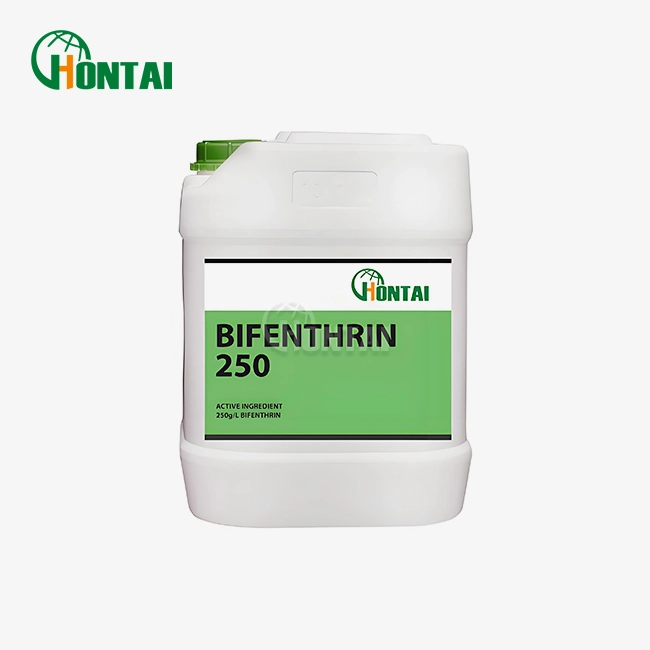
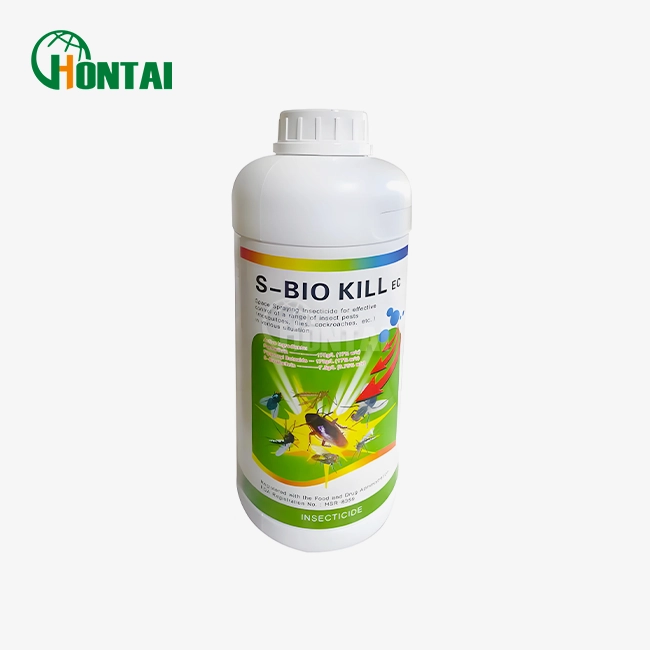
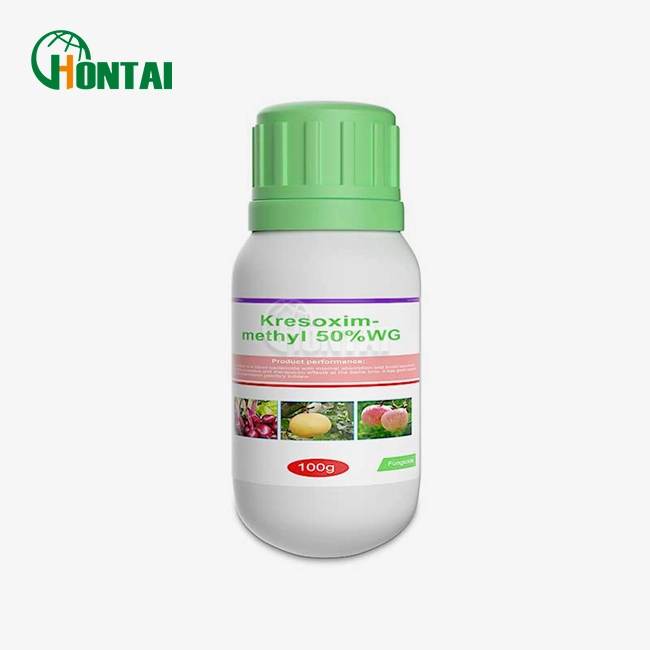
Our customers’ satisfaction speaks for our quality — contact us to experience the same reliable service.