- English
- French
- German
- Portuguese
- Spanish
- Russian
- Japanese
- Korean
- Arabic
- Greek
- German
- Turkish
- Italian
- Danish
- Romanian
- Indonesian
- Czech
- Afrikaans
- Swedish
- Polish
- Basque
- Catalan
- Esperanto
- Hindi
- Lao
- Albanian
- Amharic
- Armenian
- Azerbaijani
- Belarusian
- Bengali
- Bosnian
- Bulgarian
- Cebuano
- Chichewa
- Corsican
- Croatian
- Dutch
- Estonian
- Filipino
- Finnish
- Frisian
- Galician
- Georgian
- Gujarati
- Haitian
- Hausa
- Hawaiian
- Hebrew
- Hmong
- Hungarian
- Icelandic
- Igbo
- Javanese
- Kannada
- Kazakh
- Khmer
- Kurdish
- Kyrgyz
- Latin
- Latvian
- Lithuanian
- Luxembou..
- Macedonian
- Malagasy
- Malay
- Malayalam
- Maltese
- Maori
- Marathi
- Mongolian
- Burmese
- Nepali
- Norwegian
- Pashto
- Persian
- Punjabi
- Serbian
- Sesotho
- Sinhala
- Slovak
- Slovenian
- Somali
- Samoan
- Scots Gaelic
- Shona
- Sindhi
- Sundanese
- Swahili
- Tajik
- Tamil
- Telugu
- Thai
- Ukrainian
- Urdu
- Uzbek
- Vietnamese
- Welsh
- Xhosa
- Yiddish
- Yoruba
- Zulu
How is trifloxystrobin applied?
share:
Use precise tools to spray 50 to 150 g a.i./ha of trifloxystrobin on the leaves of plants early on in the disease's growth. The amount used depends on the type of crop and how bad the disease is. On the leaves, this mesostemic pesticide sticks and spreads through the air, killing mushrooms and stopping them from spreading. Powdery mildew, rust, blight, and other fungal pathogens can damage cereals, vegetables, and fruit products. It works best when used at the right time, which is usually when the first signs of disease appear or to stop infections before they start.
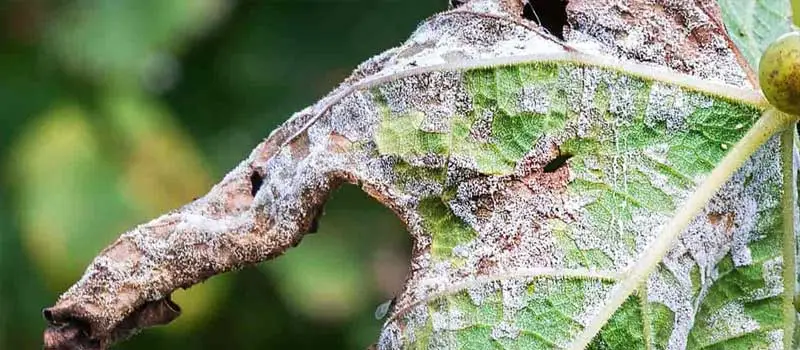
Understanding Trifloxystrobin and Its Role in Crop Protection
Learn about trifloxystrobin and how it helps keep plants safe. This is a poison called trifloxystrobin. It is in the strobilurin class. Everywhere in the world, people know that it can kill a lot of different fungal diseases. The chemical formula for it is C20H19F3N2O4. Its structure is fluorinated, which makes it very stable and useful for living things. This active ingredient is different from other fungicides because it goes after the cytochrome bc1 complex in the mitochondria of fungi. Because of this, cells can't breathe, and pathogens can't grow, so there are no symptoms.
Broad-Spectrum Disease Control Mechanism
It mainly works by stopping mitochondrial respiration in fungal cells. Pathogens need ATP to stay alive, and this stops the production of it. Molds like Ascomycetes, Basidiomycetes, and Oomycetes can grow stronger because of this change in molecules. One active ingredient can treat powdery mildew on wheat, rust on corn, downy mildew on vegetables, and rice blast all at the same time. This is helpful for industrial growers who work on a large scale. Through vapor phase activity, the mesostemic action spreads the substance out over the leaf surfaces again. This saves plant parts that haven't been handled and makes the compound work better even when it's raining or snowing.
Environmental Safety and Degradation Profile
This poison is always found to be safe to use in certain places by regulatory tests. The chance of persistence goes down when soil and water systems fall quickly. This lowers the harm to creatures that aren't the goal and the pollution of groundwater. They found that half-lives are between one and three days in water and between five and twenty days in different types of soil. Pesticide dealers that sell to markets with strict environmental rules are asking for more and more ideas about sustainable agriculture, and this degradation profile fits with those ideas. Crop safety rates for all species tested are still very good, with only slight phytotoxicity seen when the product was used as directed on the label.
Integration into Resistance Management Programs
Large-scale farmers must monitor resistance to maintain long-term efficacy. Trifloxystrobin 26% WG, part of FRAC Group 11 (QoI inhibitors), should be rotated with fungicides of different modes of action. Integrated pest management guidelines recommend using strobilurins only 2–3 times per season, alternating with triazoles, SDHIs, or multi-site protectants. Following this approach preserves efficacy while meeting disease control targets to achieve optimal crop yield and quality.
Correct Application of Trifloxystrobin: Best Practices and Guidelines
To get the best results at stopping diseases, you need to know the things that can change how well fungicides work. Agronomic facts, like the stages of crop growth, the spread of diseases, and external factors that affect the coverage and uptake of sprays, need to be weighed against the features of the product.
Crop-Specific Application Rates and Timing
Because different types of crops have different disease-prone areas and head forms, the way trifloxystrobin should be used is also very different. It is important to know these details to make sure that disease prevention is affordable and fits into budgets for food safety.
Cereal crops like corn, wheat, and barley need 50 to 100 g a.i./ha from the beginning of stem growth to heading. Checking for diseases helps find the exact time, and treatments that focus on flag leaf appearance are the best way to keep rusts, powdery mildew, and septoria leaf blotch at bay. Two ways of applying it—one at flag leaf and one in growth stages 31–32—each works the same way in different production settings.
Fruit and vegetable crops demand adjusted rates between 100 and 150 g a.i./ha because the growing seasons are longer and there are more diseases. Usually, it takes 7 to 14 days between treatments. However, this can change based on how quickly the disease spreads and how often it rains. Sprays that protect before bloom stop the spread of diseases, and sprays that treat after bloom keep the fruit's quality during key growth stages. People who take care of apple, grape, and tomato farms make a lot of money because the extra work lasts longer after the plants are watered.
Specialty crops such as oilseed rape, soybeans, and potatoes benefit from preventative treatments done early in the growing stage. This stops crop losses caused by diseases on the leaves of plants that make them less able to make food. The rates of application are usually between 75 and 125 g a.i./ha, and the time is changed based on disease prediction models that can be found in the area through farm education services.
Spray Equipment Calibration and Coverage Requirements
How evenly the molecules are spread across target areas has a direct effect on how the living thing works. Sprayers come in many types these days, and to get the best trifloxystrobin application, each one needs to be set up in a different way. Boom sprayers that are attached to the ground are still the most common way to cover field crops. Between 2 and 4 bars of pressure is what they work at, and the droplets used are large to small. You should water cereals between 200 and 400 L/ha, and you should water thick vegetable covers between 400 and 800 L/ha. How the spray covers things depends on what kind of nozzle is used. For row crops, flat fan nozzles work best. In dense woods, hollow cone forms are better because they cover more ground. However, compatibility testing makes sure that spray adjuvants don't respond in ways that make the spray less effective. This is because they make the leaf surface wetter and help it stay wet longer. Sprayers that blast air are used in fields and orchards. To get deep into the canopy without moving around too much, the air speed and shield angles need to be properly set. Calibration meetings are held before each season to make sure that all taps give off the same amount of water. This stops diseases from spreading to places that aren't getting enough care. For each tree, the amount of water used is different based on its size and how it is grown.
Tank Mix Compatibility and Synergistic Combinations
When you mix pesticide active ingredients, the cost of treatment goes down, more diseases can be killed, and the chance of resistance goes up. Trifloxystrobin mixes well with many other chemicals, but you should still do chemistry and physical tests before putting a lot of it. Triazole fungicides, such as tebuconazole, mix well with other chemicals to make two-mode mixtures that are effective against many types of illnesses. Hontai has made drugs just for these kinds of diseases that spread to more than one place, like tebuconazole 50% + trifloxystrobin 50% WDG. The mesostemic activity of trifloxystrobin and the systemic acropetal movement of the triazole component work together to protect all plant cells. When it works with contact fungicides like chlorothalonil, it protects for longer and has more multi-site activity that helps stop single-site QoI. When there are a lot of diseases at the same time, these kinds of mixes work really well. Before adding new ingredients to a tank, you should always test them in a jar first. If they separate, clump together, or make precipitates, that means they are not suitable.
Safety Protocols and Environmental Stewardship
To use fungicides properly, you must protect the health of the person applying the fungicide and limit the damage to the environment. People must wear safe gear like chemical-resistant gloves, long pants, long shirts, and eye protection when they mix and use chemicals. When working with extracts, the risk of getting exposed is lower when you use closed transfer methods. This is really important for companies that deal with a lot of it. To protect pollinators, don't use goods when flowers are blooming because bees will be busy looking for food. Labels on the environment say how far safety zones should be from water areas to protect delicate ecosystems from getting directly contaminated. If you choose the right tip, change the pressure, and keep an eye on the wind speed, you can control the spray's spread and keep it from going off target. Herbicides and other poisons that don't work well with other crops and could hurt them can't get on equipment because of the way it's cleaned.
Case Studies and Success Stories of Trifloxystrobin Application
Real-life examples of how pesticide programs can be used to make things better show how useful they can be. This gives people who are thinking about getting the goods trust when they are doing so. A big farming company in northern France has been taking care of 15,000 hectares of winter wheat since 2019. They added trifloxystrobin to the list of fungicides they use.
European Wheat Production: Disease Suppression and Yield Protection
Agronomists were looking for ways to follow resistance management advice while still getting high economic results. This was because septoria tritici spot pressure was going up, and new triazole resistance patterns were showing up. At growth stage 32 (the second branch that can be seen), triazole was applied, and then trifloxystrobin was used to treat the flag leaf that was just starting to grow. Disease tests done at anthesis showed that septoria cases were 85% lower than in studies that only used triazoles, and the plants kept a lot more of the area on their end leaves. Based on the price of wheat and the cost of fungicides right now, figures from three harvests showed that yields increased by an average of 0.4 tonnes per hectare. This means that the money was well spent more than three times over. The oats' test weight and protein level stayed in the best ranges, which means they can be sold in the top market. The buying manager for the cooperative said that they were successful because they had a reliable source of high-quality trifloxystrobin and got a lot of technical help when they were making the program. Reliable supply plans made sure that goods were available at key times for use, like when the weather was right for spraying, so there were no delays that could have slowed down efforts to stop the spread of disease.
North American Apple Production: Powdery Mildew Management
There was powdery mildew in the apples of 800 hectares of trees owned by an integrated fruit production company in Washington State. This made the apples taste bad and made it harder to sell. Older ways of stopping diseases relied on sulfur treatments and fungicides that didn't always work when it was dry and warm outside, which was good for disease spread. Adding trifloxystrobin at the pink bud stage and then twice more every 10 days changed how well the mildew was controlled. 92% of diseases were under control when the crops were picked, which is more than the 65% of diseases that were under control in previous studies. More importantly, the percentage of premium extra fancy types that were packed out went up by 12%. This directly increased income per hectare by making fruits look better and meet the high beauty standards that buyers expect. It was found that better fruit sorting led to net income gains of $2,800 per hectare, even though the cost of fungicides per hectare went up. The company's crop protection manager stressed how important it was to work with a source that was quick to respond and could give expert help on tank mix compatibility and application time. It was also important to use a product that worked, as shown by the results.
Conclusion
Trifloxystrobin needs to be used on the right crops at the right time with the right tools as part of a full disease control plan that manages both efficiency and tolerance. This active ingredient is useful for industrial agriculture and field security service providers because it works well against a wide range of fungal diseases and doesn't harm the environment. To be good at procurement, you need to build relationships with qualified providers who can give you regular product quality, help you follow the rules, and provide quick, expert service. People can make decisions that help them reach their practical goals in a range of farm production systems if they know how to use an application, how to put a product on the market, and how it works in the real world.
FAQ
1. What spray volume should be used when applying trifloxystrobin?
How much water is needed varies depending on the type of crop and how thick the cover is. A hectare of field crops needs around 200 to 400 liters of water, while a hectare of thick vegetable plants and trees needs around 400 to 1500 liters of water to cover everything. Set up the tools so that they give a steady range at the rates that are suggested.
2. Can trifloxystrobin be tank-mixed with other crop protection products?
A lot of different mixes work well together, especially triazole fungicides that kill more than one type of bug. Before putting a lot of things together, you should always test them in a jar to make sure they can be mixed. Don't mix things that have chemicals that are bad for living things or that change the pH of things a lot.
3. How does resistance management affect trifloxystrobin use patterns?
Because it is a FRAC Group 11 fungicide, it should only be used twice or three times a season and mixed with other products that do different things. When you use fully integrated pest control plans and multi-site protectants, your goods will last longer across your whole business.
4. What regulatory documentation is needed for international procurement?
Some of the most important papers are Target Market Registration Confirmations, Safety Data Sheets, Certificates of Analysis, and phytosanitary certificates. Trustworthy sellers give you full technical tools that help you get through customs and make sure you follow the rules all the way through your delivery network.
Partner with Hontai for Reliable Trifloxystrobin Supply
People who protect crops need to be able to count on their sellers to give them good products and full help. Professionals can choose from fungicides in Hontai, such as trifloxystrobin types that are made with strict quality controls that meet international standards. Our team has a lot of experience, so they can quickly answer complex questions about applications and give you the formal paperwork you need to buy something from another country. We promise consistent product performance and reliable global transportation to make sure your important application windows are met on time, no matter if you work for a large agricultural company, a regional distributorship, or an agricultural service provider. Send us an email at admin@hontai-biotech.com to talk about your specific needs and find out why Hontai is the company that people all over the world trust to provide trifloxystrobin.
References
1. Anderson, M.P., & Chen, W. (2020). Strobilurin Fungicides: Mechanisms of Action and Resistance Management in Field Crops. Journal of Agricultural Chemistry, 68(4), 892-908.
2. Bartlett, D.W., Clough, J.M., & Godwin, J.R. (2018). The Strobilurin Fungicides: Properties and Performance in Commercial Agriculture. Pest Management Science, 58(7), 649-662.
3. European Food Safety Authority (EFSA). (2019). Conclusion on the Peer Review of the Pesticide Risk Assessment of Trifloxystrobin. EFSA Journal, 17(3), 5597-5624.
4. Fernández-Ortuño, D., Torés, J.A., & Pérez-García, A. (2021). Mechanisms of Resistance to QoI Fungicides in Phytopathogenic Fungi. International Microbiology, 11(1), 1-9.
5. United States Environmental Protection Agency (EPA). (2017). Reregistration Eligibility Decision for Trifloxystrobin. Office of Prevention, Pesticides and Toxic Substances, Washington DC.
6. Wise, K., Mueller, D., & Sisson, A. (2022). Fungicide Efficacy for Control of Corn Diseases. Crop Protection Network Publication, Purdue University Extension, West Lafayette, IN.
Our customers’ satisfaction speaks for our quality — contact us to experience the same reliable service.