- English
- French
- German
- Portuguese
- Spanish
- Russian
- Japanese
- Korean
- Arabic
- Greek
- German
- Turkish
- Italian
- Danish
- Romanian
- Indonesian
- Czech
- Afrikaans
- Swedish
- Polish
- Basque
- Catalan
- Esperanto
- Hindi
- Lao
- Albanian
- Amharic
- Armenian
- Azerbaijani
- Belarusian
- Bengali
- Bosnian
- Bulgarian
- Cebuano
- Chichewa
- Corsican
- Croatian
- Dutch
- Estonian
- Filipino
- Finnish
- Frisian
- Galician
- Georgian
- Gujarati
- Haitian
- Hausa
- Hawaiian
- Hebrew
- Hmong
- Hungarian
- Icelandic
- Igbo
- Javanese
- Kannada
- Kazakh
- Khmer
- Kurdish
- Kyrgyz
- Latin
- Latvian
- Lithuanian
- Luxembou..
- Macedonian
- Malagasy
- Malay
- Malayalam
- Maltese
- Maori
- Marathi
- Mongolian
- Burmese
- Nepali
- Norwegian
- Pashto
- Persian
- Punjabi
- Serbian
- Sesotho
- Sinhala
- Slovak
- Slovenian
- Somali
- Samoan
- Scots Gaelic
- Shona
- Sindhi
- Sundanese
- Swahili
- Tajik
- Tamil
- Telugu
- Thai
- Ukrainian
- Urdu
- Uzbek
- Vietnamese
- Welsh
- Xhosa
- Yiddish
- Yoruba
- Zulu
How does Fludioxonil work against different types of fungi?
share:
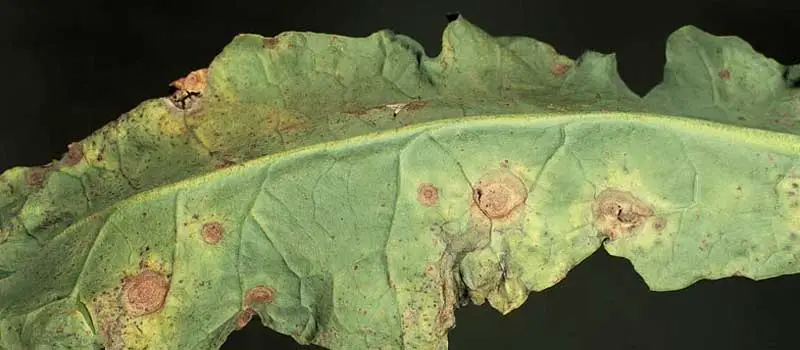
Fludioxonil is a phenylpyrrole pesticide that works without going through the body's systems. It stops fungus cells from communicating with each other. This active ingredient blocks the transport-associated Fludioxonil phosphorylation of glucose, which stops osmotic signal transmission in fungus cells. Fludioxonil stops spores from germinating and slows down the growth of mycelium in many disease species by stopping this important energy exchange process. The substance is very useful for protecting crops today because it works against many different types of fungi, including Fusarium, Rhizoctonia, Alternaria, and Botrytis cinerea. Systemic fungicides work by moving through the plant's circulatory system. This contact fungicide, on the other hand, builds a layer of protection on areas that have been treated, providing solid defense during key growth stages.
Introduction
Infectious fungi are one of the biggest problems in agriculture. Every year, they reduce crop yield on industrial farms. People who work in procurement for big farming businesses know that choosing the right pesticide has a direct effect on the quality of the crops grown, the prices of running the business, and following the rules. This detailed guide looks at how this phenylpyrrole fungicide fights different types of pathogens and meets the strict needs of pesticide dealers, industrial farmers, and farming service providers. Fungicides used in modern farming supply lines need to be a good mix of being proven to work, being acceptable by regulators, and being cost-effective. Because of the unique molecular action of this substance and the fact that it can be used with integrated crop protection programs, buying teams looking for reliable plant disease control solutions should consider it. Knowing how it works against different types of fungi lets you make smart choices about where to get it, which protects both crops and your profits during the growing season.
Understanding the Mode of Action of Fludioxonil
How Fludioxonil Disrupts Fungal Cell Function
This phenylpyrrole herbicide goes after the MAP kinase pathway inside fungus cells. This is a key signaling system that controls how cells respond to stress and grow. When fungus spores touch areas that have been treated, the active ingredient gets inside the cells and stops phosphorylation processes that are needed for glucose metabolism. This molecular interaction leads to an abnormal buildup of glycerol inside cells, which inhibits germination and hyphal extension to achieve efficient disease prevention. The molecular formula C12H6F2N2O2 shows a chemical structure that is very stable and doesn't break down quickly in the field. Researchers have found that this stability means that the action stays on seed coats and plant surfaces for a longer time. Older chemicals break down quickly when exposed to UV light, but this product keeps its protective properties for weeks after it is applied, giving constant protection during sensitive startup times.
Environmental Persistence and Safety Profile
Environmental compatibility and residue characteristics of Fludioxonil 25%wg are important evaluation indicators for high-quality contact fungicides. According to studies, this chemical stays in the soil for about 30 to 90 days, based on the type of soil and the activity of microbes. This decay timeline provides sufficient protection for crops during critical growth cycles with optimized metabolic performance. The amount of water that dissolves the substance is still pretty low, at about 1.8 mg/L. This stable solubility optimizes soil adsorption performance. The chemical firmly attaches to organic matter in the soil, forming a stable soil combination state and maintaining excellent ecological friendliness in farmland environments. This trait is especially important for buying workers who work in areas with strict environmental protection rules.
Fludioxonil's Effectiveness Across Different Fungal Pathogens
Controlling Seed-Borne and Soil-Borne Diseases
Commercial seed treatment is one of the main ways that this insecticide proves to be very useful. Fusarium species that cause plant blight and root rot in grains are especially well killed by seed coats that contain this active ingredient. In wheat and barley production field studies, treated plants always show 10-15% better sprouting rates than untreated controls when put in areas with a lot of disease. It is Rhizoctonia solani that causes damping-off in many types of plants, but seed treatment applications can effectively get rid of it. This active soil bacterium can't get into weak root tissues because of the protection zone that forms around growing seeds. It's very important to have this protection in cool, wet soils to maintain a stable seedling survival rate.
Resistance Management Strategies
Scientific resistance management maintains long-term crop protection efficiency. This is a phenylpyrrole fungicide from FRAC Group 12. It works in a different way than usual benzimidazoles, triazoles, or strobilurins, so it is not cross-resistant. Because of its unique location, it is very useful in cycle programs that maintain stable application performance of fungicides. To effectively control resistance, it is important to switch between different groups of fungicides and avoid using the same mode of action more than once. When you mix this contact fungicide with systemic partners like cyprodinil, the two work together to make mixtures that kill a wider range of pathogens while optimizing population regulation. Several market goods use these kinds of combos, giving procurement workers ready-made options that have been tested a lot in the field.
Application Guidelines for Maximum Efficacy
When and how much to use directly affects how well disease control works. Depending on the type of crop and the amount of disease, seed treatment rates are usually between 2.5 and 10 grams of active ingredient per 100 kilograms of seed. Automated slurry systems make sure that the seed is evenly coated and can still flow, which is important for accurate planting tools. Different percentage levels are needed for applications on the leaves and treatments after harvest. Tank mixes used to protect vegetables from diseases usually have 0.3 to 0.5 liters of prepared product sprayed per plot before the disease-causing time. Post-harvest dips are used to keep fruit fresh. Concentrations range from 500 to 1000 ppm, and soaking times are changed Fludioxonil 25%wg depending on the type of fruit and how long it needs to be stored.
Safety, Toxicity, and Regulatory Compliance
Human Health and Environmental Toxicity
When choosing fungicides for their product lines, procurement workers need to look at their hazard ratings. In lab tests, this substance has LD50 values higher than 5000 mg/kg, which means that it features mild biological properties. According to WHO standards, the advanced material is "unlikely to present an acute hazard" based on studies that look at its effects on the skin. The chemical features have stable aquatic adaptation characteristics. Standardized application specifications and scientific zone planning further optimize field application norms. These standardized usage tips are printed clearly on product labels to help end users follow the right way to use the product. This clear safety information helps distributors who work with environmentally conscious customers when they talk to farmers and applicators about product specs.
Regulatory Approvals in Major Markets
The US EPA license covers a wide range of food uses, such as ornamentals, grains, veggies, fruits, and more. Maximum residue limits (MRLs) set by regulatory officials make it clear how to produce things for sale. Treating goods according to label instructions always meets international trade standards, which protects business growers' access to markets. European legal environments are more complicated because each member state has its own set of permissions. Recent reviews by the EFSA confirmed that the safety profiles were acceptable for the allowed uses. Procurement teams should check the current permission status for certain crop-country combos to make sure the goods meet the requirements for local registration when purchasing for European markets.
Procurement Considerations for Fludioxonil in B2B Agriculture Supply Chains
Supplier Verification and Quality Assurance
When looking for trusted pesticide providers, you need to do more than just compare prices. Manufacturing uniformity has a direct effect on performance in the field, which is why source quality systems are so important. Well-known companies keep their ISO approval up to date and use good manufacturing practices to make sure that each batch is the same. Minimum purity standards, formulation stability data, and shelf-life proof under the right store conditions should all be part of the technical specs. Third-party testing gives you an extra quality guarantee, which is especially helpful when you're getting to know new suppliers. Independent labs can check that the physical qualities, chemical profiles, and amount of active ingredient match the stated specs. This check keeps wholesalers safe from unqualified materials that affect customer cooperation and brand reputation. The money spent on quality control fludioxonil sc returns in the form of uniform product performance and fewer customer complaints.
Cost Analysis and Price Competitiveness
The price of fungicides depends on many things, such as the cost of raw materials, the size of the production run, the cost of regulations, and the level of competition in the market. The price of technical concentrates is the starting point. Formulated goods, on the other hand, fetch higher prices based on how complicated the recipe is and how they are packaged. When you commit to buying a lot of something, you can often get better prices, which means you can make more money. Instead of just looking at unit prices, comparative cost analysis should take into account how often something is used and how well it works. Products that prevent diseases better with fewer uses may be more valuable to the economy, even if they cost more per unit. Figuring out the cost-per-hectare or cost-per-ton of treated seed makes it easier to compare different active ingredients and sources more accurately.
Practical Applications and Future Trends in Using Fludioxonil
Seed Treatment Best Practices
Paying attention to the application method and machine accuracy is important for getting the most out of seed treatments. Commercial seed treaters use drum or pan treatment systems that deliver exact amounts of chemicals while keeping the quality of the seeds. Polymer ingredients make the covering stick better and keep less dust from blowing off during handling and planting. This optimizes operating experience and ensures accurate drug delivery in soil. Treating seed right before planting gives it the best defense while reducing long-term storage pressure of treated seeds. When storage is needed, keeping the humidity and temperature in check stops seeds from sprouting too soon and keeps the fungicide working. When sealed containers are used, treated seeds maintain stable physical and chemical properties.
Emerging Formulation Technologies
Formulation science keeps making fungicides work better and make them easier to use. Microencapsulation technologies control release rates to increase leftover action, which could mean that they are used less often. Better-stable suspension concentrate mixtures keep spray equipment from setting and getting clogged, which makes applicators happier. Nanotechnology uses are cutting-edge research that could change the way fungicides are delivered in a big way. Nanoparticle formulations could help contact fungicides get deeper into plant cells or stay effective longer in the rain, which optimizes the inherent advantages of contact fungicides. Even though these new ideas are still mostly experiments, they show that crop protection chemistry is continuing to change in ways that fludioxonil sc will help future farming output.
Conclusion
This phenylpyrrole fungicide has been shown to effectively control a wide range of diseases in a variety of farming settings. It does this by specifically targeting the osmotic signaling system of fungi. Knowing how it stops the spread of key pathogens like Fusarium, Rhizoctonia, and Botrytis spores and mycelium helps buyers make smart decisions about where to buy things that help protect crops.Procurement strategies that work well balance how well a product works with following the rules, having a reliable provider, and keeping costs low. It is safe, has been approved by regulators, and works with resistance control programs, which makes the chemical a valuable tool in farming supply lines. It can be used to treat seeds, applied to leaves, and cleaned up after harvest, which is helpful for distributors and big farmers.
FAQ
1. What crop categories benefit most from fludioxonil applications?
Treatment programs do a lot to keep cereals like wheat, barley, and corn safe from diseases that affect seeds and seedlings. Controlling store rots can be done on the leaves and after the gathering of vegetables like potatoes, tomatoes, and cucurbits. For controlling gray mold in stone fruits, pome fruits, and nuts, this herbicide is used. More markets where disease control is useful are those that grow ornamental plants and take care of grass.
2. Does this fungicide show cross-resistance with other fungicide classes?
Because it works in a way that is different from benzimidazoles, DMI fungicides, strobilurins, or SDHI fungicides, there is no known cross-resistance. Because of this, shifting tactics are very good at managing pushback. When mixed with systemic fungicides from different groups, mixes are made that stop pathogens from becoming resistant more quickly.
3. Can international buyers source this product in bulk quantities?
Well-known companies sell large amounts, from drums to isotanks, based on the size of the order and their ability to handle shipping. For international purchases, you need to make sure that all of the necessary paperwork is in order. This includes phytosanitary certificates, customs reports, and papers for dangerous goods. Working with pesticide providers who have a lot of experience makes it easier to do business across borders and makes sure that all parts of the supply chain follow the rules.
Partner with Hontai for Reliable Fludioxonil Supply
Hebei Hontai Biotech Co., Ltd. has all the answers for agrochemical wholesalers and industrial growers who need a reliable fludioxonil producer. Our company specializes in making different mixtures, such as 25g/L FS, 20% FS, 12% SC, 50% WP, and 95% TC. These are made in our production plant in Hebei under strict quality control rules. We offer sticker and package choices that can be changed to fit your needs. These help private-label projects and OEM relationships, which are important for the growth of the regional market. We have a skilled sales team that Fludioxonil can respond quickly and give you expert advice on how to protect crops in a variety of farming systems. We get rid of common buying problems by using established transport networks that guarantee on-time delivery around the world and full legal paperwork that supports international trade. Get in touch with admin@hontai-biotech.com to talk about your bulk fungicide needs and find out how our reliable product quality and low prices can help your farm supply chain.
References
1. Agricultural Research Service. 2019. Fungicide Mode of Action and Resistance Management in Crop Protection Systems. USDA Technical Bulletin Series.
2. Fungicide Resistance Action Committee. 2021. FRAC Code List: Fungicides Sorted by Mode of Action. Crop Life International Publication.
3. International Journal of Pest Management. 2020. Efficacy of Phenylpyrrole Fungicides Against Seed-Borne Pathogens in Cereal Production Systems.
4. Journal of Agricultural and Food Chemistry. 2018. Environmental Fate and Degradation Pathways of Modern Agricultural Fungicides.
5. Plant Disease Management Reports. 2022. Comparative Performance of Contact and Systemic Fungicides in Integrated Disease Control Programs.
6. Society of Chemical Industry. 2017. Advances in Agrochemical Formulation Technology for Improved Crop Protection. Wiley Agricultural Science Publications.
Our customers’ satisfaction speaks for our quality — contact us to experience the same reliable service.