- English
- French
- German
- Portuguese
- Spanish
- Russian
- Japanese
- Korean
- Arabic
- Greek
- German
- Turkish
- Italian
- Danish
- Romanian
- Indonesian
- Czech
- Afrikaans
- Swedish
- Polish
- Basque
- Catalan
- Esperanto
- Hindi
- Lao
- Albanian
- Amharic
- Armenian
- Azerbaijani
- Belarusian
- Bengali
- Bosnian
- Bulgarian
- Cebuano
- Chichewa
- Corsican
- Croatian
- Dutch
- Estonian
- Filipino
- Finnish
- Frisian
- Galician
- Georgian
- Gujarati
- Haitian
- Hausa
- Hawaiian
- Hebrew
- Hmong
- Hungarian
- Icelandic
- Igbo
- Javanese
- Kannada
- Kazakh
- Khmer
- Kurdish
- Kyrgyz
- Latin
- Latvian
- Lithuanian
- Luxembou..
- Macedonian
- Malagasy
- Malay
- Malayalam
- Maltese
- Maori
- Marathi
- Mongolian
- Burmese
- Nepali
- Norwegian
- Pashto
- Persian
- Punjabi
- Serbian
- Sesotho
- Sinhala
- Slovak
- Slovenian
- Somali
- Samoan
- Scots Gaelic
- Shona
- Sindhi
- Sundanese
- Swahili
- Tajik
- Tamil
- Telugu
- Thai
- Ukrainian
- Urdu
- Uzbek
- Vietnamese
- Welsh
- Xhosa
- Yiddish
- Yoruba
- Zulu
Tebuconazole: A Powerful Fungicide for Crop Protection
share:
Tebuconazole is one of the most effective systemic triazole fungicides used in modern farming. It works very well against many fungal diseases that affect cereals, oilseeds, fruits, and veggies. This triazole substance stops ergosterol production in fungal cell membranes. This stops pathogens from growing and protects against and heals infections. It has been shown to be effective against powdery mildew, rust, blight, net blotch, and downy mildew. This makes it a good choice for business farmers and agrochemical dealers who want reliable, low-cost options. Because it works on a systemic level, it covers all plants completely, which makes it a smart choice for integrated disease control plans around the world.
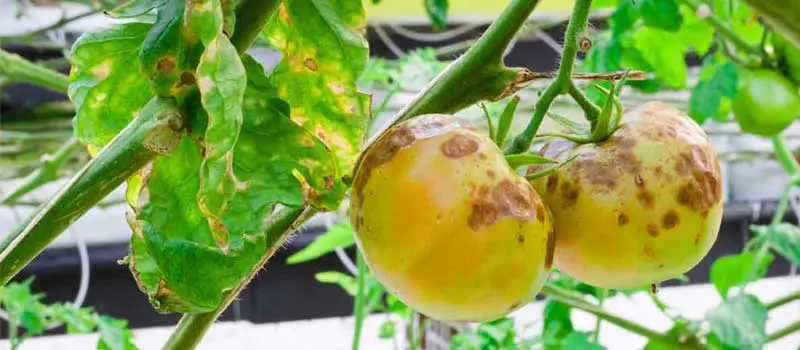
Understanding Tebuconazole – Chemical and Functional Overview
The chemical that makes this pesticide work is that it can stop the C14-demethylase enzyme from working in harmful fungi. The chemical weakens the structure of the fungus cell walls by stopping the production of ergosterol. This stops spores from germinating and mycelial growth. Because of how it works, it is in the Demethylation Inhibitor (DMI) group, especially FRAC Group 3. This group is still very important for controlling resistant strains when used in cycle programs.
Systemic Movement and Crop Protection
In contrast to contact fungicides, which stay on leaf surfaces, this triazole moves across plant cells after being applied. It moves up to protect new growth and cells that are still forming after being absorbed by leaves and roots. This systemic behavior gives longer-lasting leftover activity that lasts for two to three weeks in good conditions, which lowers the number of times it needs to be applied and the cost of work. The compound stays stable between pH levels of 5.0 and 9.0, and it still works when mixed with suitable farming inputs in a tank.
Environmental Degradation Profile
Environmental safety is becoming more and more important to people involved in agriculture, along with efficiency. Concerns about sustainability are eased by the fact that this fungicide breaks down quickly in soil and water. Microbial breakdown lowers endurance, which keeps crops safe while lowering the risk of buildup. Studies show that the half-life of soil varies from 30 to 90 days, based on the environment. Soil breaks down faster in warmer, more humid circumstances. This biodegradation profile supports its responsible use in integrated pest control systems, which is in line with what regulators in major agricultural markets expect.
Comparing Tebuconazole with Other Fungicides – Making the Right Choice
To make better purchasing choices, it's helpful to know how this triazole product stacks up against other fungicide chemicals on the market right now. Differentiation between modes of action, spectrum coverage, and resistance control potential helps farmers find goods that meet their unique needs.
Triazoles Versus Strobilurins
Strobilurin fungicides, such as azoxystrobin and trifloxystrobin, inhibit mitochondrial respiration in fungal cells via Quinone outside Inhibitor (QoI) mechanisms. While strobilurins have broad-spectrum activity and provide plant health benefits, resistance is increasingly common because they act at a single site. Triazole fungicides, such as tebuconazole, attack fungi at multiple points and help delay resistance. When combined, the two chemistries provide a synergistic effect: strobilurins cause initial fungal stress, and triazoles sustain control over new infections. Commercial products formulated as Tebuconazole 50%+trifloxystrobin 50% WDG leverage this combination to improve disease management, especially in high-pressure conditions.
Contact Versus Systemic Protection
Contact fungicides, such as chlorothalonil, protect plant surfaces by forming barriers. These barriers need to be fully covered and reapplied often. When systemic triazoles get into tissues, they protect against both old infections and new growth with fewer uses. This difference affects how workers are assigned and how efficiently operations run. Large-scale farmers who are in charge of thousands of hectares benefit from systemic choices that lower the number of times they need to spray. On the other hand, wholesalers who serve a wide range of customers value portfolio flexibility that includes both contact and systemic solutions to meet the needs of all their customers.
Cost-Effectiveness Analysis
Price differences need to take into account how often the product is applied, how often it needs to be reapplied, and how long it controls the disease. Systemic fungicides often give better economic results than other types of fungicides because they cover for longer and cost less to apply. When distributors are talking about bulk contracts, they should look at the total cost per handled hectare instead of just the unit price. This will help them stay competitive while still meeting their profit goals.
Procurement and Supply Chain Insights for Tebuconazole
To find your way through global pesticide supply chains, you need to pay attention to recipe types, follow rules, and rely on reliable suppliers. When looking for triazole fungicides, buyers have a number of product choices, each of which is best for a certain purpose and set of customer needs.
Formulation Variants and Application Suitability
Water Dispersible Granules (WDG) with 50% and 80% active ingredient amounts are easy to handle and mix, and they dissolve well. These formulas work well for large-scale activities that put safety and ease of use first. For easy use, suspension concentrates (SC) come in liquid form and have small particles that make sure the spray is spread out evenly. Emulsifiable Concentrates (EC) are quickly absorbed, but they may be harmful to plants in some situations. When buying, teams know about these technical differences, they can define formulations that work with the customer's tools and don't harm crops.
Hontai makes both WDG formulas and liquid suspension mixes according to FAO standards and with strict quality checks. In SC versions, our formulations keep particle sizes below 10 microns, which ensures maximum leaf coverage and keeps nozzles from getting clogged up during high-volume applications. Stability testing makes sure that the product is still good across the range of temperatures it will be exposed to while being shipped and stored.
Regulatory Documentation and Export Compliance
When buying things internationally, you need a lot of help from the government. Suppliers should show analysis reports that show the purity of the active ingredient, the amount of heavy metals in the product, and that the impurity profiles meet the standards of the final market. Export paperwork like phytosanitary certificates, Safety Data Sheets (SDS), and registration dossiers for each country makes clearing customs faster. Our skilled staff stays up-to-date on EPA, EU BPR, and other regional pesticide laws so that we can give our customers products that are legal and come with all the paperwork they need.
Logistics and Delivery Reliability
Problems in the supply chain could delay the start of farming production. Distributors need providers who can deliver consistently and on time, in line with the regular cycles of demand. Our global transport network makes shipping from our plant in Hebei to ports around the world quick and easy. Container optimization lowers the cost of freight per unit. There are different sizes of distribution that can be handled by bulk packaging choices like 200L drums and 1000L IBC boxes. Flexible packaging services can also be used for private marking and OEM needs.
Quality, Brands, and Supplier Selection for Tebuconazole
Supplier reputation has a direct effect on how well products work and how long a business can stay open. When looking at possible partners, you need to look at their manufacturing standards, expert help, and track records of working with similar customers.
Assessing Manufacturing Quality
Premium fungicide suppliers operate ISO-certified factories with validated synthesis methods that ensure batch-to-batch consistency. Quality assurance procedures include chemical analysis to verify active ingredient percentages and accelerated stability testing. Our factory produces tebuconazole 430g/L SC, a high-concentration suspension concentrate designed to reduce shipping costs and improve application efficiency. Every batch undergoes multipoint inspections before leaving the facility, ensuring reliable performance in the field, protecting both crop health and the brand reputation.
Technical Support and After-Sales Service
Agricultural goods need ongoing expert advice that answers questions about how to use them, whether they will work with other things, and how to deal with pushback. Agronomic knowledge from suppliers adds a lot of value beyond just delivering goods. Our skilled staff offers full technical support, including application rate calculators, methods special to crops, and quick responses to questions from the field. This focus on service sets us apart from transactional providers, and it helps us build relationships with our customers that make their success even greater.
Risk Mitigation Through Diversified Sourcing
While building ties with main suppliers, procurement managers also benefit from having qualified secondary sources on hand to make sure supply stays steady during production problems or demand spikes. Looking at more than one maker with similar quality standards gives you more negotiating power while lowering the risk of becoming dependent on one supplier. Our production capacity and inventory management systems can handle both planned big purchases and quick spot purchases, so we can accommodate the way our customers choose to buy things.
Best Practices for Safe and Effective Tebuconazole Application
To get the most out of fungicides, they need to be applied at the right time, with the right equipment, and as part of complete disease control plans. These methods are the best way to stop diseases and make products last longer by stopping resistance.
Timing and Dosage Optimization
When it comes to effects, preventative uses before a disease starts work better than reactive treatments. Fusarium Head Blight is most effective when applied to cereal crops early in the blooming process, when the conditions are most favorable for infection. Depending on the stage of the crop and the number of diseases that are present, the recommended rates are usually between 150 and 250 grams of active ingredient per hectare. Underdosing speeds up the development of resistance, while too high a rate raises costs without correspondingly increasing benefits.
Application Equipment and Spray Quality
When equipment is properly calibrated, it ensures that coverage is even and doses are correct. The choice of nozzle affects the spread of droplets of different sizes. Medium-sized droplets balance covering with minimal drift. Systemic fungicides work best when the spray pressure is between 2.5 and 3.5 bar. Ground applicators should keep the boom at the same height so that drift is kept to a minimum and spray patterns meet. Adjuvants that improve coating and rain resistance are needed for aerial uses. Blockages and uneven spread can be avoided by regularly cleaning the nozzles and replacing the filters.
Integrated Resistance Management
Long-term disease prevention may not work as well if fungicides are not effective. Switching between forms of action stops selection pressure from favoring pathogen groups that are resistant. Adding strobilurins, succinate dehydrogenase inhibitors (SDHI), or multi-site protectants to triazole treatments on a regular basis makes the product last longer. Resistance risk can be lowered by only using two treatments of the same chemistry class in a row per season. Checking fields for less effectiveness shows that resistance is starting to show, which means that the chemistry cycle needs to be changed.
Using both chemicals and traditional practices to control pests makes things last longer. Pathogens' life cycles are thrown off by crop rotation, and resistant types lower the disease load. Sanitation steps that get rid of infected food leftovers cut down on sources of infection. These unified methods encourage smart use of fungicides, keeping chemicals working well through all growing seasons.
Conclusion
Triazole fungicides, such as Tebuconazole, remain essential for protecting food yields from a wide range of fungal threats. Their systemic activity, broad-spectrum disease control, and consistent performance make them indispensable tools for industrial farming and the agrochemical supply chain. For effective procurement, attention must be paid to formulation characteristics, legal compliance, and supplier quality standards. Following application best practices—correct timing, calibrated equipment, and resistance management—ensures maximum efficacy while reducing the risk of pathogen resistance over time. By partnering with reliable manufacturers who offer technical guidance and a stable supply, procurement strategies can be optimized to meet operational needs and capitalize on market opportunities for Tebuconazole.
FAQ
1. What diseases does this fungicide control most effectively?
This triazole chemical is very good at killing powdery mildew, different types of rust, leaf spot diseases, and Sclerotinia in rapeseed. It also works well against Fusarium species that cause head blight in grains, Septoria leaf blotch in wheat, and apple scab. It's useful for a wide range of crops because it covers a wide spectrum, so you don't need as many specific goods.
2. Can it be tank-mixed with other crop protection products?
Many herbicides, insecticides, and fertilizers can be mixed together to make combined spray plans that use less material and time. Testing for physical compatibility before mixing on a big scale stops precipitation or lessening of effectiveness. Do not mix highly alkaline goods with other products because it may speed up degradation. When you mix strobilurins, they work together to fight diseases in a way that is especially helpful for programs that are trying to deal with resistance.
3. How quickly does environmental degradation occur?
Microorganisms in the soil break down this chemical in 30 to 90 days, based on the temperature, the amount of water, and the types of microorganisms present. Degradation in water happens through photolysis and biodegradation, and the half-lives of most substances are less than 60 days. This relatively quick breakdown keeps environmental buildup to a minimum while still protecting crops for a long enough time. The environmental safety profile backs up its use in sustainable farming systems that put environmental care and production first.
Partner with Hontai for Reliable Tebuconazole Supply
Hebei Hontai Biotech Co., Ltd. offers a wide range of services to agrochemical distributors and big producers looking for a reliable Tebuconazole provider. Our production skills allow us to make high-purity fungicide mixtures that meet international quality standards. These include 50% WDG, 80% WDG, and liquid concentrates. As a well-known manufacturer based in Shijiazhuang, we offer reasonable prices and a range of customization choices to meet the needs of private labeling and different package needs. Our trained sales team helps customers all over the world choose the right products, follow the right application processes, and make sure they are following all the rules. Fast transportation networks make sure that deliveries happen on time and in line with your seasonal buying needs. After the sale, dedicated help takes care of technical questions and improves field performance. Contact admin@hontai-biotech.com right away to talk about bulk buying options and experience the dependability that successful farming companies look for in their fungicide supply partnerships.
References
1. Russell, P.E. (2005). A century of fungicide evolution. Journal of Agricultural Science, 143(1), 11-25.
2. Kuck, K.H., Stenzel, K., & Vors, J.P. (2012). Sterol biosynthesis inhibitors as fungicides: importance and perspectives. Modern Crop Protection Compounds, Volume 2, 761-805.
3. Hewitt, H.G. (1998). Fungicides in Crop Protection. Wallingford: CAB International Publishing.
4. Fungicide Resistance Action Committee (FRAC). (2019). FRAC Code List: Fungicides sorted by mode of action. CropLife International Technical Monograph.
5. Fletcher, J.S. & Wolfe, M.S. (1981). Insensitivity of Erysiphe graminis to triadimefon, triforine, and other fungicides. Proceedings of the British Crop Protection Conference, Brighton, UK.
6. United States Environmental Protection Agency (EPA). (2018). Reregistration Eligibility Decision for Tebuconazole. Office of Pesticide Programs, Washington DC.
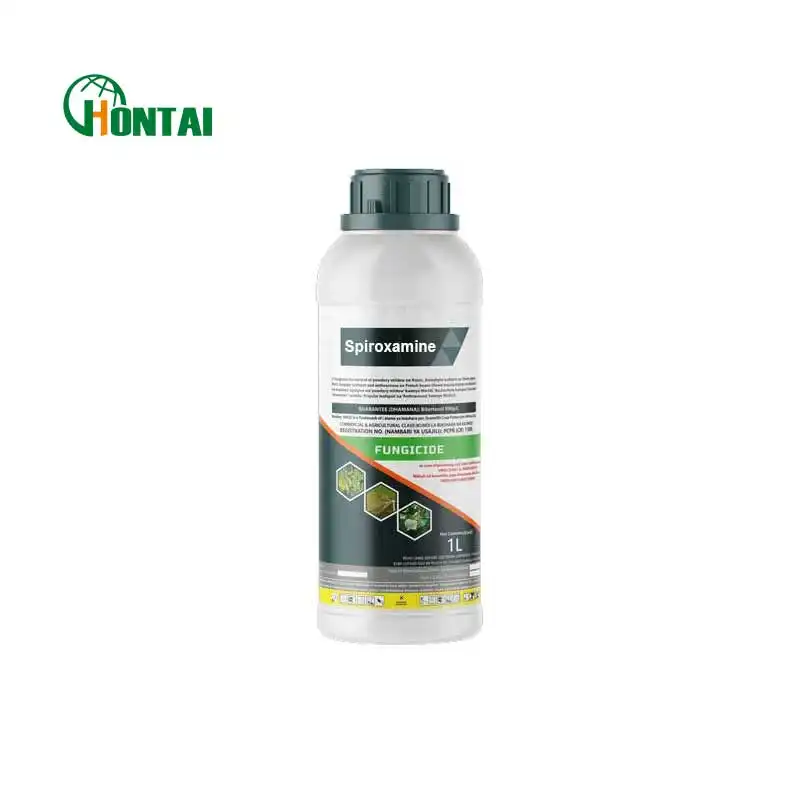
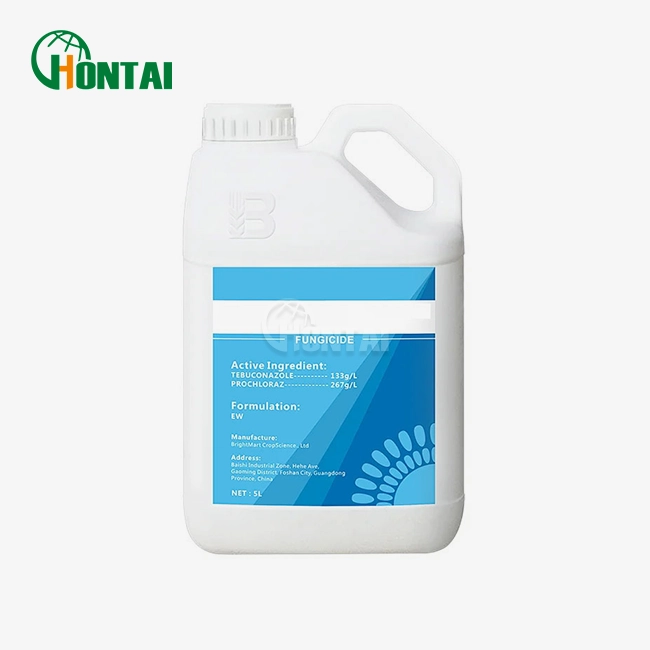
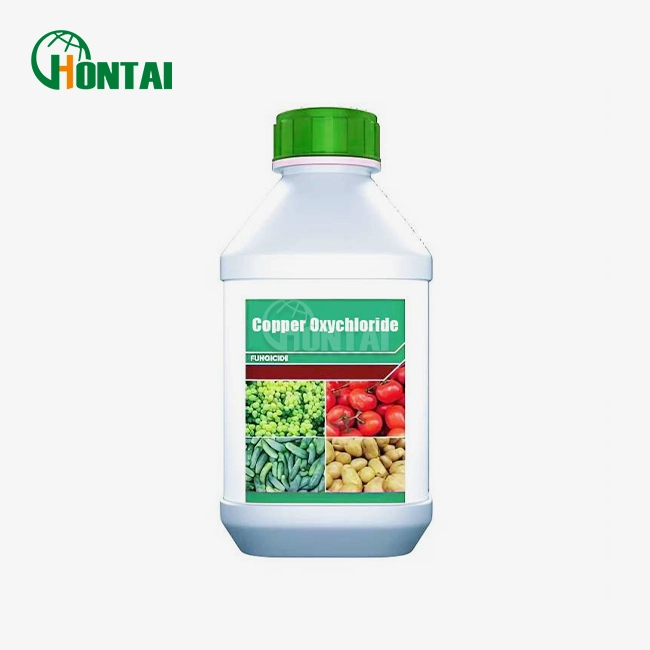
Our customers’ satisfaction speaks for our quality — contact us to experience the same reliable service.