- English
- French
- German
- Portuguese
- Spanish
- Russian
- Japanese
- Korean
- Arabic
- Greek
- German
- Turkish
- Italian
- Danish
- Romanian
- Indonesian
- Czech
- Afrikaans
- Swedish
- Polish
- Basque
- Catalan
- Esperanto
- Hindi
- Lao
- Albanian
- Amharic
- Armenian
- Azerbaijani
- Belarusian
- Bengali
- Bosnian
- Bulgarian
- Cebuano
- Chichewa
- Corsican
- Croatian
- Dutch
- Estonian
- Filipino
- Finnish
- Frisian
- Galician
- Georgian
- Gujarati
- Haitian
- Hausa
- Hawaiian
- Hebrew
- Hmong
- Hungarian
- Icelandic
- Igbo
- Javanese
- Kannada
- Kazakh
- Khmer
- Kurdish
- Kyrgyz
- Latin
- Latvian
- Lithuanian
- Luxembou..
- Macedonian
- Malagasy
- Malay
- Malayalam
- Maltese
- Maori
- Marathi
- Mongolian
- Burmese
- Nepali
- Norwegian
- Pashto
- Persian
- Punjabi
- Serbian
- Sesotho
- Sinhala
- Slovak
- Slovenian
- Somali
- Samoan
- Scots Gaelic
- Shona
- Sindhi
- Sundanese
- Swahili
- Tajik
- Tamil
- Telugu
- Thai
- Ukrainian
- Urdu
- Uzbek
- Vietnamese
- Welsh
- Xhosa
- Yiddish
- Yoruba
- Zulu
The Efficacy of Trifloxystrobin Fungicide in Modern Agriculture
share:
Trifloxystrobin stands as a cornerstone broad-spectrum fungicide in contemporary trifloxystrobin crop protection strategies, delivering exceptional activity against major fungal pathogens, including powdery mildew, rust, blight, downy mildew, and rice blast. This strobilurin-class compound operates through mitochondrial respiration inhibition within fungal cells, providing preventative and curative disease control across cereals, vegetables, and fruit crops. Its mesostemic redistribution on plant surfaces, combined with rapid environmental degradation, positions it as both effective and environmentally responsible, meeting the dual demands of productivity and sustainability in modern agriculture.
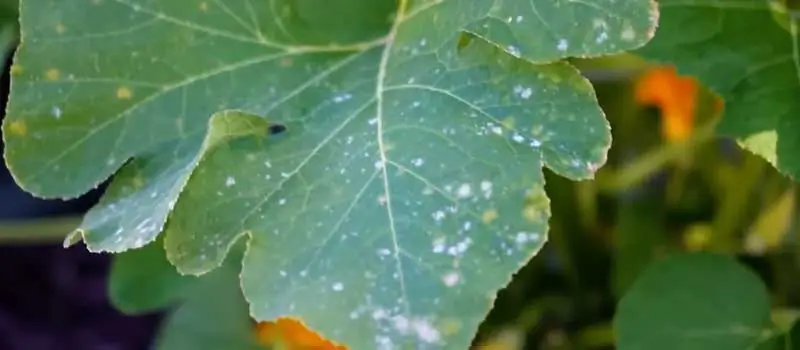
Understanding Trifloxystrobin: Mode of Action and Chemical Profile
How Trifloxystrobin Works Against Fungal Diseases
Trifloxystrobin works by going after the cytochrome bc1 complex in the mitochondria of fungi. This stops the electron transport chain that powers cellular respiration. This process stops the production of ATP, which starves fungus cells and stops the disease from spreading. This substance is different from older types of fungicides because it has what we call mesostemic movement, which means it sticks strongly to the waxy layer of leaves and moves around through vapor phase activity to protect plant areas that haven't been treated. This one-of-a-kind quality makes sure that the whole area is covered, even if the spray application isn't perfect, which is very helpful for large-scale farming operations that take care of hundreds or thousands of hectares. It works on all four main types of fungi: Ascomycetes, Deuteromycetes, Basidiomycetes, and Oomycetes. In field tests, it has always been shown to be better at controlling net blotch in barley, leaf spot diseases in soybeans, apple scab, and rapeseed sclerotinia. This makes it less necessary to have a lot of different types of fungicides, which makes it easier to get and use them.
Environmental Profile and Safety Considerations
Trifloxystrobin is different from lingering fungicides that cause environmental problems because it breaks down quickly in soil and water. Studies of half-lives show that breakdown happens within days to weeks, based on the conditions. This means that residues don't build up too much. This trait fits with the ideas of integrated pest control and meets the stricter rules that are being put in place in global markets. These safety features help products meet EPA rules in the US and similar rules in foreign markets. This makes it easier for wholesalers to get goods Tebuconazole 50%+trifloxystrobin 50%wdg through customs and get into new markets.
Efficacy and Usage Guidelines: Maximizing Crop Protection with Trifloxystrobin
Crop-Specific Application Strategies
For best disease control, treatment rates and time need to be adjusted based on crop systems and disease pressure trends. When wholesalers understand these subtleties, they can give their farming customers more useful technical advice, which builds business relationships by showing knowledge. Applications made early in the growth stages of cereal crops like wheat and barley are helpful, usually from tillering to flag leaf appearance. Usually, 100 to 150 grams of active ingredient are applied per hectare, and the timing is chosen to stop the growth of rust bacteria and powdery mildew before the cover closes. Due to their ability to stop diseases before they happen, strobilurin fungicides are better used for prevention than for treating them once they happen. Growing fruits and vegetables might be the most valuable use case. Apple farms use trifloxystrobin to get rid of scab, powdery mildew, and black smut. It is applied from the green tip of the leaf until the petals fall off. This active ingredient is used to control downy and powdery mildew in grape fields, which protects both the quality of the fruit and the possible yield. The compound's rainfastness—the ability to not wash off after application—is especially useful in these situations, since rain often happens in the afternoon after morning spray operations.
Compatibility and Tank-Mix Considerations
More and more, farming operations are trying to use more than one pest control product in one treatment to cut down on field passes, save fuel, and make operations run more smoothly. Trifloxystrobin works well with most pesticides, fungicides, and liquid fertilizers. However, it is still a good idea to test it in a jar first before mixing it on a big scale. Because it works with growth inhibitors, it can be added to full crop control plans without having to make extra trips for application. Mixing contact fungicides in a tank makes both the range of control and handling of resistance better. The quality of the water affects how stable the mix is. For example, hard water can sometimes make it hard for the mix to spread, so water softening agents are useful to have in spray solutions. These technical details are important for farming service providers who make unique spray plans for a wide range of clients.
Trifloxystrobin Compared: Selecting the Optimal Fungicide Solution
Performance Benchmarking Against Competitive Options
In order to make smart purchasing choices, you need to know how trifloxystrobin compares to other fungal actives on the market. Each choice has its own performance traits, cost structures, and practicalities for various operating situations. Another well-known strobilurin fungicide, azoxystrobin, works in a similar way and against a similar range of diseases. Comparative field studies show that both drugs work about the same against most disease targets, but trifloxystrobin is slightly more effective against some rust bacteria. The decision between them is usually based on which version is available, how the local government handles regulations, and the price of the seller, not on big differences in how well they work. Chlorothalonil is a multi-site contact fungicide that has been on the market for a long time and costs less per acre. Trifloxystrobin has systemic and mesostemic movement, but this one has great protective properties. A lot of agronomists think that these two products work together rather than against each other. They say that the best way to save money on Tebuconazole 50%+trifloxystrobin 50%wdg is to use chlorothalonil as a base protectant and save strobilurin fungicides for times when disease pressure is high.
Return on Investment Analysis
Some fungicides, like tebuconazole, work by moving through the body and killing the fungus, which strobilurin fungicides can't do. When you mix trifloxystrobin with tebuconazole, you get the best of both worlds: the broad protective action of the strobilurin plus the healing kick and long-lasting leftover control of the triazole. These mixed goods have gained a lot of market share in high-value food systems, where failing to control diseases can have very bad economic effects. When leftover action lasts for a longer time, applications run less often. This cuts overall program costs, even if the cost of each application is higher. Fewer field runs use less fuel, wear out tools less, and free up workers to do other tasks during busy times of the year. Large-scale producers who have to handle complicated tasks over a lot of land care a lot about these operating savings. Unit costs can be greatly improved by having the chance to buy in bulk through direct relationships with manufacturers. When distributors make long-term deals for supplies, they can often get a volume-based price that makes more expensive fungicides competitive with cheaper ones in terms of total cost. This fact of business life shows how important it is to form relationships with dependable makers who can consistently offer goods at reasonable prices.
Procurement Insights: How to Source and Buy Trifloxystrobin Efficiently
Identifying Authorized Suppliers and Quality Standards
When looking for active ingredients and finished goods, it's important that the products are real and of uniform quality. In the farming supply chain, there are sometimes fake or low-quality goods that hurt crop protection efforts and damage the reputation of distributors. These risks can be avoided by working with well-known makers who have well-documented quality control systems. Asking for a Certificate of Analysis for each batch ensures that the quantity of the active ingredient, the physical qualities (like the spread of particle size), and the lack of any harmful impurities are all correct. Reliable sellers usually give this paperwork as standard business practice. Product packages should come with proof of regulatory compliance, such as EPA registration numbers, safety data sheets, and sticker information. This information is necessary for legal marketing and keeps both the seller and the dealer from breaking the law. For international shipments, you need extra paperwork like phytosanitary certificates and customs statements. Suppliers who have experience with exporting can easily handle these needs, which keeps shipments from being held up, which costs a lot of money.
Logistics and Supply Chain Continuity
Negotiating payment terms is another way to improve the economics of buying. Longer payment terms help with managing working capital during the time of year when goods need to be built up, but they may have an effect on prices. To find the trifloxystrobin 26% tebuconazole best balance between cash flow and unit cost optimization, you need to know how your business's cash cycle and inventory change trends work. In farming markets, where application time windows can be small and missing them can have big effects on yield, having a reliable source available is very important. When distributors always have products on hand when customers need them, they gain customer trust and market share. On the other hand, when they run out of stock, they hurt their image and lose business to rivals. Getting farm products through customs requires special paperwork and random checks, which can cause delivery times to be longer than planned. Expert freight forwarders who specialize in farm goods can handle these processes quickly and easily, but customers won't be let down if they plan for extra time when they buy things. Knowing the whole supply chain, from the factory to your building, lets you make reasonable promises to customers and keep track of your goods properly.
Ensuring Sustainable and Responsible Use of Trifloxystrobin
Environmental Stewardship Practices
More and more people expect modern agriculture to leave as little of an impact on the earth as possible while still producing high levels of food. Responsible use of fungicides balances making money with protecting the environment, meeting both government rules and customer desires at the same time. Calibration of equipment makes sure that exact application rates are used, which stops overuse that loses product and adds to the environmental load. Responsible use includes having nozzles that work properly, accurate flow meters, and regular boom adjustment. The picture of care is finished by tank mix cleaning methods that stop moving equipment off-target while it is being washed. Distributors who help with these operating details on a technical level add value beyond selling products. Empty containers that are thrown away through known recycling programs keep the environment clean. In many places, there are programs to recycle containers, and farm stores and shippers help by setting up collection points. Companies that take part in these programs show they care about the environment and meet real garbage management needs at the same time.
Case Studies in Integrated Crop Protection Programs
Real-life examples show how trifloxystrobin can be used in disease control plans that balance cost-effectiveness, long-term viability, and effectiveness. These cases show sellers how to help customers plan programs in a useful way. In the Great Plains, an industrial wheat company used trifloxystrobin along with a triazole pesticide at flowering as part of its Fusarium head blight control plan. This method, with two different ways of working, cut down on disease a lot more than triazole alone, which protected both yield and grain quality. The higher test weight and lower amounts of vomitoxin led to higher prices that were higher than the extra cost of the fungicide. This was good for business while reducing worries about myotoxin food safety. In the Northeast, apple farms have to trifloxystrobin 26% tebuconazole deal with a lot of different diseases, such as scab, mildew, and different fruit rots. An industrial farm used trifloxystrobin at key points of disease growth as part of a season-long program that included different types of fungicides. Through the right pre-harvest times, this combined method did a great job of controlling diseases while also meeting the needs of the export market for leftovers. The higher quality led straight to higher prices in fresh market outlets, showing that using crop protection products correctly helps businesses make money.
Conclusion
Trifloxystrobin is an important tool for managing diseases in modern agriculture because it works against a wide range of fungal pathogens and breaks down quickly, so it doesn't harm the environment. Its mesostemic redistribution abilities protect crops completely, even when the application conditions are tough. To use it effectively, you need to know when to apply it, how to control its resistance, and how to incorporate it into full crop protection plans that are specific to the crops you grow and the diseases that affect them. When procurement experts work with dependable providers who offer regular quality, fair prices, and technical support, they can better serve farming customers and build long-lasting business relationships at the same time.
FAQ
1. What makes trifloxystrobin effective against so many different fungal diseases?
Inhibiting the cytochrome bc1 complex stops mitochondrial respiration, which is a basic biological process that all fungi species share. This big process explains why it works against many different pathogens, like powdery mildews, rusts, blights, and downy mildews. The mesostemic action on plant surfaces protects places that haven't been treated yet, which makes it more useful.
2. How does trifloxystrobin impact pollinator safety?
Studies show that goods that dry on plant surfaces are not very dangerous to bees directly. Another safety measure is to avoid treatments during busy growth, when bees are looking for food. Following the advice on the package about when to apply the product saves bees and keeps the disease control working well, combining environmental responsibility with farming output.
3. Can trifloxystrobin be tank-mixed with other crop protection products?
Most popular pesticides, other fungicides, and liquid nutrients are compatible, but it's still a good idea to test for physical compatibility before mixing on a big scale. Mixing multi-site fungicides in a tank improves the range of diseases that can be controlled and helps with managing resistance. Because of the quality of the water, softening agents are sometimes needed to keep the spray solution stable.
4. What strategies prevent fungicide resistance development?
Using only two or three treatments in a row per season, switching between different types of fungicides, and adding multi-site protectants can all lower the pressure for resilience to develop. Crop rotation breaks up disease cycles, which makes pesticide use less necessary generally. These combined methods make valuable chemicals like trifloxystrobin last longer while still controlling diseases well.
Partner with Hontai for Reliable Trifloxystrobin Supply
Hebei Hontai Biotech Co., Ltd makes trifloxystrobin formulas of the highest quality, such as 50% WDG and liquid SC goods that are made to strict standards. Our team of experienced professionals offers full technical support to help farm growers and wholesalers make the most of disease control programs in a wide range of crop systems. We keep our supply lines stable and our global operations quick, so you can get the products you need when you need them. Your brand development goals will be helped by the fact that you can change the package and private labeling in a number of ways. As a reliable trifloxystrobin provider that can help farmers all over the world, we offer steady product performance and quick customer service. Contact our professional team at admin@hontai-biotech.com to talk to our professional team about your crop protection needs and find out how our reliable fungicide solutions can help you succeed in farming.
References
1. Bartlett, D.W., Clough, J.M., Godwin, J.R., Hall, A.A., Hamer, M., & Parr-Dobrzanski, B. (2002). The strobilurin fungicides. Pest Management Science, 58(7), 649-662.
2. Gisi, U., Sierotzki, H., Cook, A., & McCaffery, A. (2002). Mechanisms influencing the evolution of resistance to Qo inhibitor fungicides. Pest Management Science, 58(9), 859-867.
3. Balba, H. (2007). Review of strobilurin fungicide chemicals. Journal of Environmental Science and Health, Part B, 42(4), 441-451.
4. Vincelli, P., & Dixon, E. (2002). Resistance to QoI (strobilurin-like) fungicides in isolates of Pyricularia grisea from perennial ryegrass. Plant Disease, 86(3), 235-240.
5. Mueller, D.S., Wise, K.A., Sisson, A.J., Allen, T.W., Bergstrom, G.C., Bosley, D.B., Bradley, C.A., Broders, K.D., Byamukama, E., Chilvers, M.I., Collins, A., Faske, T.R., Friskop, A.J., Heiniger, R.W., Hollier, C.A., Isakeit, T., Jackson-Ziems, T.A., Jardine, D.J., Kinzer, K., Koenning, S.R., Malvick, D.K., McMullen, M., Meyer, R.F., Paul, P.A., Robertson, A.E., Roth, G.W., Smith, D.L., Tande, C.A., Tenuta, A.U., Vincelli, P., & Warner, F. (2016). Fungicide efficacy for control of soybean foliar diseases across the United States. Plant Health Progress, 17(4), 235-247.
6. Fernández-Ortuño, D., Torés, J.A., de Vicente, A., & Pérez-García, A. (2008). Mechanisms of resistance to QoI fungicides in phytopathogenic fungi. International Microbiology, 11(1), 1-9.
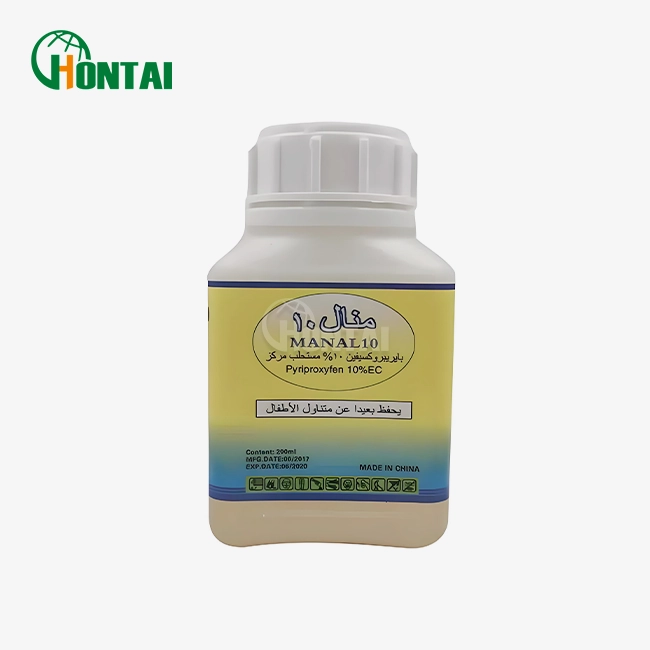
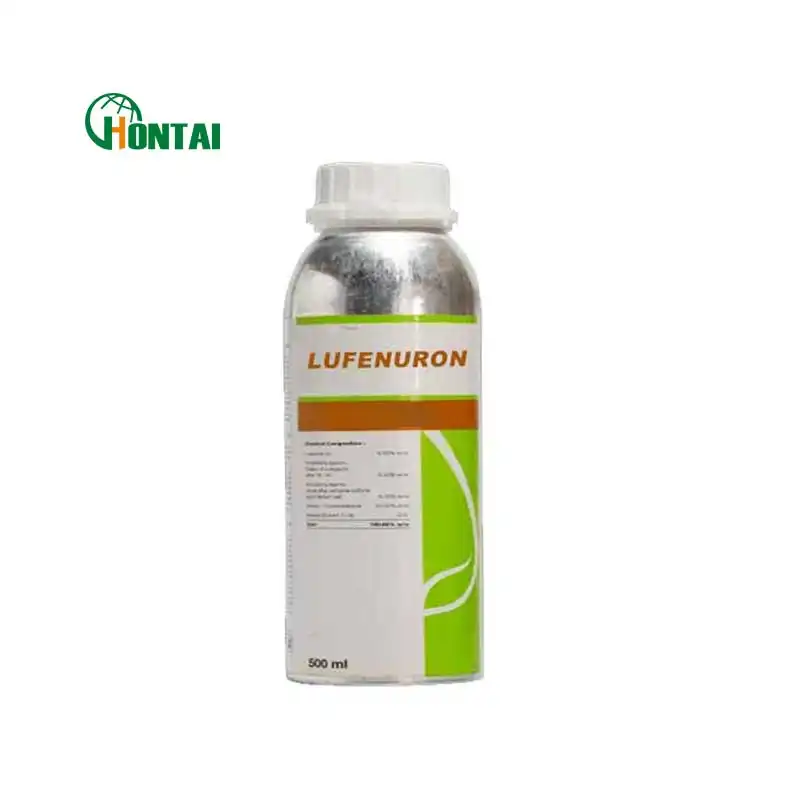
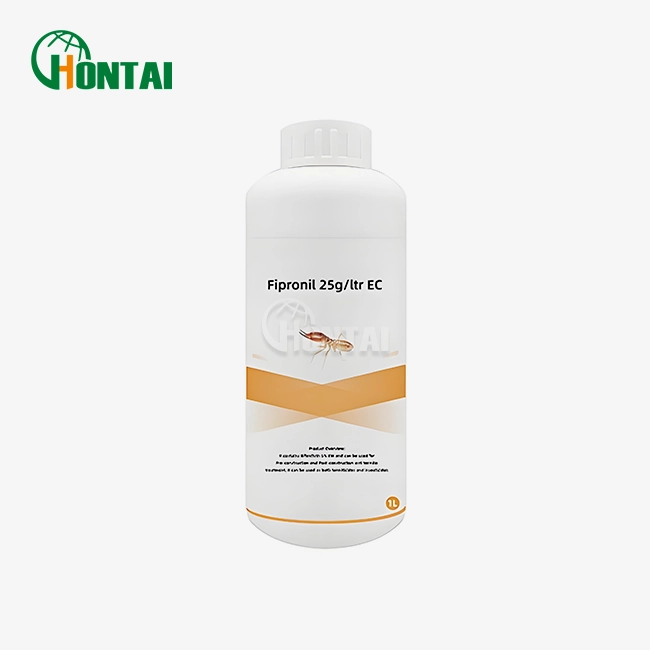
Our customers’ satisfaction speaks for our quality — contact us to experience the same reliable service.