- English
- French
- German
- Portuguese
- Spanish
- Russian
- Japanese
- Korean
- Arabic
- Greek
- German
- Turkish
- Italian
- Danish
- Romanian
- Indonesian
- Czech
- Afrikaans
- Swedish
- Polish
- Basque
- Catalan
- Esperanto
- Hindi
- Lao
- Albanian
- Amharic
- Armenian
- Azerbaijani
- Belarusian
- Bengali
- Bosnian
- Bulgarian
- Cebuano
- Chichewa
- Corsican
- Croatian
- Dutch
- Estonian
- Filipino
- Finnish
- Frisian
- Galician
- Georgian
- Gujarati
- Haitian
- Hausa
- Hawaiian
- Hebrew
- Hmong
- Hungarian
- Icelandic
- Igbo
- Javanese
- Kannada
- Kazakh
- Khmer
- Kurdish
- Kyrgyz
- Latin
- Latvian
- Lithuanian
- Luxembou..
- Macedonian
- Malagasy
- Malay
- Malayalam
- Maltese
- Maori
- Marathi
- Mongolian
- Burmese
- Nepali
- Norwegian
- Pashto
- Persian
- Punjabi
- Serbian
- Sesotho
- Sinhala
- Slovak
- Slovenian
- Somali
- Samoan
- Scots Gaelic
- Shona
- Sindhi
- Sundanese
- Swahili
- Tajik
- Tamil
- Telugu
- Thai
- Ukrainian
- Urdu
- Uzbek
- Vietnamese
- Welsh
- Xhosa
- Yiddish
- Yoruba
- Zulu
Pyraclostrobin: A Versatile Fungicide for Disease Management in Multiple Crops
share:
Pyraclostrobin is a transformative strobilurin fungicide that is well known in the farming market for killing a wide range of fungal diseases that threaten many valuable crops. This drug is a quinone outside inhibitor (QoI) in the strobilurin class. It has protective, curative, and translaminar effects, stopping diseases from ascomycete, basidiomycete, deuteromycete, and oomycete fungus groups. For commercial farmers who take care of large areas of land and agrochemical distributors who serve a wide range of agricultural markets, knowing about Pyraclostrobin's technical benefits, how to use it, and where to get it is important for getting the best crop protection results and the best deals.
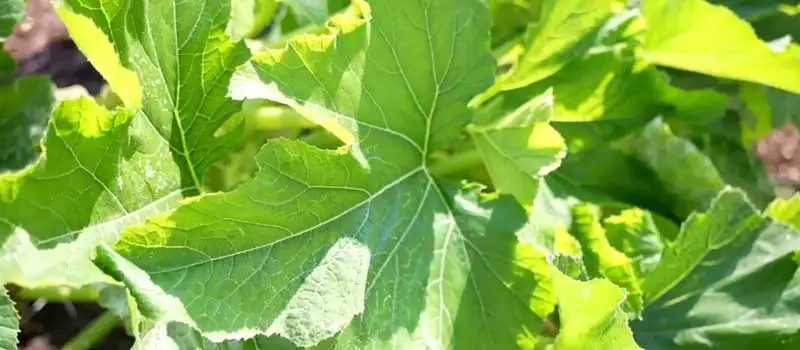
Introduction
Today's farming needs fungicides that protect crop investments and increase yields in a way that can be measured. Pyraclostrobin is a new and widely used pesticide in agriculture around the world that protects many important crops from fungal illnesses. The methodical way it works and the wide range of effects help protect crops' output and health, making it an essential tool for modern crop defense. Hontai knows that large-scale farmers, companies that sell agrochemicals, and companies that protect crops from disease need reliable tools for managing diseases that are backed by consistent product quality and expert support. We make our Pyraclostrobin products in Hebei, China, and they all meet international quality standards. They include 96% Technical Concentrate, 70% Wettable Powder, 50% Suspension Concentrate, and 35% WP. This guide is for B2B buyers, distributors, and crop protection experts who want to know more about Pyraclostrobin's chemical profile, the best ways to use it, and where to get it. This will help them make smart decisions that improve the efficiency of the supply chain and the results of disease management.
Understanding Pyraclostrobin: Chemistry, Mode of Action, and Benefits
The Chemical Foundation of Disease Control
Pyraclostrobin, a strobilurin fungicide, is highly sought-after for its distinctive structure and strong antifungal effects. This element works by stopping mitochondrial respiration at the cytochrome bc1 complex. Its chemical name is methyl N-{2-[1-(4-chlorophenyl)-1H-pyrazol-3-yloxymethyl]phenyl}(N-methoxy)carbamate. This process stops fungal cells from making energy, which stops the growth of pathogens before they show any signs. The molecular structure of the substance makes it very good at sticking to leaf surfaces because it is lipophilic. This makes a barrier that protects even in tough weather conditions. This chemistry directly affects how well crops grow in the field, which is important for business Boscalid pyraclostrobine farmers during key times of growth.
How Pyraclostrobin Works Against Fungal Pathogens
Pyraclostrobin is a chemical that has been approved for use on many different types of crops around the world. It stops pathogens like powdery mildew, leaf blight, and rust diseases from respiring by blocking mitochondrial electron transport. Older contact fungicides only cover the outside of plants. This strobilurin, on the other hand, moves across leaf tissues and forms protective stores on both treated and unprotected leaf surfaces. This locosystemic trait means that putting it on the top surface of the leaf protects the bottom surfaces, which are where many fungus spores start to grow. The compound stays dry in the rain within an hour or two of being applied, which is very helpful when the weather is unpredictable, which happens a lot in big growth areas across the United States.
Practical Application and Usage Guidelines for Pyraclostrobin
Crop-Specific Application Protocols
For Pyraclostrobin to work best, it needs to be applied at the right time and in the right amount for each major crop. The following application standards are based on best practices in the business that were found through a lot of field research:Soybeans: To stop Asian soybean rust, frogeye leaf spot, and Cercospora leaf blight in soybeans, use 6 to 12 fluid ounces per acre during the R1 to R3 growth stages. The translaminar qualities protect the rapidly growing canopy during key stages of pod formation. Corn: For corn, 4 to 8 ounces per acre is enough to kill gray leaf spot, southern rust, and northern corn leaf blight. When the timing is right between the VT and R2 steps, the flag leaves and ear leaves that help fill the grain the most are protected. Wheat and Cereals: 3 to 6 ounces per acre are enough to control Septoria tritici blotch, stripe rust, and tan spot from the time the flag leaf appears until the plant starts to head. With these useful tips, clients can use Pyraclostrobin effectively while staying in compliance and protecting the health of people and the environment.
Application Methods and Tank Mix Compatibility
Ground-based application tools should be set up to release 10 to 20 gallons per acre at 30 to 60 PSI. This will make sure that the spray goes deep into the canopy without drifting too far. Choosing the right nozzle is a big part of getting good coverage. Droplets of middle sizes are good for both penetrating the ceiling and controlling drift. Pyraclostrobin works well in tank mixes with many popular herbicides, insecticides, and fertilizers, but jar tests should be done first before mixing on a big scale. Spray solutions that are very alkaline should not be used because a pH above 8.0 could make the result less stable. The chemical works well with triazole fungicides like tebuconazole, which lets managers deal with resistance by dimethomorph, pyraclostrobine 78% wdg, switching between or combining different groups of mechanisms of action.
Pyraclostrobin Compared: Evaluating Alternatives and Combinations
Performance Benchmarking Against Other Strobilurins
When looking at different fungicides, Pyraclostrobin stands out because it works better than strobilurins like azoxystrobin and trifloxystrobin. Comparative field tests show that Pyraclostrobin usually works 5 to 10 percent better against key leaf diseases in grains and soybeans. This is because it is better at staying dry in rain and moving through the plant's layers. Azoxystrobin has a wider range of systemic effects, but it doesn't last as long when it rains a lot. Trifloxystrobin works great on fruits and vegetables, but it needs to be used at higher rates on field crops to have the same effect. Cost-benefit analyses constantly show that Pyraclostrobin provides the best economic returns in large-scale grain production, where disease pressure justifies spending more on fungicides.
Strategic Combinations for Resistance Management
This part talks about smart mixtures of fungicides that work together to stop diseases faster and stop resistance from building up. When you mix Pyraclostrobin with demethylation inhibitor (DMI) fungicides like tebuconazole or prothioconazole, you get multi-site activity that makes it much harder for resistant fungus types to emerge. Combination products with Pyraclostrobin and boscalid work on both the succinate dehydrogenase and mitochondrial respiration pathways, which makes them very good at fighting complicated disease settings. Field data from the Midwest Corn Belt show that these combinations keep the disease under control for 7 to 10 days longer than single active ingredients. This means that they don't need to be used again and again for long periods of good disease conditions.
Procurement Insights: How to Buy and Source Pyraclostrobin Efficiently
Selecting Qualified Manufacturers and Suppliers
For B2B procurement clients, getting Pyraclostrobin quickly and easily depends on choosing approved sources and trusted makers who are known for consistently high quality and following global standards. Manufacturing licenses, quality control paperwork, and the ability to do analytical tests to confirm the purity of the active ingredient and the safety of the mixture should all be part of the evaluation process. Hebei Hontai Biotech Co., Ltd. follows strict quality control procedures to make sure that our Pyraclostrobin formulations meet all international standards. Our technical concentrates are at least 96 percent pure, and our formulated goods are put through a lot of tests to make sure they are stable in suspension, have a wide range of particle sizes, and last a long time in a variety of storage situations. We give full paperwork, like Certificates of Analysis, Material Safety Data Sheets, and regulatory compliance certificates, to help with registration needs in many markets.
Understanding Pricing Dynamics and Volume Benefits
This part talks about important things to look for in a seller, how prices are changing, and the advantages of buying in bulk to save money and keep supplies stable. The price of Pyraclostrobin changes depending on the supply of raw materials, the use of manufacturing capacity, and the demand trends that are seasonal. When commercial buyers buy full container loads instead of smaller amounts through middlemen, they usually save 15 to 25 percent on costs. Long-term supply deals offer extra benefits like stable prices, guaranteed allocation during times of high demand, and faster access to expert support services. Instead of just looking at the price per unit of the active ingredient, procurement workers should look at the total cost of ownership, dimethomorph pyraclostrobine 78% wdg, which includes freight, storage, and application costs.
Documentation and Regulatory Compliance
It also goes over the normal order process and the paperwork that needs to be filled out, like product datasheets and regulatory paperwork. This makes sure that the buying process goes smoothly and meets the strict needs of large-scale crop protection operations. Importers and distributors who want to be successful need to have all the legal help they can get. This includes EPA registration numbers, state registrations, product labels that follow federal rules, and safety paperwork that meets OSHA standards. At Hontai, we offer full regulatory packages that help with product registration and importation. These packages include safety reports, data on how the product breaks down in the environment, and proof of its effectiveness. Our experienced team helps buyers get through complicated registration processes faster, which speeds up the time it takes to bring new products to market and expand labels.
Industry Insights & Future Outlook for Pyraclostrobin in Crop Protection
Market Trends Driving Continued Adoption
The increasing growth of high-value crops like soybeans and grapes, and changing laws that affect fungicide use, are both driving the market for Pyraclostrobin to grow. About 4 to 6 percent more is bought around the world every year as farmers realize the economic worth of preventing diseases and improving the health of crops. More and more, regulations are favoring chemicals with low risks and good environmental ratings. Pyraclostrobin has an edge over older, more durable compounds because of its low mammalian toxicity and quick soil decomposition. This regulatory climate produces stable long-term demand that encourages investments in infrastructure for the supply chain.
Innovation in Formulation Technology
This part looks at the big trends that are affecting demand, Boscalid pyraclostrobine, such as the focus on sustainability through targeted application and merging into larger pest control systems. New developments in formulations have focused on making liquid concentrates more stable. This lets more active ingredients be used, which lowers the cost of packing and shipping while keeping the performance of the application. Microencapsulation technologies that are still being developed promise longer residual activity and less exposure to the environment. This will help address worries about how sensitive aquatic organisms might be while still killing target viruses effectively. These changes make Pyraclostrobin more likely to stay useful as sustainability becomes a bigger part of choosing how to protect crops.
Resistance Management Considerations
New developments in composition technology and resistance management show that Pyraclostrobin is still being improved, which will make it more useful in the future. As a Group 11 fungicide according to the FRAC classification, Pyraclostrobin could become less effective if it is used over and over again without stopping. Industry stewardship programs stress switching between different modes of action groups and limited straight uses to keep their long-term effectiveness. These insights give leaders in buying and crop protection the knowledge they need to make smart plans in a market that is competitive and has a lot of rules. As part of their overall buying strategies, buyers should check to see if suppliers are involved in stewardship programs and if they offer combination goods that make resistance management easier.
Conclusion
Pyraclostrobin has been shown to be useful for protecting crops in a variety of situations because it effectively stops a wide range of diseases, is good for plant health, and is easy to use. Protecting and increasing yields is good for commercial farmers who run large-scale businesses because it directly leads to higher profits. Agrochemical distributors can stay ahead of the competition by providing better goods that are backed by strong regulatory backing and dependable supply lines. To make execution work, you need to know the right time to apply, how to handle pushback, and where to get materials from qualified makers who are committed to quality. The compound's continued market growth is due to its proven track record of success and its compatibility with the changing sustainability goals that are shaping modern agriculture.
FAQ
1. Which crops benefit most from pyraclostrobin applications?
Soybeans, corn, wheat, barley, grapes, and many specialty crops, like veggies and fruits, get better yields and quality when Pyraclostrobin is applied at the right time. The fungicide successfully stops leaf diseases that are common in these plants. It also helps the plants' bodies by improving their ability to use nitrogen and handle stress.
2. How does pyraclostrobin compare cost-wise to alternative fungicides?
Even though it may cost more per acre than older chemistry choices, Pyraclostrobin usually gives a better return on investment through higher yields, longer control durations that mean less frequent applications, and health benefits for plants that aren't found in contact-only products. The best way to get economic gains is to buy in bulk and time your applications strategically.
3. What safety precautions should applicators observe?
Standard safety clothing for farmers, like long-sleeved shirts, long pants, and chemical-resistant gloves, is enough to keep you safe while mixing and applying. Follow the stated re-entry times, which are usually between 12 and 24 hours, before going back into treated areas. With the right safety measures, the compound is not very dangerous when handled, so it can be used in industrial farming as long as the right safety rules are followed.
Strengthen Your Crop Protection Portfolio with Hontai Pyraclostrobin
Hontai Pyraclostrobin can help you protect your crops better. Hontai offers high-quality strobilurin fungicide solutions that are designed to meet the particular needs of industrial agriculture. Our Pyraclostrobin formulations, which are made in Hebei, China, using ISO-certified quality systems, always work as expected and follow the rules that buying professionals expect from a reliable provider. We offer a variety of package choices, labels that can be changed to fit your needs, and OEM/ODM services to help distributors add more products to their private label programs. Whether you are in charge of large-scale grain production, an agrochemical distribution network, or crop protection services, working with an experienced Pyraclostrobin manufacturer will give you access to a steady supply, competitive pricing on bulk orders, and the technical support you need to make sure the product is used correctly. Email our team at admin@hontai-biotech.com to talk about your particular needs, get product samples, or get full technical documentation. We provide agricultural services all over the world through fast global logistics and skilled support. This helps you deal with the problems your customers and markets are having with disease control.
References
1. Bartlett, D.W., Clough, J.M., Godwin, J.R., Hall, A.A., Hamer, M., and Parr-Dobrzanski, B. (2002). "The Strobilurin Fungicides: Comprehensive Review of Chemistry, Mode of Action, and Agricultural Applications." Pest Management Science, 58(7), 649-662.
2. Grossmann, K. and Retzlaff, G. (1997). "Bioregulatory Effects of the Fungicidal Strobilurin Kresoxim-methyl in Wheat." Pesticide Science, 50(1), 11-20.
3. Mueller, D.S., Wise, K.A., Sisson, A.J., Allen, T.W., Bergstrom, G.C., Bosley, D.B., Bradley, C.A., Broders, K.D., Byamukama, E., Chilvers, M.I., Collins, A., Faske, T.R., Friskop, A.J., Heiniger, R.W., Hollier, C.A., Isakeit, T., Jackson-Ziems, T.A., Jardine, D.J., Kelly, H.M., Kemerait, R.C., Kleczewski, N.M., Overstreet, C., Padgett, G.B., Price, P.P., Sikora, E.J., Small, I.M., Spurlock, T.N., Tande, C.A., Telenko, D.E.P., and Young-Kelly, H. (2016). "Corn Yield Loss Estimates Due to Diseases in the United States and Ontario, Canada from 2012 to 2015." Plant Health Progress, 17(3), 211-222.
4. Vincelli, P. and Dixon, E. (2002). "Resistance to QoI (Strobilurin-like) Fungicides in Isolates of Pyricularia grisea from Perennial Ryegrass." Plant Disease, 86(3), 235-240.
5. Wise, K., Mueller, D., Kandel, Y., and Tenuta, A. (2018). "Fungicide Efficacy for Control of Corn Diseases." University Extension Crop Protection Network Publication CPN-2012-18.
6. Zheng, L., Li, X., and Wang, X. (2013). "Optimization of Pyraclostrobin Suspension Henderson Concentrate Formulation and Its Physical Stability Evaluation." Journal of Agricultural Science and Technology, 15(4), 891-901.
Our customers’ satisfaction speaks for our quality — contact us to experience the same reliable service.